
Venus — History & Facts
Light pours through the stone arch behind the figure, turning her skin into a living surface that seems to breathe and shift with every glance. The woman stands poised on a swirl of drapery, her body angled in a gentle contrapposto, one hand lifted in a gesture that is both protective and revealing. The softness of her form is echoed in the hazy, luminous background, where sea and sky dissolve into one another, suggesting the mythic birth of Venus but leaving the narrative suspended in a moment of quiet emergence.
The palette is restrained, almost dreamlike, with creamy pinks, golds, and the faintest blue, drawing the viewer’s attention to the interplay of flesh and light rather than to any sharp detail. Every brushstroke seems designed to keep the eye moving, inviting us to linger on the threshold between the real and the imagined. Painted in 1921, Venus by Albert Besnard belongs to a long tradition of reimagining classical mythology through the lens of contemporary sensibility. In the early twentieth century, artists across Europe were re-examining the nude, searching for new ways to balance ideal beauty with psychological presence.
Besnard, known for his experiments with light and atmosphere, brings a distinctly modern touch to this ancient subject, dissolving outlines and letting the figure merge with her surroundings. Little is recorded about the specific journey of this painting, now documented in the 2010 exhibition catalogue of the Hokkaido Museum of Modern Art, but its quiet radiance speaks to the enduring fascination with Venus as a symbol of both tradition and transformation. The longer you look, the more the painting withholds, inviting you to return to its shifting surface again and again.
More Artworks by Albert Besnard
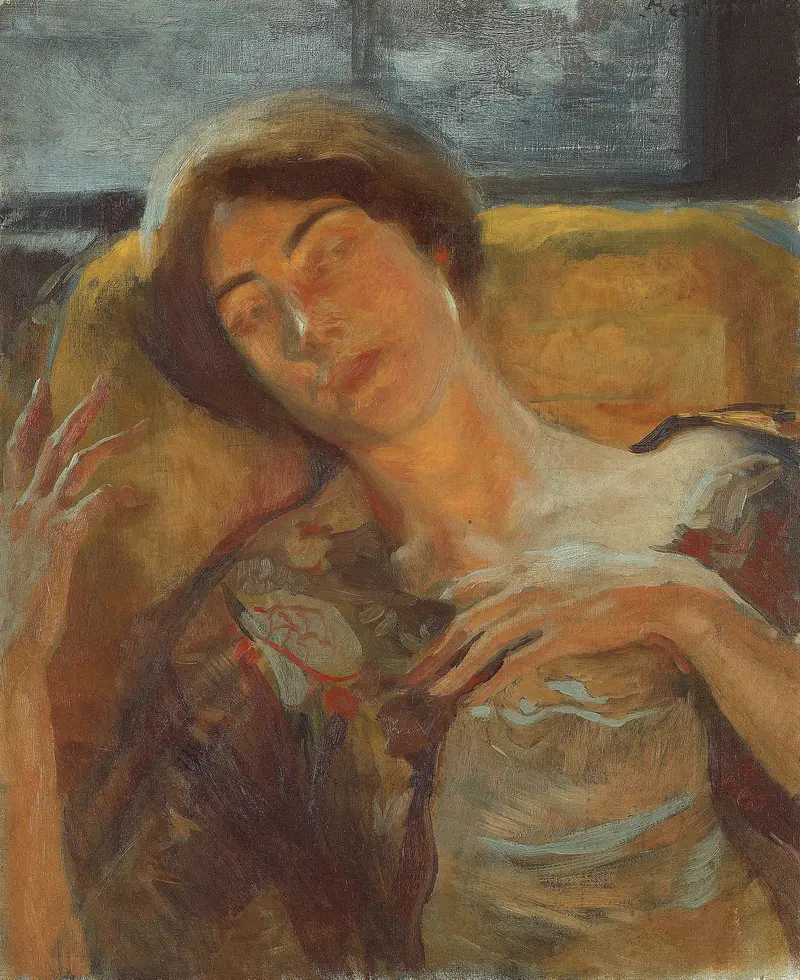
Woman's Head
Albert Besnard
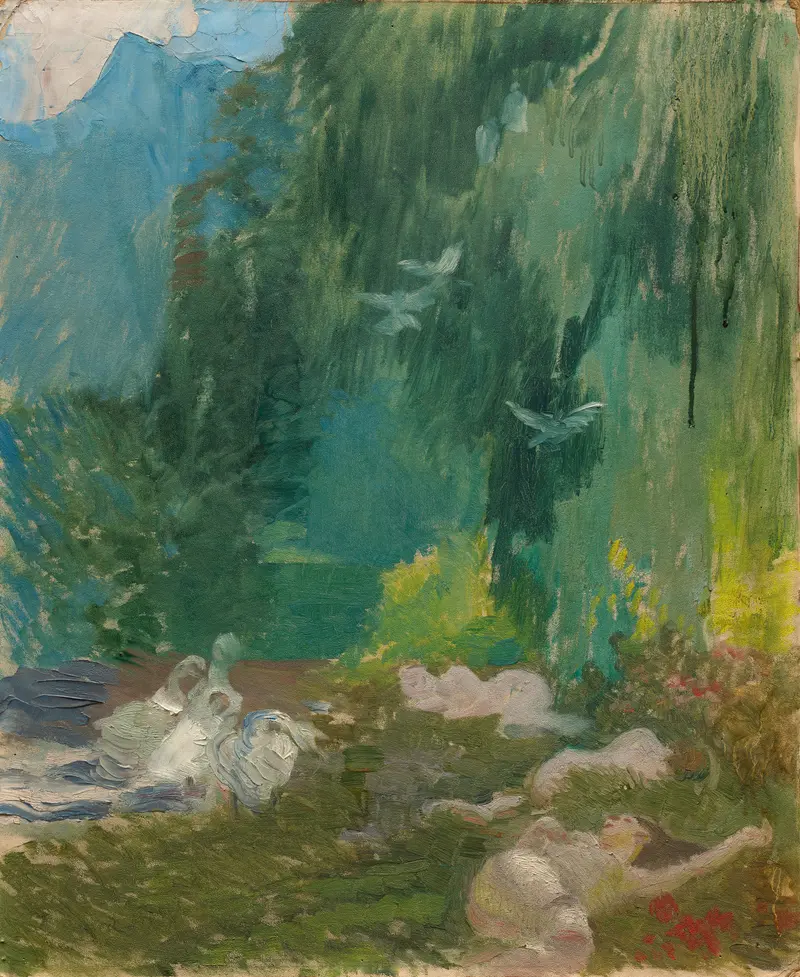
The Siesta
Albert Besnard
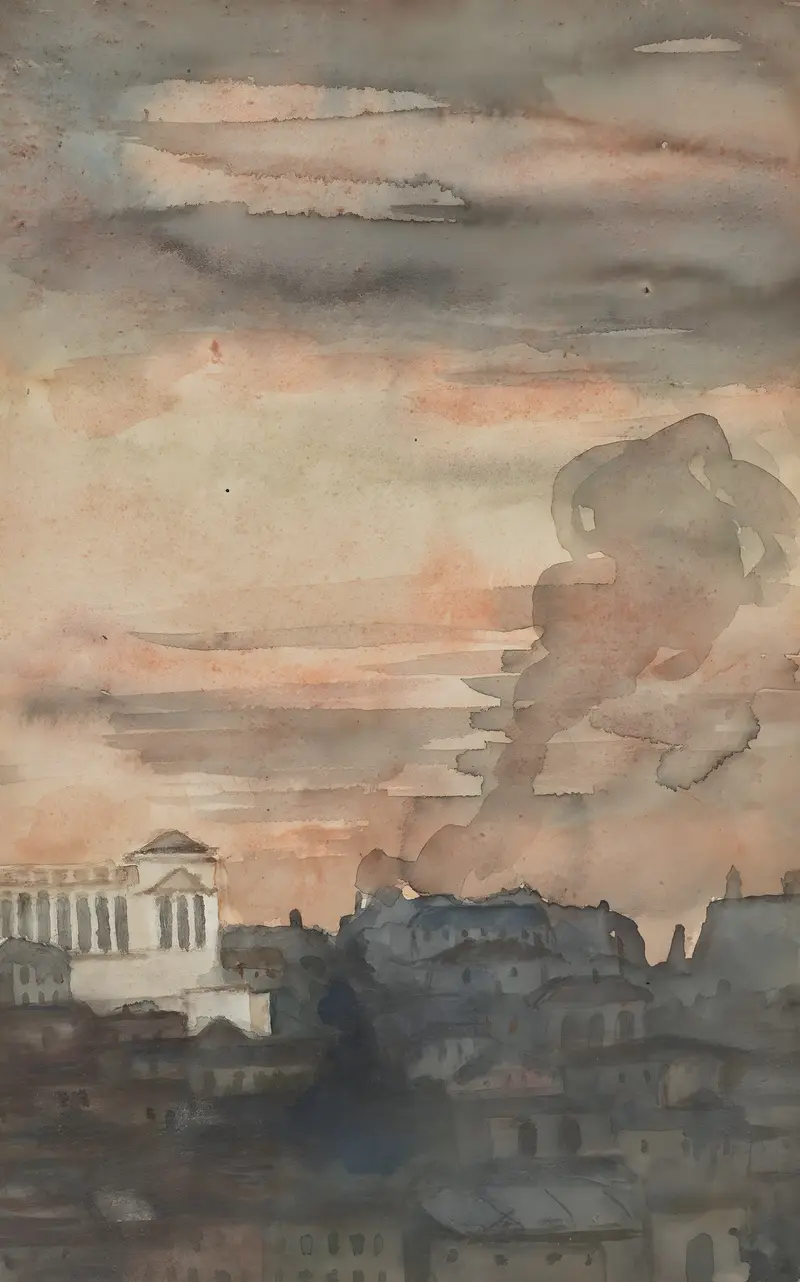
View of Rome with the Vittorio Emanuele II Monument in the distance, at sunset
Albert Besnard
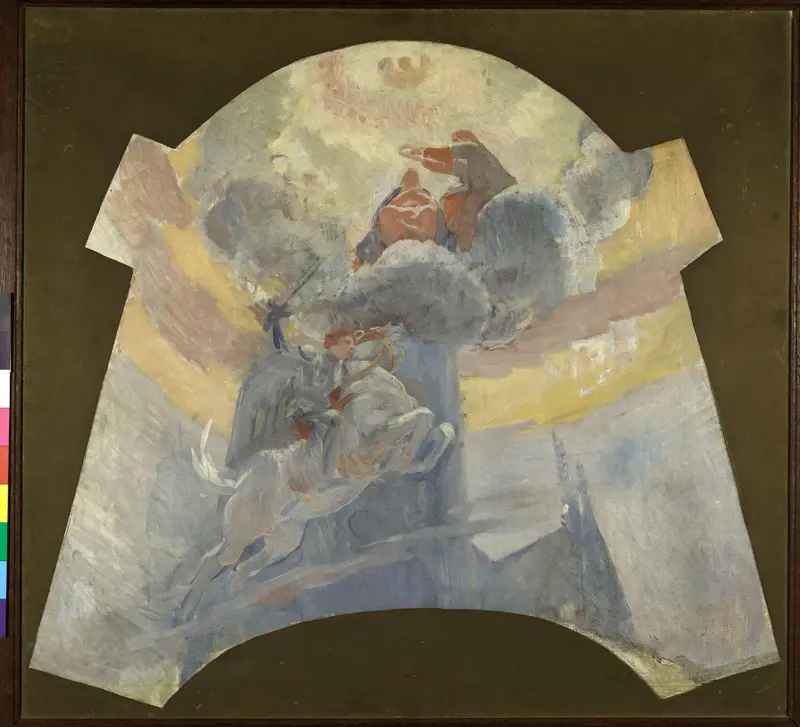
Albert (Paul Besnard dit) La Mystique, esquisse de la composition d'ensemble
Albert Besnard
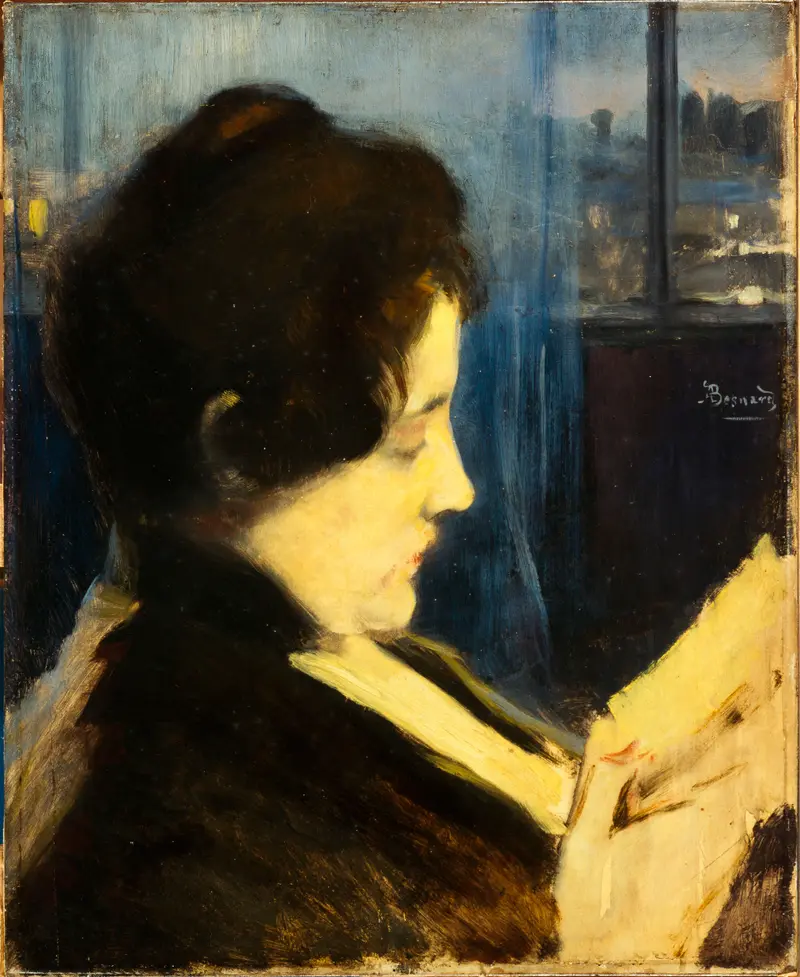
Charlotte Besnard c.
Albert Besnard
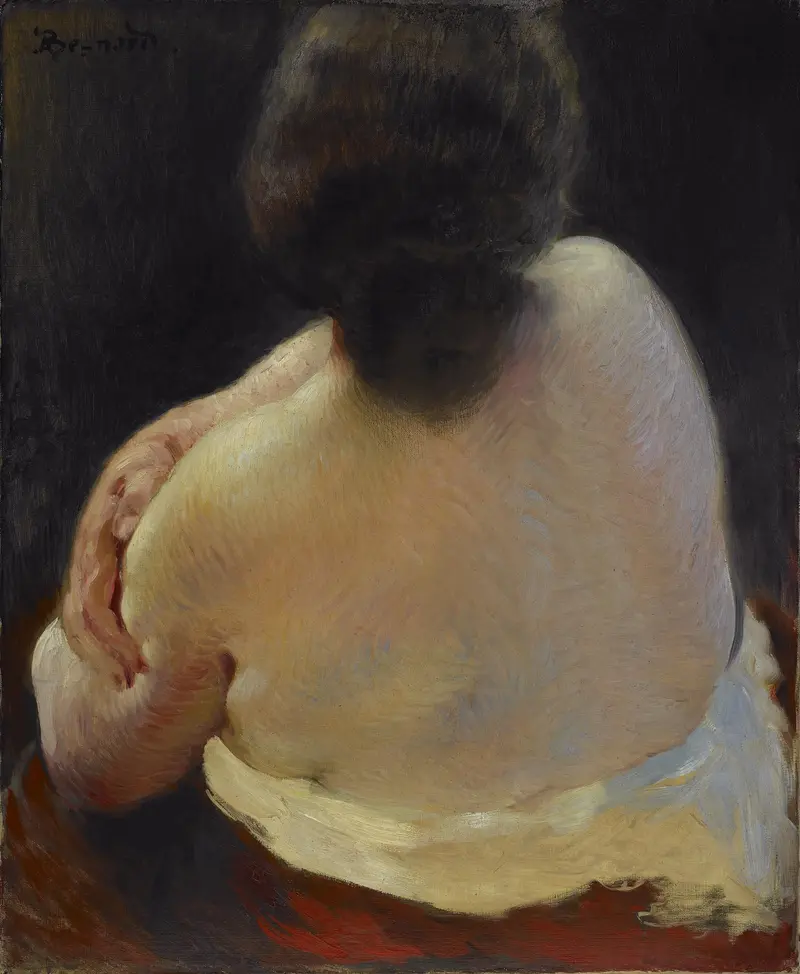
Back of a Woman, Study
Albert Besnard
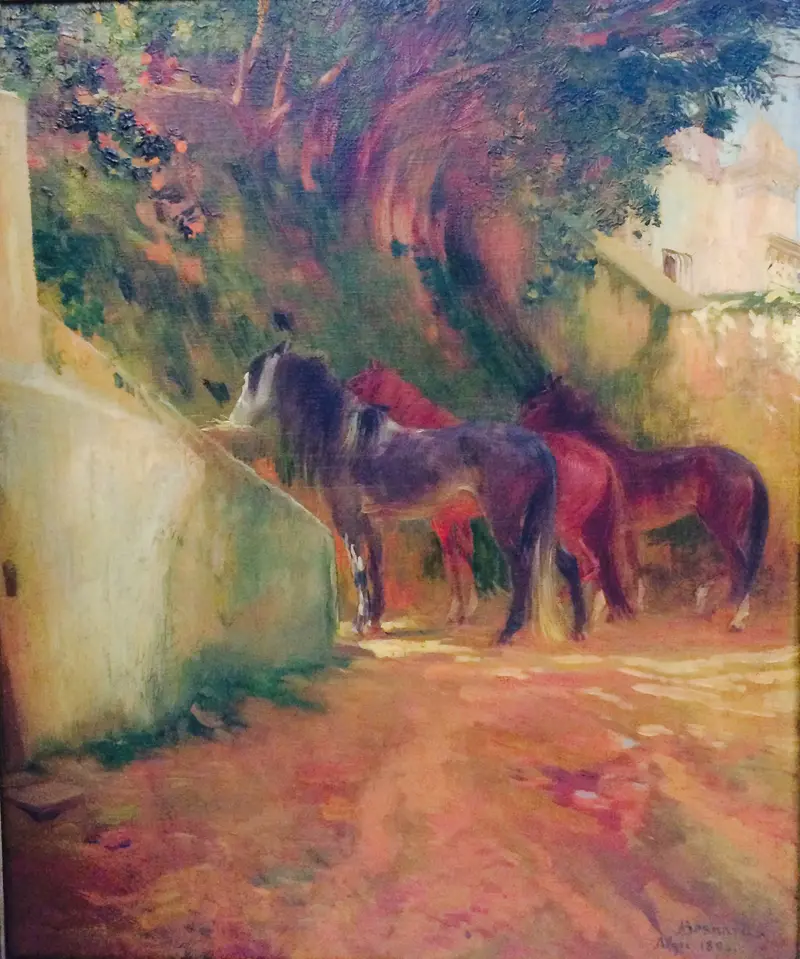
Horses
Albert Besnard
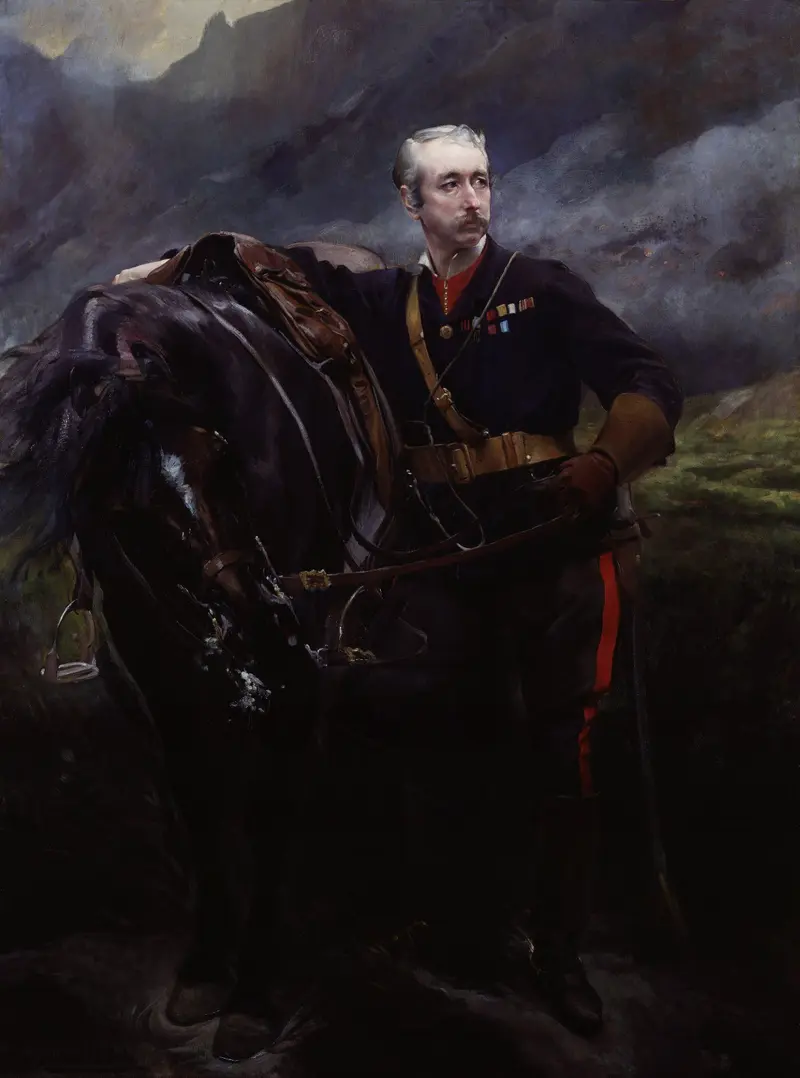
Garnet Joseph Wolseley, 1st Viscount Wolseley
Albert Besnard
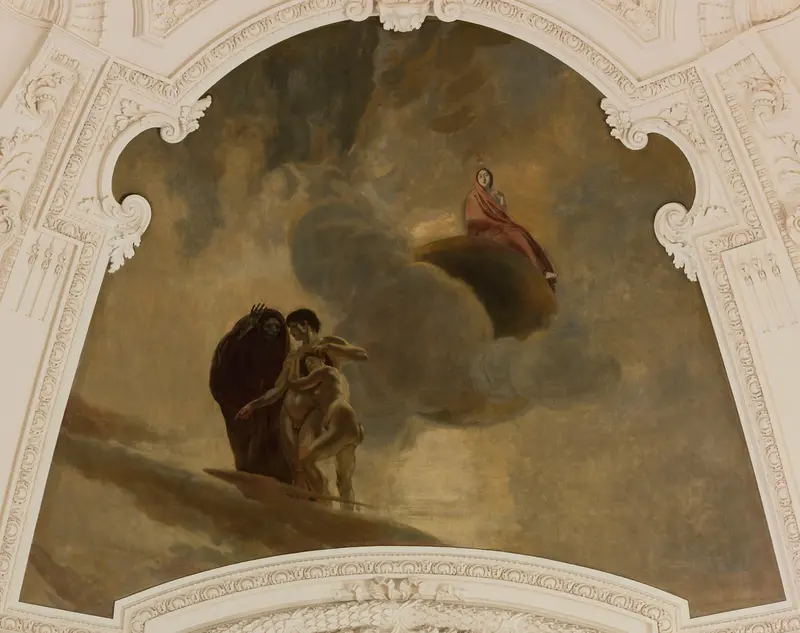
Besnard La Pensée DECOP00A(04) Petit Palais 01
Albert Besnard
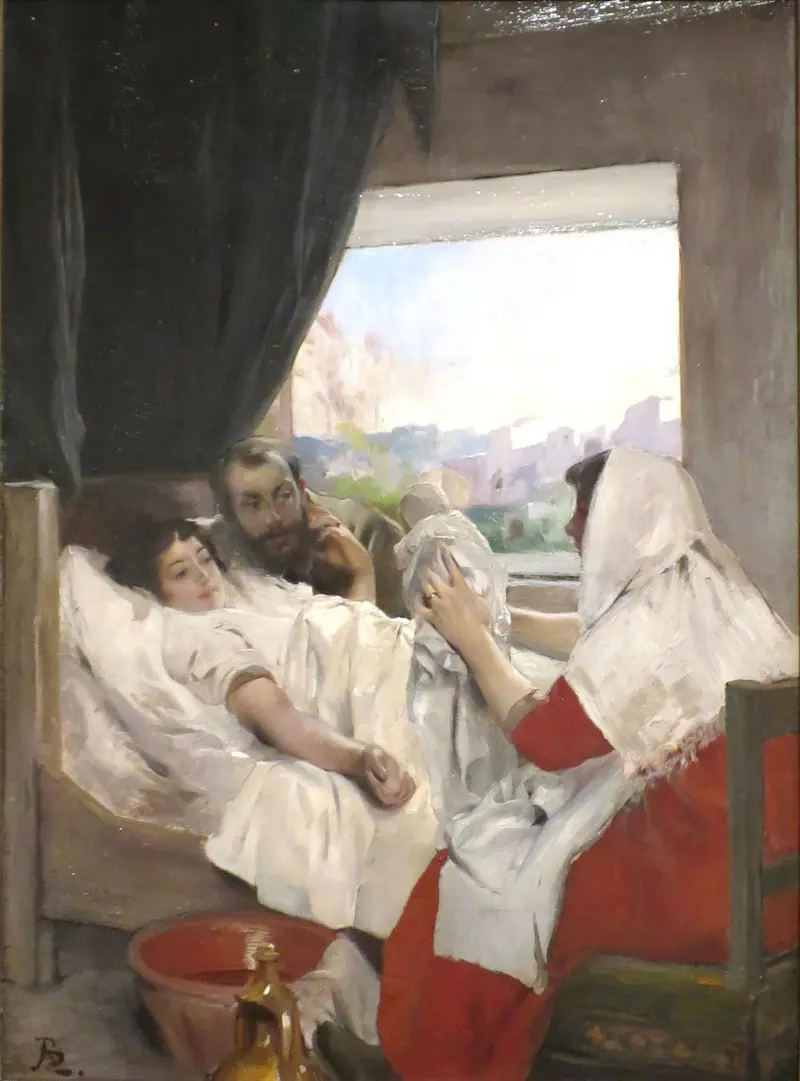
The First Morning (Albert and Charlotte Dubray Besnard and their Son, Robert)
Albert Besnard





