Venus en Amor — History & Facts
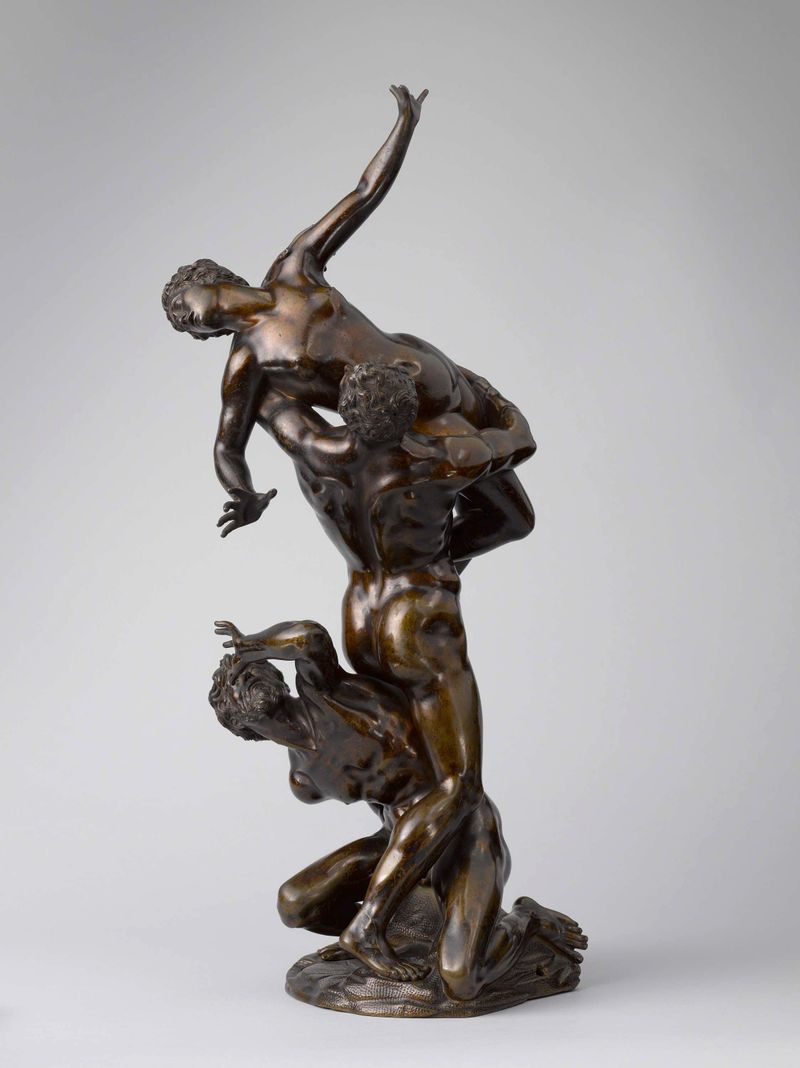
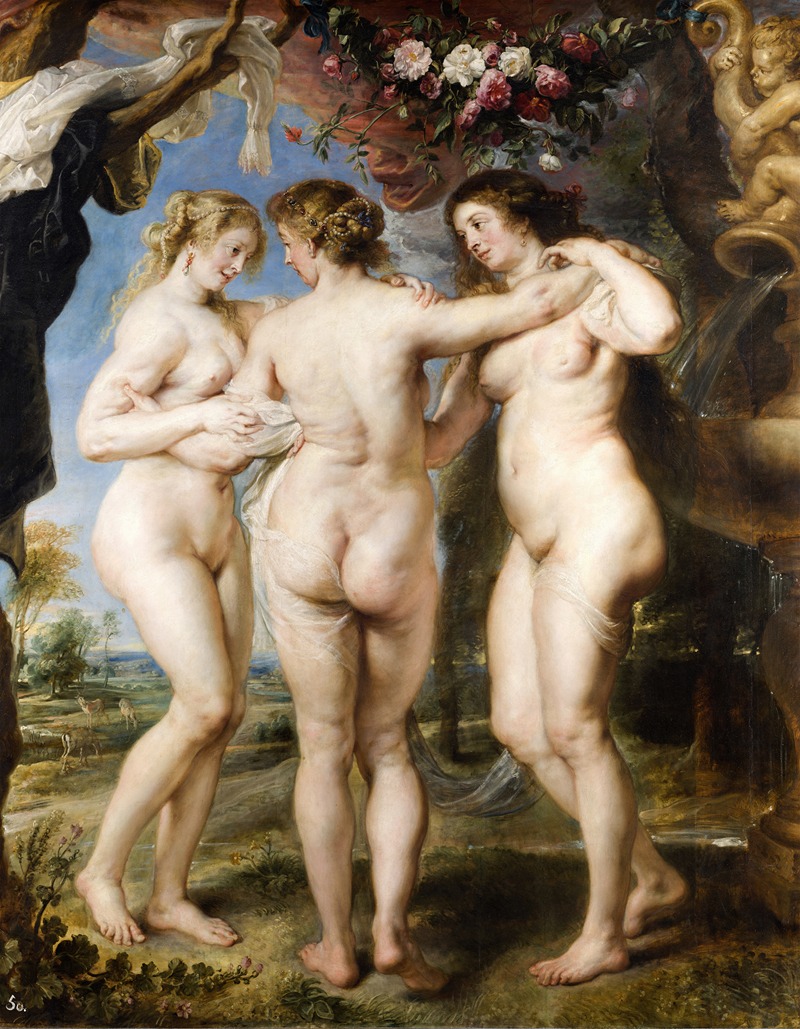
Can beauty exist without sorrow? In Venus en Amor, the delicate balance between allure and melancholy is palpable, inviting contemplation of love's bittersweet nature. Focus first on the serene expression of Venus, her downcast gaze a stark contrast to the vibrant palette surrounding her. Notice the soft, ethereal light that caresses her skin, enhancing the warmth of flesh tones while casting gentle shadows that hint at her inner turmoil. The lush, verdant background symbolizes fertility and life, yet it feels a touch foreboding, as if nature itself mourns the fleeting nature of beauty. The intertwining forms in the composition suggest intimacy, yet distance lingers; the figures draw close yet feel worlds apart.
The flowers in Venus's hair, beautiful yet ephemeral, signify the transient nature of love and the inevitable pain of loss. The presence of Cupid, with his playful yet piercing gaze, adds layers of complexity—his arrow bears both the promise of passion and the threat of heartache. Here, the viewer senses a tension between desire and the fragility of affection, an exploration of love’s duality. Created in 1506, during a time of personal and artistic evolution for the artist, this work reflects Cranach's fascination with classical themes reinterpreted through a Northern European lens.
Amid the socio-political changes of the Renaissance, he navigated a rich landscape of ideas, where beauty often coexisted with a deep awareness of human vulnerability.
More Artworks by Lucas Cranach (I)
Browse all →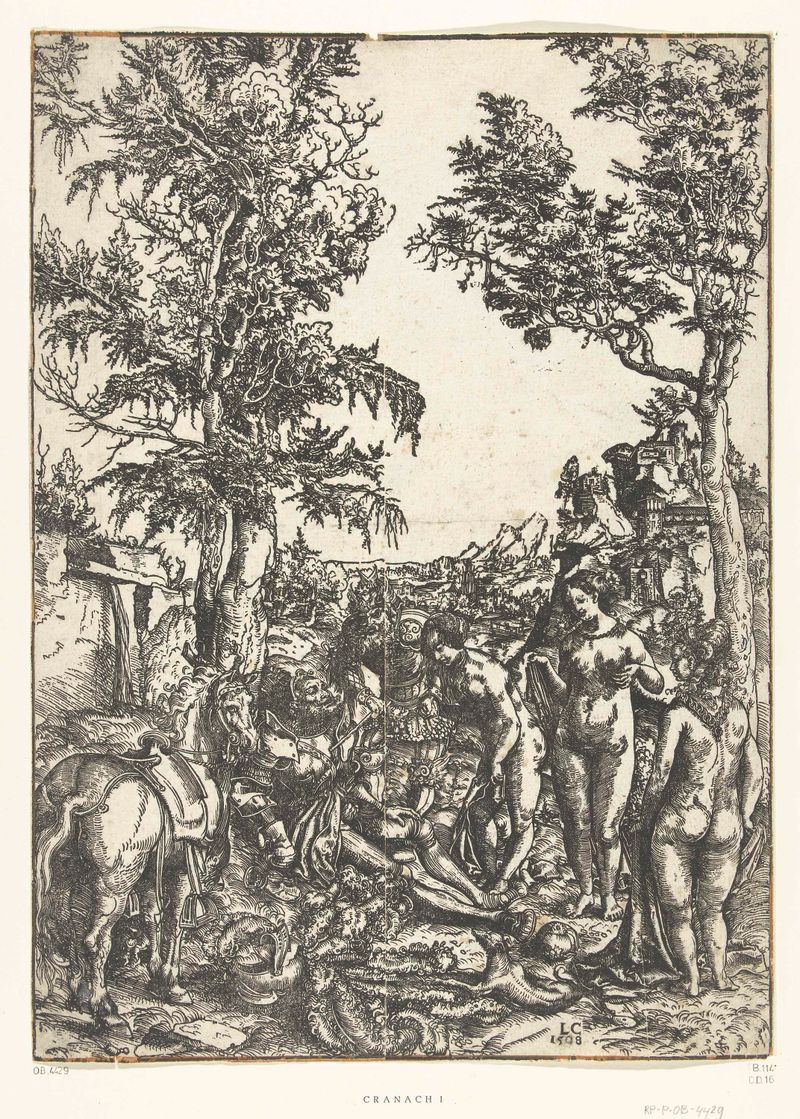
Oordeel van Paris
Lucas Cranach (I)
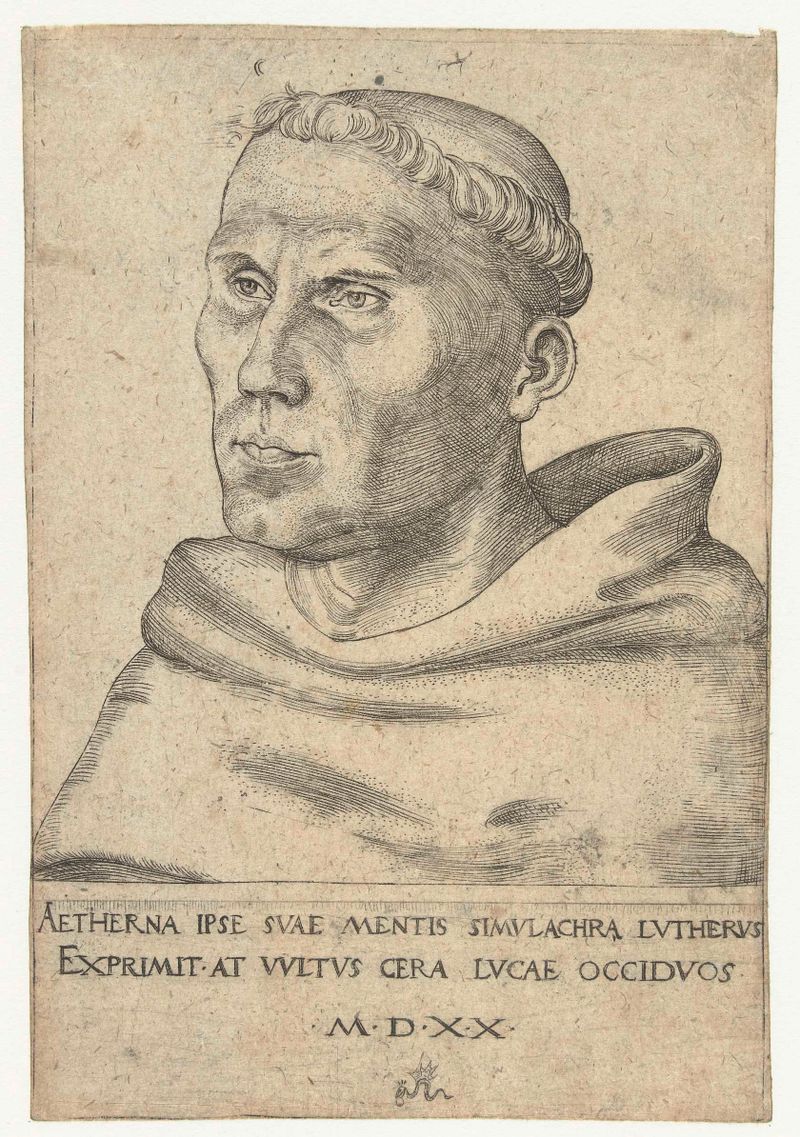
Portret van Martin Luther als Augustijner monnik
Lucas Cranach (I)
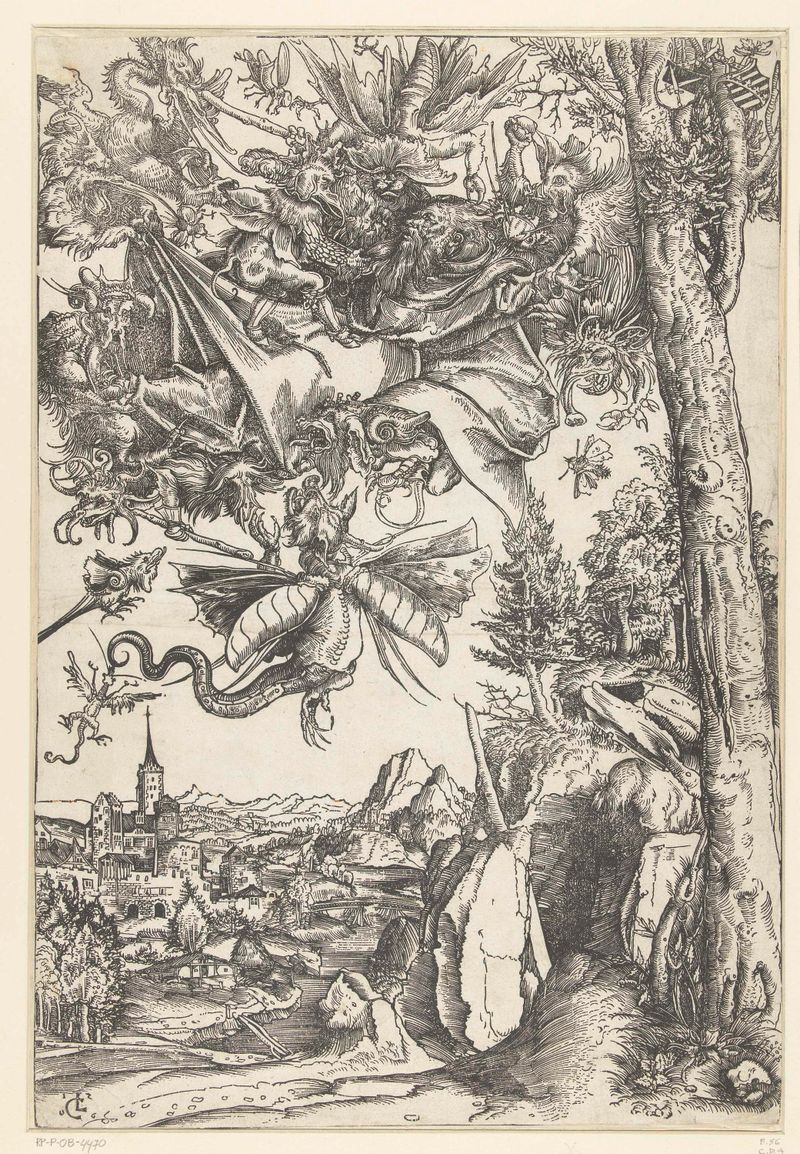
Verzoeking van Antonius met aanval door demonen
Lucas Cranach (I)

Christus en de Samaritaanse vrouw
Lucas Cranach (I)

Duits toernooi met twee edelmannen als ridders te paard
Lucas Cranach (I)
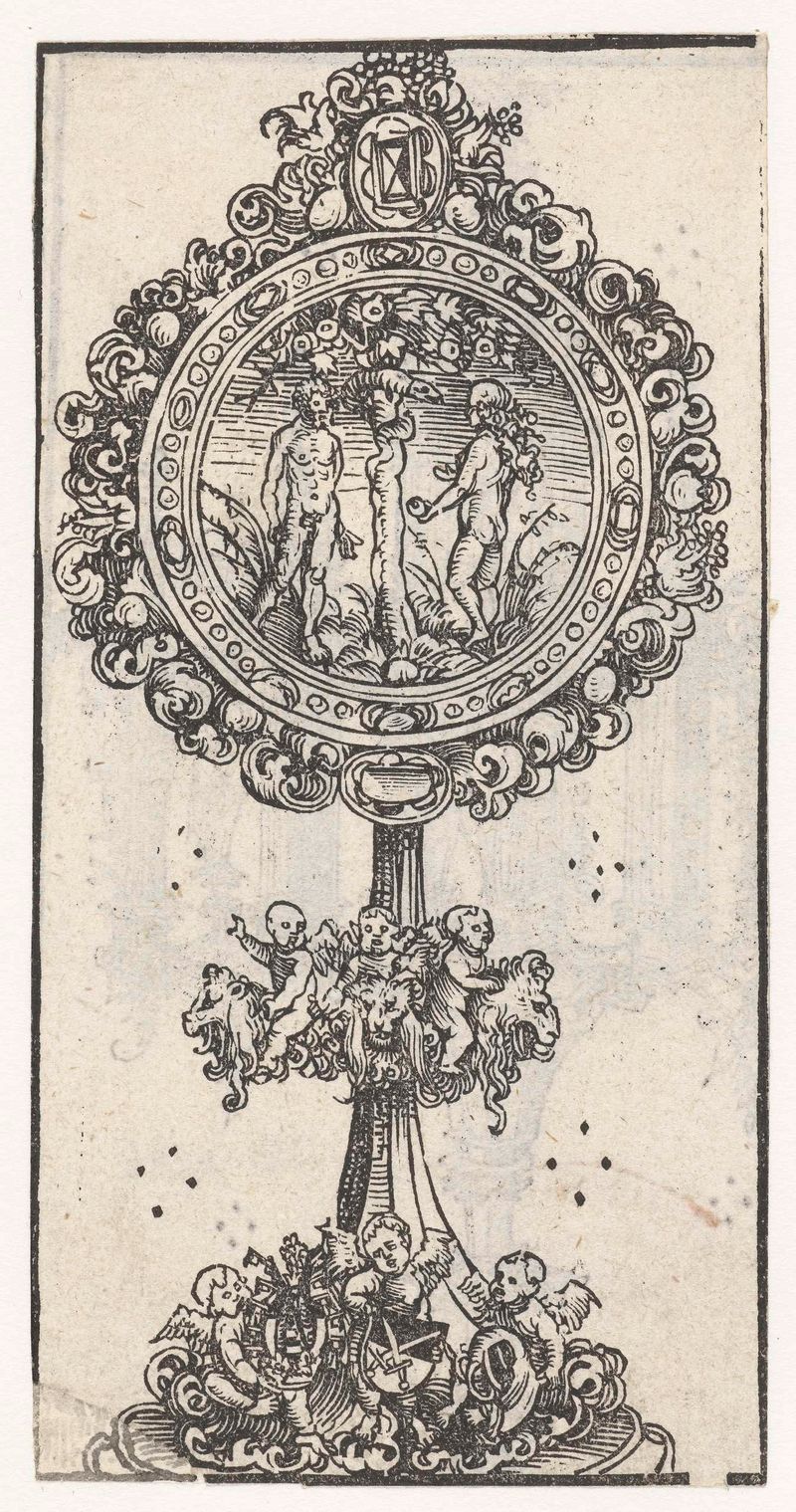
Reliekhouder met de verzoeking van Adam en Eva
Lucas Cranach (I)

Intocht van Christus in Jerusalem
Lucas Cranach (I)
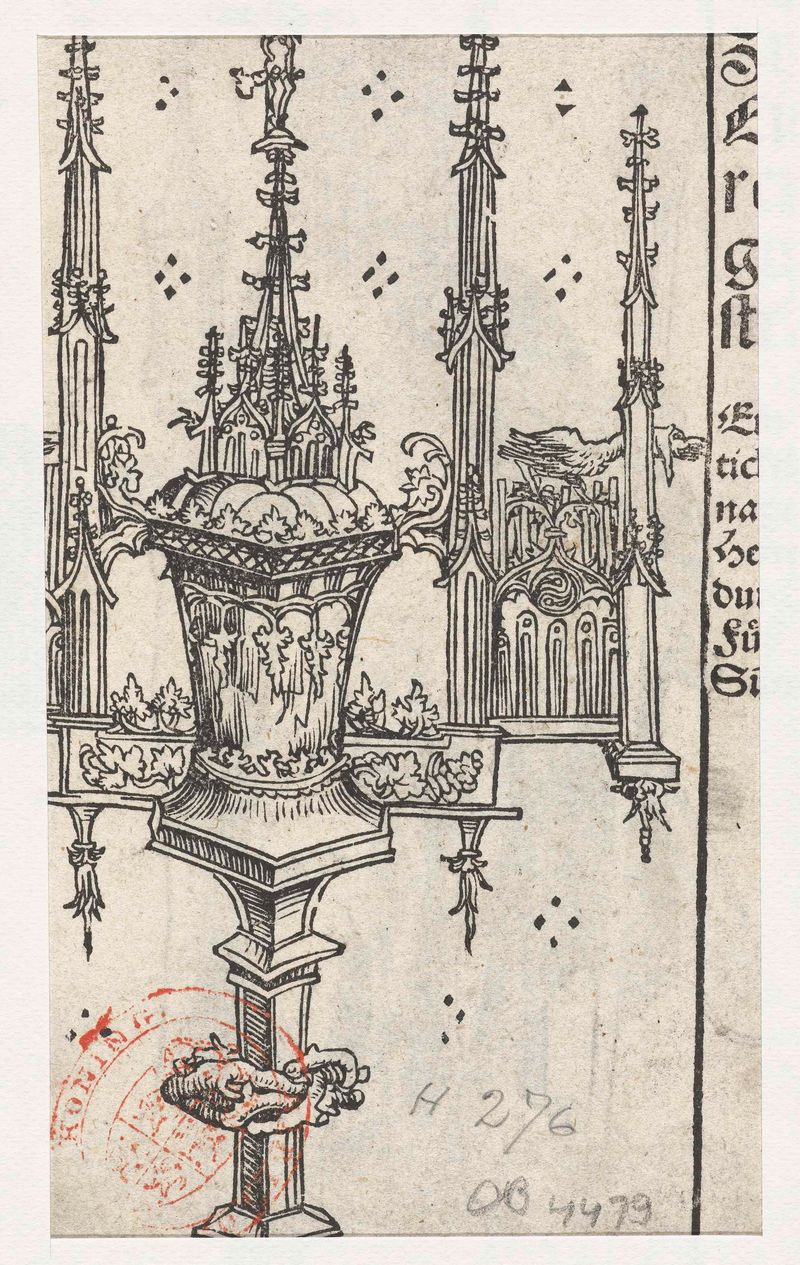
Monstrans met vogel (pelikaan)
Lucas Cranach (I)
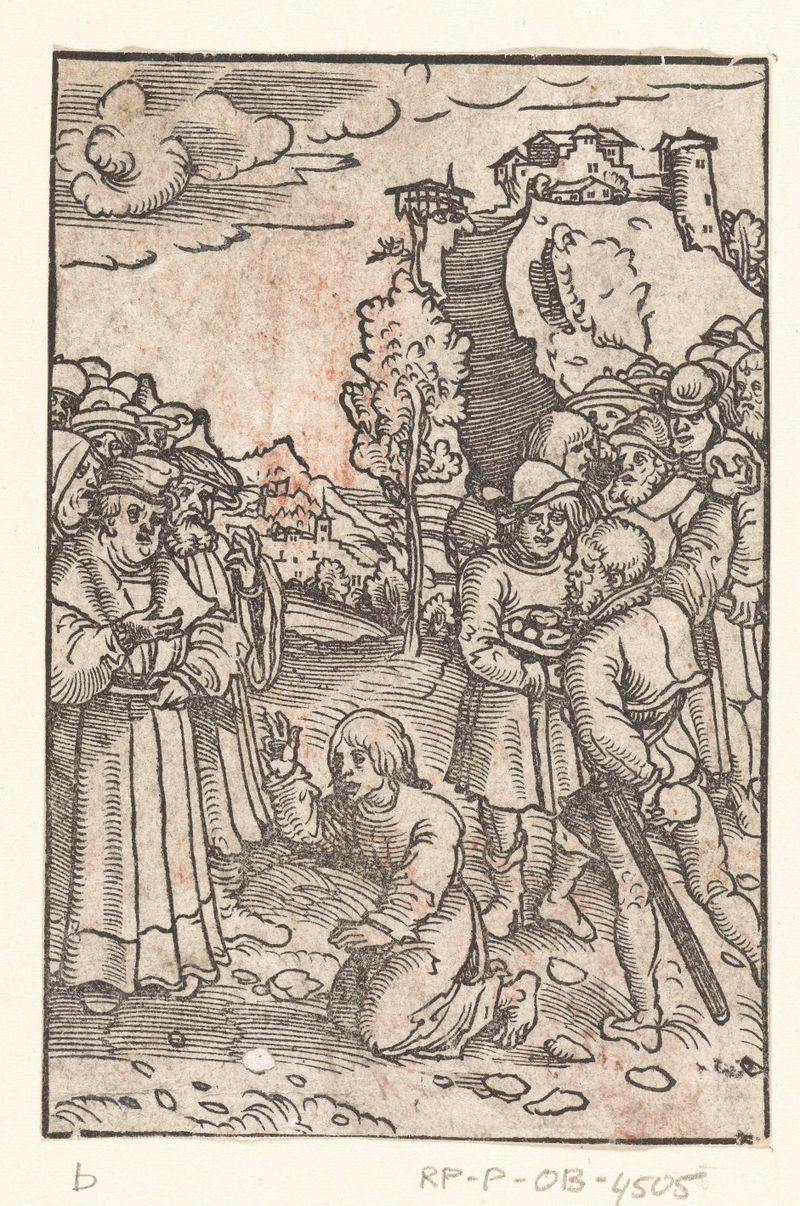
Steniging van Stefanus
Lucas Cranach (I)
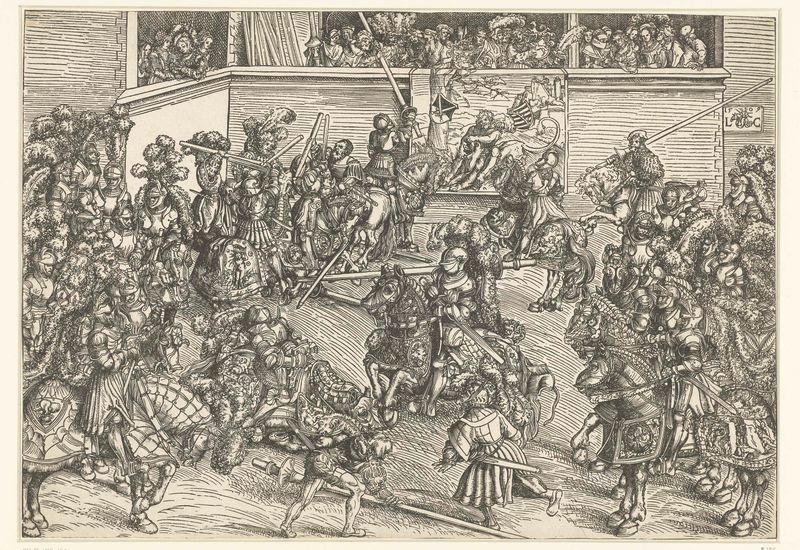
Toernooi van het keurvorstelijk hof van Saksen met wandtapijt Simson doodt de leeuw
Lucas Cranach (I)