Venus en Amor — History & Facts
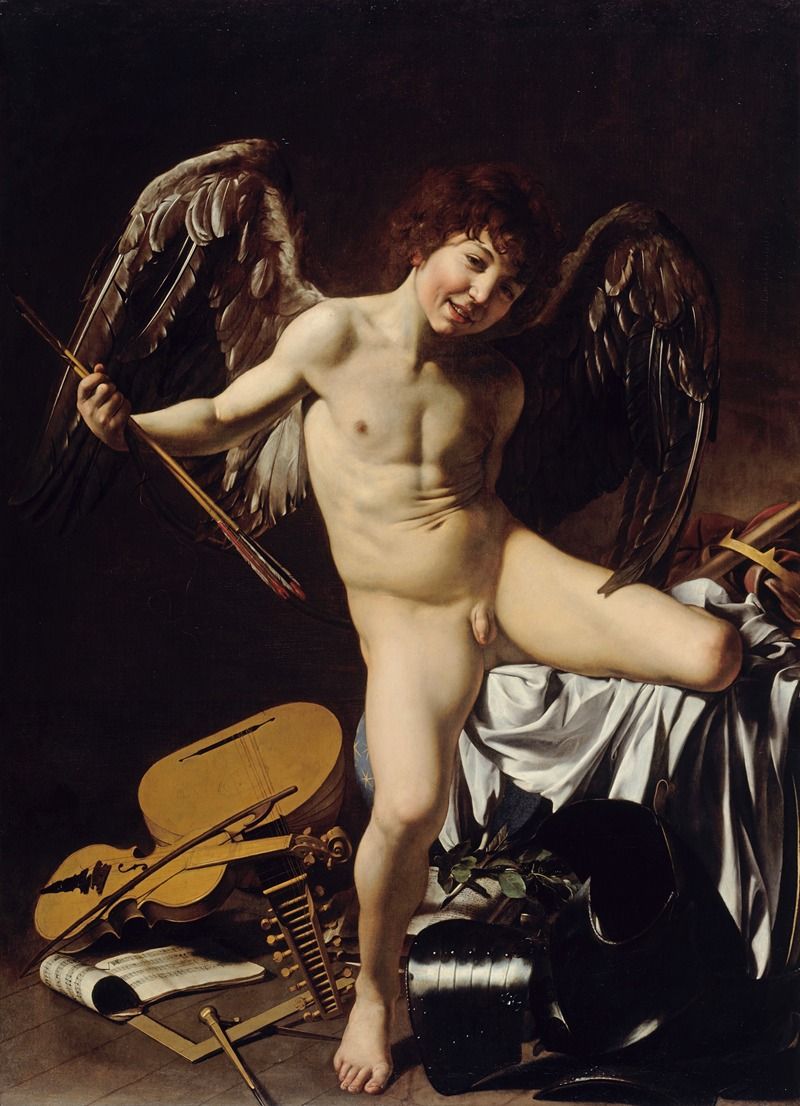
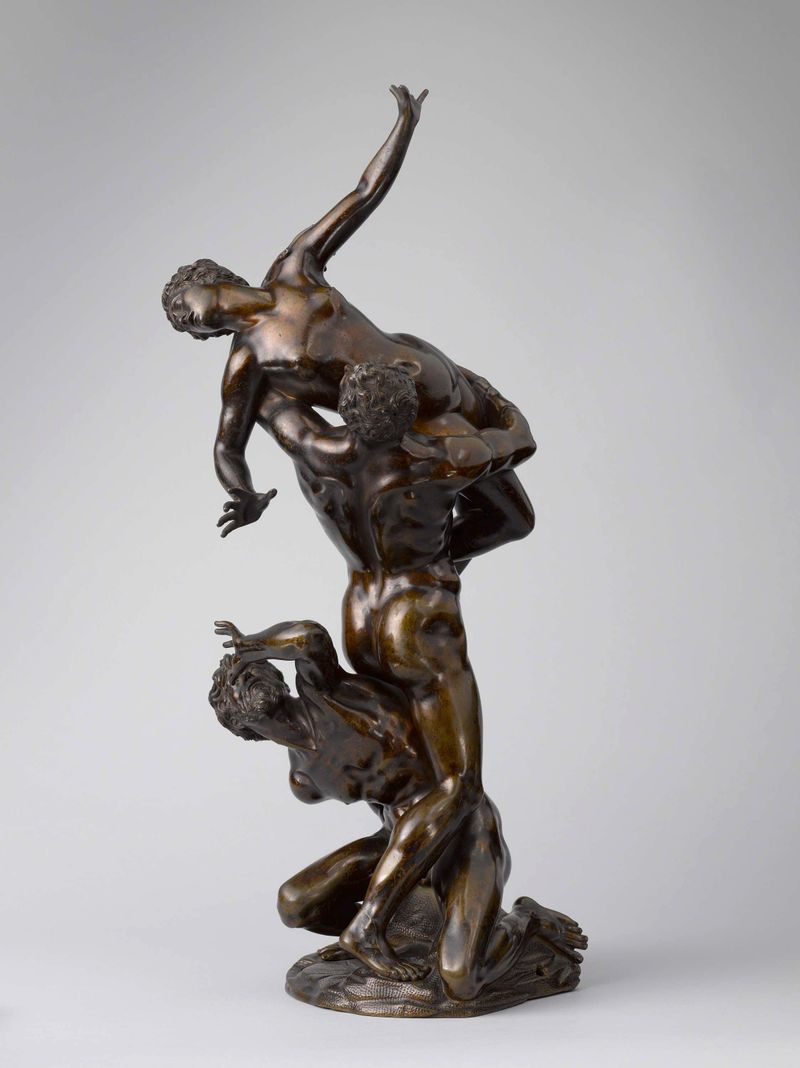
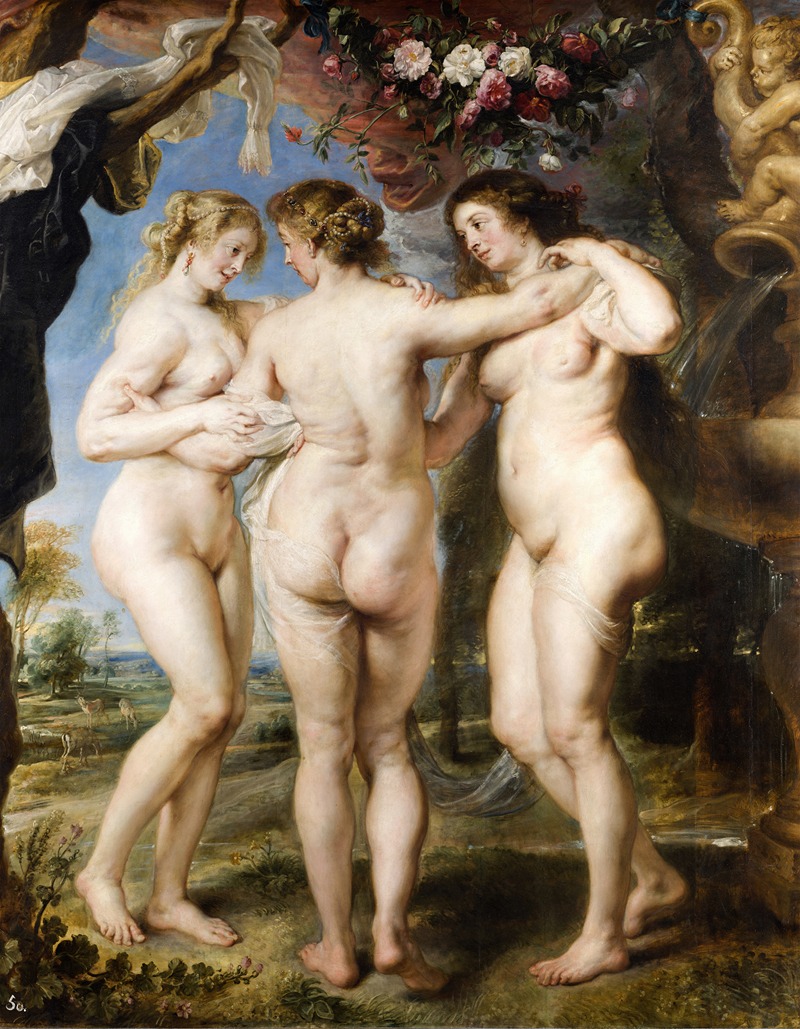
Is this a mirror — or a memory? In Venus en Amor, the viewer encounters a moment suspended in time, where desire flirts with the sacred, invoking a sense of faith in love's enduring power. Look to the left at the alluring figure of Venus, draped in soft, flowing fabrics that echo her divine grace. Notice the gentle blush of her skin, illuminated by a warm, golden light that enhances her ethereal beauty. The intricate details of her flowing hair and the delicate flowers she holds draw the eye into her world, revealing layers of emotion and intention.
The composition balances her figure against the rich, dark background, creating a striking contrast that heightens her otherworldly presence. Beneath the surface, this artwork intertwines themes of sensuality and spirituality. Venus, often associated with earthly love, here embodies a more profound faith in love's transformative nature, suggesting that desire can lead to enlightenment. The flowers she grasps symbolize love's fleeting yet cherished moments, while the soft gaze she offers evokes a sense of longing and connection, prompting questions about the nature of divine affection.
These details resonate, drawing us into an exploration of love as both a sensual experience and a spiritual journey. Created in 1506, this piece reflects the early Renaissance period's embrace of humanism and classicism. Cranach, a key figure in the Northern Renaissance, painted during a time of profound artistic and cultural change in Germany. His integration of mythological themes and rich symbolism in Venus en Amor speaks to a growing interest in exploring the complexities of human emotions, particularly love, against the backdrop of a shifting societal landscape.
More Artworks by Lucas Cranach (I)
Browse all →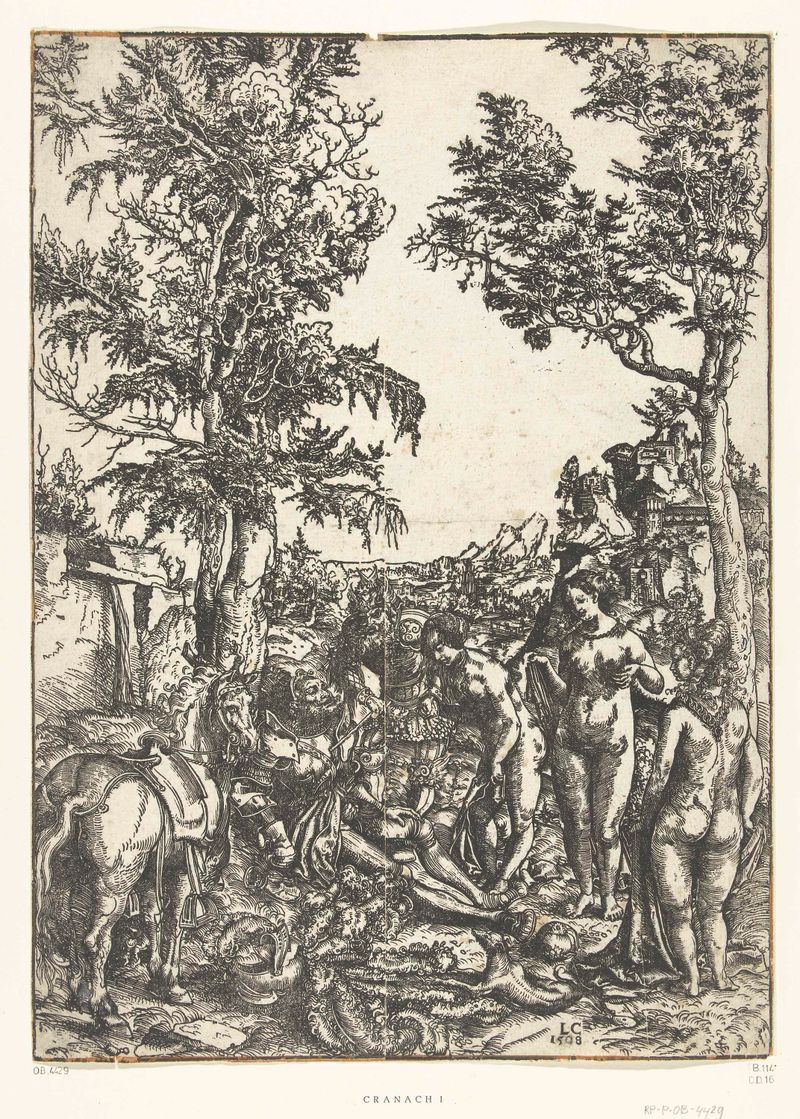
Oordeel van Paris
Lucas Cranach (I)
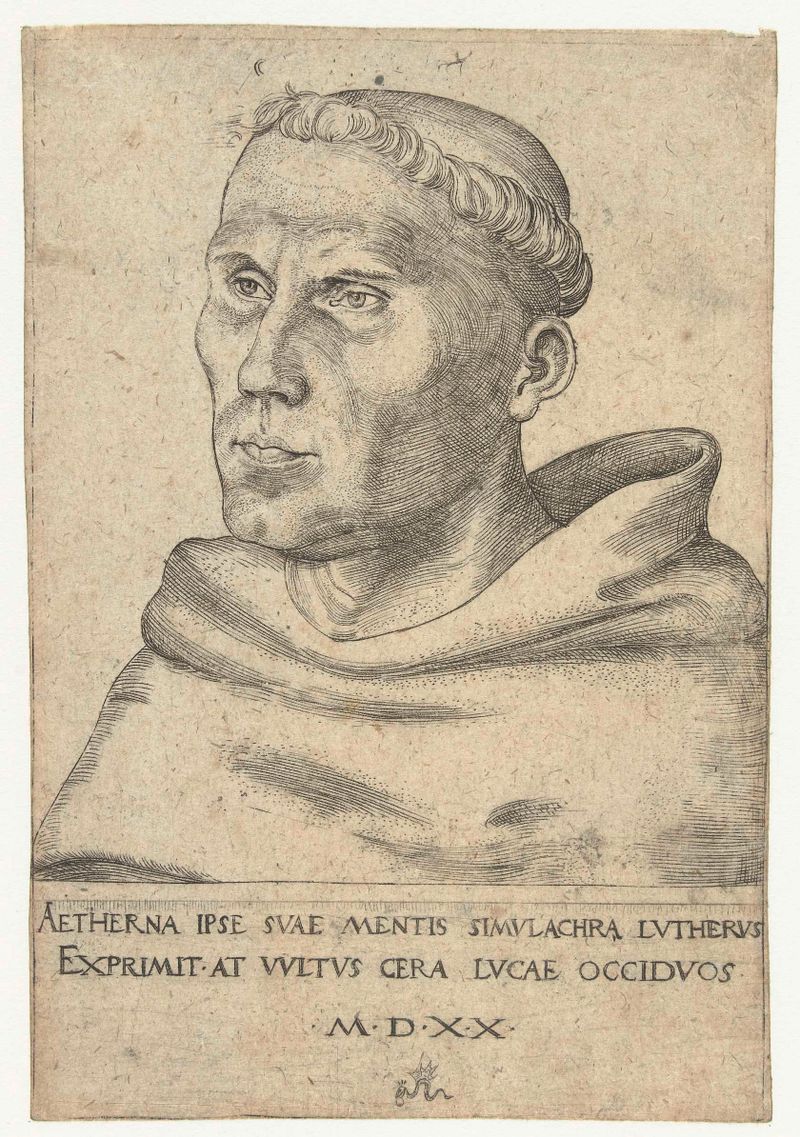
Portret van Martin Luther als Augustijner monnik
Lucas Cranach (I)
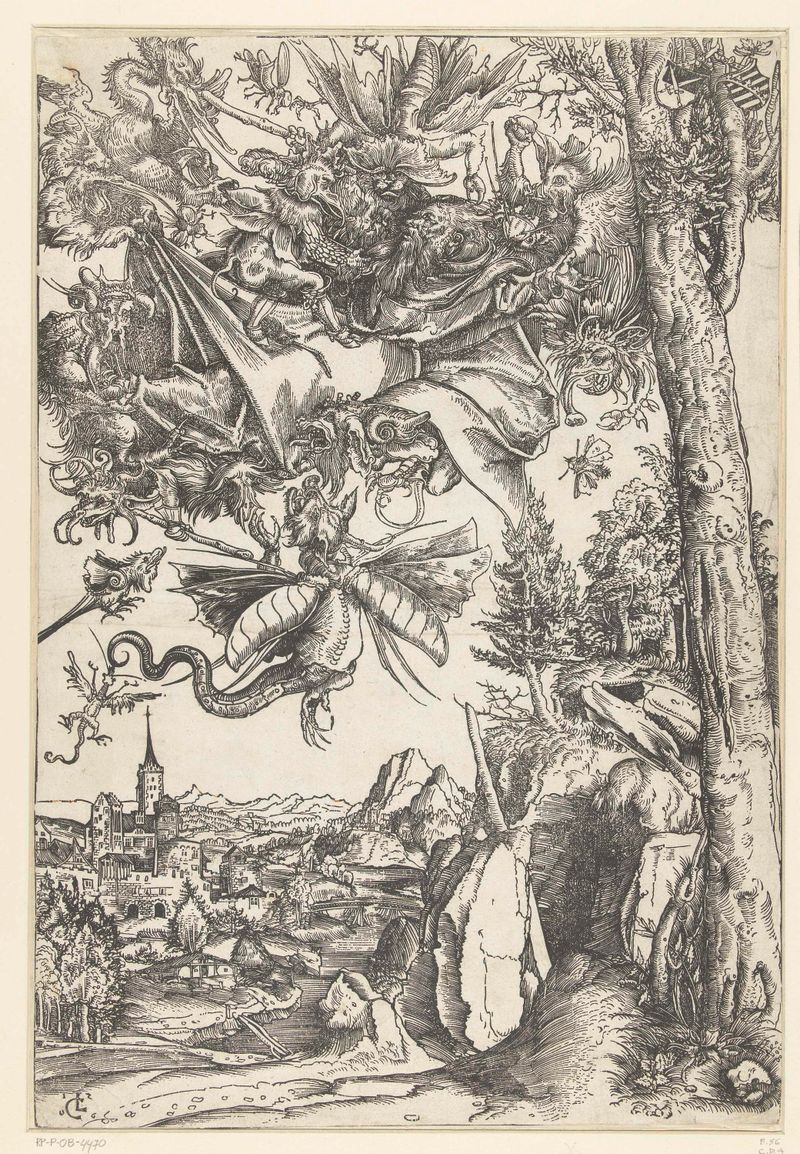
Verzoeking van Antonius met aanval door demonen
Lucas Cranach (I)

Christus en de Samaritaanse vrouw
Lucas Cranach (I)

Duits toernooi met twee edelmannen als ridders te paard
Lucas Cranach (I)
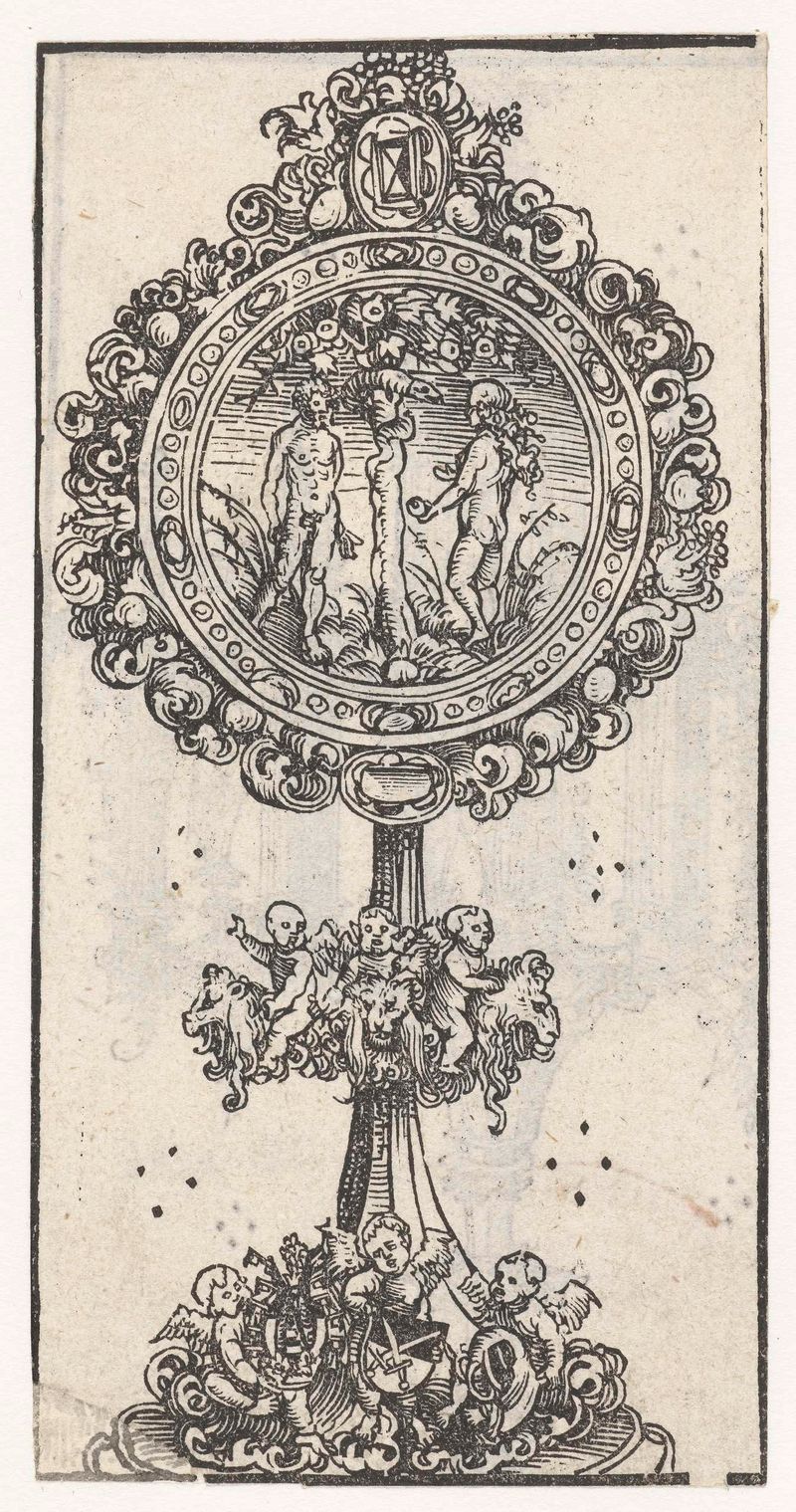
Reliekhouder met de verzoeking van Adam en Eva
Lucas Cranach (I)

Intocht van Christus in Jerusalem
Lucas Cranach (I)
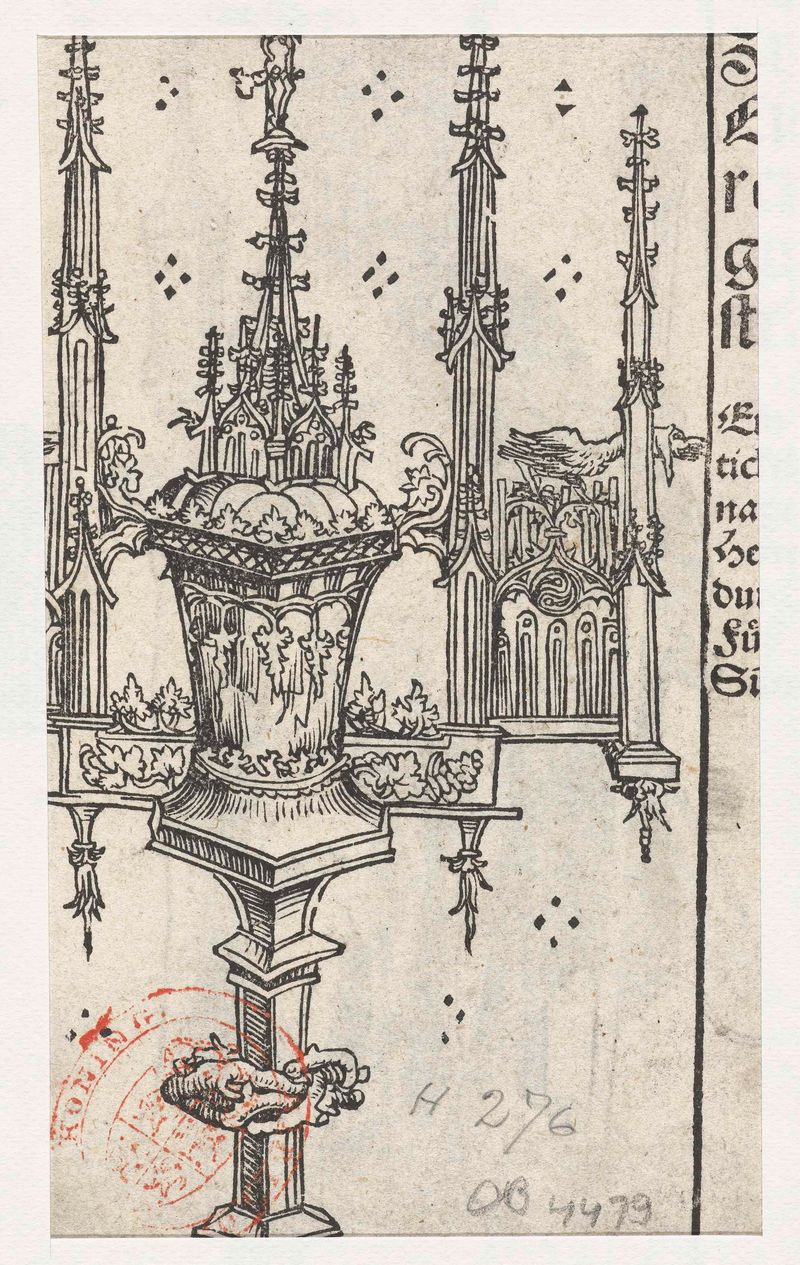
Monstrans met vogel (pelikaan)
Lucas Cranach (I)
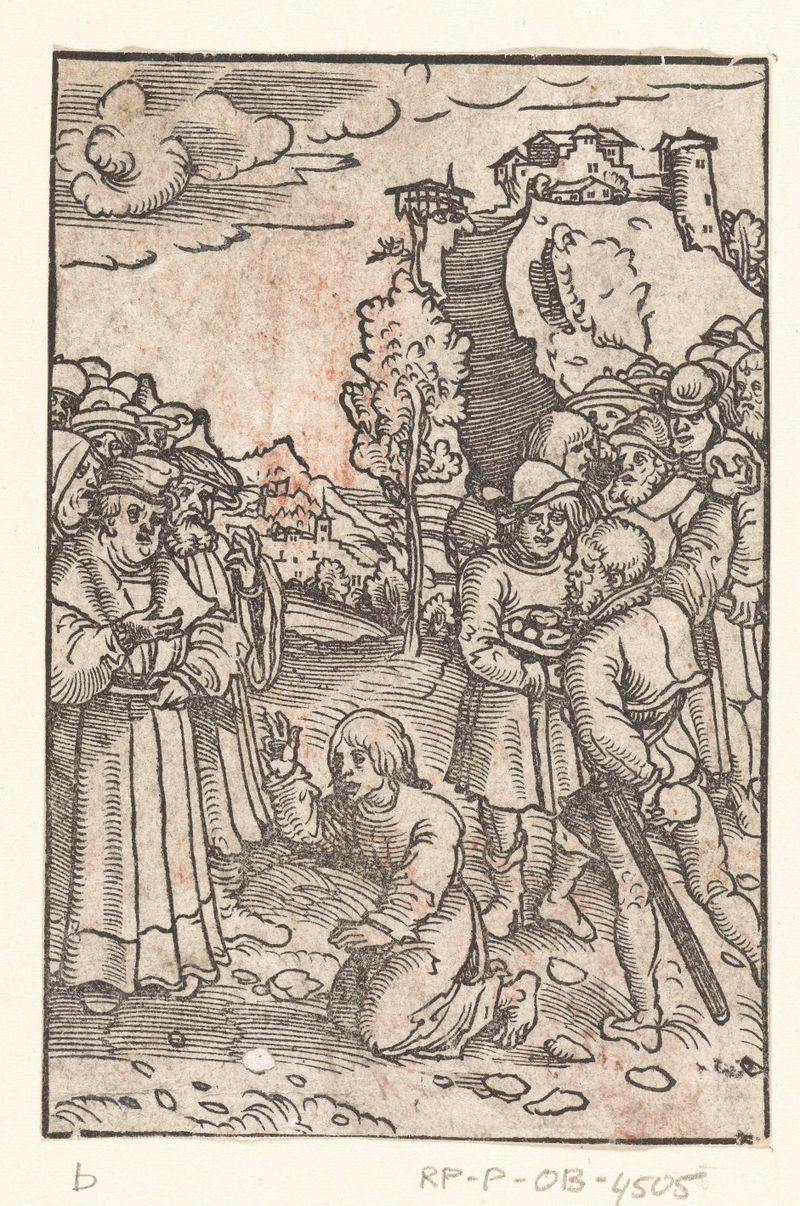
Steniging van Stefanus
Lucas Cranach (I)
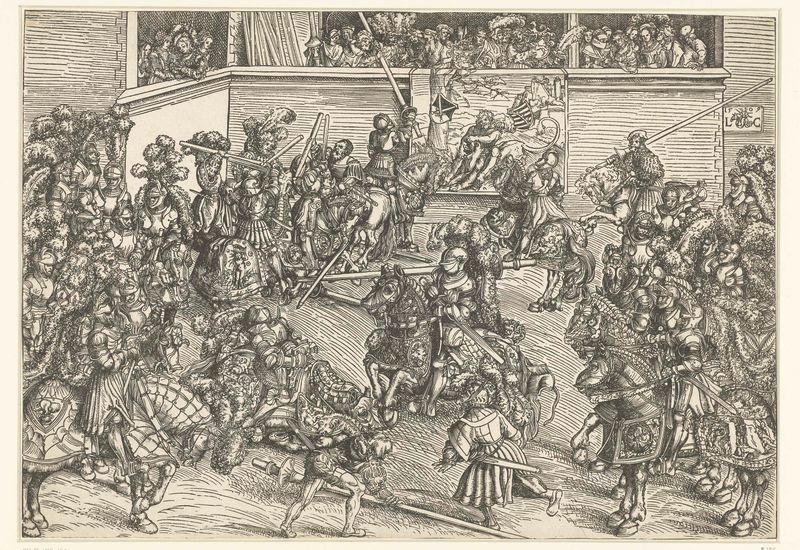
Toernooi van het keurvorstelijk hof van Saksen met wandtapijt Simson doodt de leeuw
Lucas Cranach (I)