
Verona — History & Facts
This sentiment resonates deeply within the intricate layers of Verona, where ecstasy and melancholy intertwine, transforming mere aesthetics into a poignant experience. Look to the center of the canvas, where a luminous golden hue radiates, drawing the eye towards an ethereal scene. The artist's deft brushwork creates a sense of movement among delicate figures, skillfully rendered in soft pastels. Notice how the light dances across their forms, highlighting the contours of their expressions, which oscillate between joy and longing.
The composition exudes a palpable rhythm, inviting viewers to lose themselves in the harmonious blend of color and form. Delving deeper, the contrast between light and shadow reveals nuanced emotions lurking beneath the surface. Each figure, though ensconced in beauty, carries an unspoken narrative of desire and sorrow, suggesting that ecstasy often comes at a price. The rich textures and subtle gradations hint at layers of meaning, reflecting the complex interplay between fulfillment and the pain that often accompanies it.
This duality creates a tension that resonates within the viewer, prompting a reflection on the nature of happiness. Created during a period spanning from 1888 to 1934, this work reflects a time of great change in both Grondhout's life and the art world at large. Influenced by the rise of modernist movements, the artist sought to capture the ephemeral beauty of human emotion, navigating his own experiences while addressing broader themes of existence. This painting stands as a testament to his exploration of aesthetic beauty intertwined with the human condition, a hallmark of his artistic journey.
More Artworks by Willem Adrianus Grondhout
Browse all →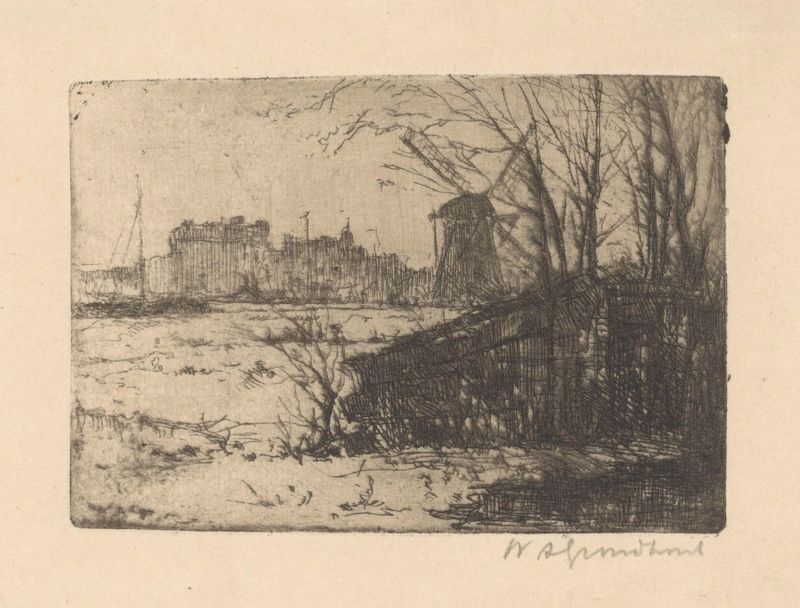
Landschap met molen in de Binckhorst in Den Haag
Willem Adrianus Grondhout
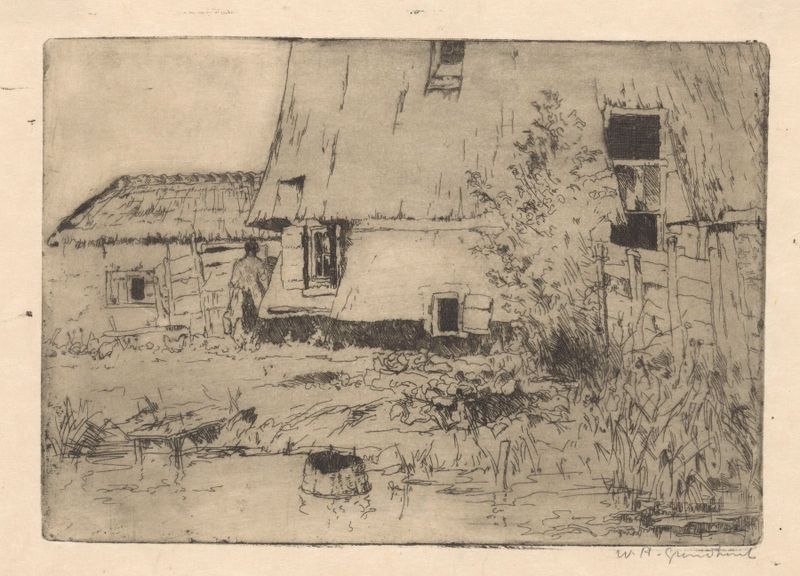
Voet van een molen in Voorburg
Willem Adrianus Grondhout
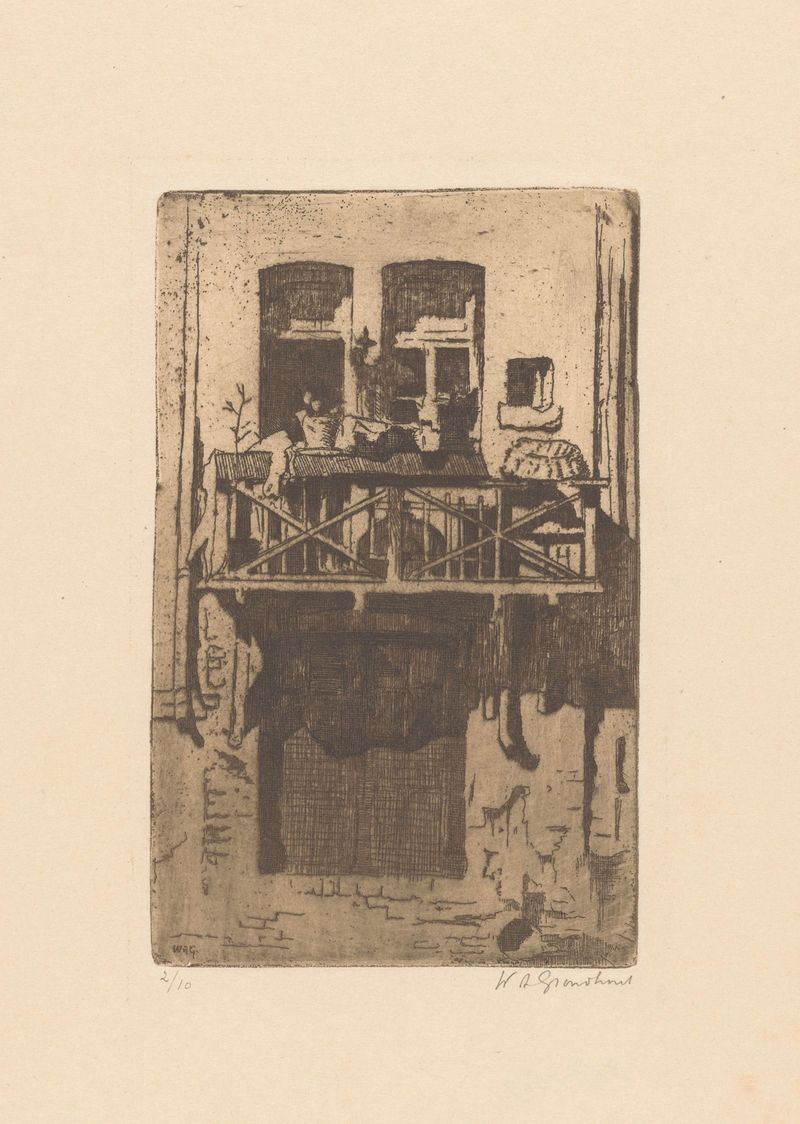
Balkon van een huis aan de Oudezijds Kolk in Amsterdam
Willem Adrianus Grondhout
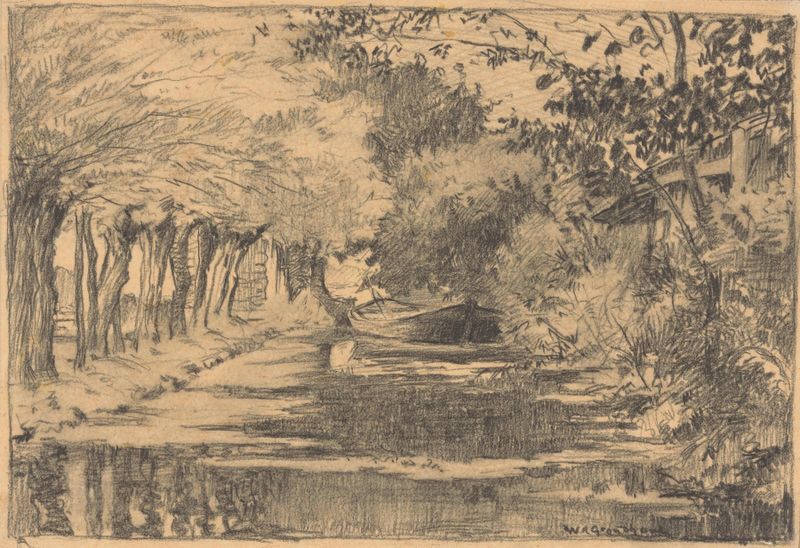
Broeksloot bij Voorburg
Willem Adrianus Grondhout
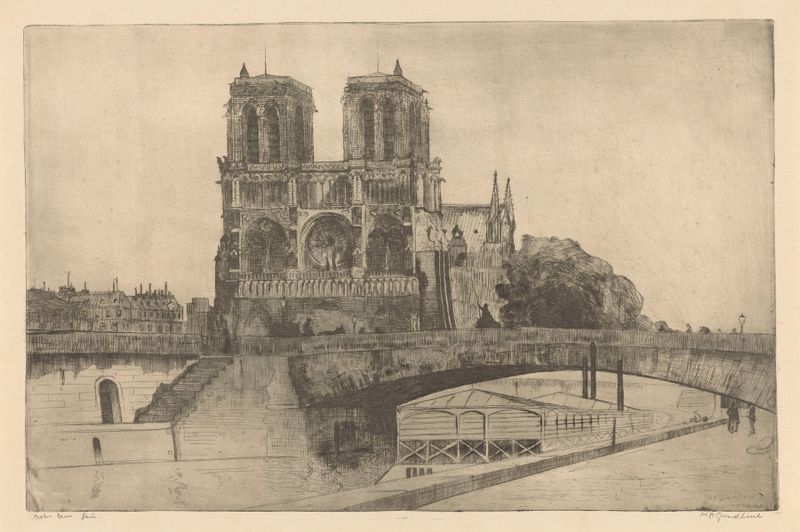
Notre-Dame, Paris
Willem Adrianus Grondhout
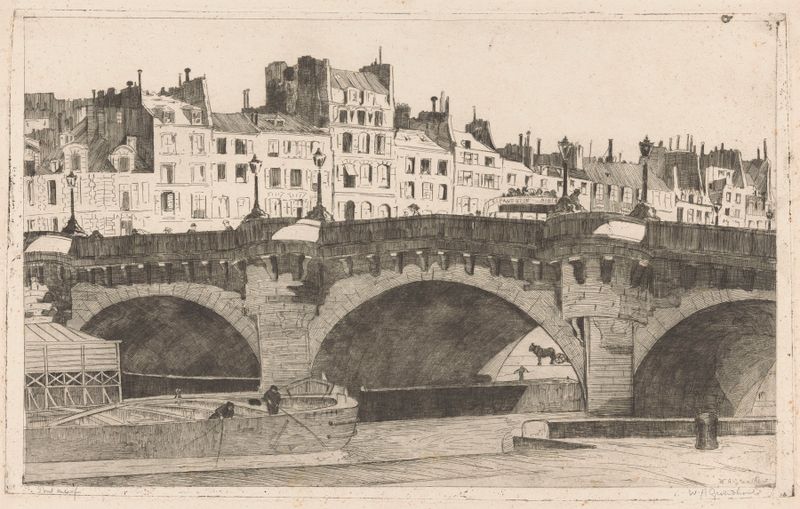
Pont Neuf
Willem Adrianus Grondhout
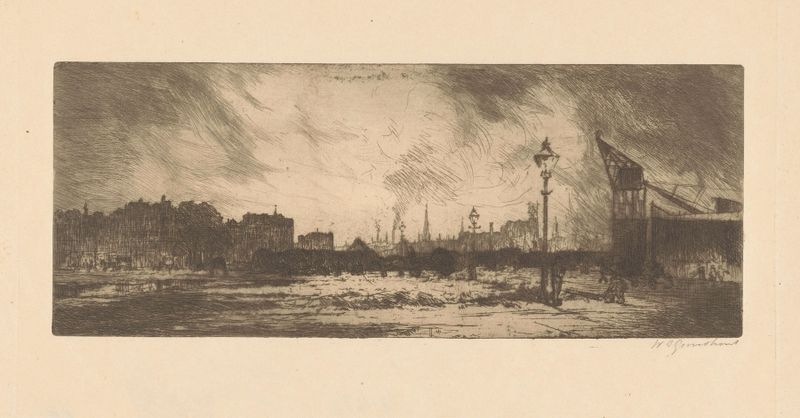
Havenkade met lantaarnpalen in Rotterdam
Willem Adrianus Grondhout
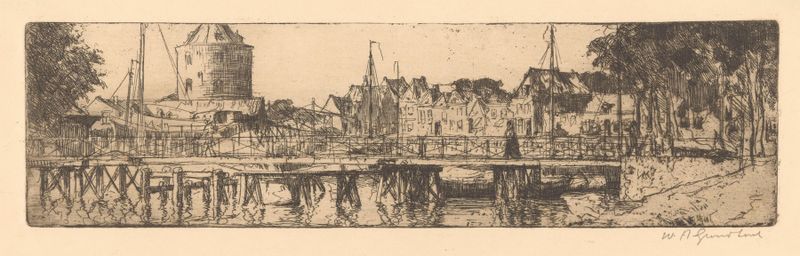
Enkhuizen
Willem Adrianus Grondhout
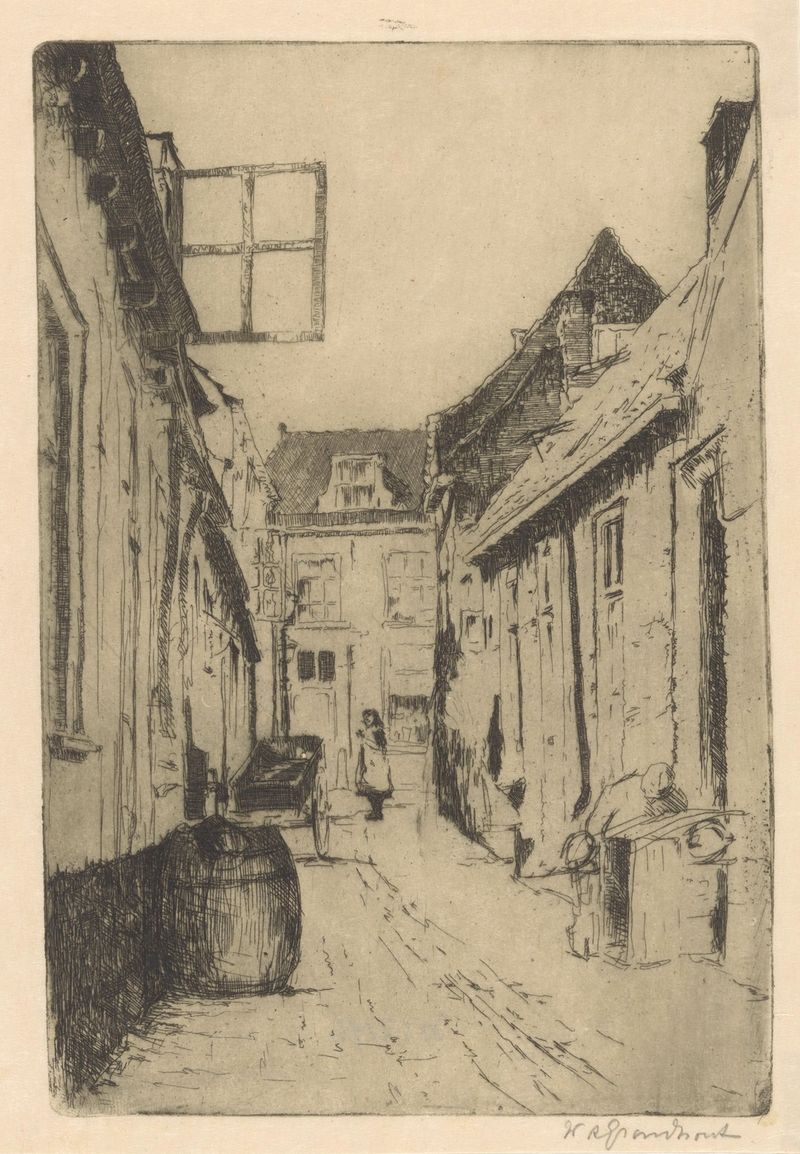
Straatje in Voorburg.
Willem Adrianus Grondhout
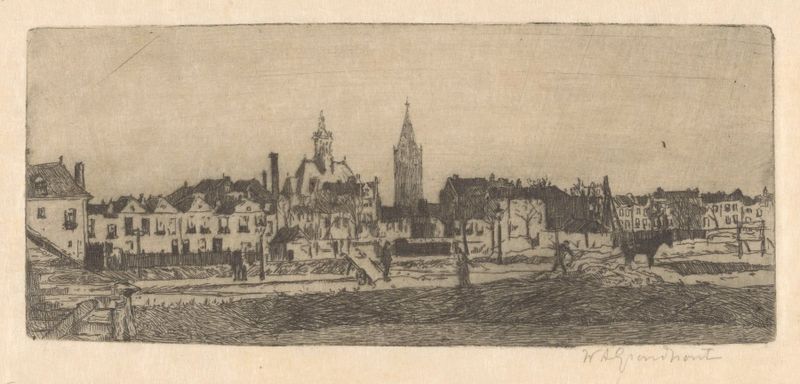
Delft
Willem Adrianus Grondhout





