
Verschillende koppen van mannen, dieren en mascarons — History & Facts
In the intricate tapestry of Bartholomeus Breenbergh's Verschillende koppen van mannen, dieren en mascarons, the act of creation becomes a vessel for awakening, bridging the past and present with each brushstroke. Look to the left, where the soulful gaze of a bearded man captures your attention, his expression a blend of wisdom and weariness. Notice how the light cascades over his features, accentuating the textures of his skin, while the delicate outlines of animals and mascarons blend seamlessly into the composition. Each head, rendered with meticulous detail, invites you to engage with a myriad of emotions, as rich earth tones swirl together, crafting a harmonious yet dynamic visual balance. Delve deeper into the complexity of this artwork, where the juxtaposition of human and animal forms suggests a profound exploration of identity and the interconnectedness of all beings.
The masks, with their exaggerated features, evoke a sense of playfulness that contrasts with the somber expressions of the men—hinting at the duality of existence itself. Each element speaks to the viewer, urging a reflection on the roles we play in the theater of life, merging joy and sorrow with equal weight. In 1638, while residing in Rome, Breenbergh was deeply influenced by the flourishing artistic currents of the Baroque era. This was a time of great transformation in his life, as he grappled with his identity as a Dutch artist abroad.
The dialogue between light and shadow seen in this work reflects not only his mastery of technique but also his desire to connect with themes that transcend cultural boundaries, inviting viewers into a shared human experience.
More Artworks by Bartholomeus Breenbergh
Browse all →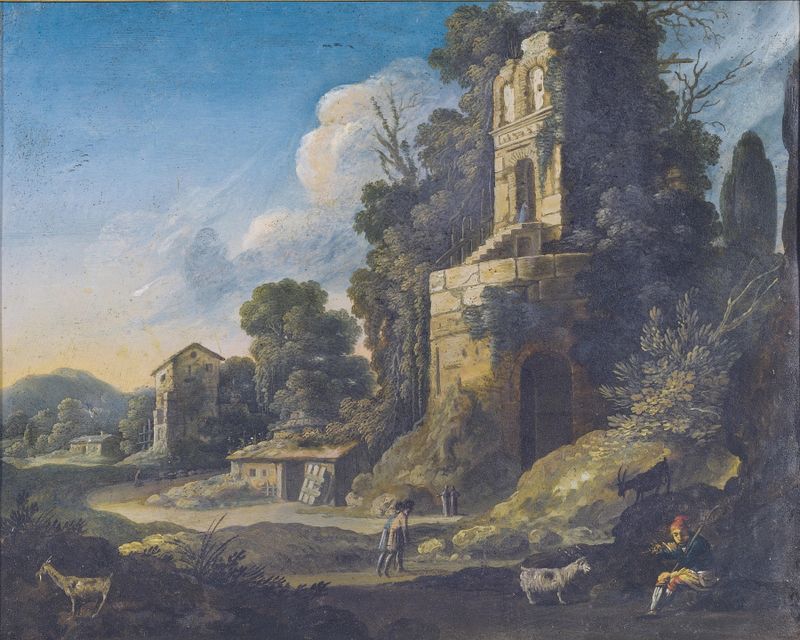
Italianate landscape with buildings and a herdsman playing pipes
Bartholomeus Breenbergh

Arcadian Landscape
Bartholomeus Breenbergh

Ruïnes van keizerlijk paleis te Rome
Bartholomeus Breenbergh

Ruïne van het Colosseum
Bartholomeus Breenbergh
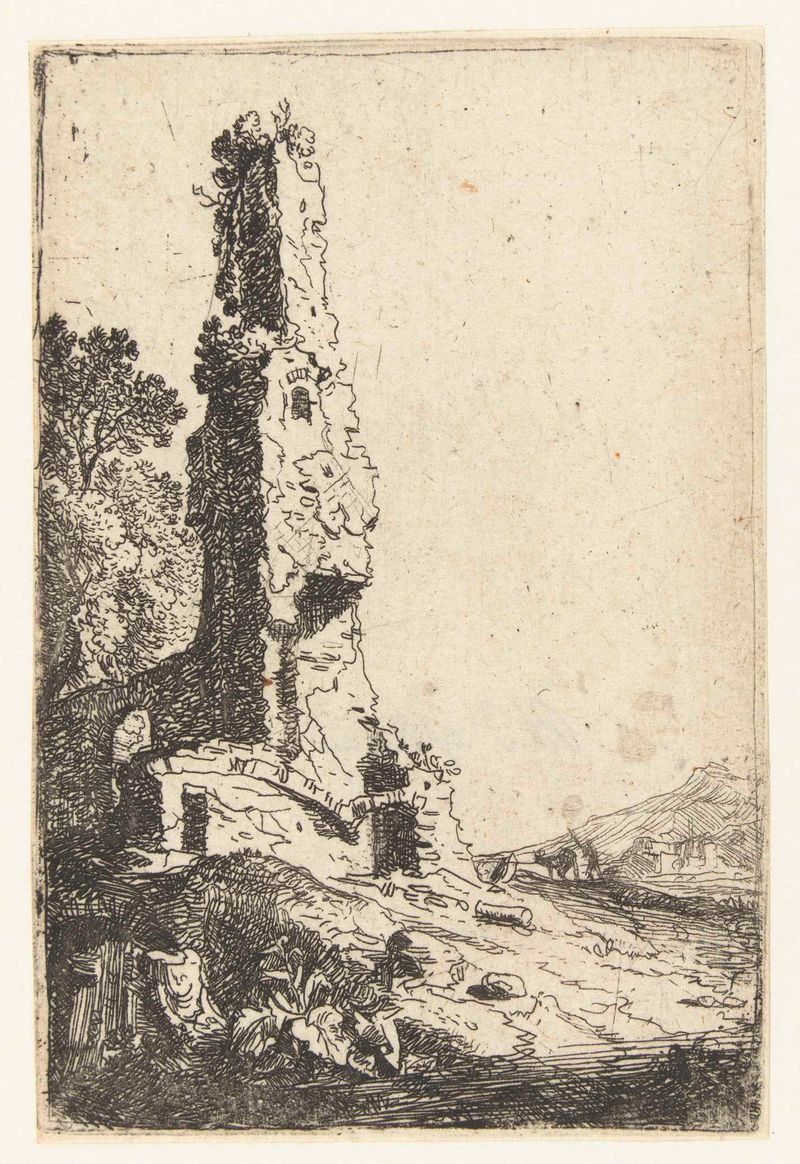
Ruïnes van de stadsmuren van Rome
Bartholomeus Breenbergh
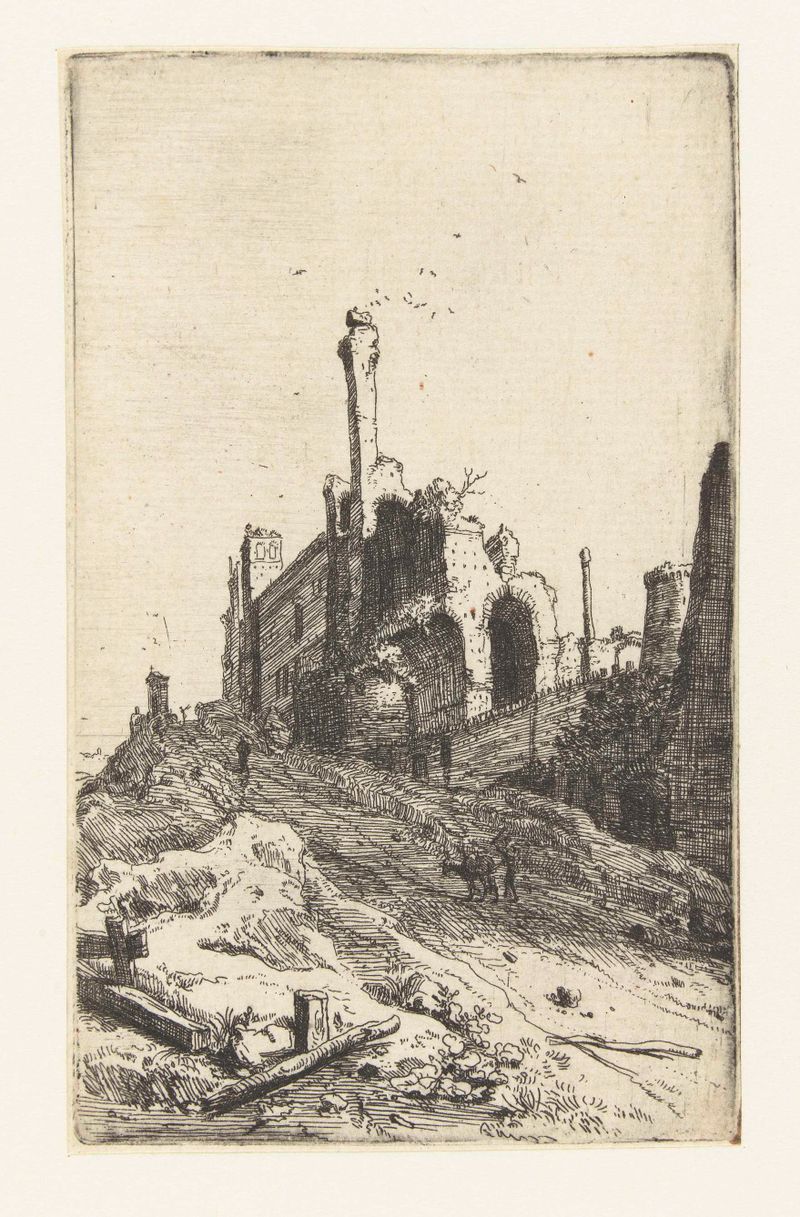
Ruïnes van een paleis te Tivoli
Bartholomeus Breenbergh

Figures Among Ruins By The Tiber
Bartholomeus Breenbergh

Italian Landscape with the Aurelian Wall
Bartholomeus Breenbergh
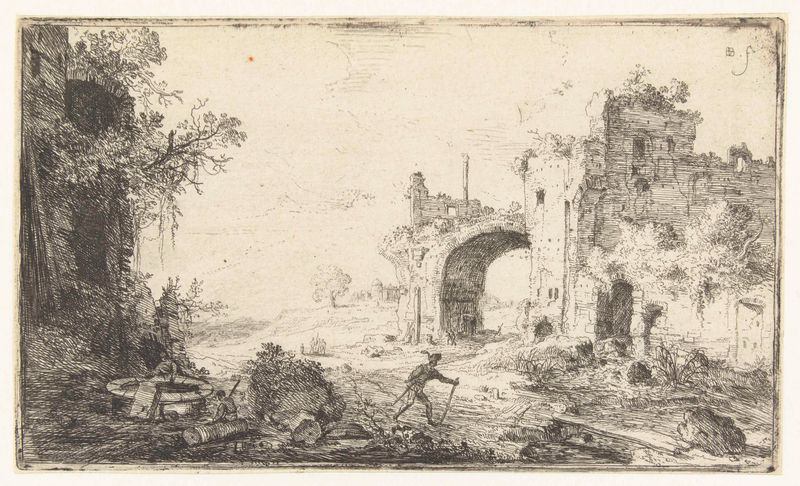
Ruïnes van de thermen van Caracalla
Bartholomeus Breenbergh
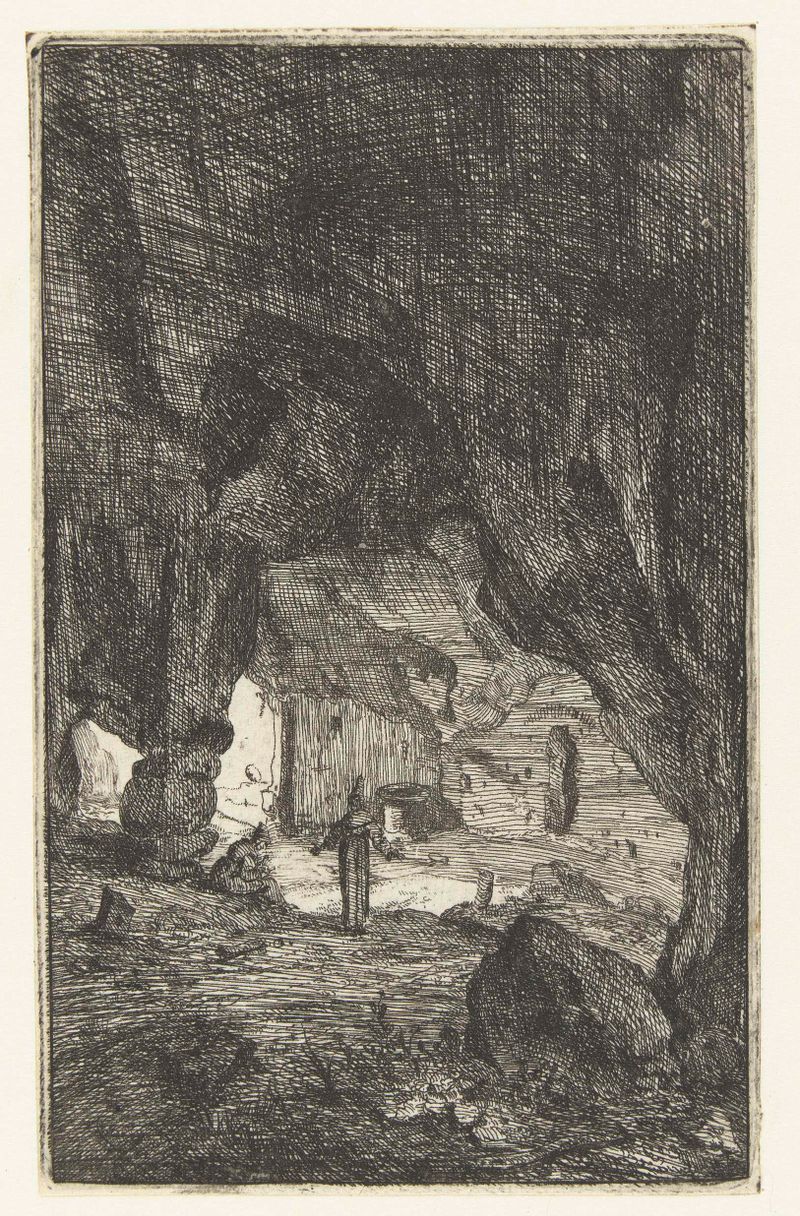
Interieur van een grot
Bartholomeus Breenbergh
More Portrait Art
Browse all →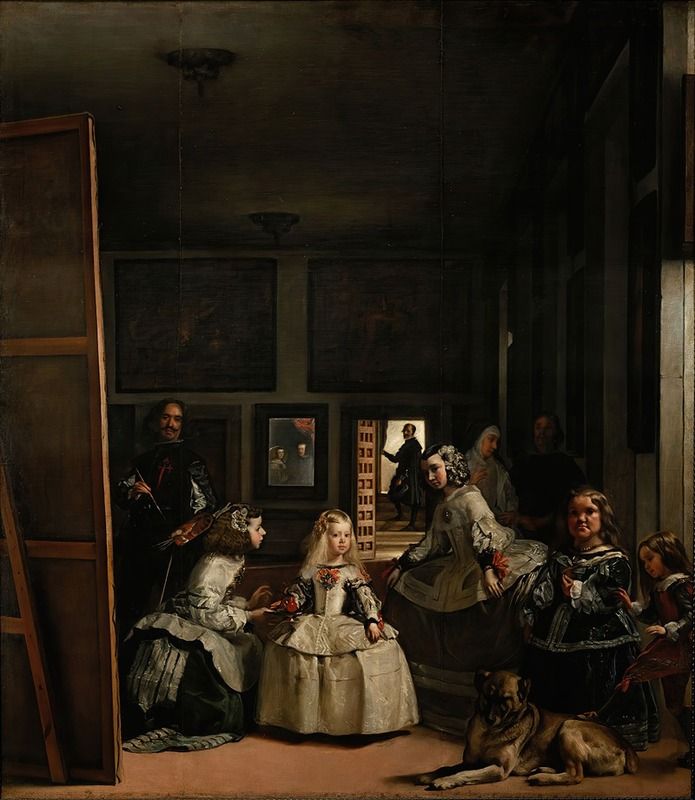
Las meninas
Diego Velázquez

Self-portrait with a Bandaged Ear and Pipe
Unidentified artist
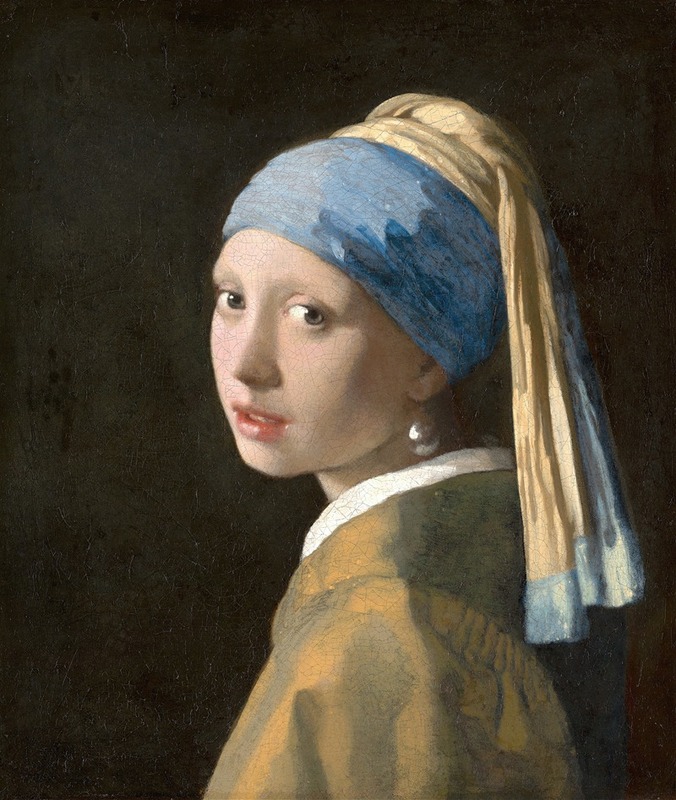
Girl with a Pearl Earring
Johannes Vermeer

The Sampling Officials of the Amsterdam Drapers’ Guild, Known as ‘The Syndics’
Rembrandt van Rijn

The Hundred Guilder Print: the man seen on the back in the lower left corner
Rembrandt van Rijn

Portrait of Dr Gachet
Vincent van Gogh