
Via Galluzza, Siena — History & Facts
In Via Galluzza, Siena, the brushstrokes resonate with an unspoken narrative of betrayal, cloaked in the quietude of a sunlit street. Focus on the warm hues that define the scene, where ochres and soft blues intertwine, creating a sense of intimacy and concealment. Look to the left at the textured stone walls, which stand sentinel-like, housing secrets from passing souls. Notice how the sunlight dapples the cobblestones, illuminating fragments of life while casting shadows that hint at untold stories lurking just beyond the viewer's reach. The juxtaposition of light and shadow evokes a tension between revelation and concealment.
The warmth of the colors invites you in, yet an underlying chill stirs the air, suggesting that not all is as it seems. There’s an almost palpable silence that envelops the street, hinting at the fragility of trust amidst the beauty of the setting. The bustling life of Siena is hinted at but never fully revealed—a choice that deepens the emotional complexity of the composition. Hermann Lismann created Via Galluzza, Siena in 1923 while living in Italy, a time when European art was transitioning between the tumult of war and the promise of modernism.
Influenced by the regional spirit of his surroundings, Lismann sought to capture the essence of everyday life, yet his choice to depict this quiet corner of Siena speaks to a larger contemplation of isolation and betrayal amidst the communal vibrancy of a historic city.
More Artworks by Hermann Lismann
Browse all →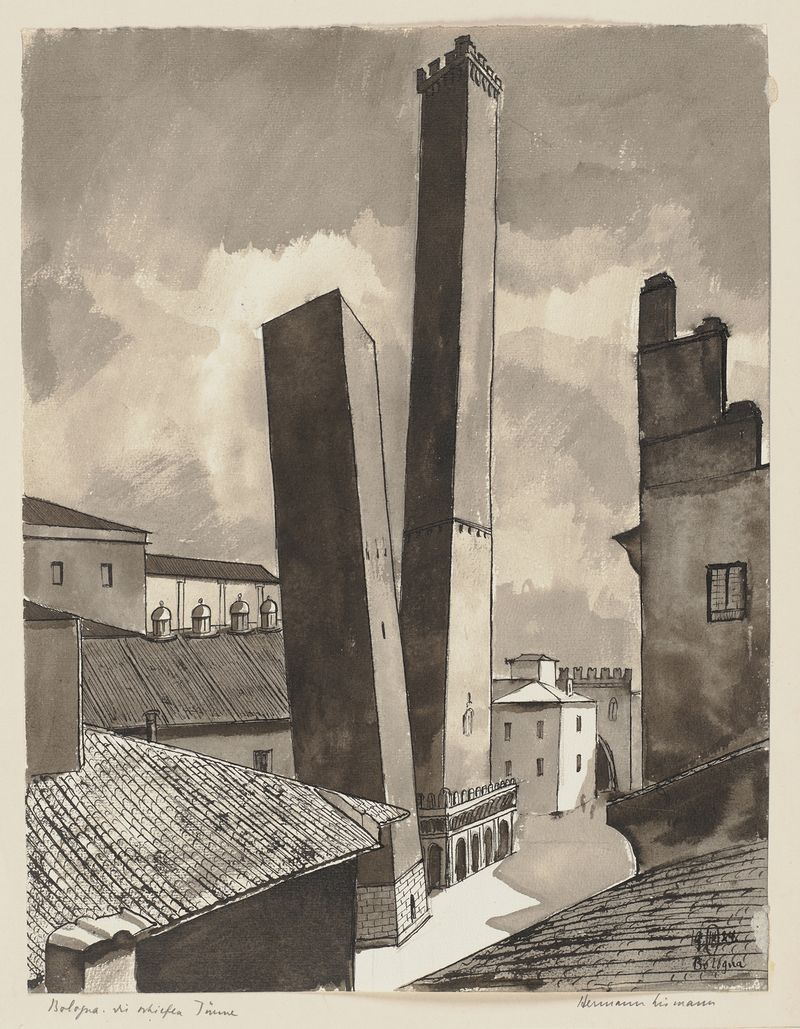
Die beiden Türme Garisenda und Asinelli in Bologna
Hermann Lismann
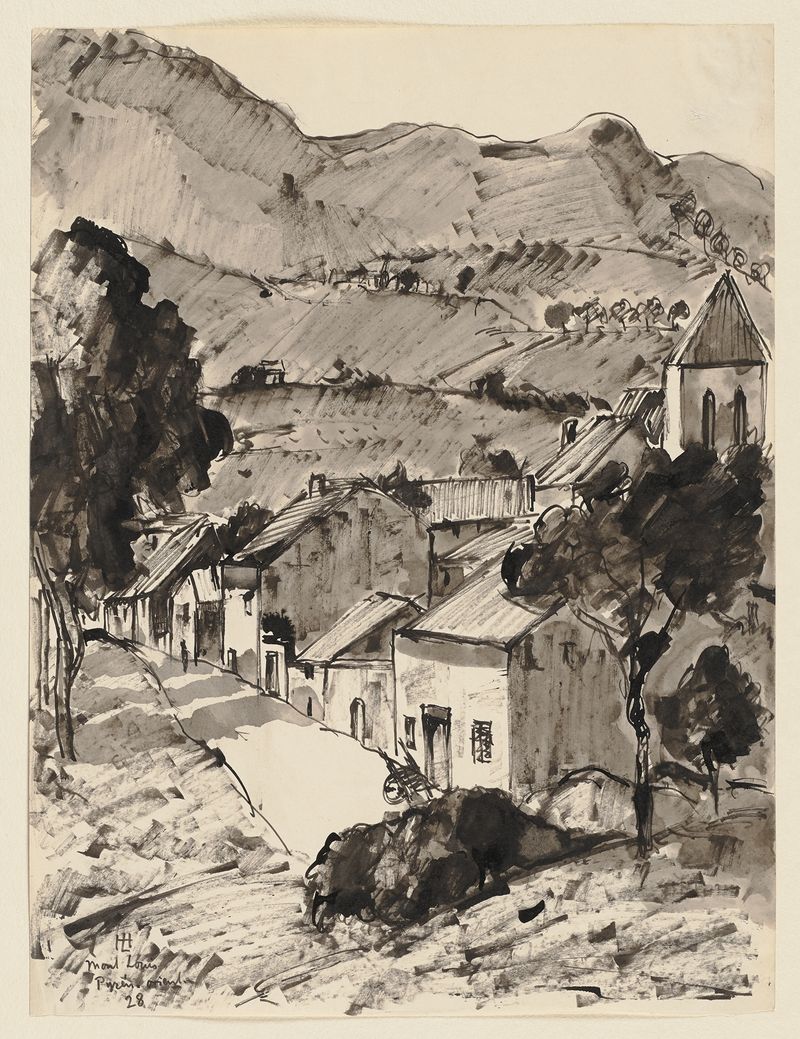
Mont-Louis
Hermann Lismann
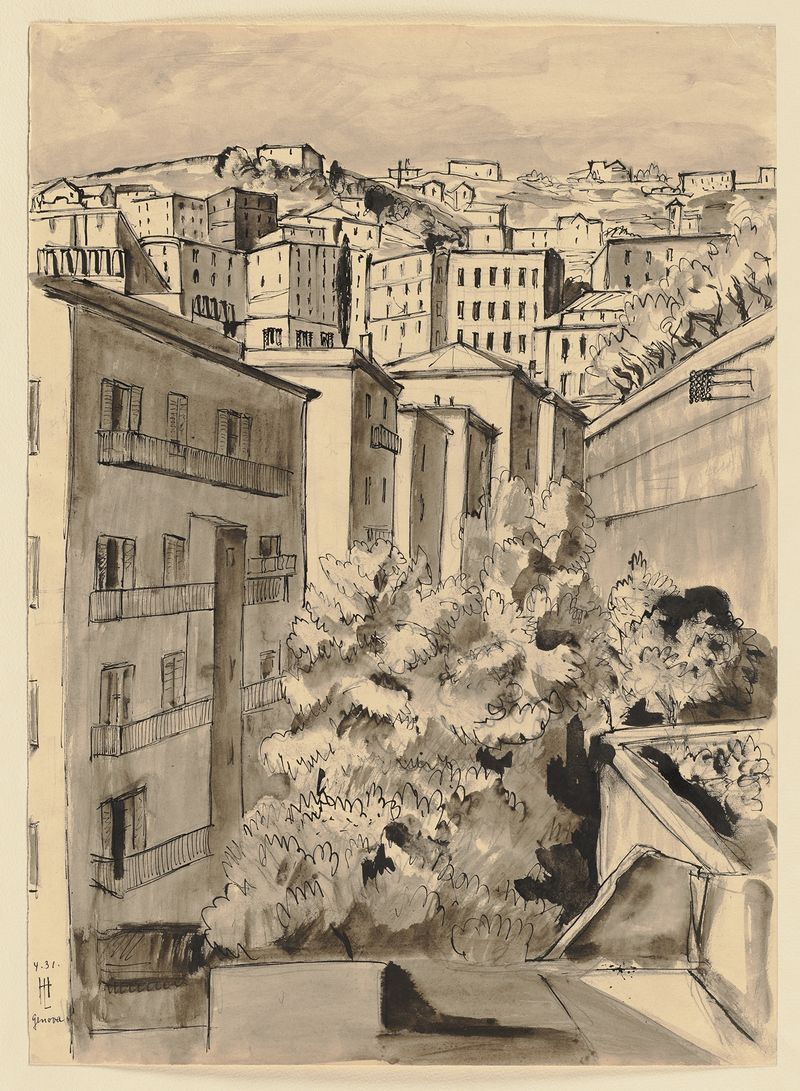
View of Genoa
Hermann Lismann
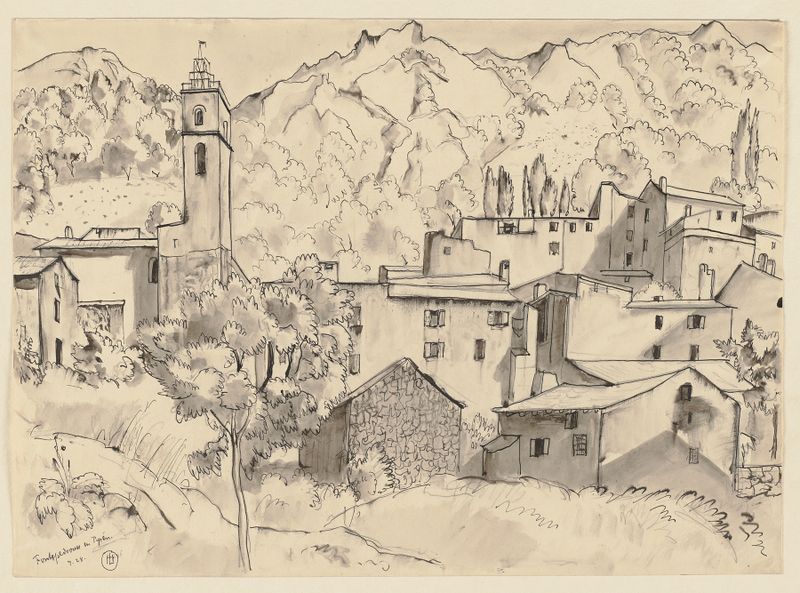
Fontpédrouse en Pyrénées
Hermann Lismann
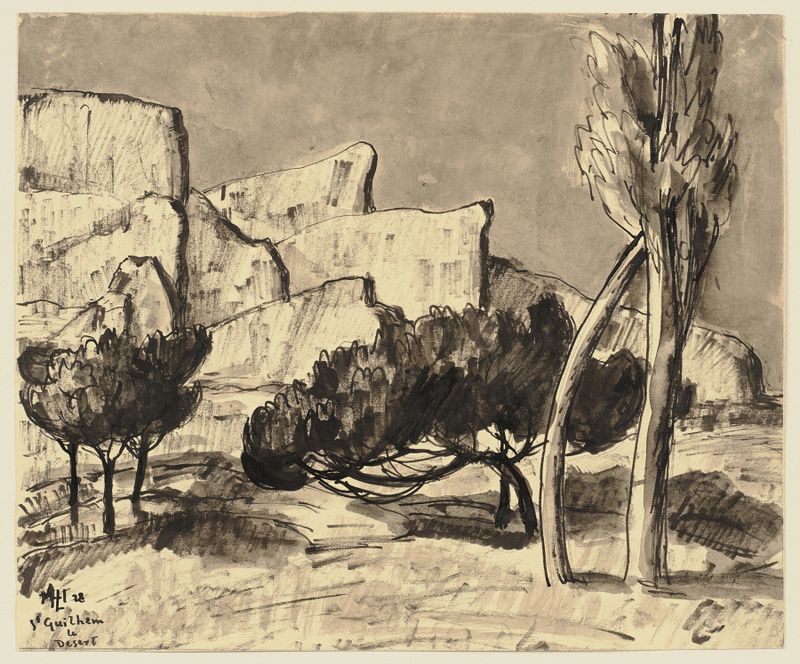
Saint-Guilhem-le-Désert
Hermann Lismann
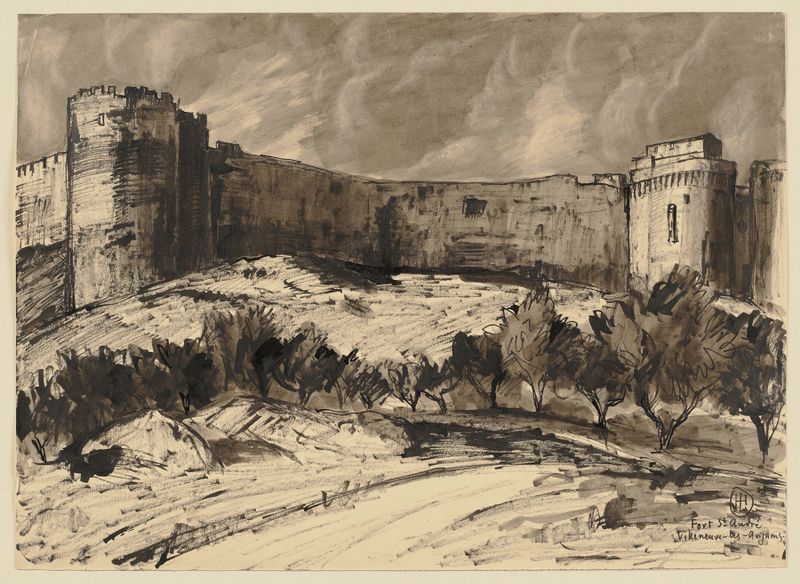
Fort Saint-André in Villeneuve-les-Avignon
Hermann Lismann
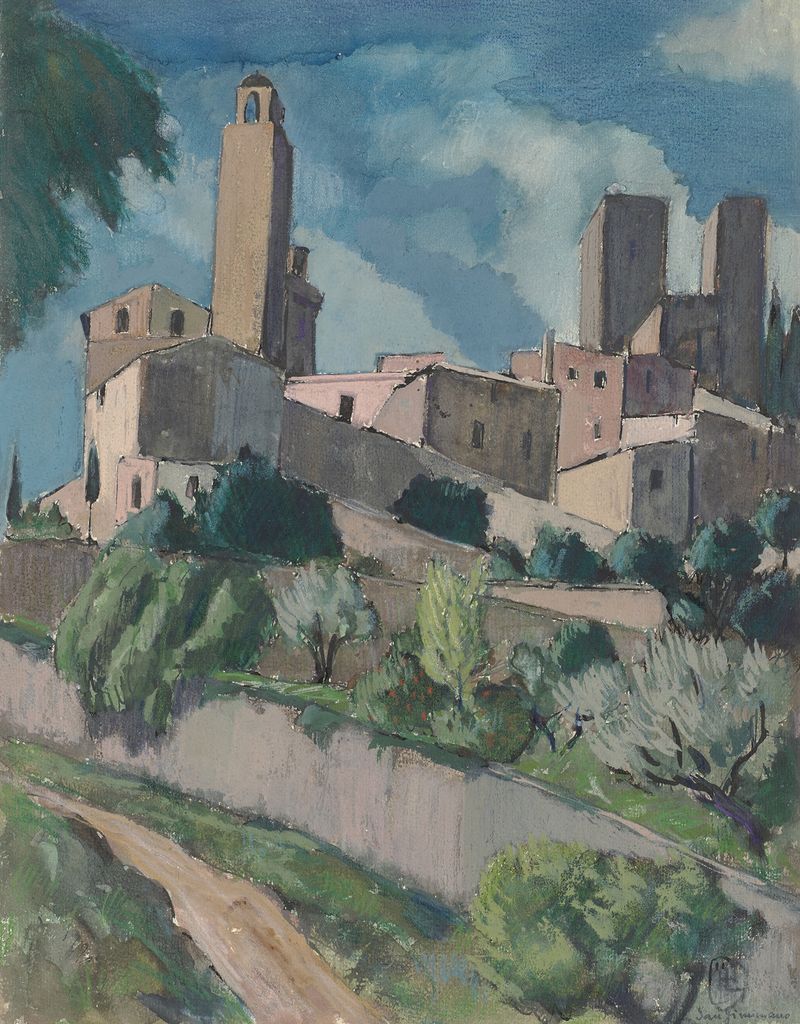
San Gimignano
Hermann Lismann
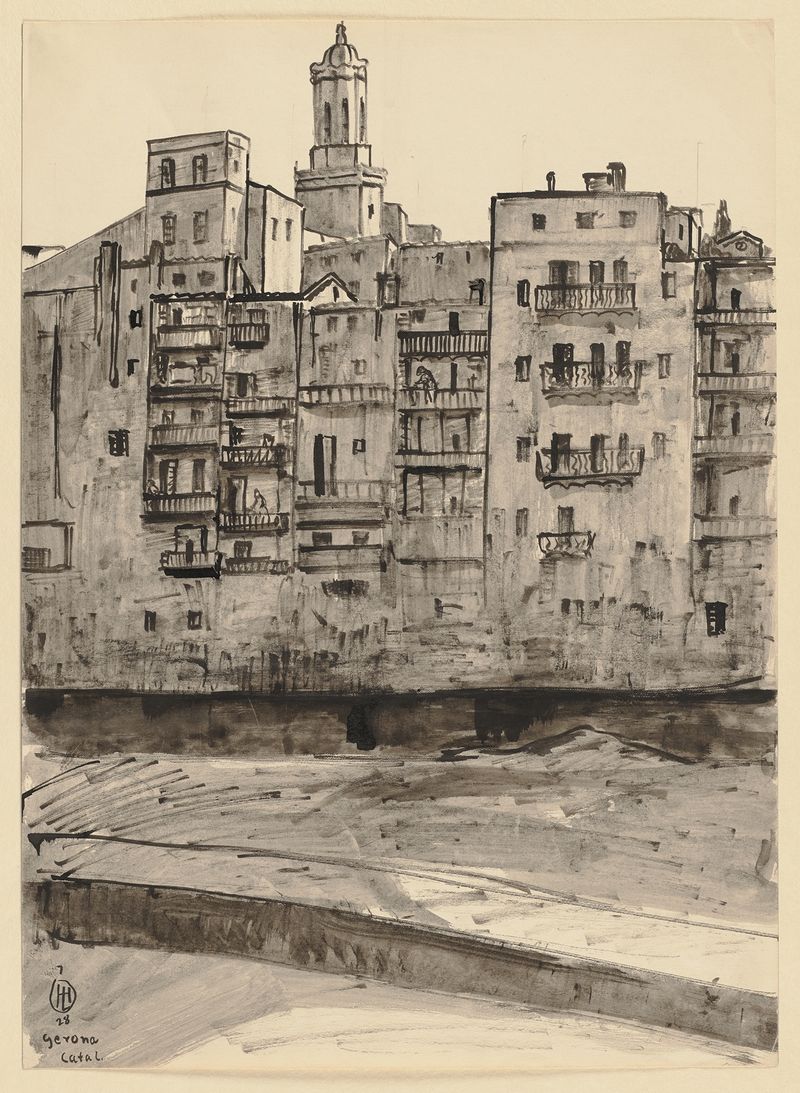
Girona vom Fluss aus gesehen, im Hintergrund der Turm der Kathedrale
Hermann Lismann
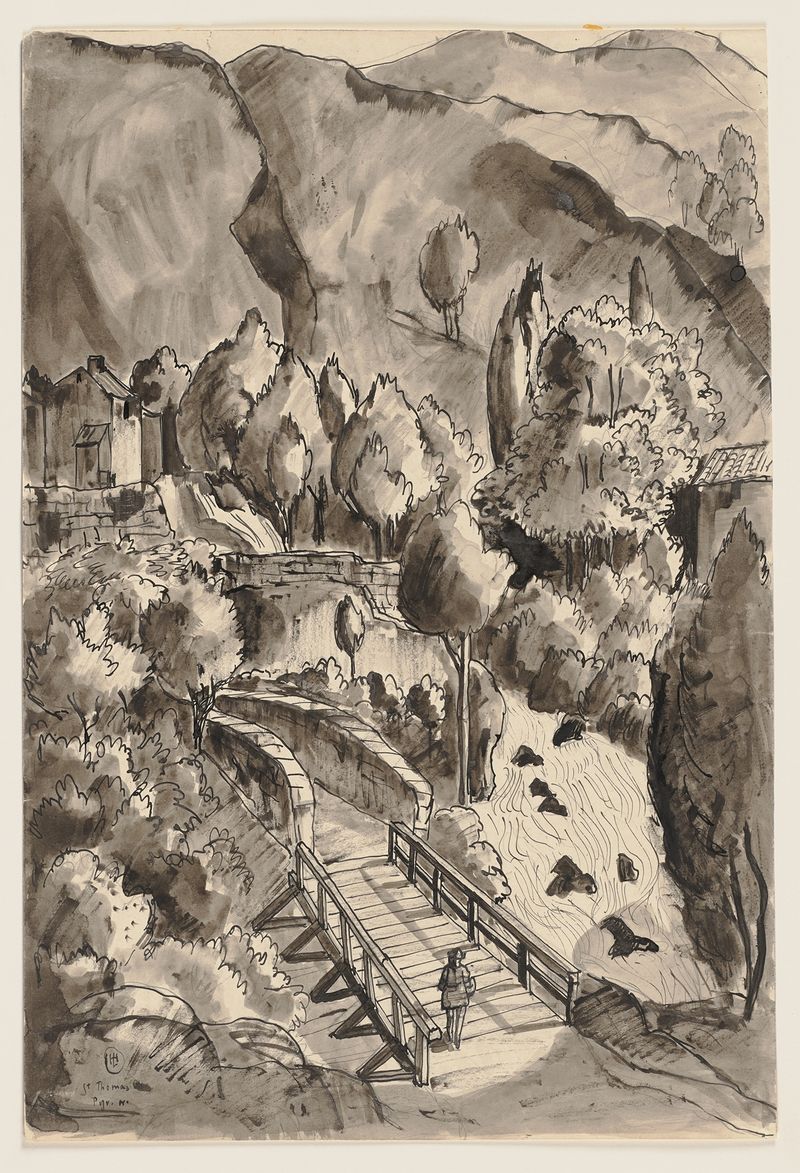
Saint Thomas, Pyrénées
Hermann Lismann
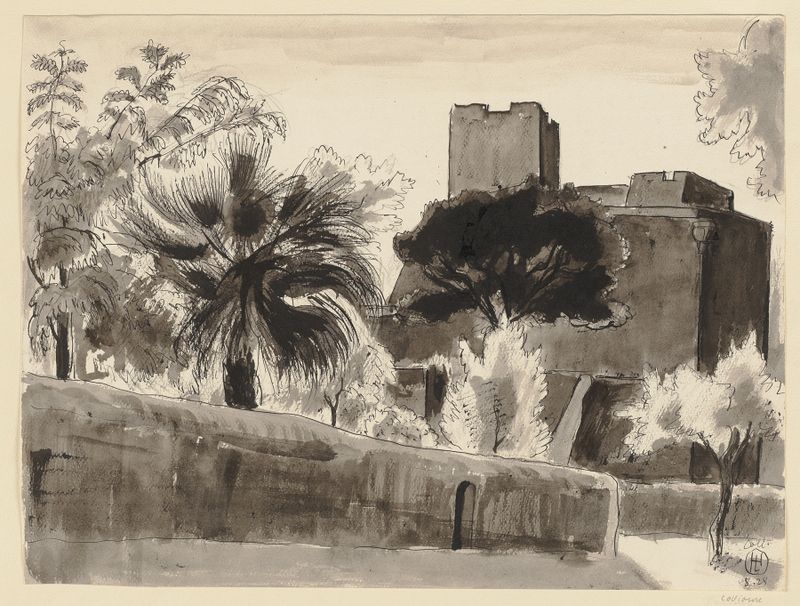
Collioure
Hermann Lismann





