Vier jongetjes, een sater en een geit — History & Facts
The canvas doesn’t lie — it simply waits. Perhaps it holds the unfathomable tales of childhood and nature, woven through the delicate strokes of time. Look to the lower right corner, where four young boys engage with the playful figure of a satyr, their expressions a blend of wonder and mischief. Notice the soft hues of green and earthy browns that envelop them, evoking a sense of harmony between the children and their surroundings.
The gentle play of light highlights the satyr’s whimsical features, drawing the eye while the goat — a symbol of nature’s untamed spirit — rests nearby, further enhancing the scene’s intrigue. Amidst the innocence of youth and the charm of a mythological figure, contrasts emerge. The laughter of the boys juxtaposes the satyr’s more serious, almost watchful gaze, suggesting a dialogue between playfulness and the weight of existence. Each boy, caught in a moment of awe, embodies the fusion of human curiosity and the wildness of nature—an eternal dance that speaks to the interplay of innocence and experience. Wenceslaus Hollar created this piece in 1647 during his time in London, following a tumultuous period marked by political instability in Europe.
As a prolific printmaker and draftsman, Hollar was influenced by the Baroque movement and its emphasis on detail and emotion. His works often reflect a fascination with the natural world, capturing fleeting moments with precision, and this painting is no exception, echoing the era’s complex relationship with both humanity and nature.
More Artworks by Wenceslaus Hollar
Browse all →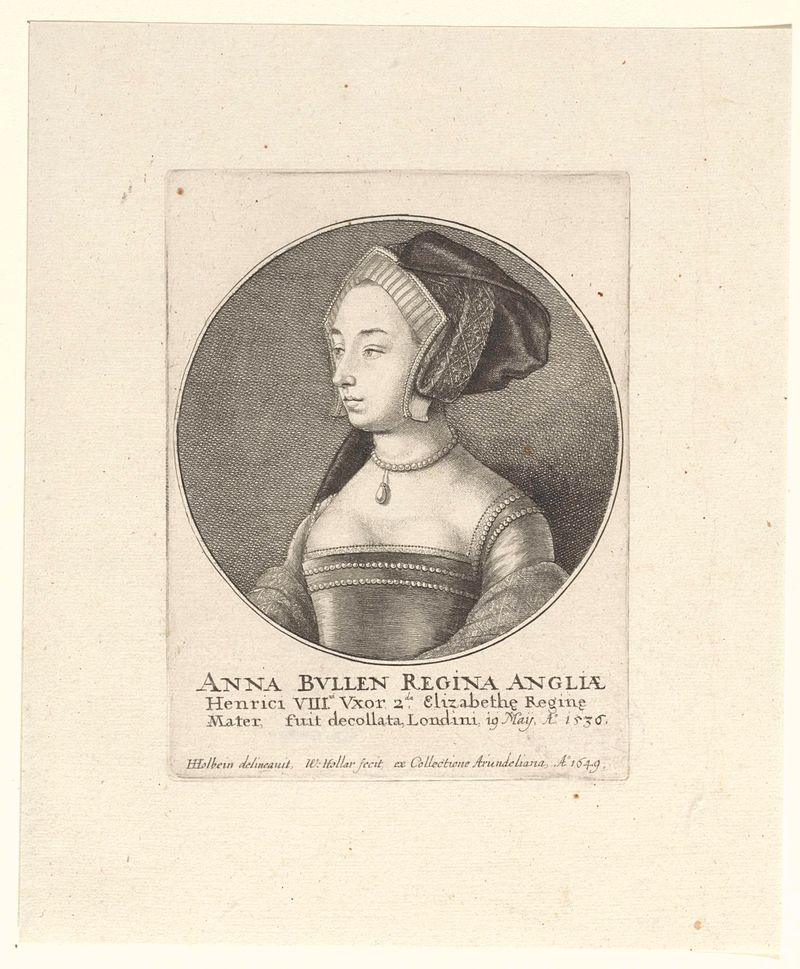
Portret van Anna Boleyn, koningin van Engeland
Wenceslaus Hollar
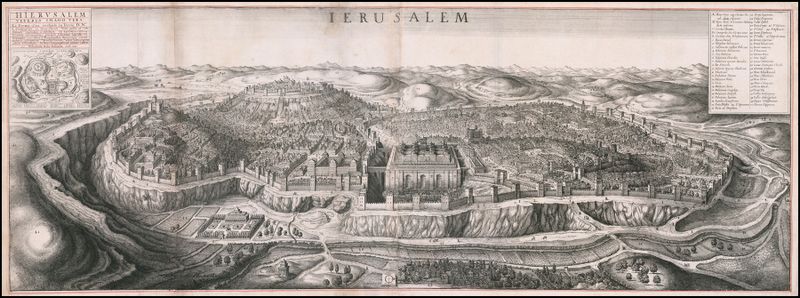
Bird’s eye view of Jerusalem
Wenceslaus Hollar
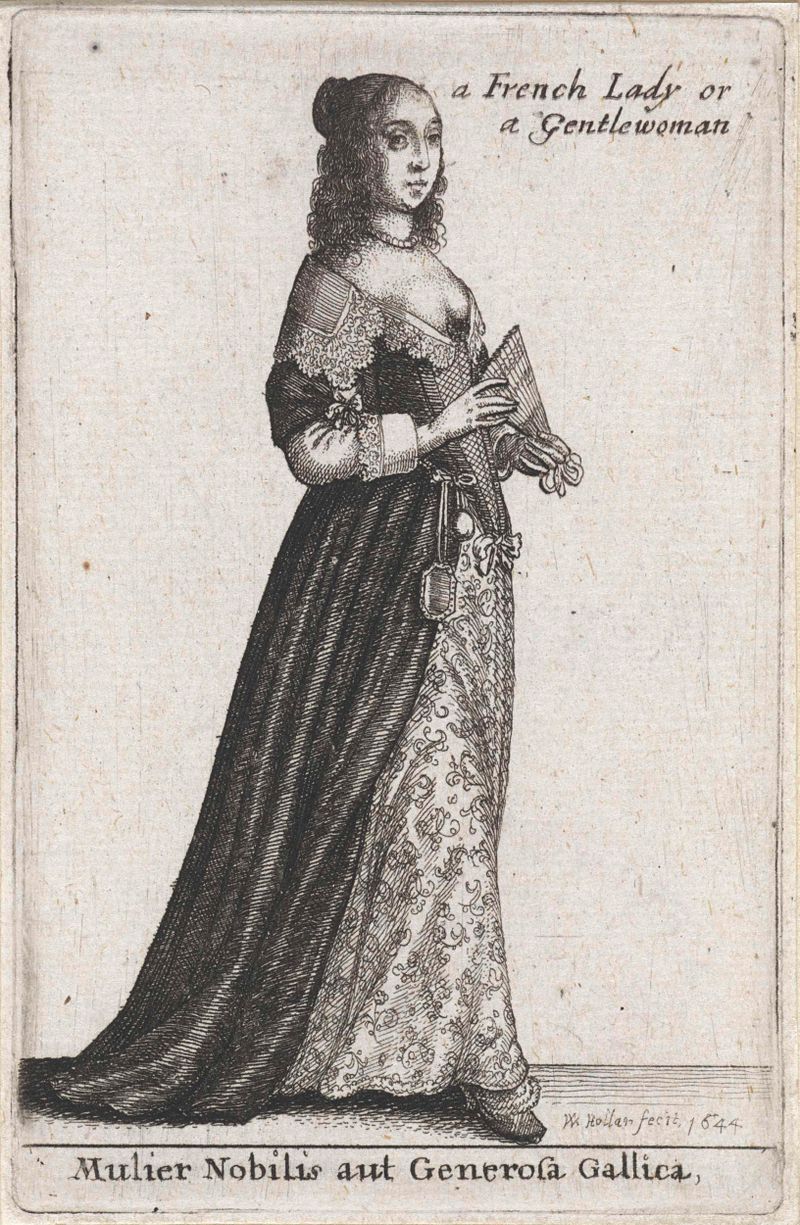
Mulier Nobilis aut Generosa Gallica / a French Lady or Gentlewoman
Wenceslaus Hollar
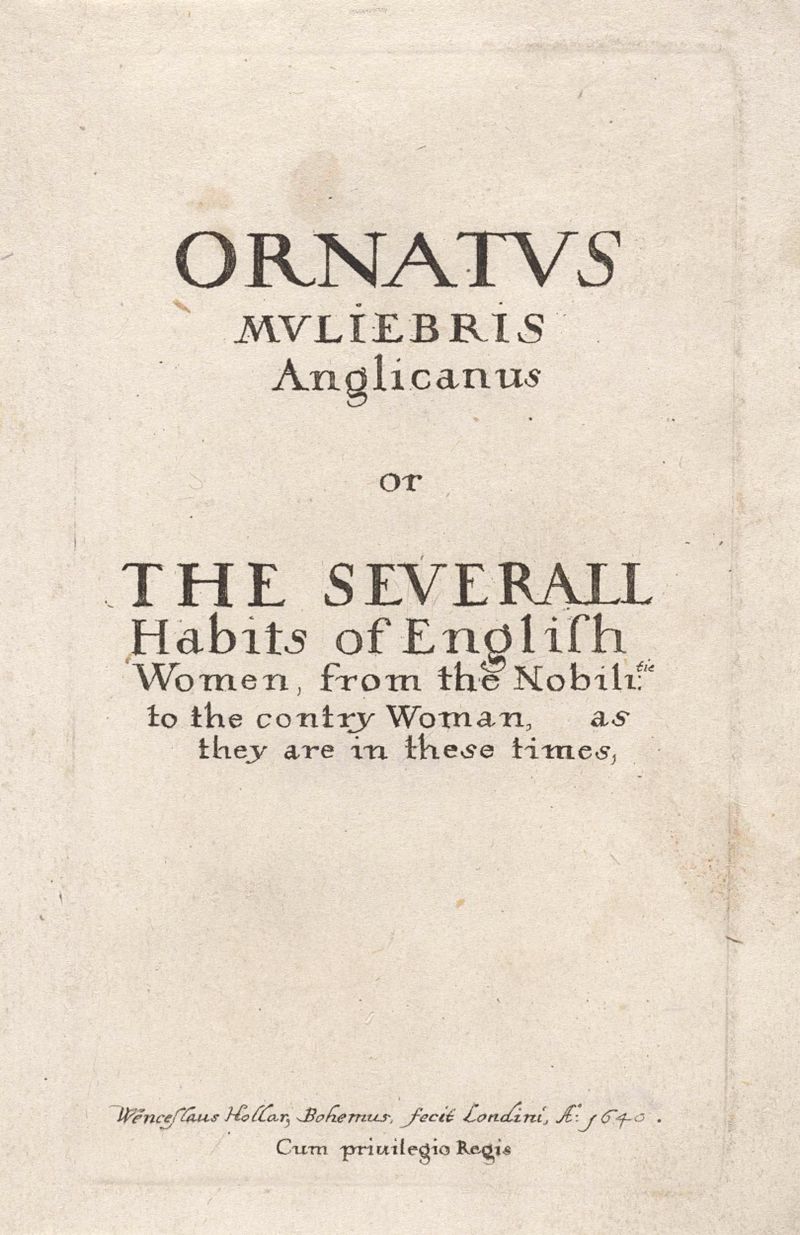
Titelprent voor: Ornatus Muliebris Anglicanus
Wenceslaus Hollar
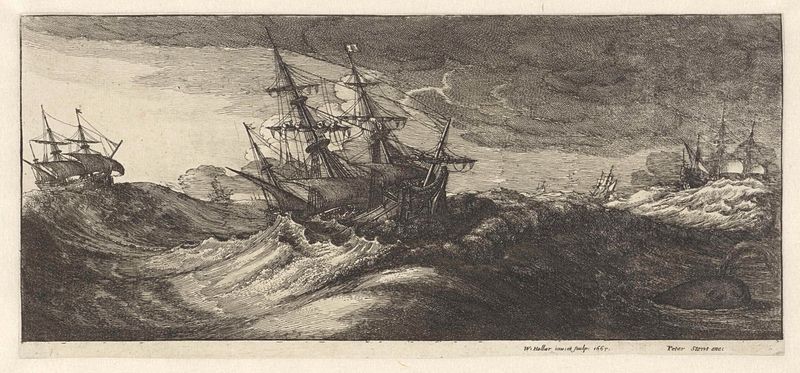
Oorlogsschepen en een walvis in een zeestorm
Wenceslaus Hollar
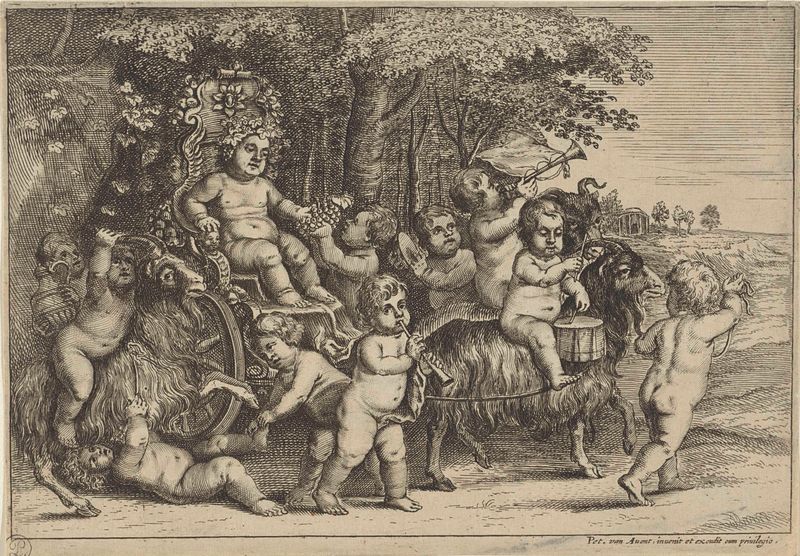
Optocht van bacchant en jongetjes op geiten
Wenceslaus Hollar
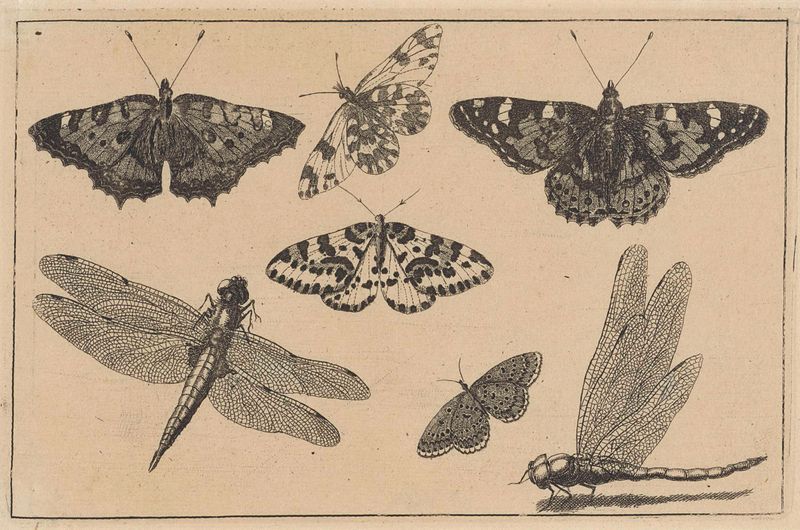
Twee libellen en vijf vlinders
Wenceslaus Hollar
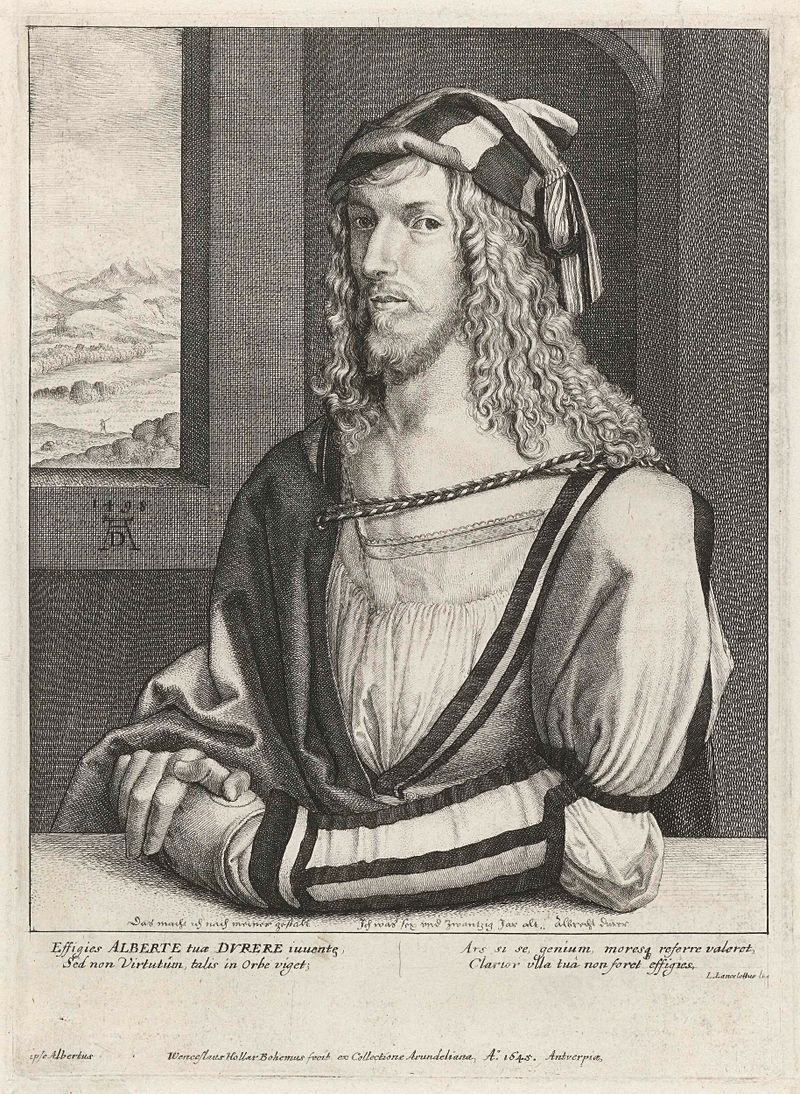
Portret van Albrecht Dürer
Wenceslaus Hollar
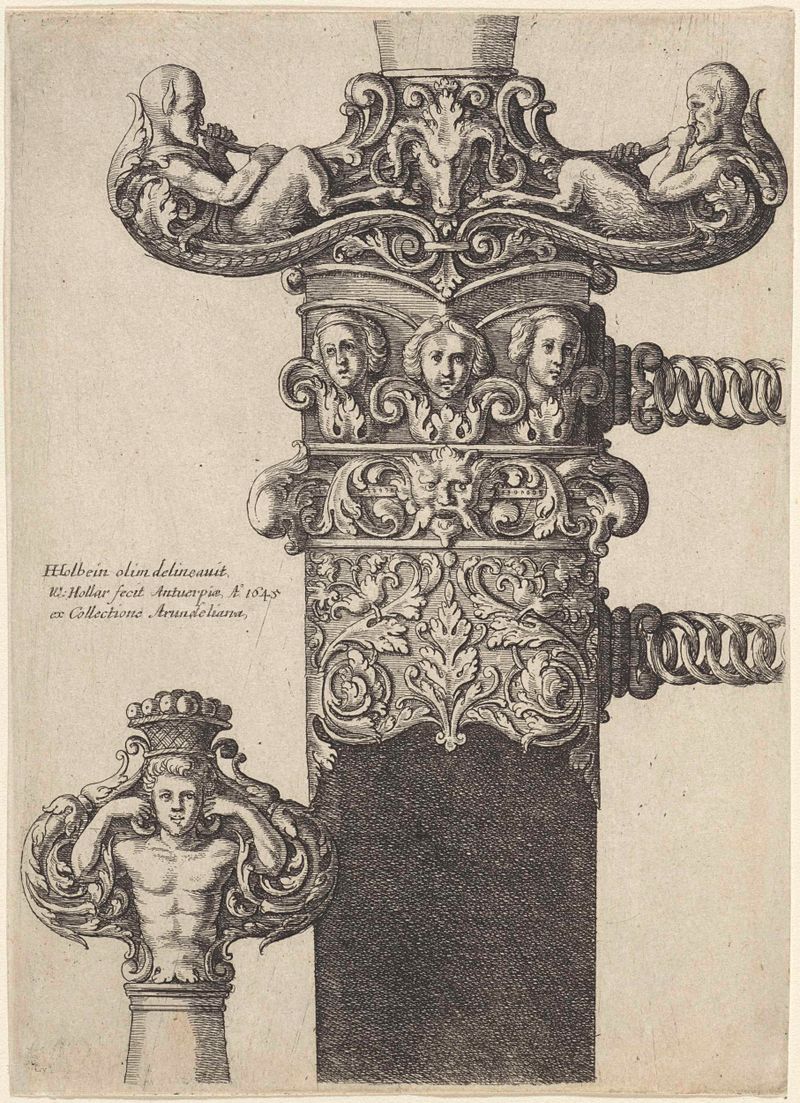
Ornamenteel ontwerp voor een dolk
Wenceslaus Hollar
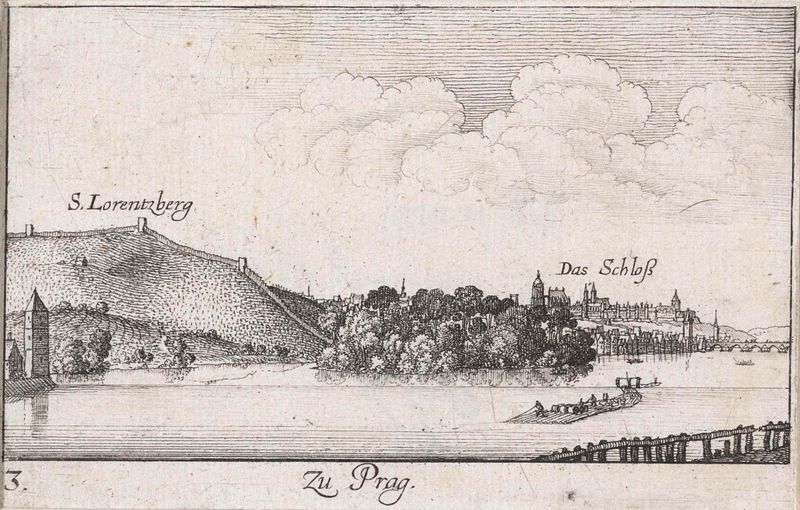
Gezicht op Praag vanaf de Moldau
Wenceslaus Hollar