
View from Chigwell Row, Essex — History & Facts
Who listens when art speaks of silence? In View from Chigwell Row, Essex, a palpable tension lingers in the stillness, as if the landscape itself holds its breath, afraid to break the quiet spell. Look to the foreground, where the verdant fields meet the gentle slope of the horizon. The brushstrokes convey a delicate balance between realism and idealism, with soft greens and earthy browns inviting you to explore their richness. Notice how light filters through the trees, casting dappled shadows that create a sense of depth and invite the viewer into this serene but somewhat foreboding space.
The composition draws the eye along winding paths, leading us through a tranquil yet uneasy landscape, hinting at the presence of unseen stories and emotions. Within this serene vista lies an undercurrent of fear, evident in the stark contrast between the vibrant foliage and the looming clouds above. They appear almost menacing, hinting at a storm that may disrupt the calm. Each element—be it the isolation of a single tree or the distant hills—whispers of solitude, evoking a sense of existential contemplation.
The tension between the peaceful scene and the foreboding sky mirrors human vulnerability, reminding us of the fragility of our own tranquility. In 1805, Philip James de Loutherbourg painted this piece during a time of personal turmoil and artistic transition in England. The influence of Romanticism was burgeoning, and artists were beginning to explore not just the beauty of nature but also its emotional resonance. De Loutherbourg, having left behind the theatrical world of stage design, sought to capture the essence of landscape through both form and feeling, using this work to bridge his past with a new artistic vision.
More Artworks by Philip James de Loutherbourg
Browse all →
Iron Works, Colebrook Dale
Philip James de Loutherbourg
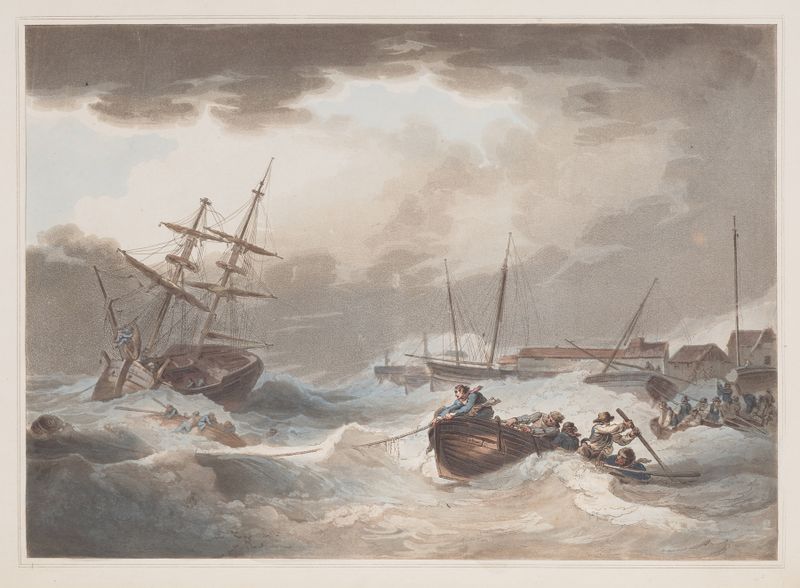
Storm off Margate
Philip James de Loutherbourg
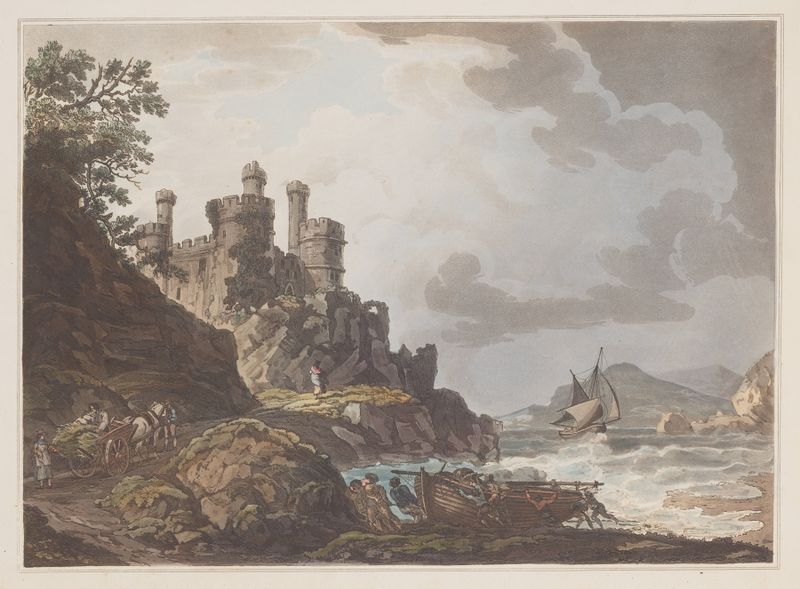
Conway Castle
Philip James de Loutherbourg
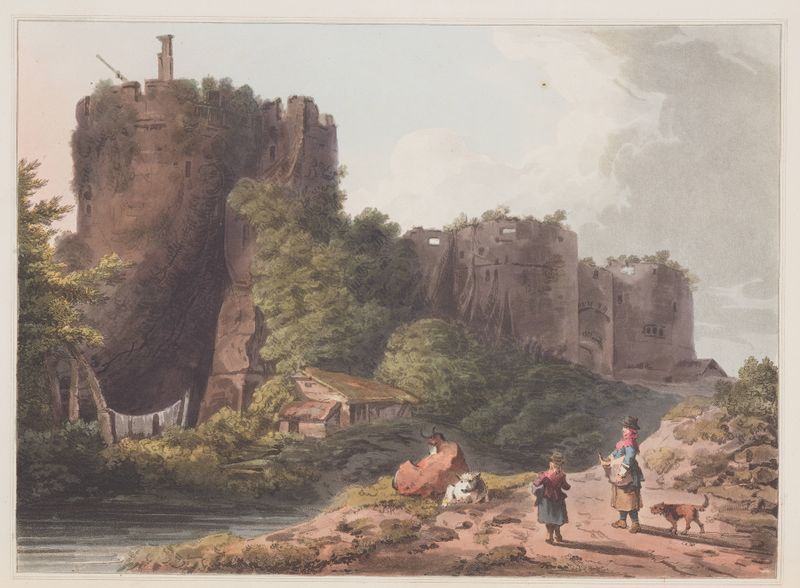
Chepstow Castle in Monmouthshire
Philip James de Loutherbourg
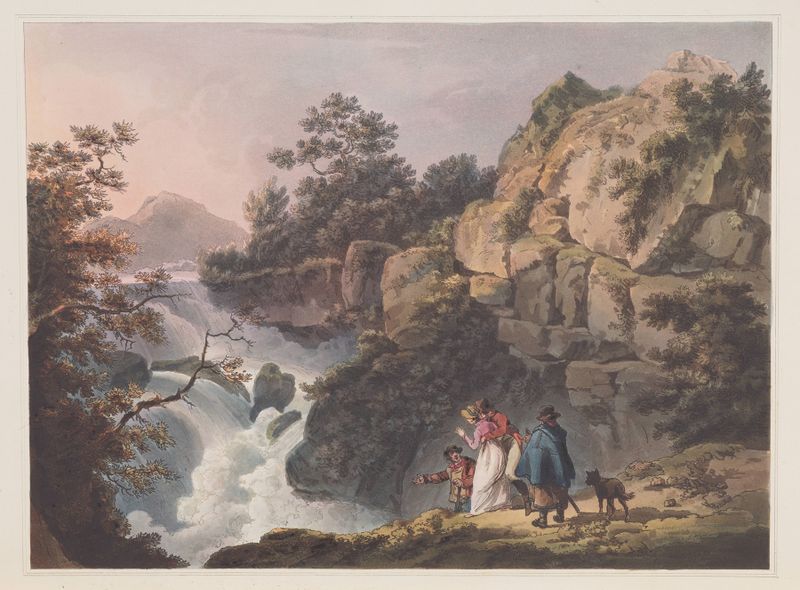
Cataract on the Llugwy
Philip James de Loutherbourg

Tintern Abbey
Philip James de Loutherbourg
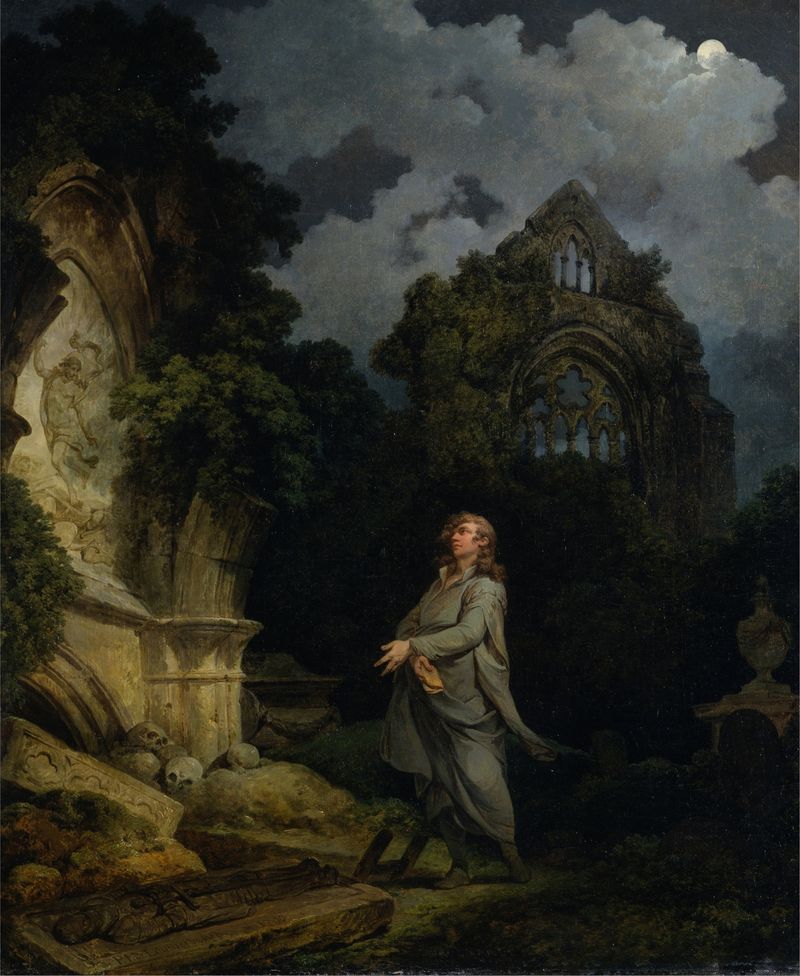
Visitor to a Moonlit Churchyard
Philip James de Loutherbourg

A Storm at the Entrance of a Mediterranean Port
Philip James de Loutherbourg
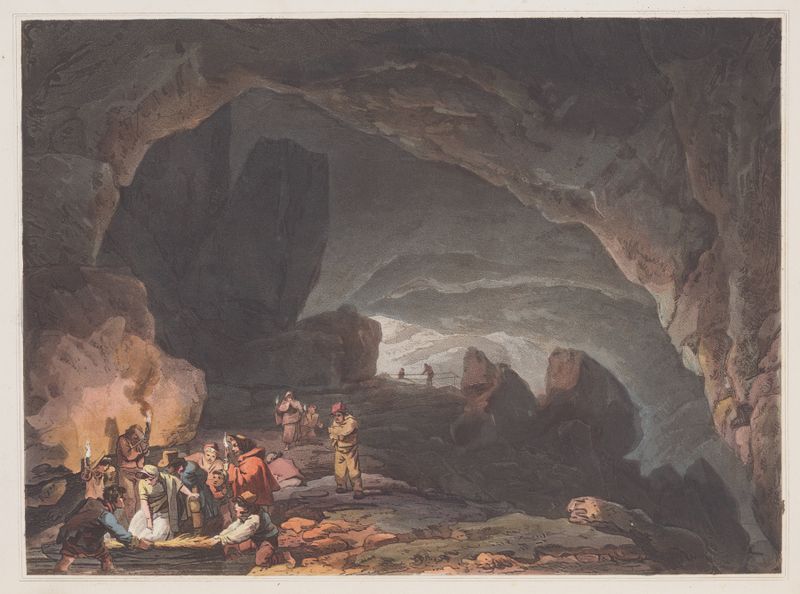
Peak’s Hole, Derbyshire
Philip James de Loutherbourg
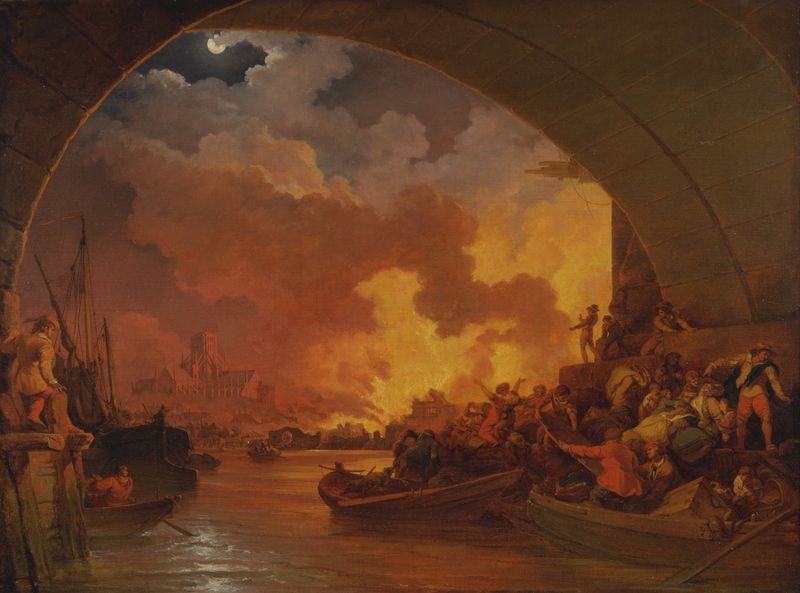
The Great Fire of London
Philip James de Loutherbourg





