
View Near Jessups Landing — History & Facts
In the quiet dreamscape of memory, brushstrokes become vessels of nostalgia, evoking landscapes that shimmer between reality and reverie. Focus on the gentle undulations of the hills that frame the canvas, inviting your gaze to wander into the soft embrace of the horizon. The muted palette – soft greens, delicate blues, and warm earth tones – creates a sense of serenity, a union of nature that feels both expansive and intimate. Look closely at the delicate interplay of light and shadow, where the sun filters through clouds, casting a soft glow across the landscape, and notice how the water glistens as it weaves through the scene, capturing the moment’s ephemeral beauty. Beneath the tranquil surface lies a tension between the idyllic and the fleeting.
The distant trees, almost ghostly, suggest an untouched wilderness while hinting at the inevitability of change. The harmonious composition is not just a picturesque vista; it speaks to the theme of transience, echoing the artist's own reflections on the passage of time and the preservation of memory. Each detail begs the viewer to consider what is lost and what remains. During the years 1821 to 1822, John Hill created this work in the wake of America’s expanding frontiers, as the nation grappled with its identity.
A prominent figure in the early American art scene, he was immersed in natural history and the romantic ideals of landscape painting, striving to capture the essence of the American experience and the beauty of its untouched landscapes.
More Artworks by John Hill
Browse all →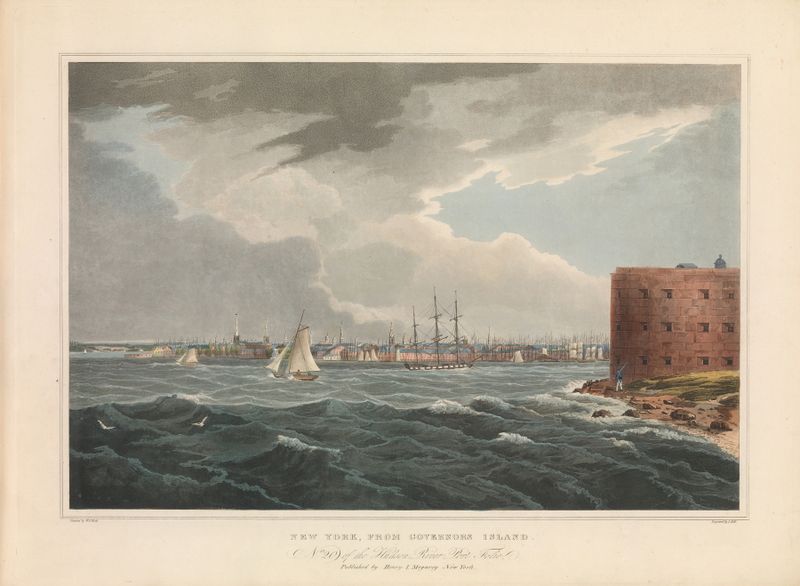
New York from Governor’s Island
John Hill

West Point
John Hill
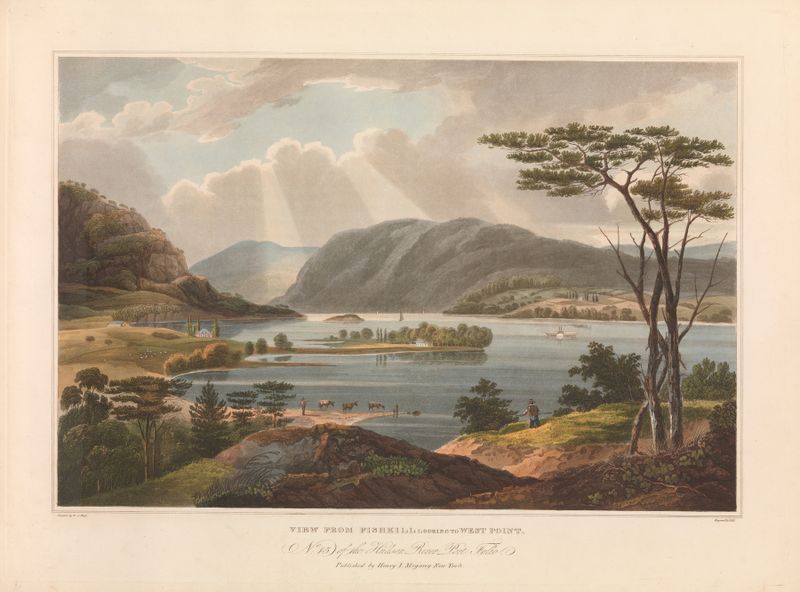
View from Fishkill Looking To West-Point
John Hill

View Near Hudson
John Hill
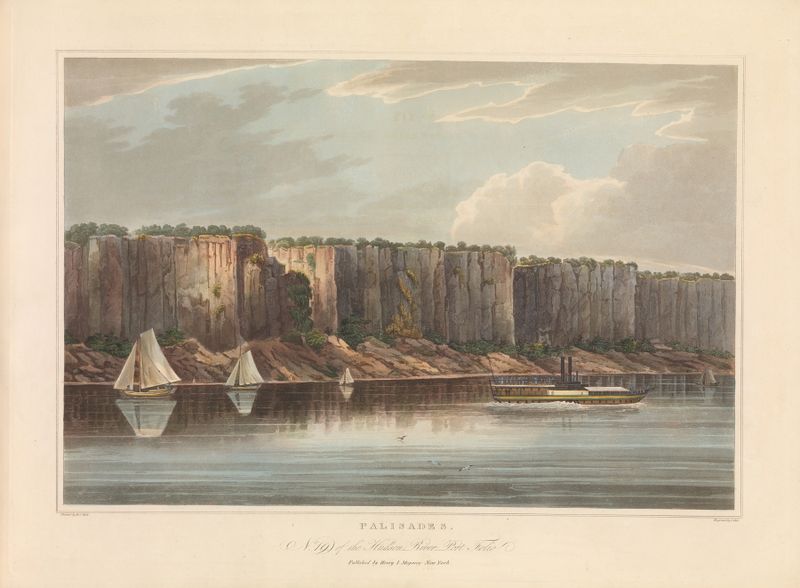
The Palisades
John Hill
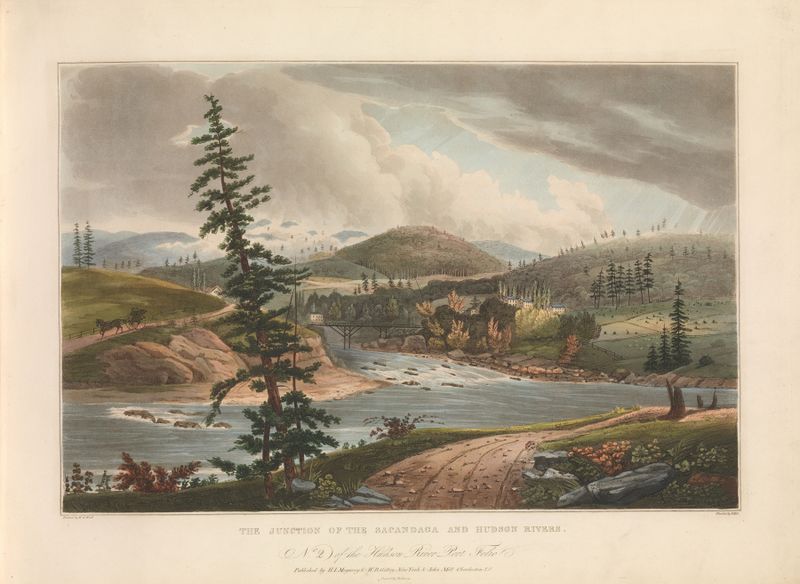
Junction of the Sacandaga and Hudson Rivers
John Hill
City Hall
John Hill

North-West Front, Cassiobury
John Hill

Glenns Falls
John Hill

His Majesty’s Frigate ‘Endymion’
John Hill





