
View of Belweder from the side of Łazienki Park — History & Facts
In a world marked by uncertainty and turmoil, how does one find solace in beauty? Look to the left, where the delicate outlines of trees frame the scene, their verdant hues contrasting with the serene architecture in the distance. Focus on the soft play of light on the elegant facade of the Belweder, which stands as a testament to human achievement and resilience. The artist employs a palette of greens and blues, imbuing the work with a sense of tranquility that invites the viewer to linger. Beneath the surface, the painting encapsulates a profound faith in nature and humanity.
The juxtaposition of the enduring palace against the ephemeral foliage speaks to the tension between permanence and transience. Each stroke reveals the artist’s reverence for the natural world, while the gentle ripples of light suggest a fleeting moment, a whisper of serenity amidst chaos. This interplay offers a sense of hope, reminding us that beauty endures even in the most turbulent times. Feliks Jabłczyński painted this work in 1916 during a period of great upheaval in Europe, as World War I raged and the world of art witnessed significant shifts.
Living in Poland, Jabłczyński was influenced by the Impressionist movement, which was emerging as a response to the tumult of modern life. This painting reflects not only his artistic evolution but also the spirit of resilience that characterized his surroundings during a time of great uncertainty.
More Artworks by Feliks Jabłczyński
Browse all →
Villa Borgia in Rome
Feliks Jabłczyński

Mariensztat Street in Warsaw
Feliks Jabłczyński
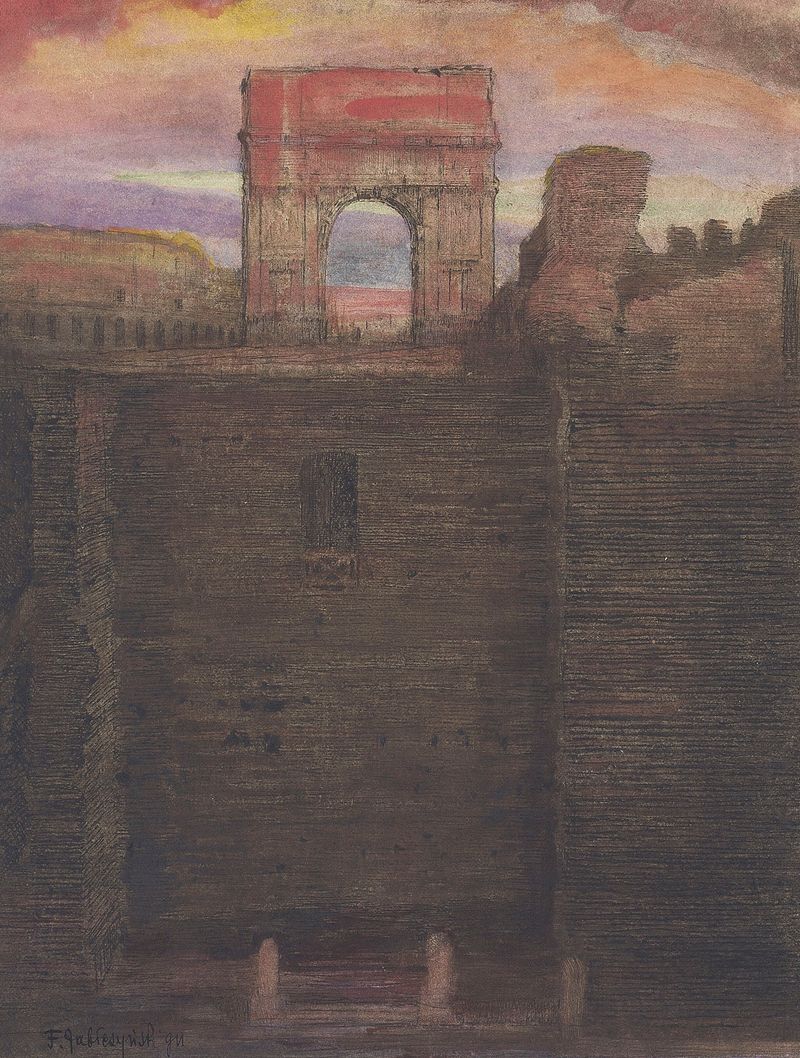
The House of Vestals and the Arch of Titus in the background
Feliks Jabłczyński
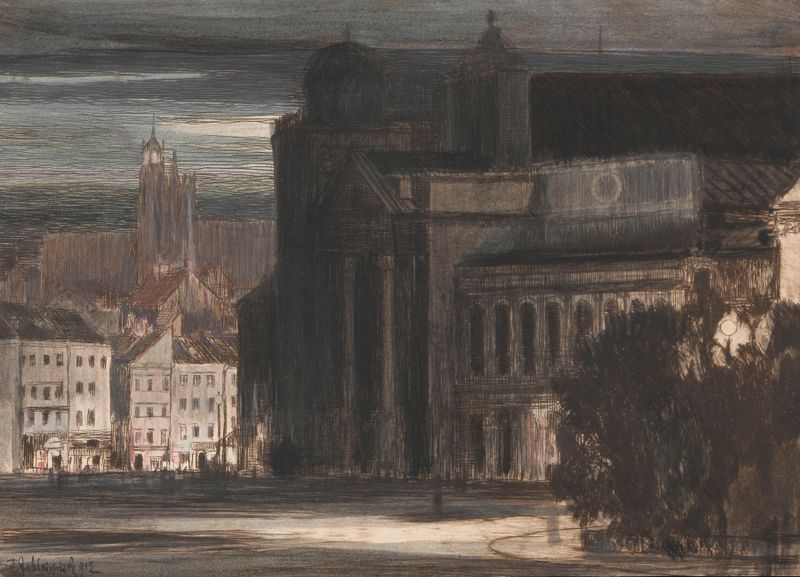
View of the Church of St. Anna and the Castle Square in Warsaw
Feliks Jabłczyński

Kaplica Boimów we Lwowie
Feliks Jabłczyński
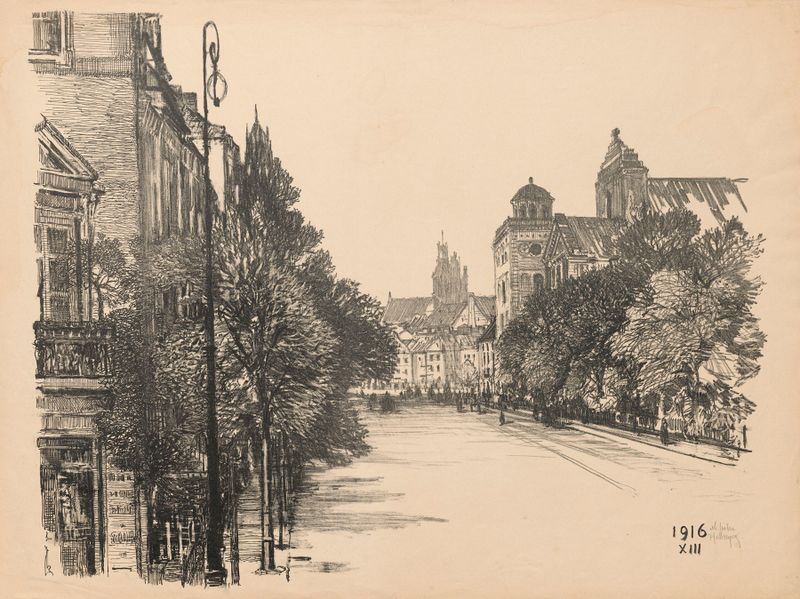
Krakowskie Przedmieście Street
Feliks Jabłczyński
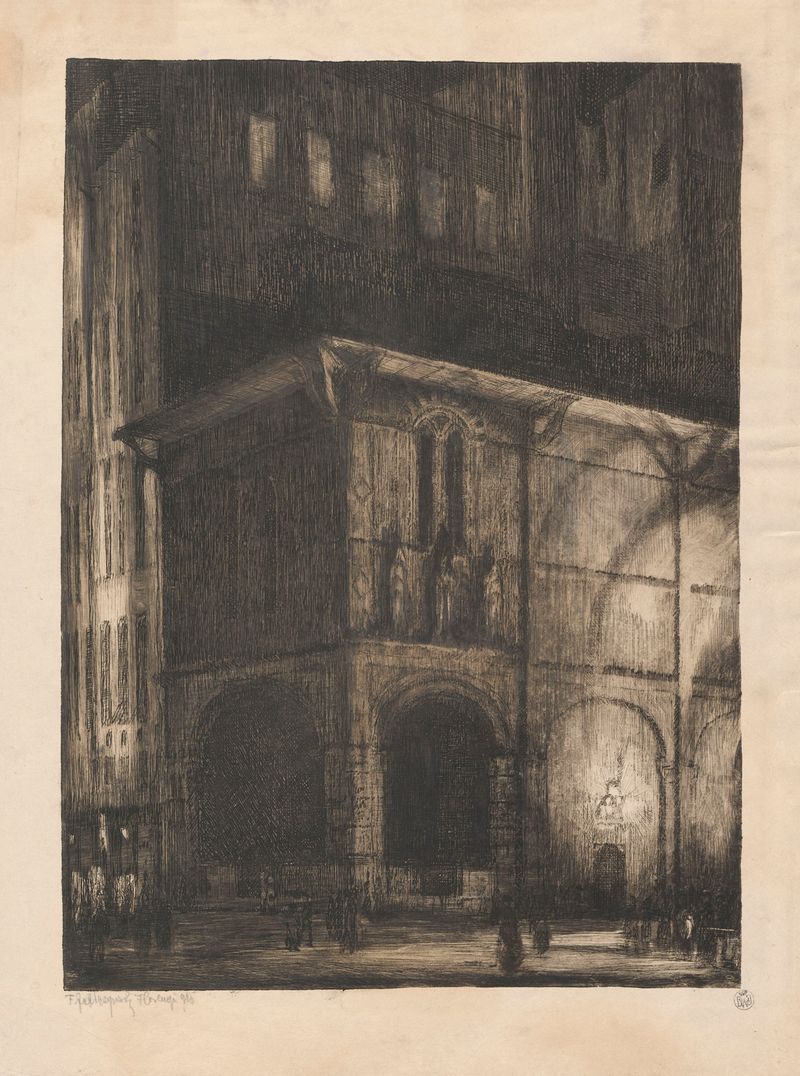
Florence
Feliks Jabłczyński
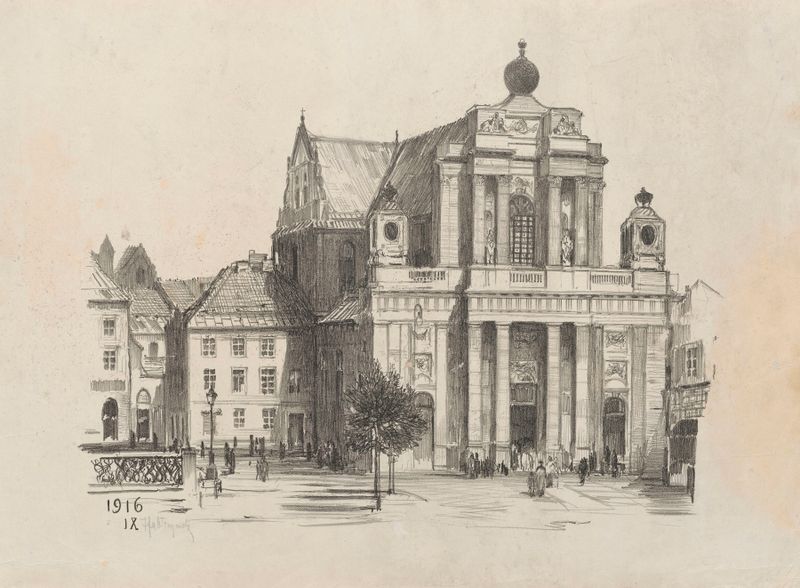
Carmelite Church.
Feliks Jabłczyński

The Visitation Sisters Church
Feliks Jabłczyński
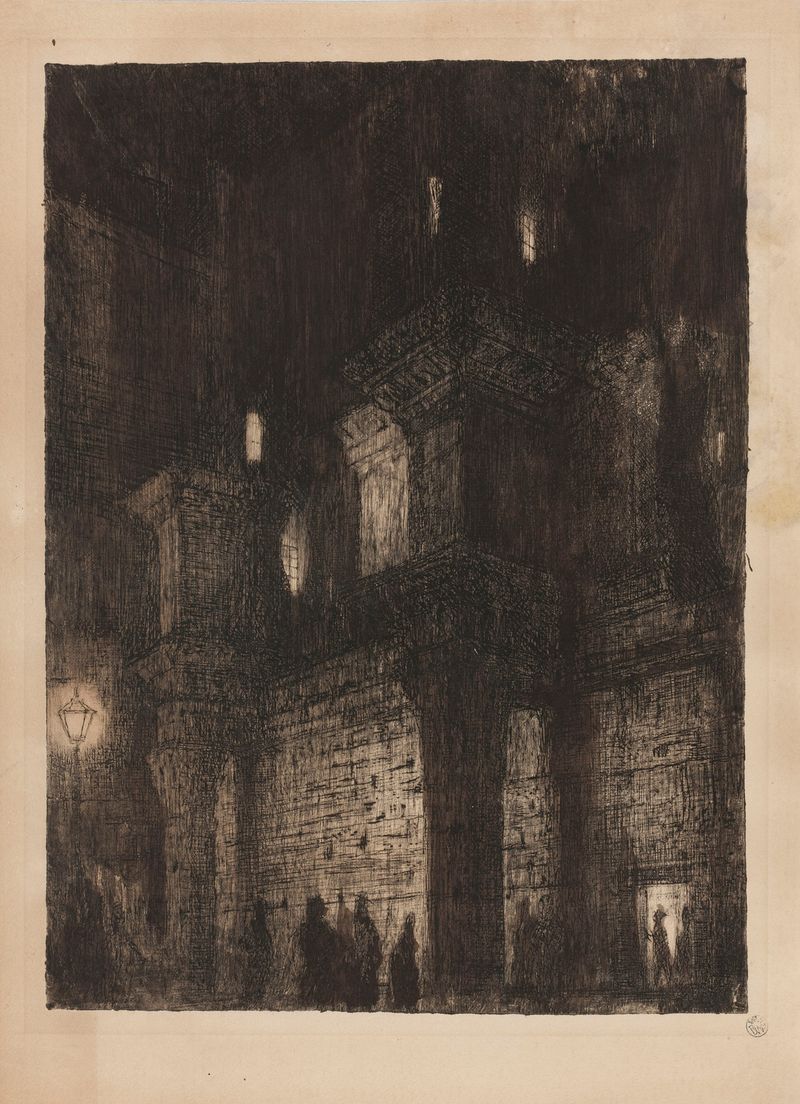
Forum Nervae
Feliks Jabłczyński





