View of Etaaia, India — History & Analysis
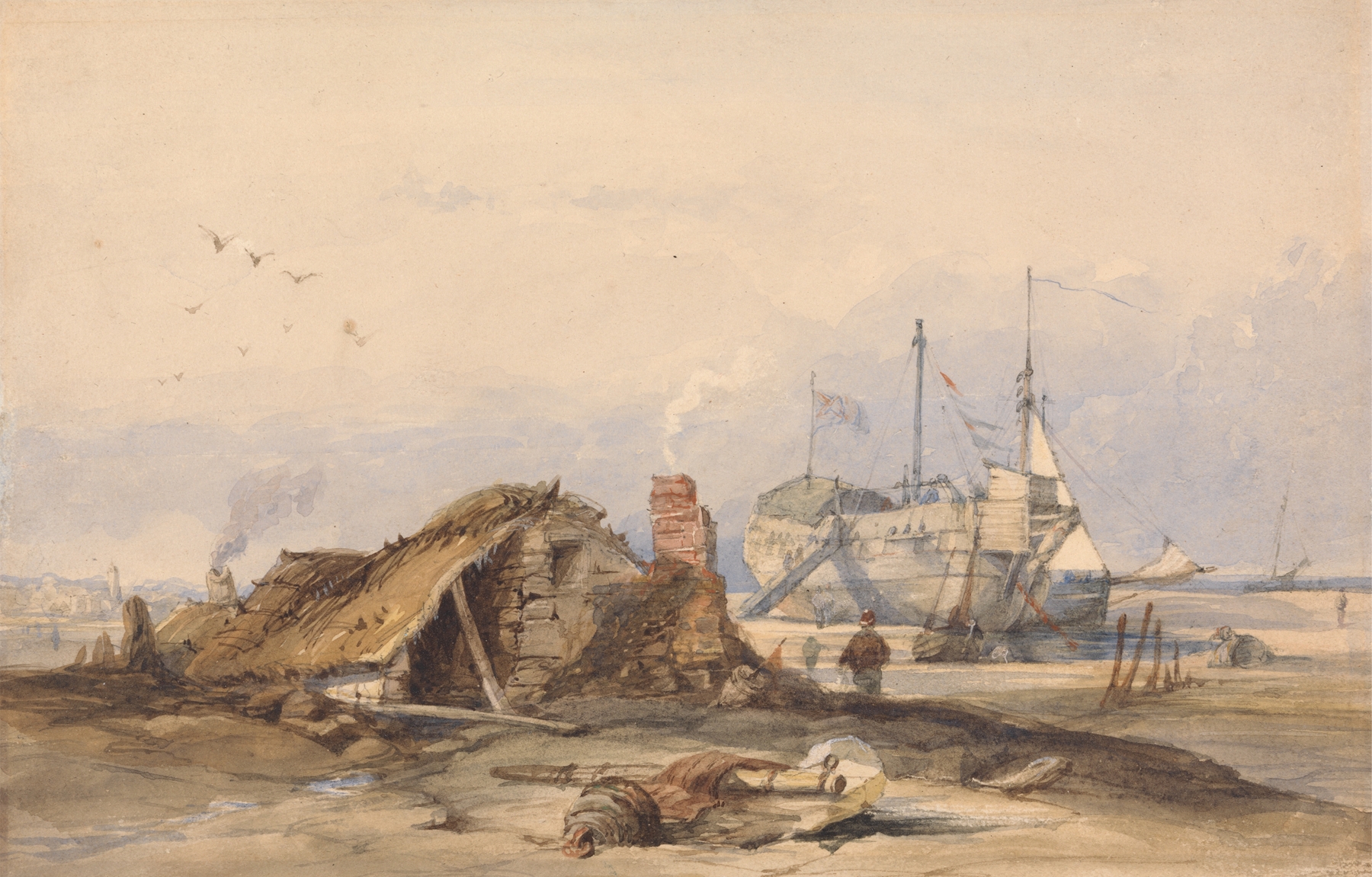
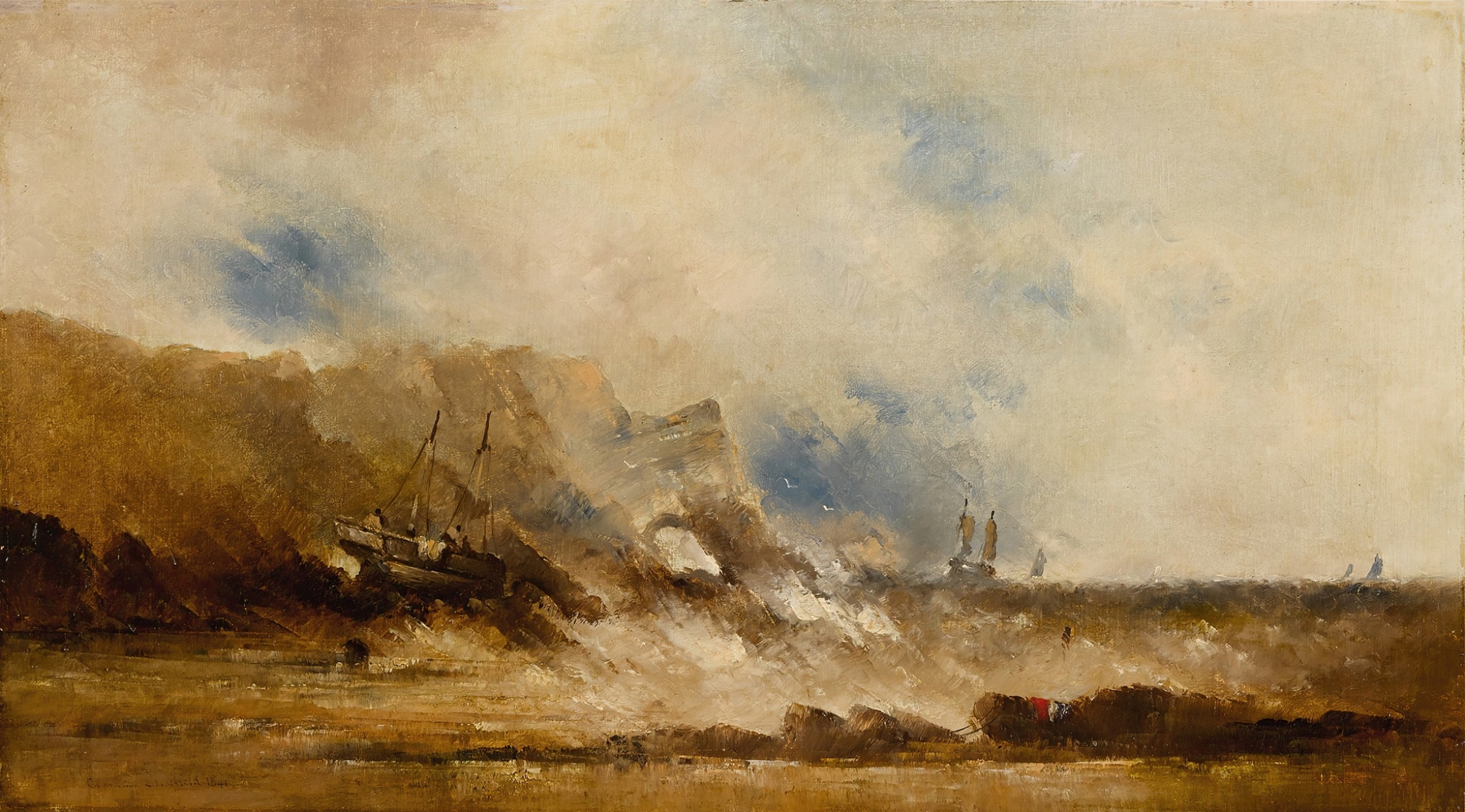
Could a single brushstroke hold eternity? In View of Etaaia, India, the canvas breathes life into a moment steeped in wonder, inviting viewers to lose themselves in the vastness of the scene. Immediately, your gaze should be drawn to the sweeping landscape that stretches across the canvas. Notice how the sun dapples the horizon, imbuing the sky with a palette of warm oranges and cool blues.
The delicate strokes used to depict the lush hills and the meandering river create a sense of depth, while the sharp contrasts between shadow and light emphasize the grandeur of the natural world. Every element harmonizes, leading you to the serene reflections that ripple through the water, suggesting a tranquility that resonates within. As you explore the painting further, consider the juxtaposition of the vast landscape with the intimate details: the small figures near the water’s edge, evoking a sense of scale and human connection to nature. The luminescence of the clouds hints at an emotional transcendence, prompting reflections on the fleeting beauty of existence against the backdrop of an expansive universe.
This interplay of awe and familiarity captures the essence of both nature’s dominance and humanity’s humble place within it. Clarkson Stanfield painted View of Etaaia in 1839 during a period marked by burgeoning interest in travel and exploration. At the time, he was in London, drawing from his extensive travels and experiences in various landscapes. This work reflects not only his mastery of light and atmosphere but also a growing fascination with capturing the sublime beauty of foreign lands on canvas, a distinct move toward romanticism in art.