
View of Pont au Changes — History & Facts
In a fleeting world where moments dissolve into memory, the act of capturing a single scene resonates deeply with our longing for permanence. Look to the left at the gentle arch of the bridge, a testament to human engineering that mirrors the fluidity of the river below. Notice how the soft blues and grays of the water contrast with the warm ochres of the buildings lining the banks. Light plays delicately across the canvas — a sunbeam glimmers on the water’s surface, inviting the viewer to ponder the depths beneath.
The composition draws the eye from the bridge to the horizon, creating a sense of both connection and distance. Delve into the nuances and you’ll encounter a dialogue between nature and civilization. The rippling water signifies the passage of time, while the steadfast architecture represents permanence in our ephemeral existence. The clouds overhead hint at change, perhaps even the inevitable decay of both landscape and memory.
Each brushstroke is imbued with emotion, reflecting the artist's own contemplation on existence and the transient nature of beauty. During the late 18th century, Girtin was immersed in the Romantic movement, painting predominantly in England. This period was characterized by a growing interest in the interplay of natural landscapes and human presence. Amidst social upheaval and innovations in technique, he sought to delve deeply into the emotional resonance of his subjects, finding inspiration in the scenes surrounding him just as revolution and change swept through Europe.
More Artworks by Thomas Girtin
Browse all →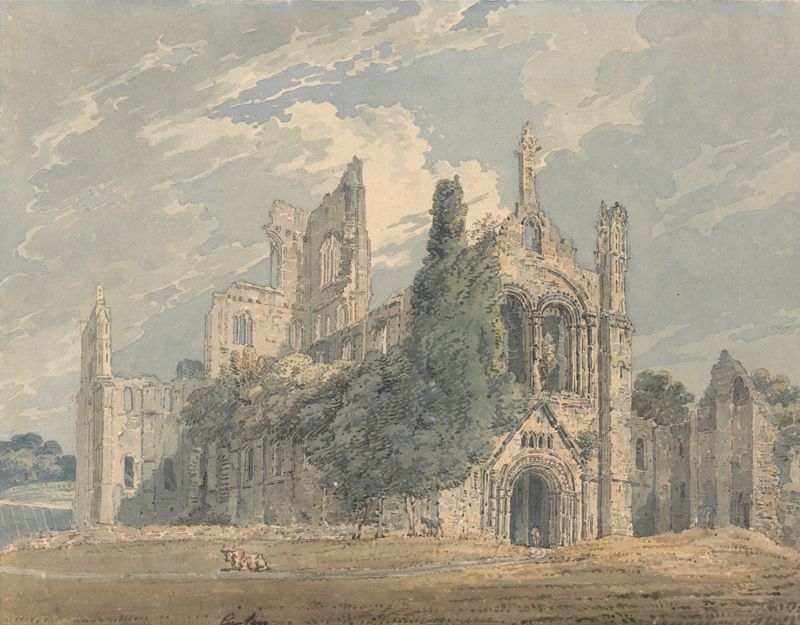
Kirkstall Abbey from the N.W.
Thomas Girtin
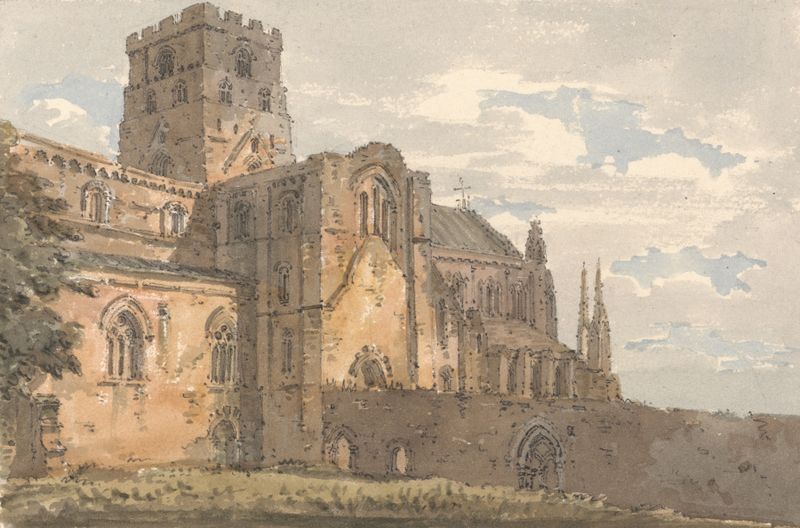
Carlisle Cathedral, Cumberland, from the South-west
Thomas Girtin
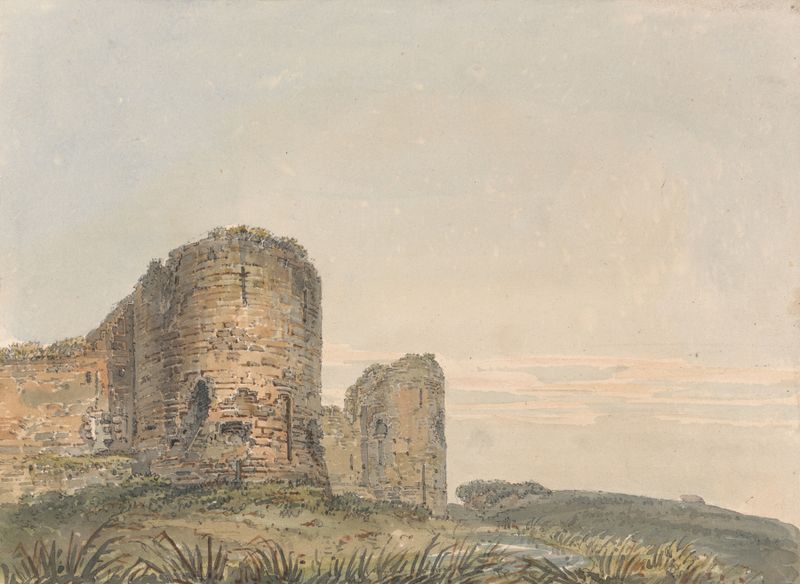
Pevensey Castle, Sussex
Thomas Girtin
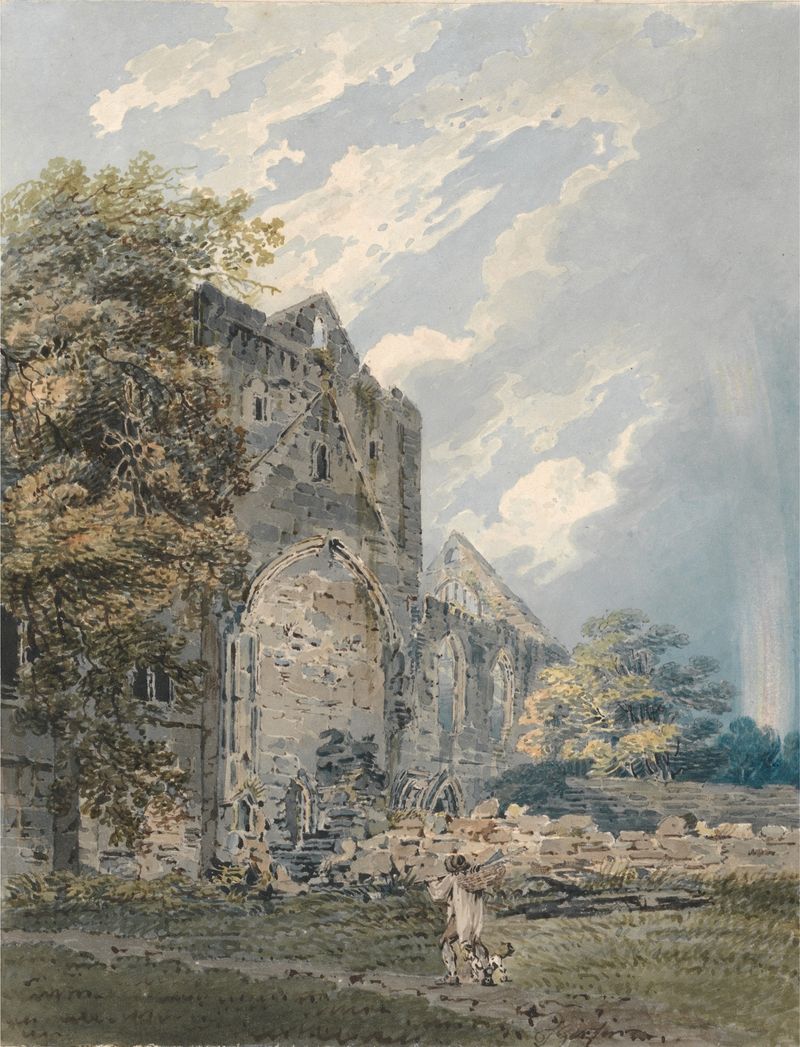
Pluscardine Abbey, Elgin
Thomas Girtin
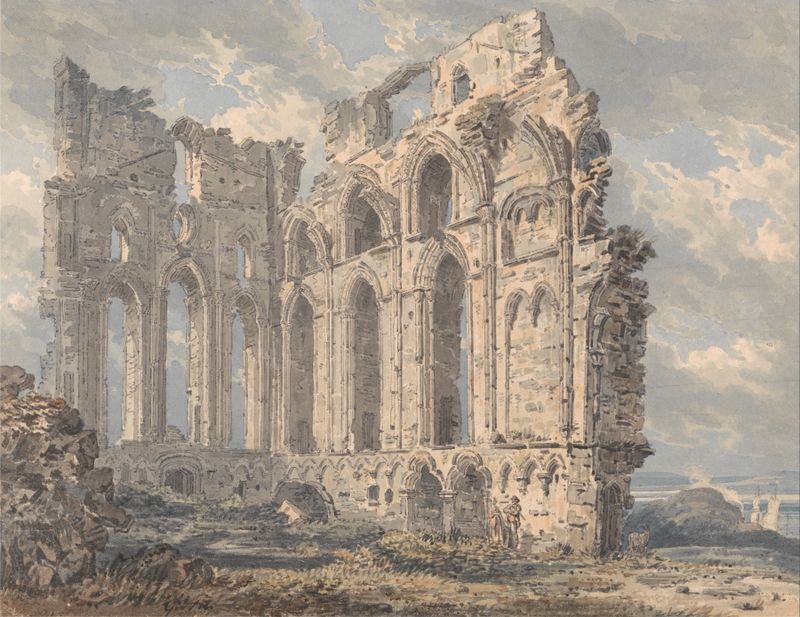
Tynemouth Priory, Northumberland
Thomas Girtin
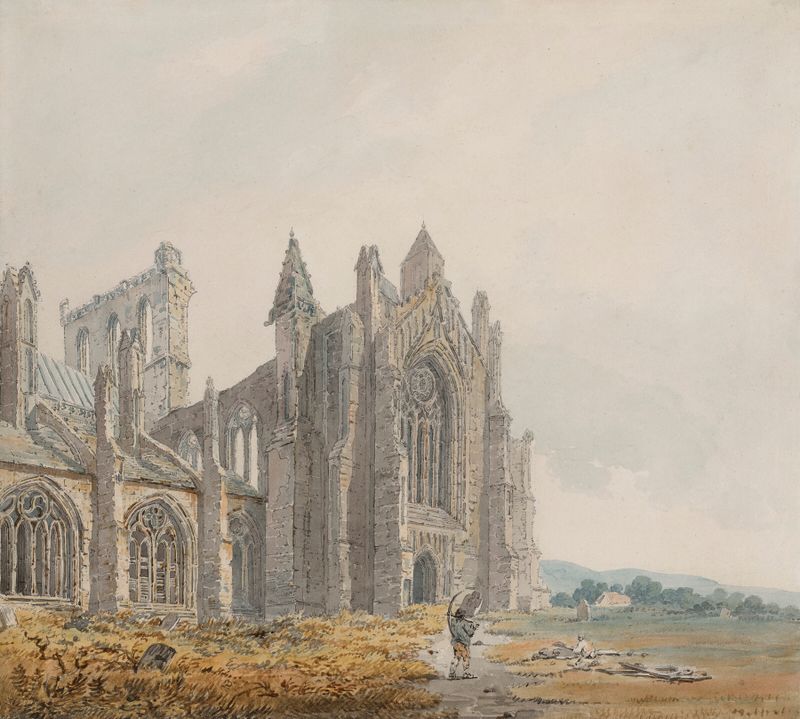
Melrose Abbey, Scotland
Thomas Girtin
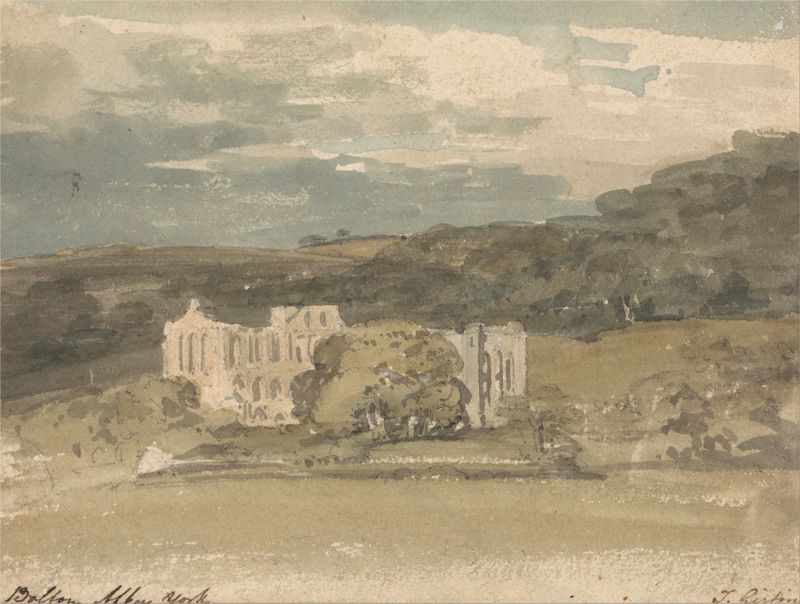
Rievaulx Abbey, Yorkshire
Thomas Girtin
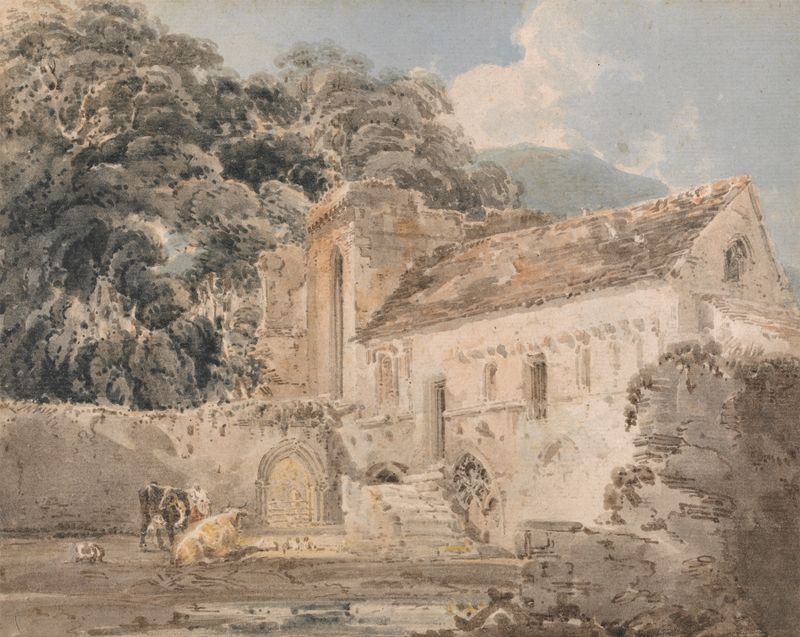
Valle Crucis Abbey, Denbighshire
Thomas Girtin
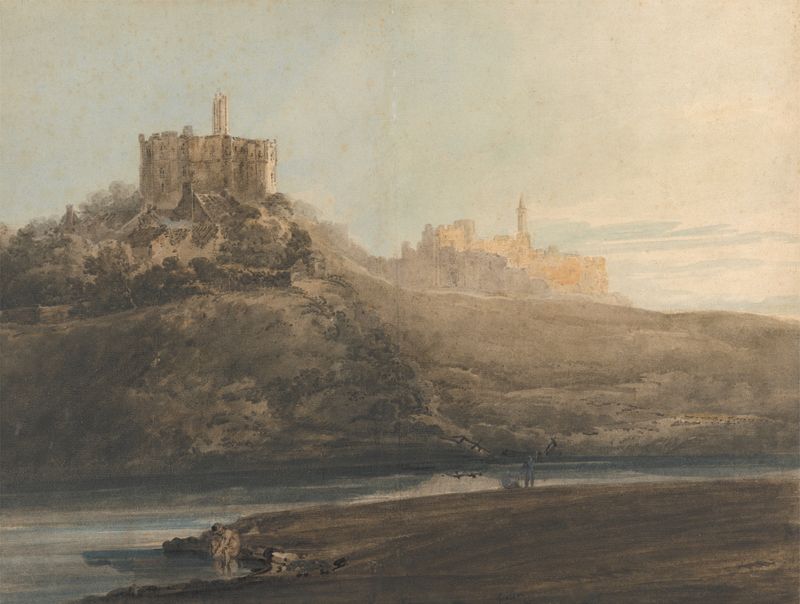
Warkworth Castle, Northumberland
Thomas Girtin
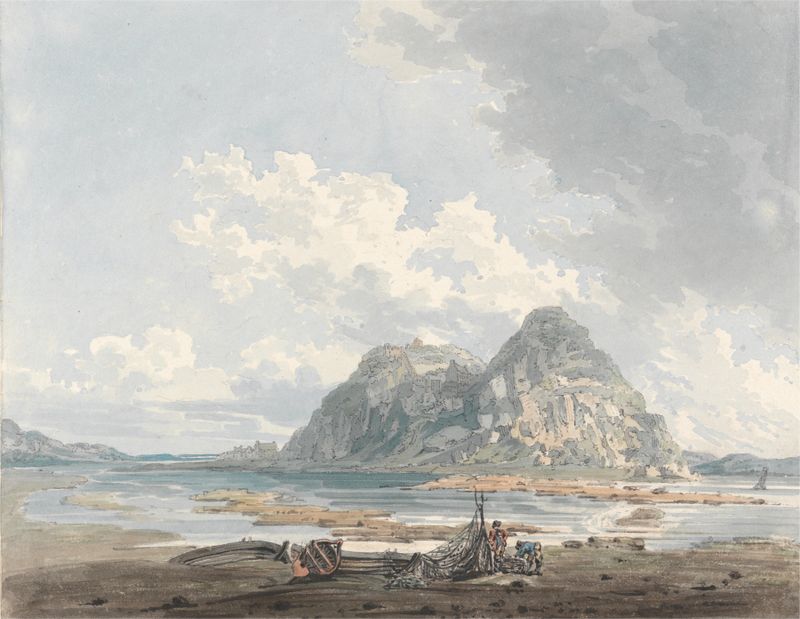
Dumbarton Rock and Castle
Thomas Girtin





