
View of the Pantheon from the Arsenal — History & Facts
In the stillness of captured moments, silence itself unfolds, revealing the essence of urban life and history intertwined. Look to the left at the majestic dome of the Pantheon, its grandeur framed by the delicate architecture surrounding it. The rich earth tones contrast beautifully with the soft blues of the sky, capturing the vibrancy of a moment frozen in time. Girtin’s use of watercolor creates a gentle translucence, allowing light to shimmer across the surfaces, inviting the viewer to linger in this tranquil scene.
The brushwork, fluid and deliberate, guides our gaze, emphasizing the harmonious relationship between the monument and its environment. Beneath the surface of the tranquil panorama lies a tension between permanence and transience. The Pantheon stands as a symbol of enduring history, while the ephemeral quality of the watercolor medium evokes the fleeting nature of time. Small details, like the sparse figures in the foreground, reflect the silence of an early morning, perhaps hinting at the isolation felt within the hustle of city life.
This combination of the monumental and the minuscule compels us to reflect on our place within both the immediacy of the present and the weight of history. In 1802, the artist was immersed in a vibrant London art scene, where the Romantic movement began to reshape perceptions of nature and urban life. Girtin, a prominent landscape painter, was exploring new techniques and subjects, marking a significant transition in his career. This work, created while he was focused on the interplay of light and atmosphere, epitomizes a time when artists sought to express emotional depth through the beauty of their surroundings.
More Artworks by Thomas Girtin
Browse all →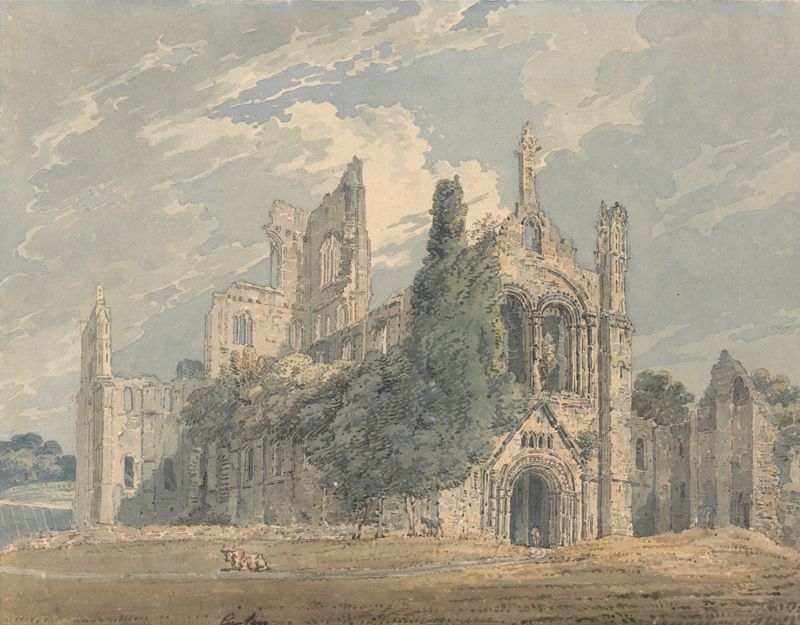
Kirkstall Abbey from the N.W.
Thomas Girtin
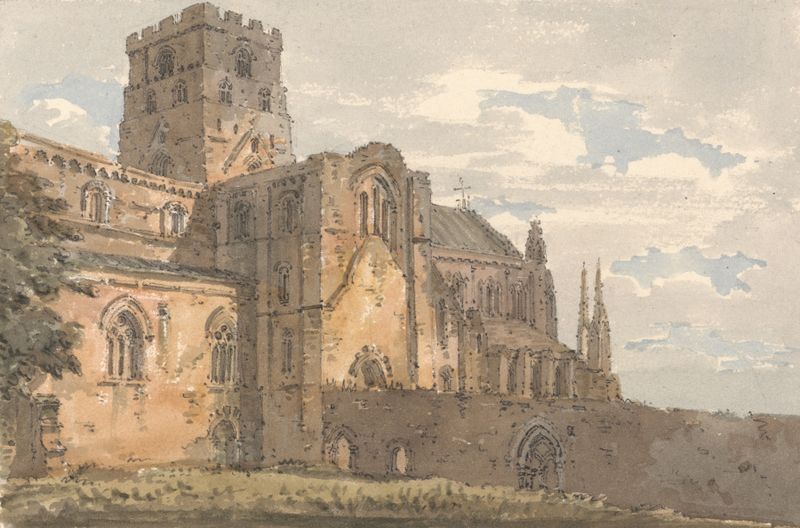
Carlisle Cathedral, Cumberland, from the South-west
Thomas Girtin
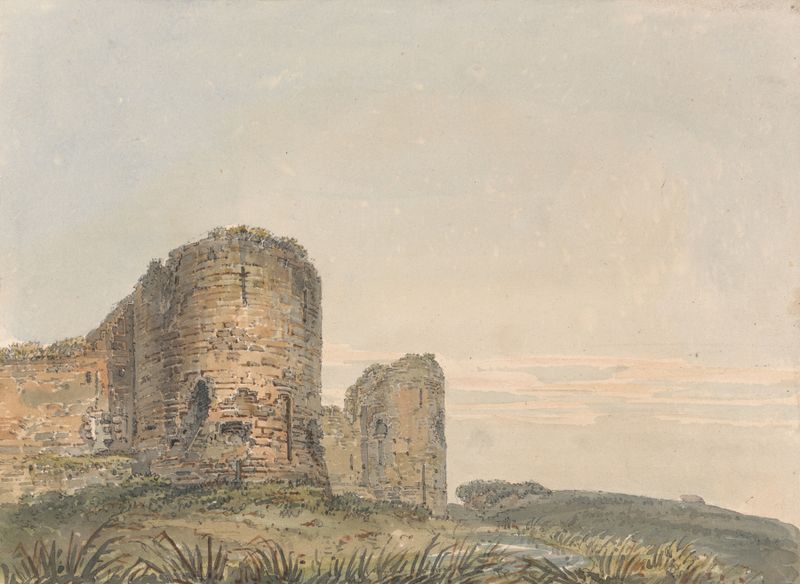
Pevensey Castle, Sussex
Thomas Girtin
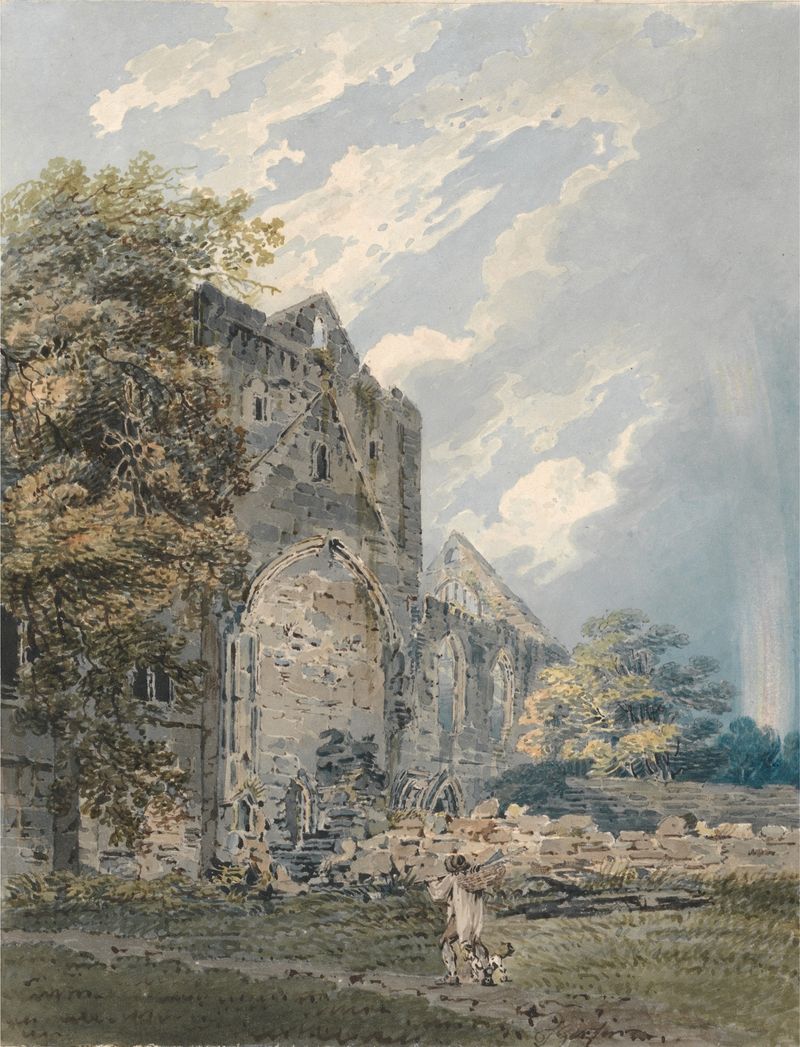
Pluscardine Abbey, Elgin
Thomas Girtin
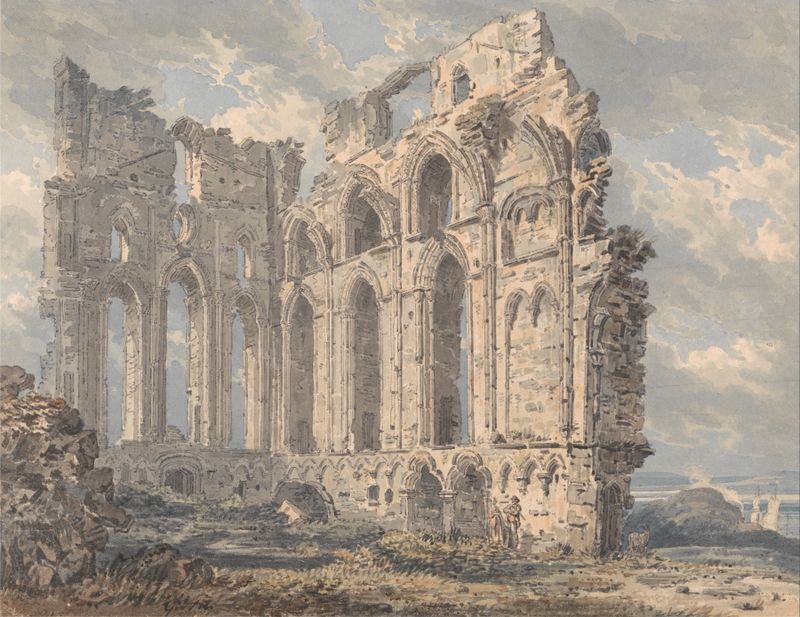
Tynemouth Priory, Northumberland
Thomas Girtin
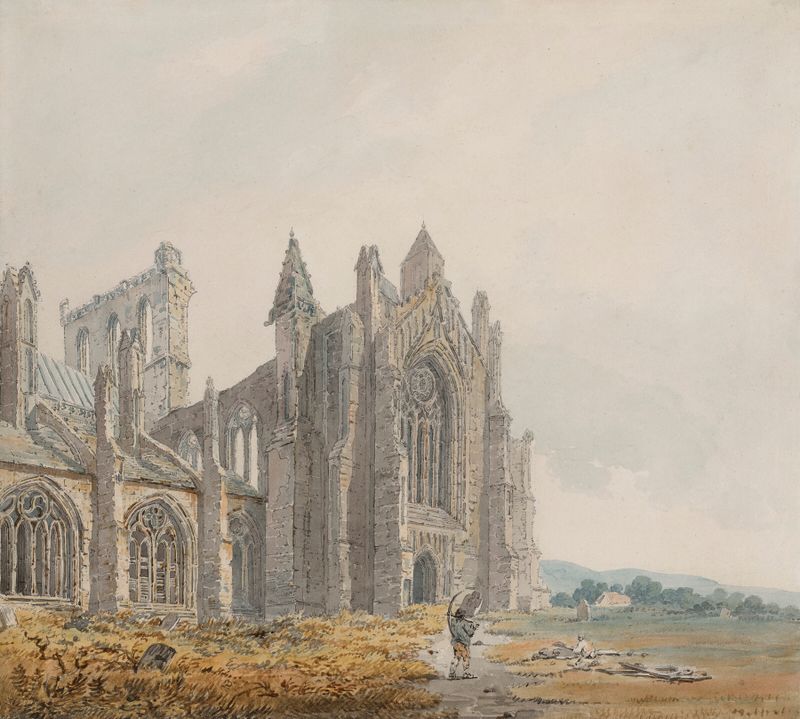
Melrose Abbey, Scotland
Thomas Girtin
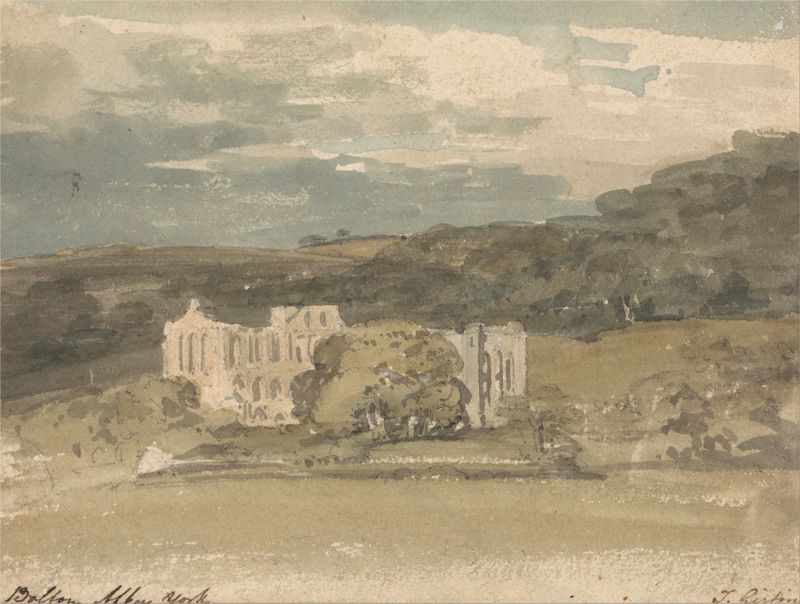
Rievaulx Abbey, Yorkshire
Thomas Girtin
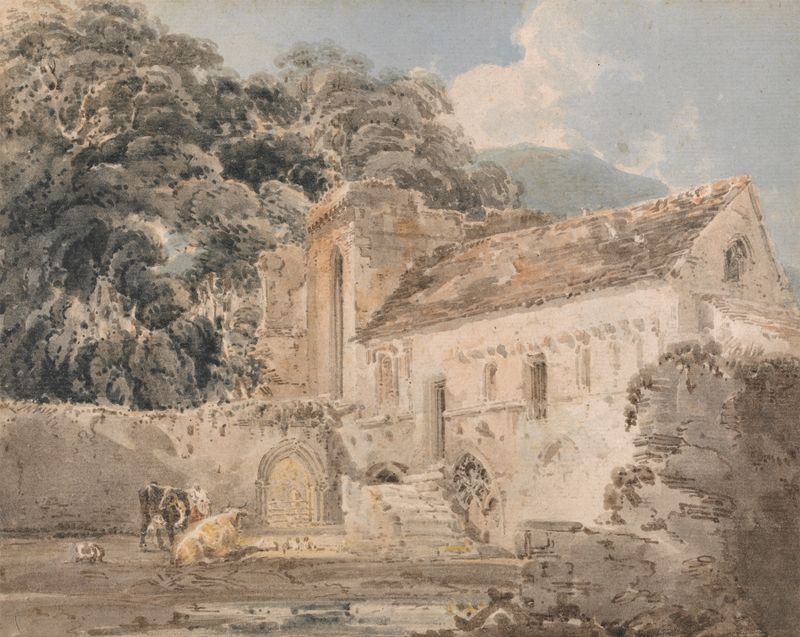
Valle Crucis Abbey, Denbighshire
Thomas Girtin
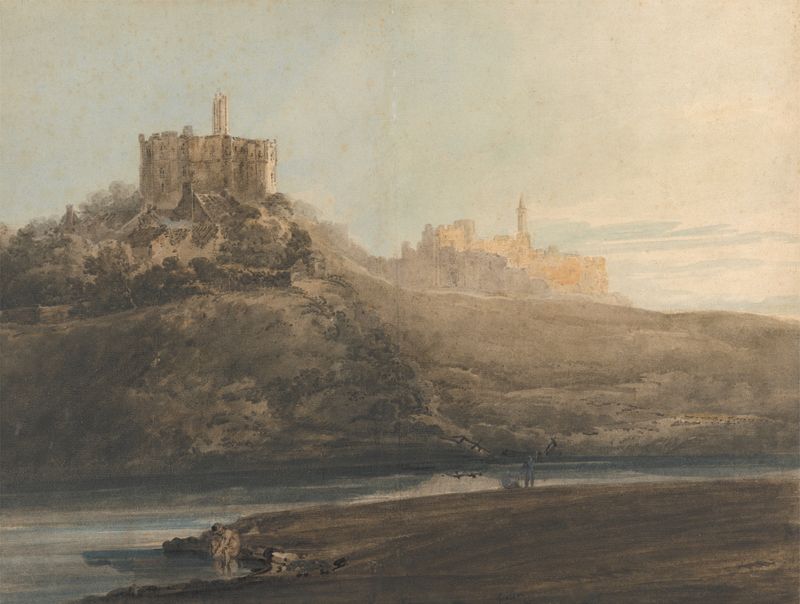
Warkworth Castle, Northumberland
Thomas Girtin
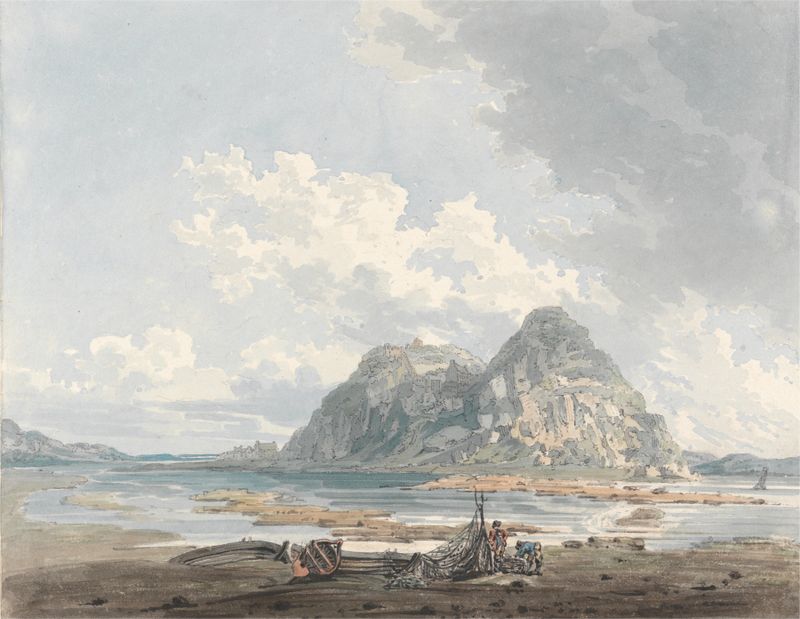
Dumbarton Rock and Castle
Thomas Girtin
More Architecture Art
Browse all →
The statue of Liberty
Frédéric Auguste Bartholdi

View of Houses in Delft, Known as ‘The Little Street’
Johannes Vermeer

View of Houses in Delft, Known as ‘The Little Street’
Johannes Vermeer

The Cathedral in Rouen. The portal, Grey Weather
Claude Monet

The yellow house
Vincent van Gogh

The Church in Auvers-sur-Oise, View from the Chevet
Vincent van Gogh