View of the Van Iseghemlaan — History & Analysis
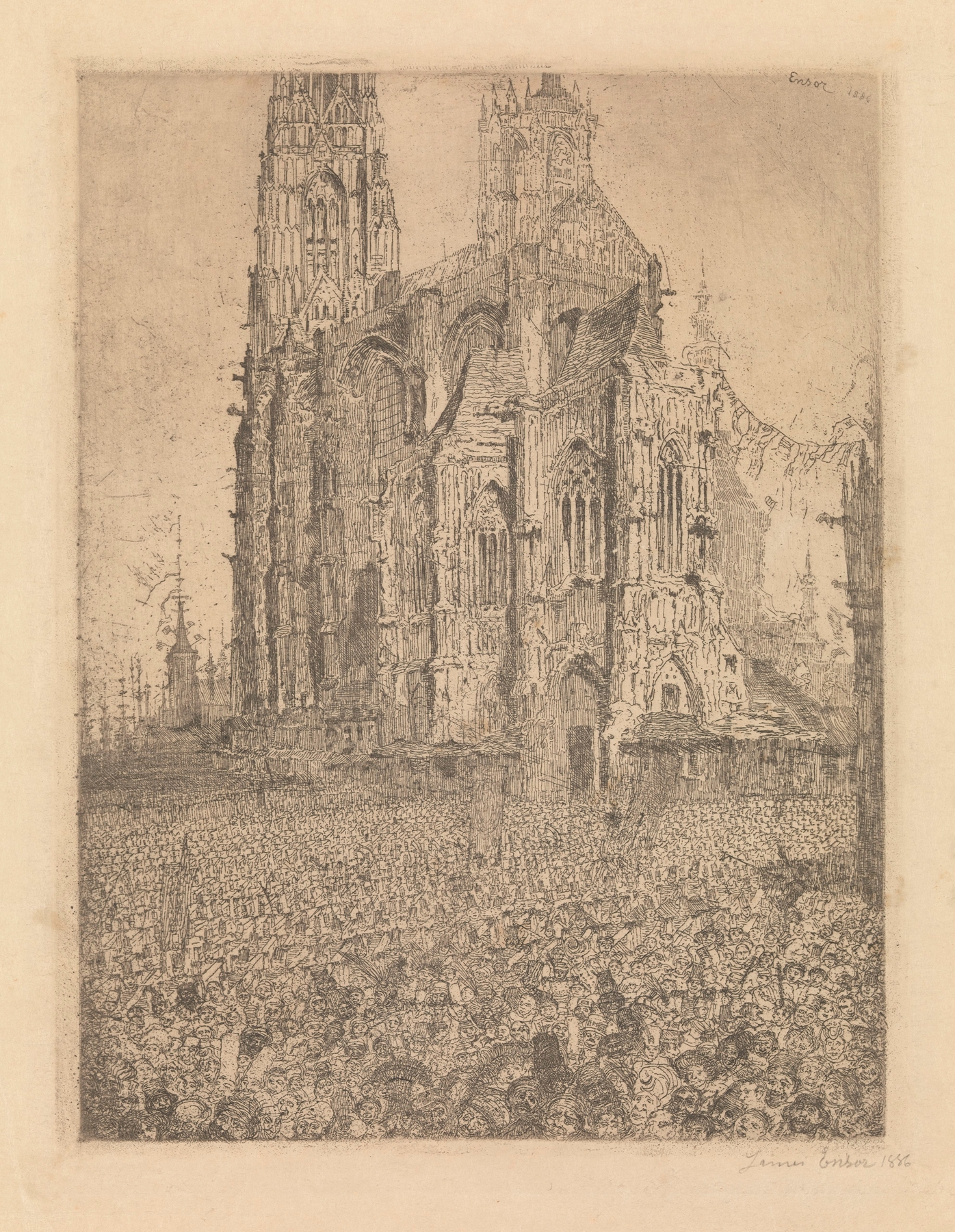
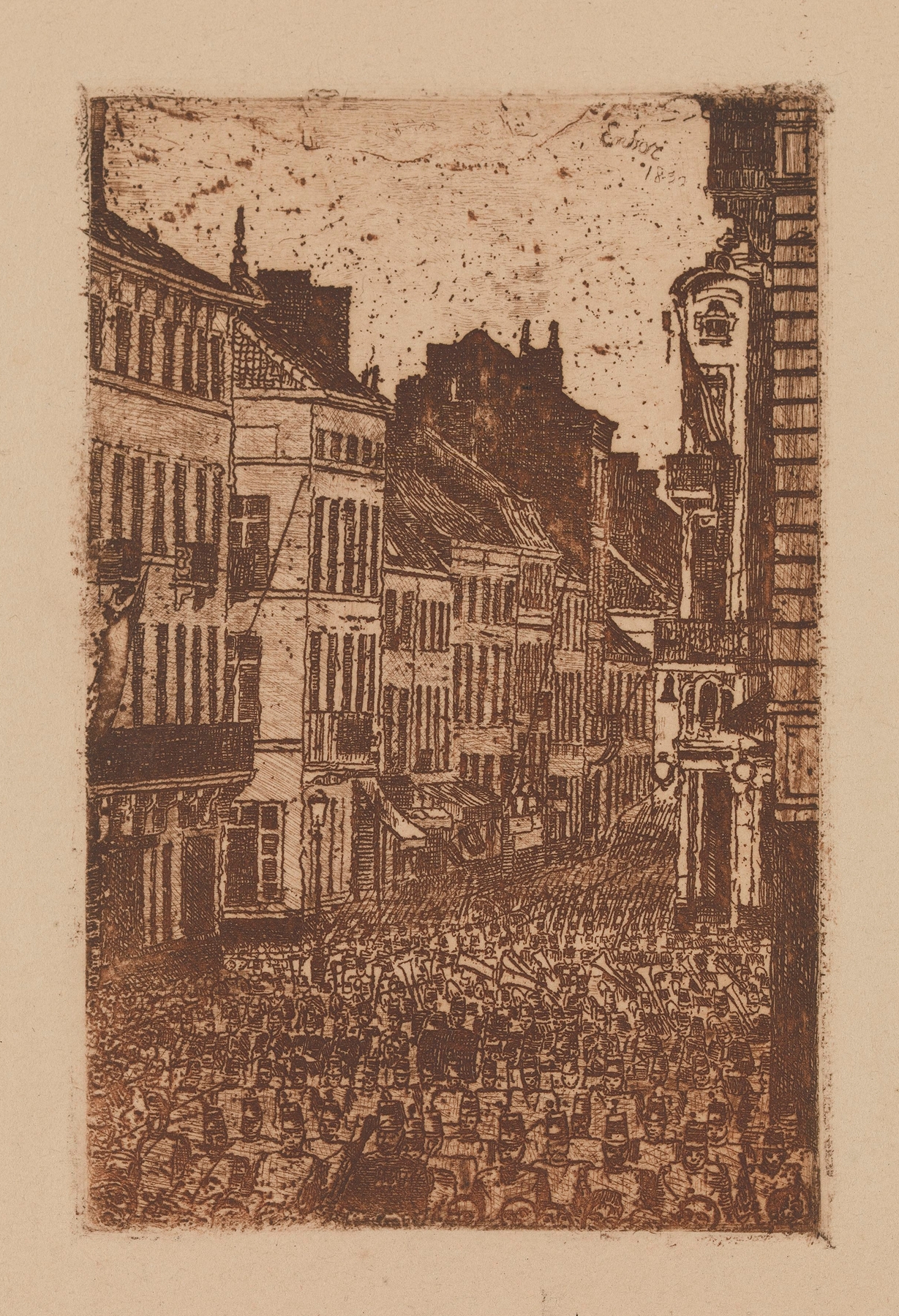
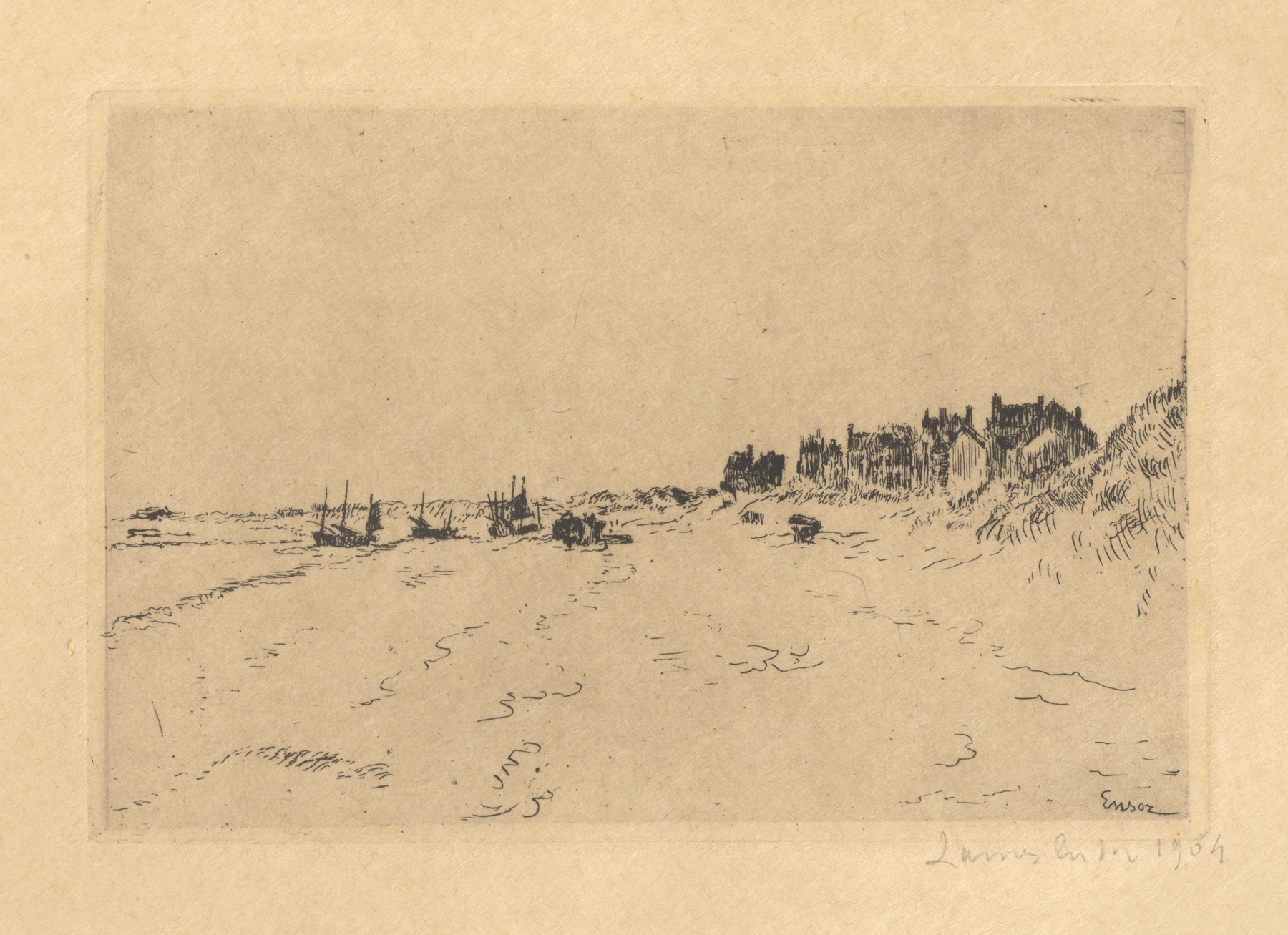
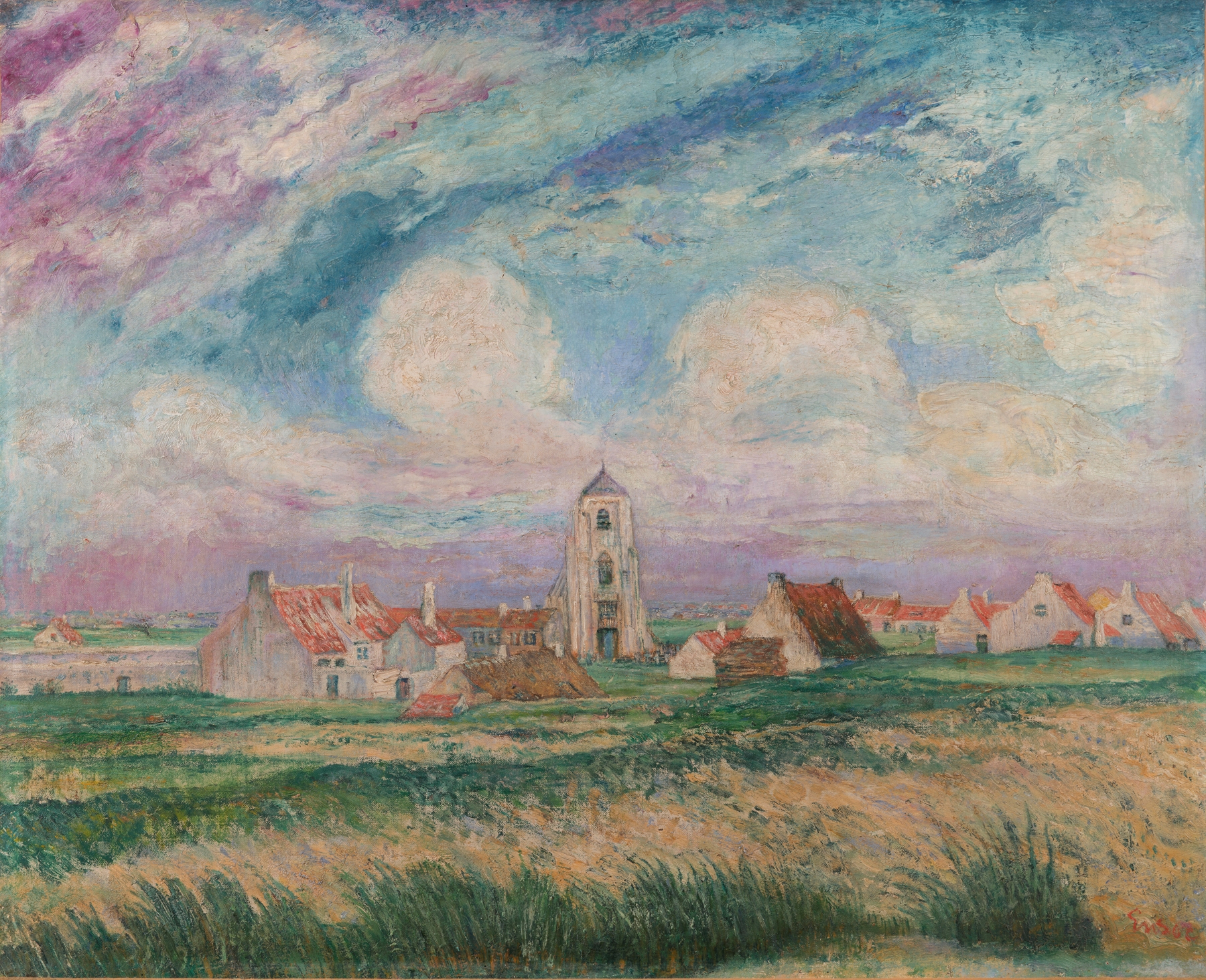
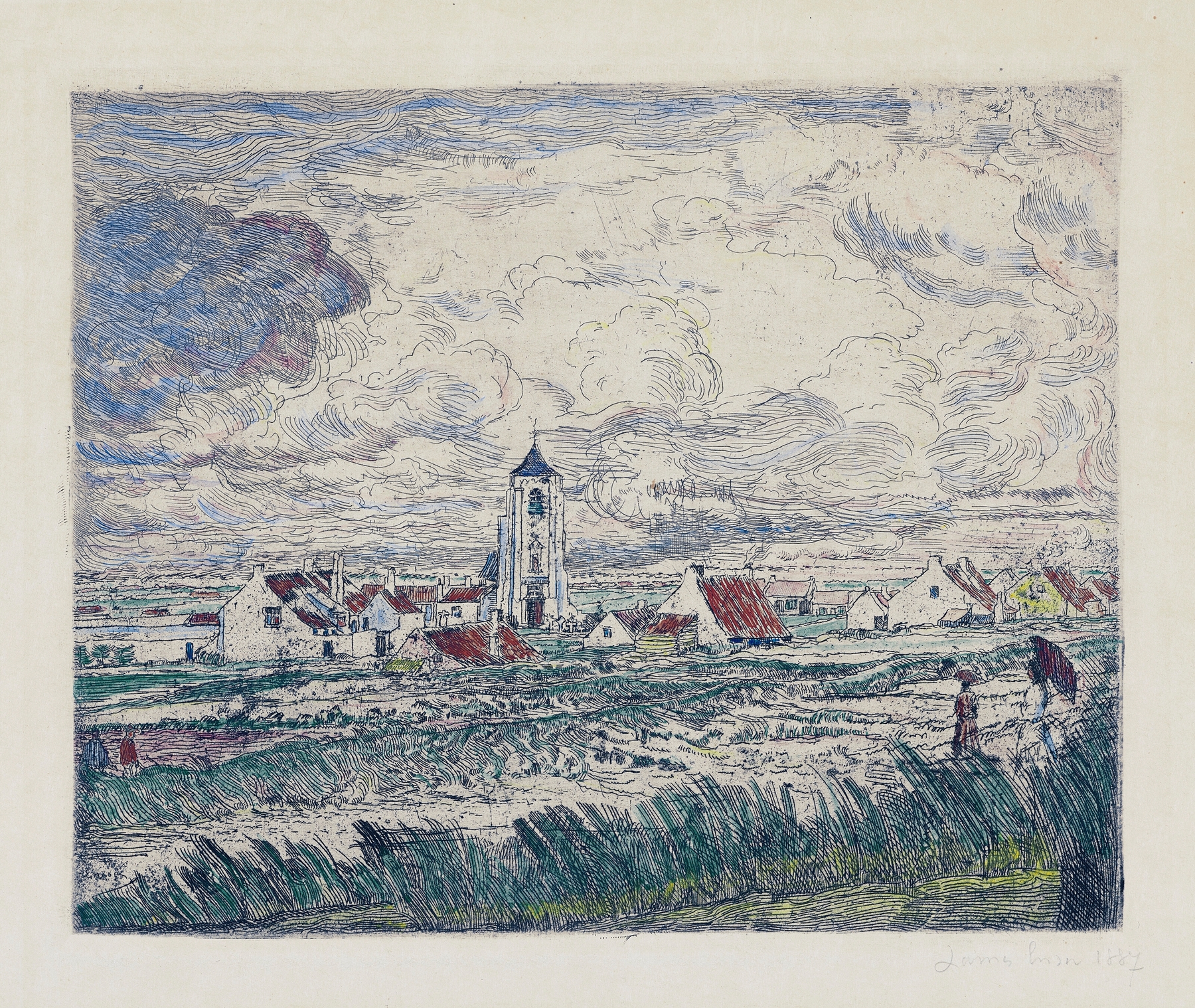
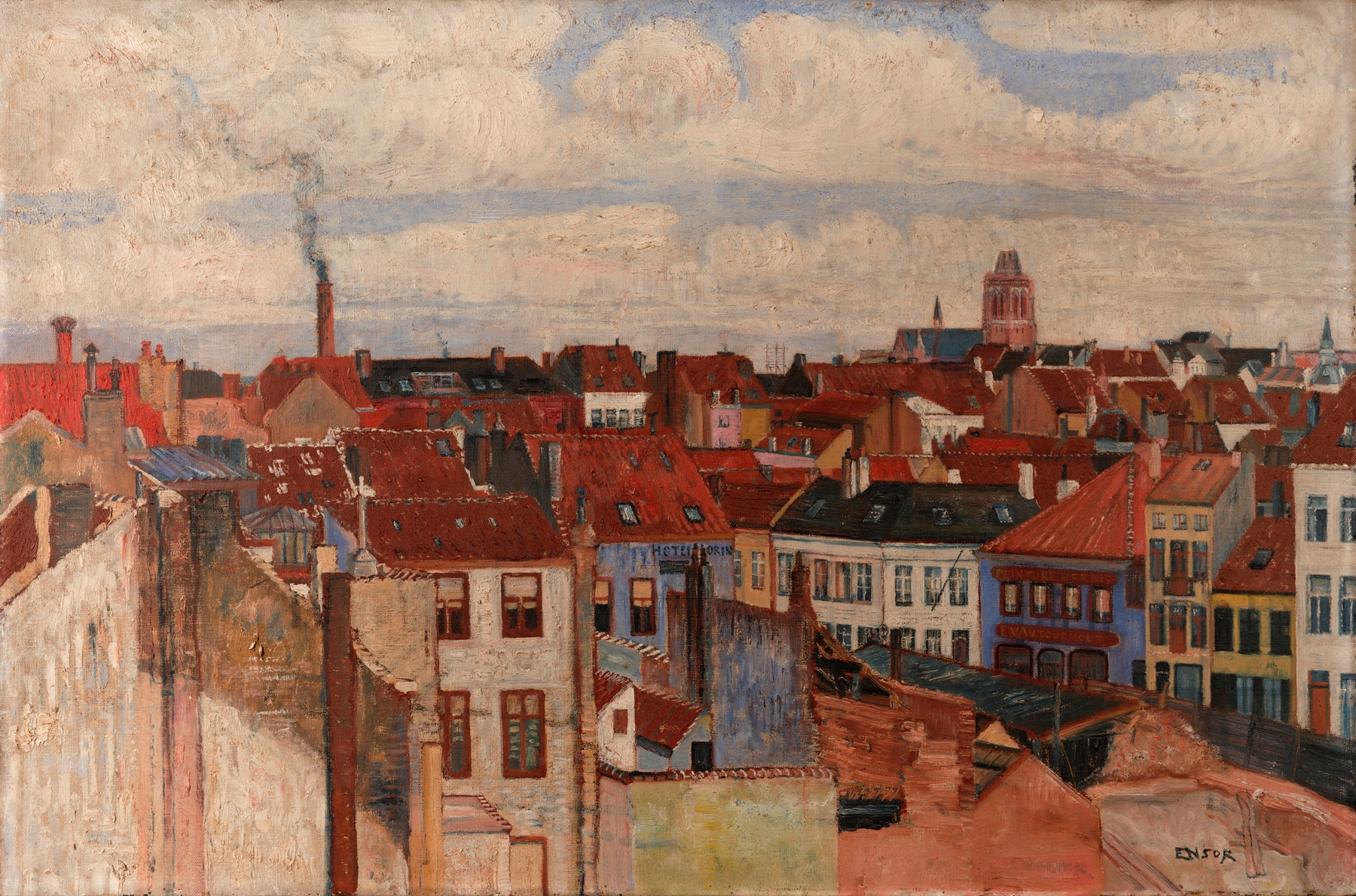
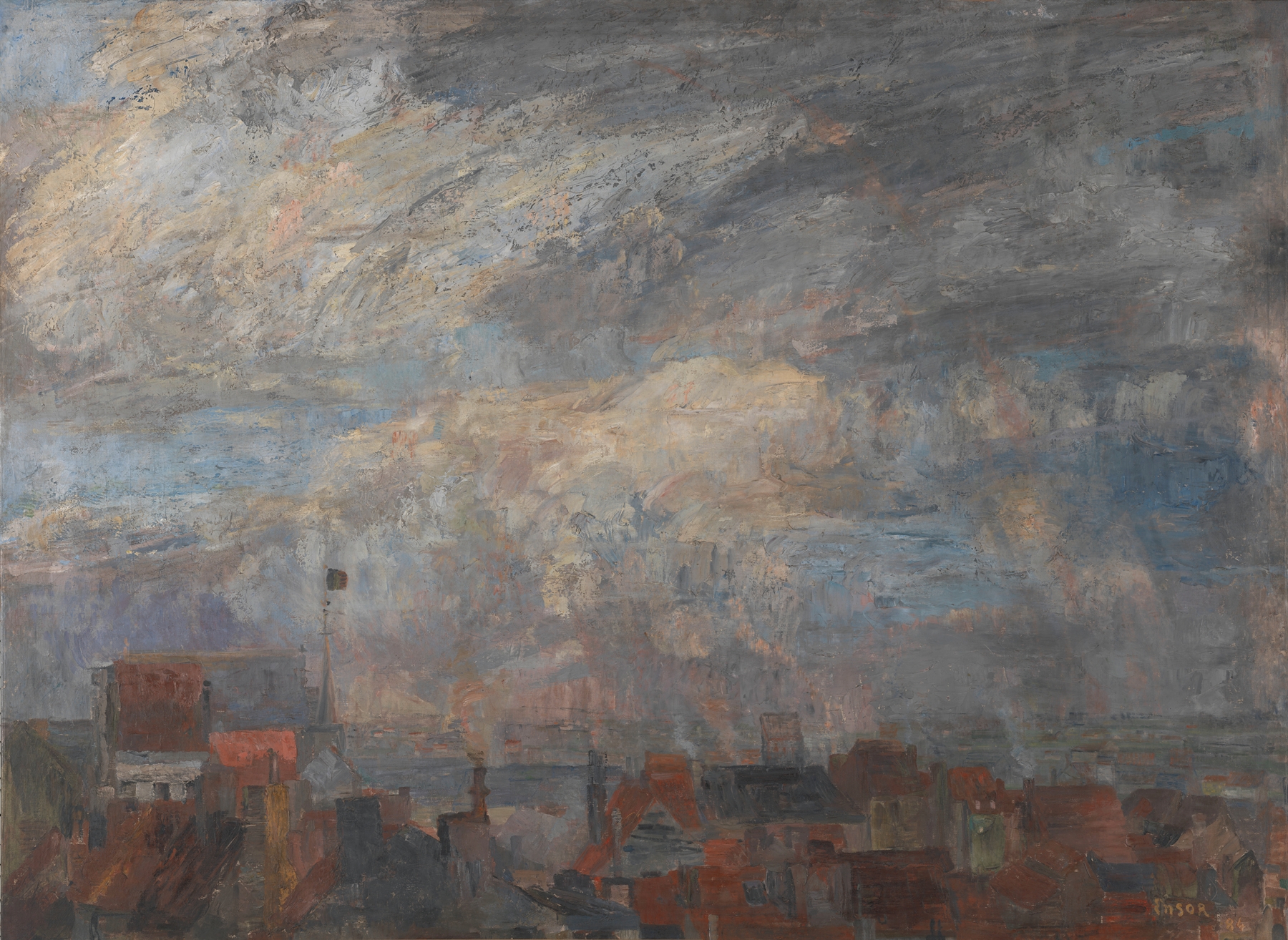
“Every brushstroke is a heartbeat remembered.” In the quietude of art, beauty unfurls itself like a delicate petal, inviting contemplation and connection. Look to the foreground where layers of color dance together, forming the essence of the streets. The viewer’s eye is immediately drawn to the vibrant greens and blues that create a lively backdrop, hinting at the life pulsing just beyond the frame. Notice how the light plays across the canvas, illuminating the intricate details of the buildings while casting subtle shadows that suggest both depth and intimacy.
The artist’s skillful use of contrasting hues evokes a sense of warmth and vibrancy, imbuing the scene with a rhythm that feels almost musical. As you peer closer, nuances reveal themselves: splashes of earthy browns juxtaposed against the cool tones evoke a dialogue between nature and urbanity. The figures, though small, are imbued with a sense of purpose; their gestures create a narrative of daily life that resonates with the viewer. There’s a tension between movement and stillness, capturing the transient beauty of a moment that is both fleeting and eternal, inviting us to pause and reflect.
In 1906, the artist created this piece in the lively city of Ostend, where he was entrenched in the vibrant art scene of Belgium. At this time, Ensor was gaining recognition for his unique blend of color, form, and emotional depth, reflecting a shift in the artistic world that embraced both realism and expressionism. The work speaks to his personal evolution as an artist, as he sought to encapsulate the beauty of his surroundings while exploring the complexities of human experience.