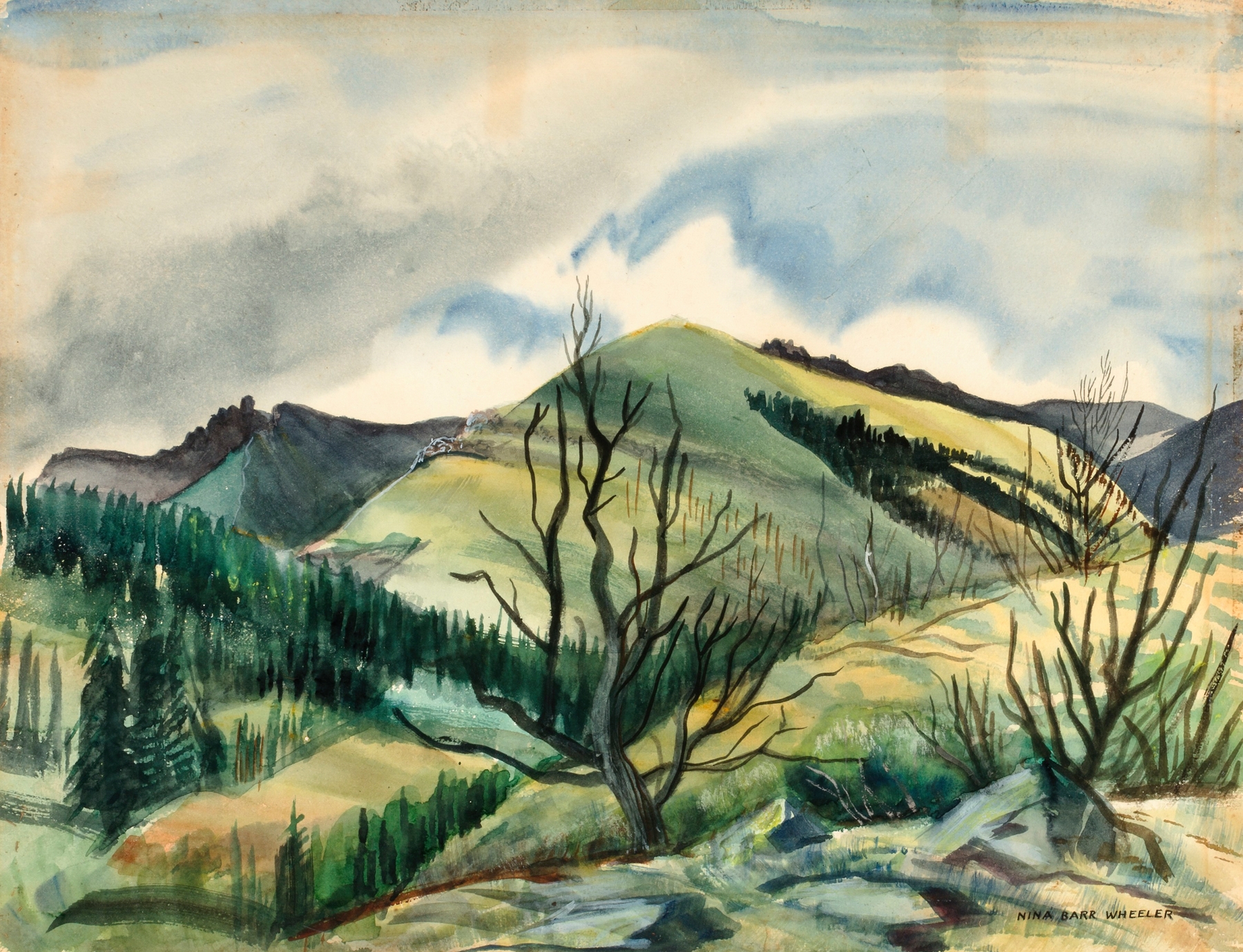
Discover insights about this artwork
View of Tivoli — History & Facts
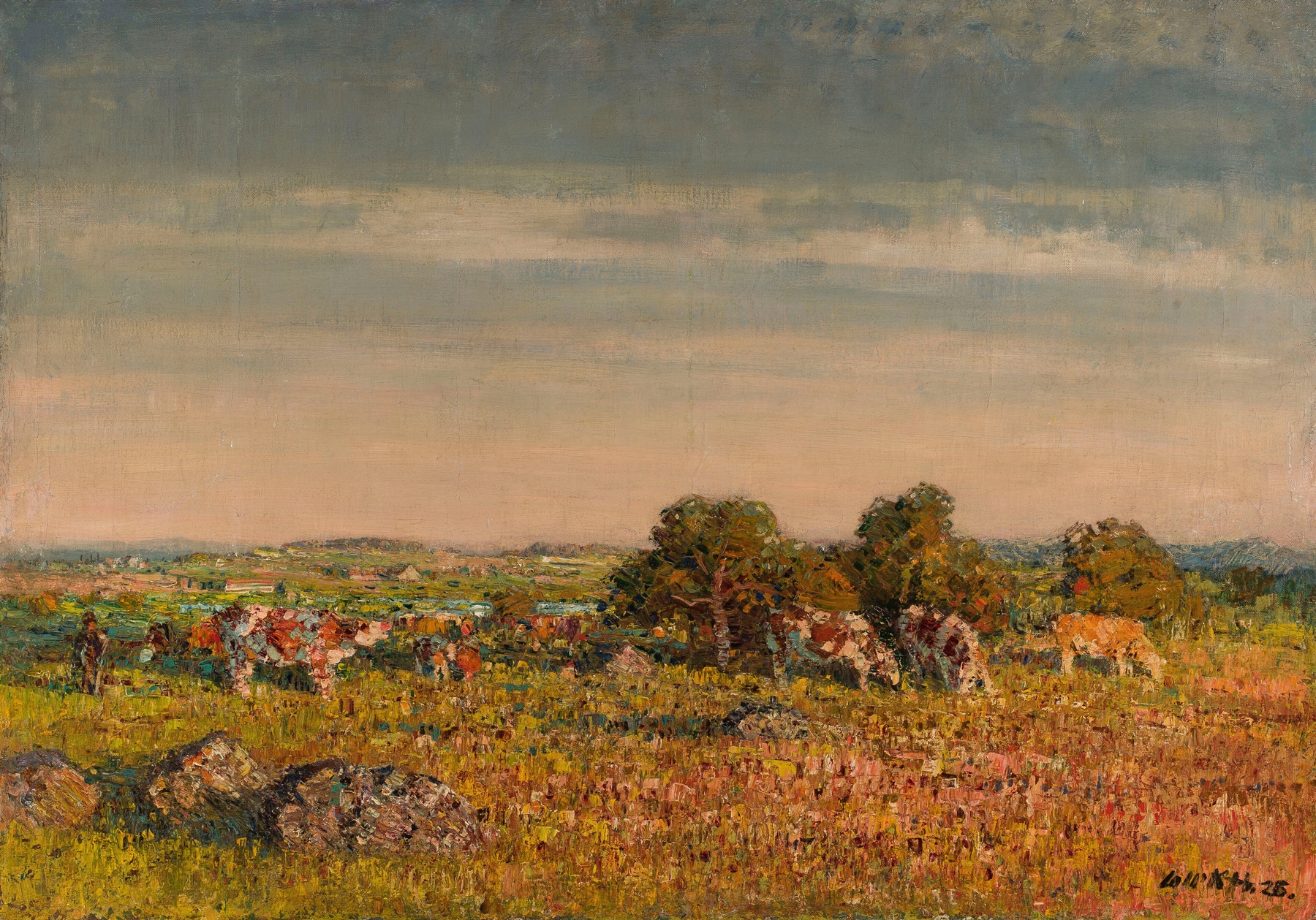
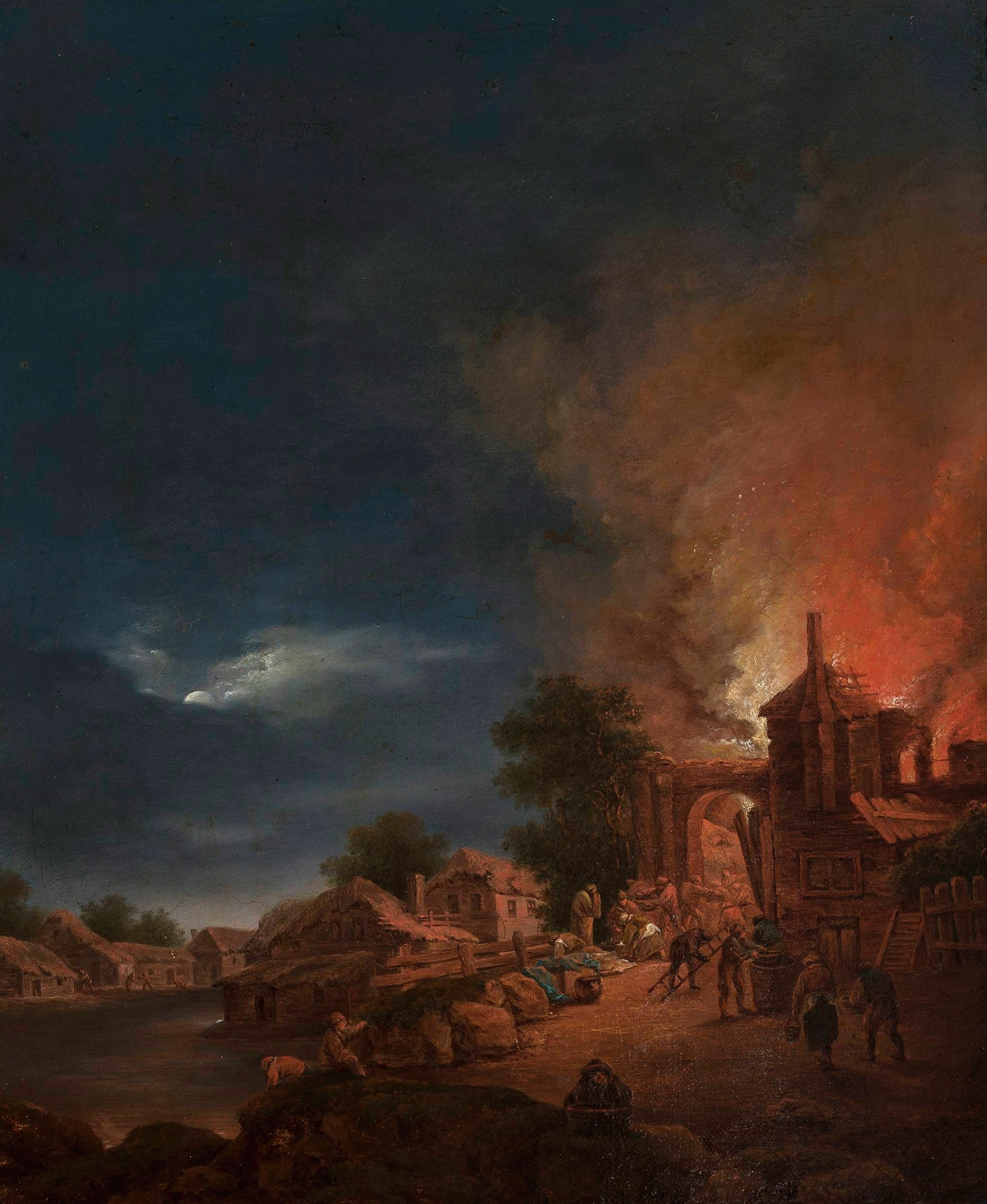
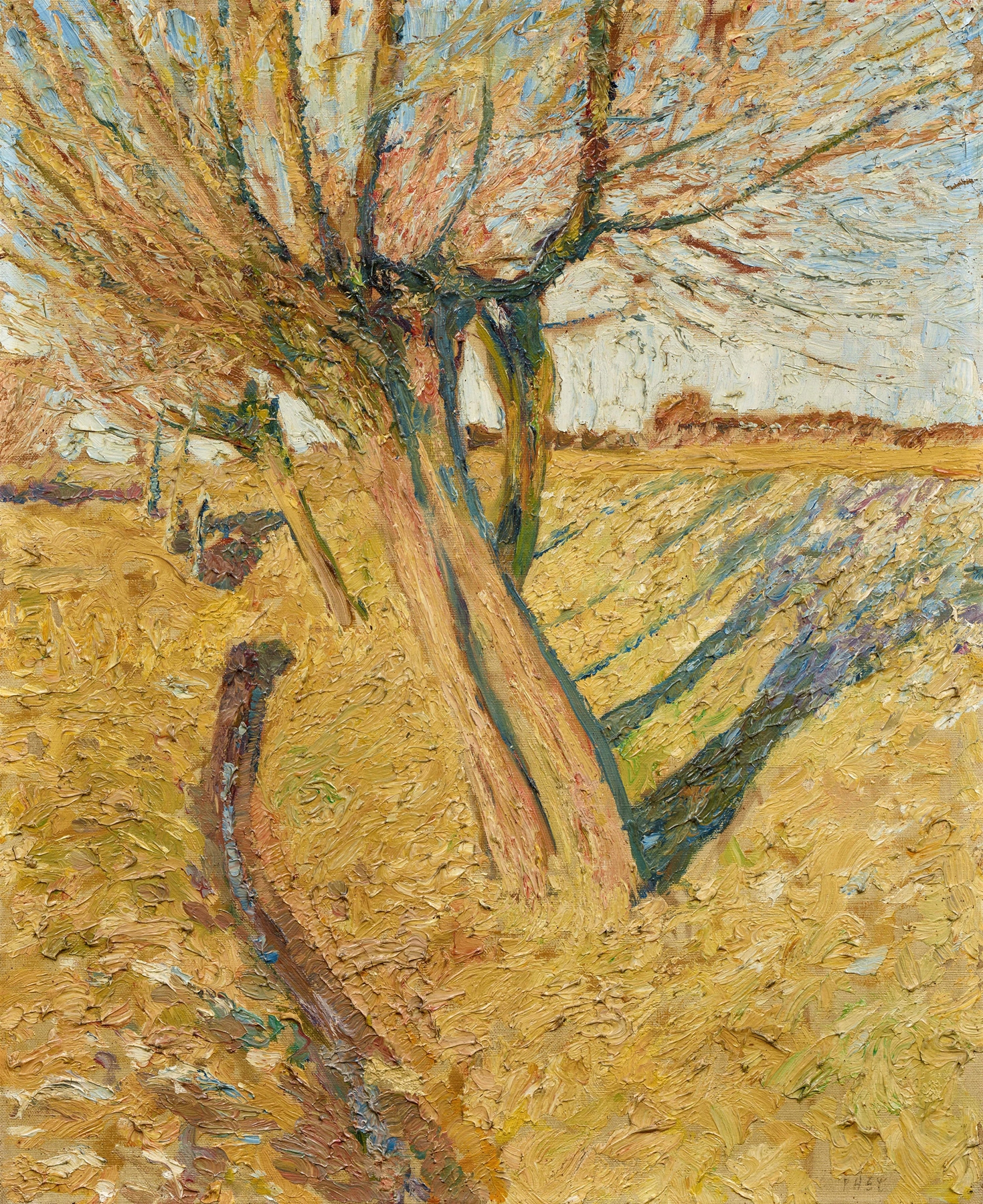
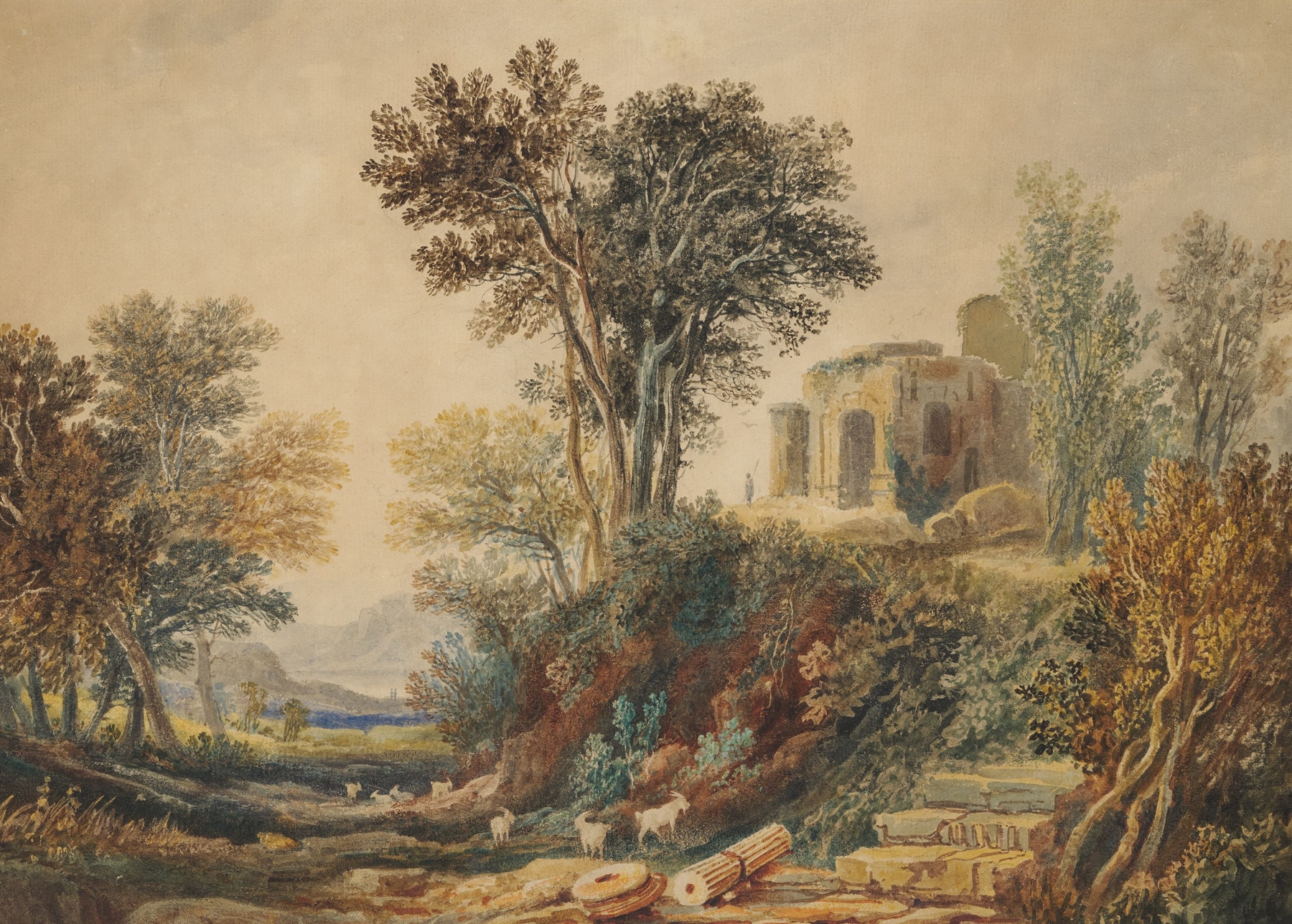
In View of Tivoli, Claude Lorrain presents a lush landscape filled with vibrant greens and soft blues. The painting captures the essence of the Italian countryside, showcasing rolling hills and a serene sky. A small group of figures can be seen in the foreground, adding a sense of scale and life to the scene.
The distant town of Tivoli is nestled among the hills, creating a picturesque backdrop. The painting is executed in oil on canvas, a common medium during the Baroque period. Lorrain's use of light and shadow enhances the depth of the landscape, drawing the viewer's eye towards the horizon. The colors are rich and harmonious, typical of Lorrain's style, which emphasizes the beauty of nature.
This work is approximately 100 x 130 cm in size, making it a significant piece in any collection. Claude Lorrain was known for his idealized landscapes, and View of Tivoli is a prime example of his work. Created in the 1640s, this painting reflects the artist's fascination with the interplay of light and nature. Interestingly, Lorrain often included classical ruins in his landscapes, but in this piece, the focus is on the natural beauty of the setting.
His works greatly influenced later landscape artists, establishing a standard for the genre.
More Artworks by Claude Lorrain
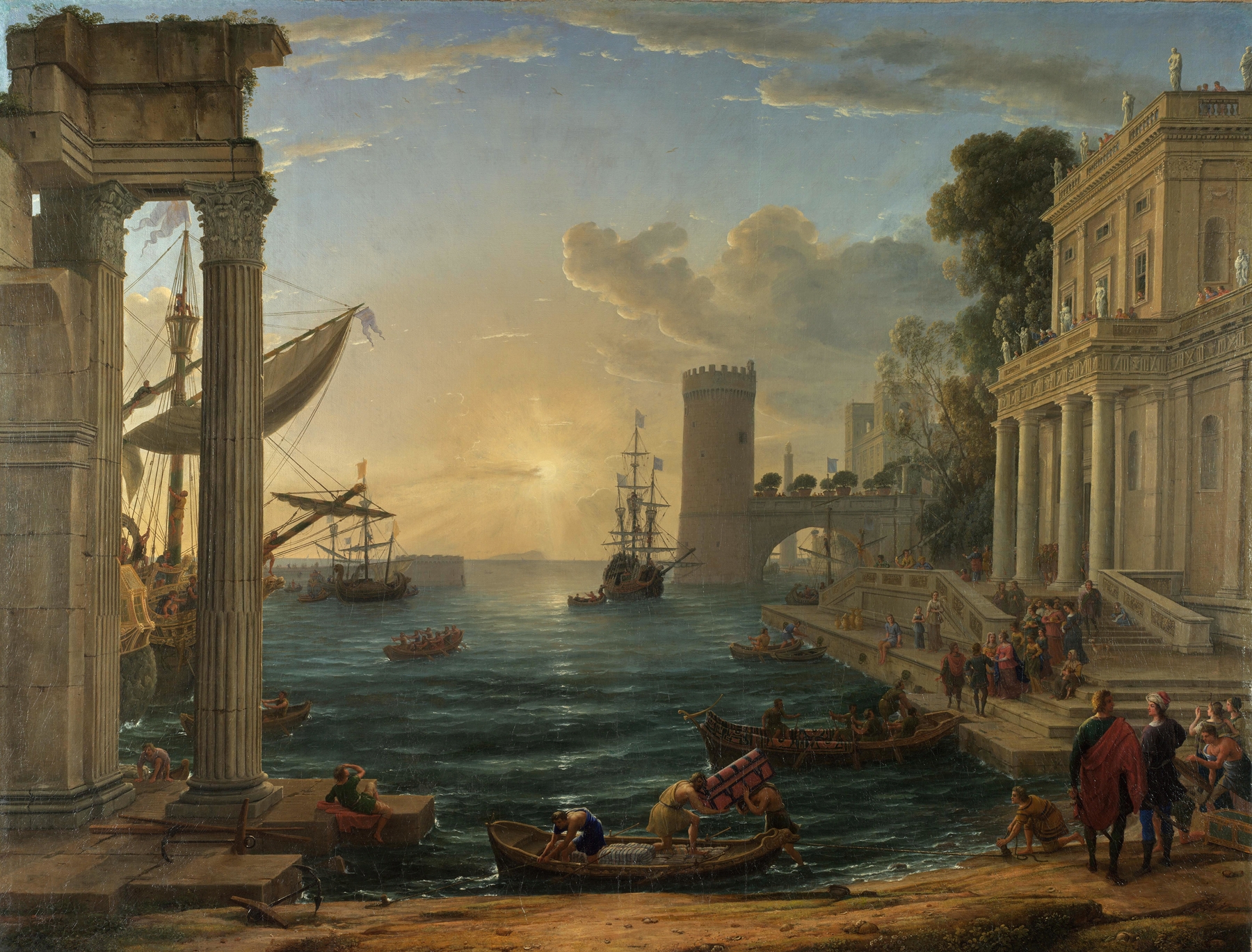
The Embarkation of the Queen of Sheba
Claude Lorrain
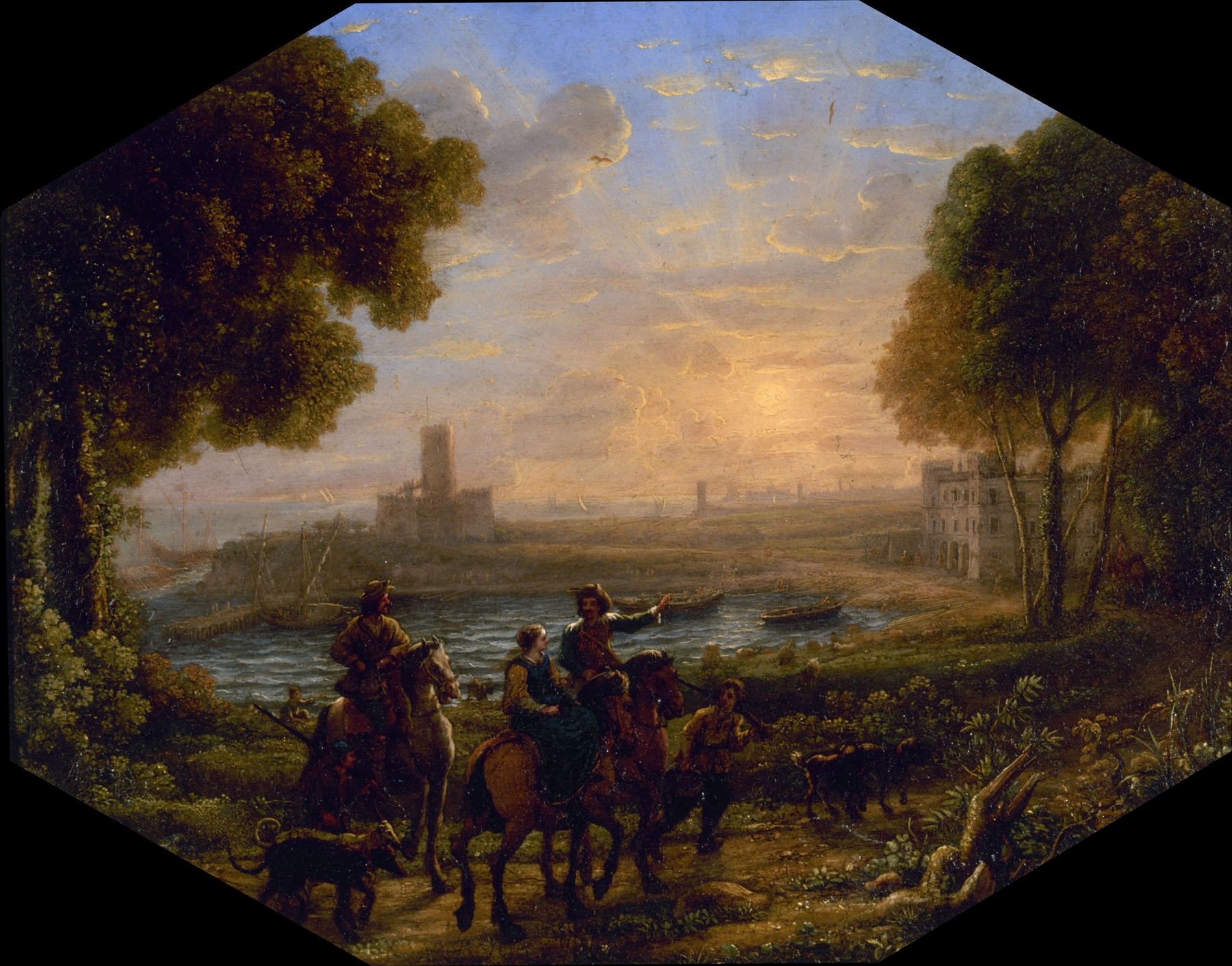
Paysage avec le port de Santa Marinella
Claude Lorrain
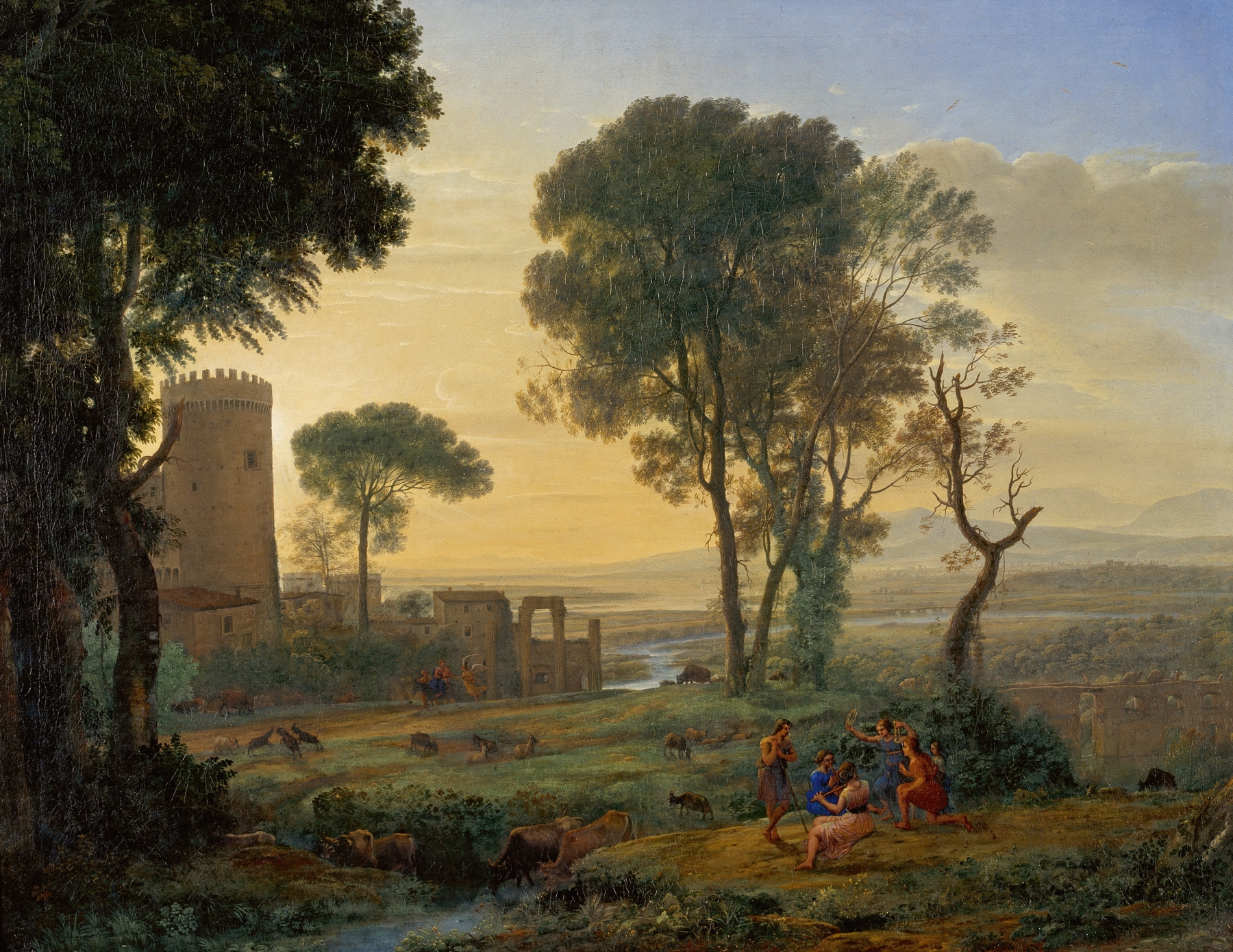
Landscape with the Flight into Egypt
Claude Lorrain
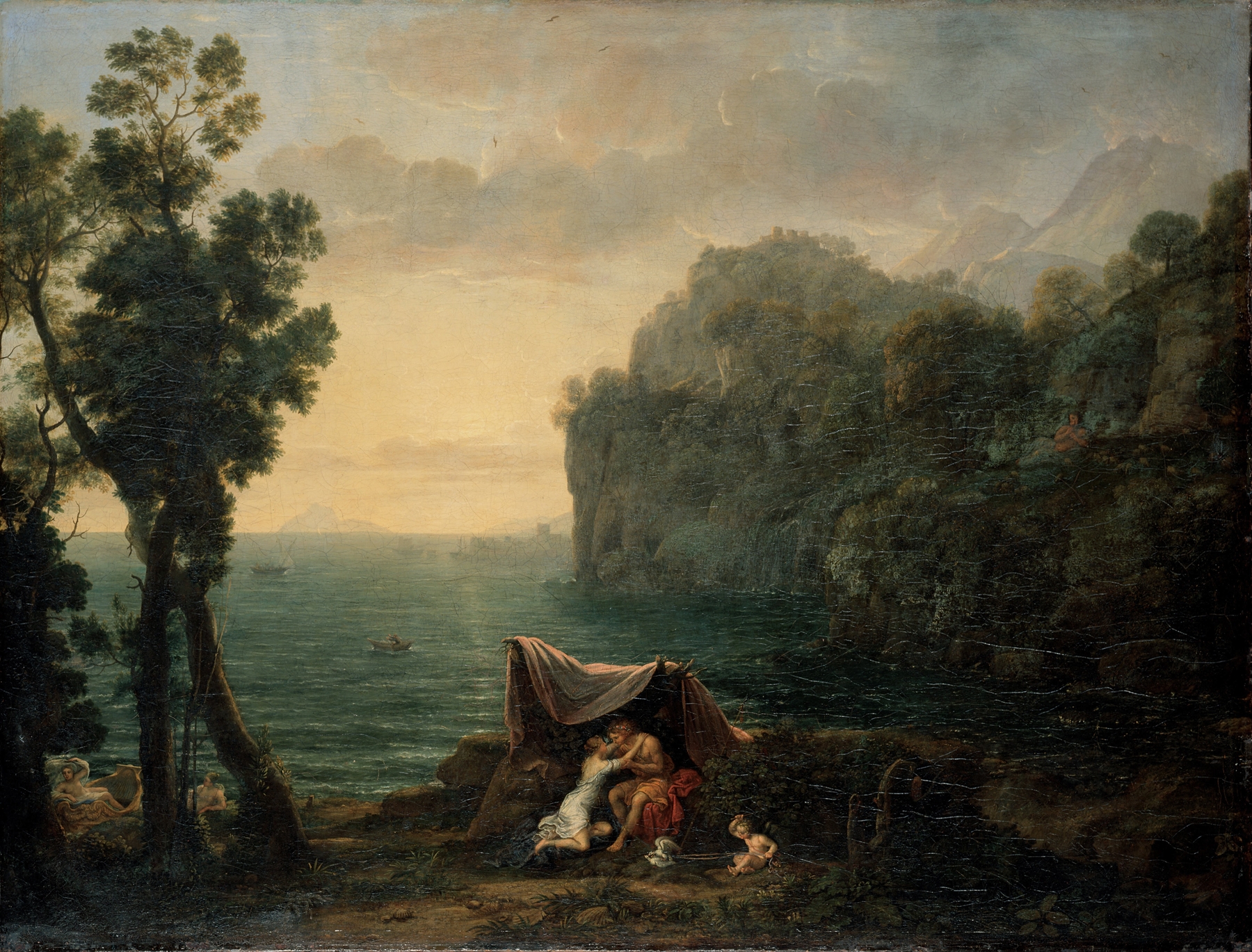
Landscape with Acis and Galatea
Claude Lorrain
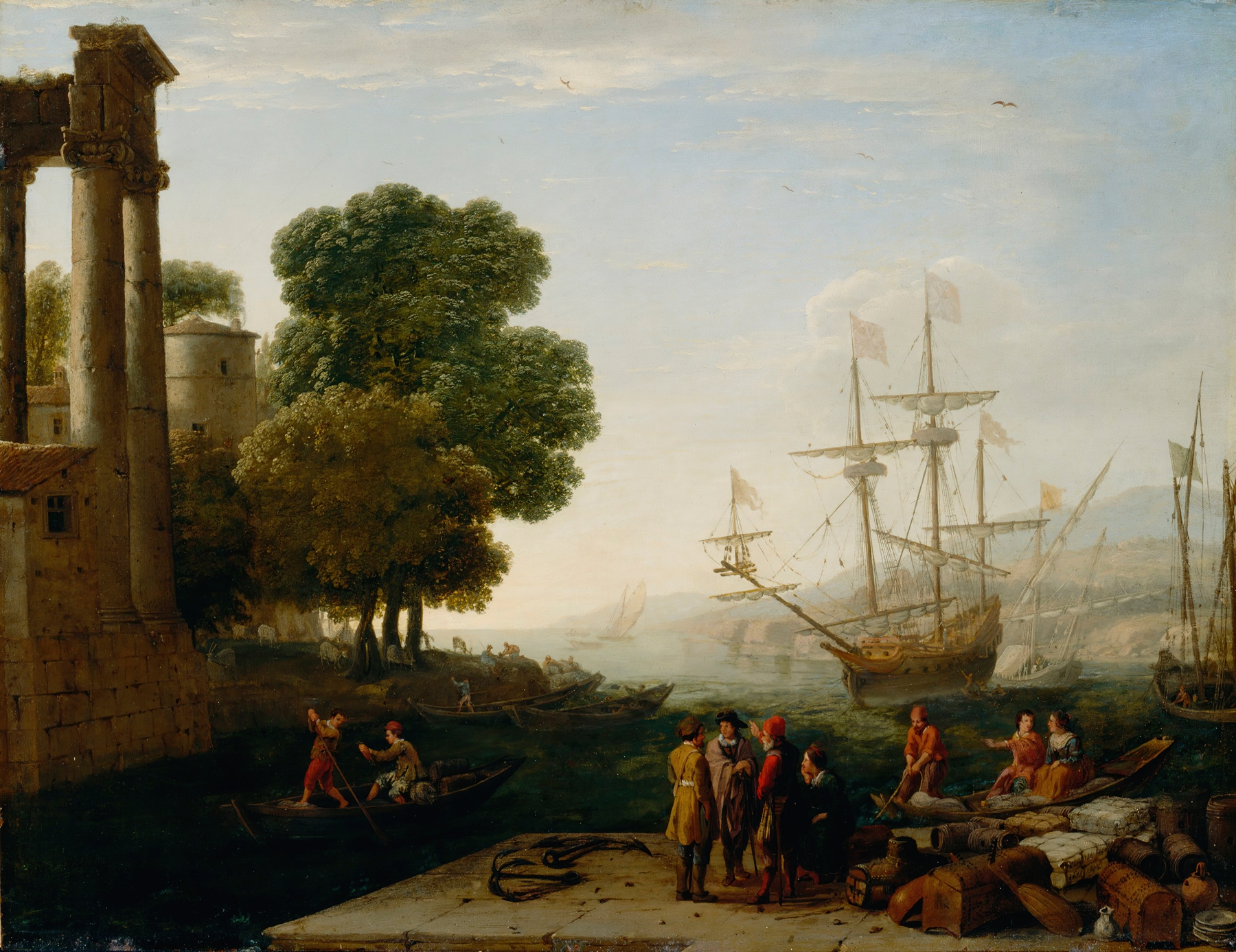
A Seaport at Sunset
Claude Lorrain
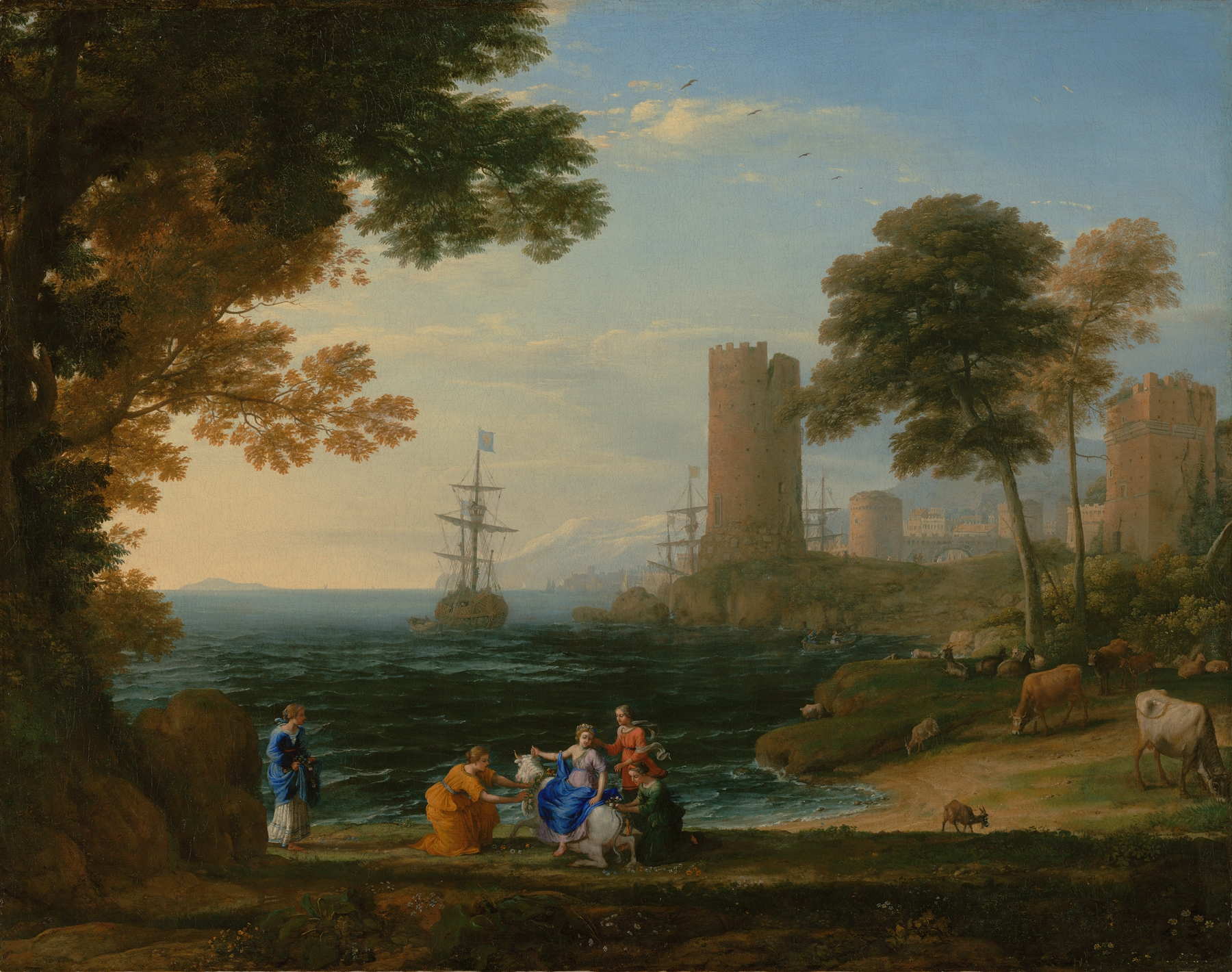
Coast View with the Abduction of Europa
Claude Lorrain
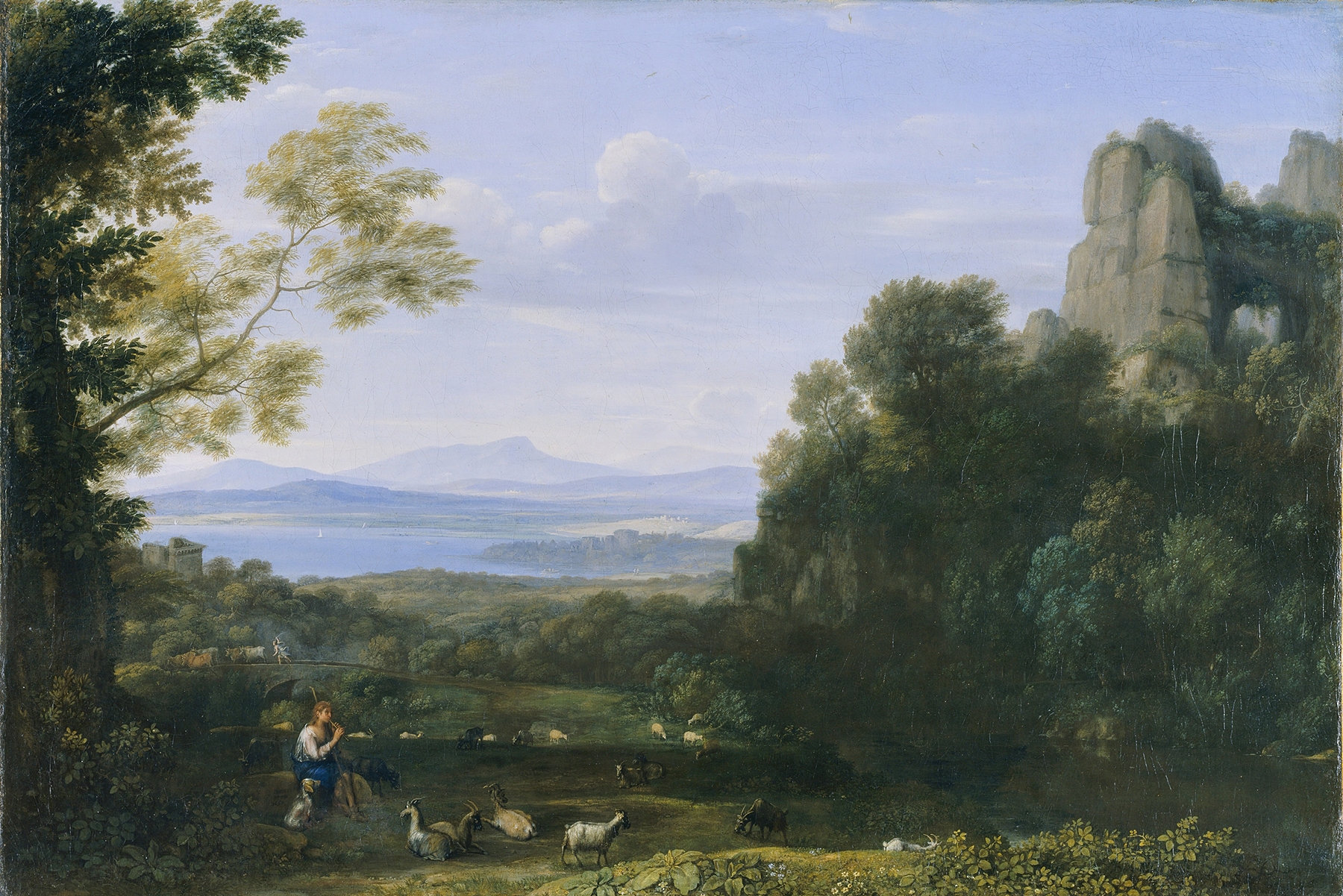
Landscape with Apollo and Mercury
Claude Lorrain
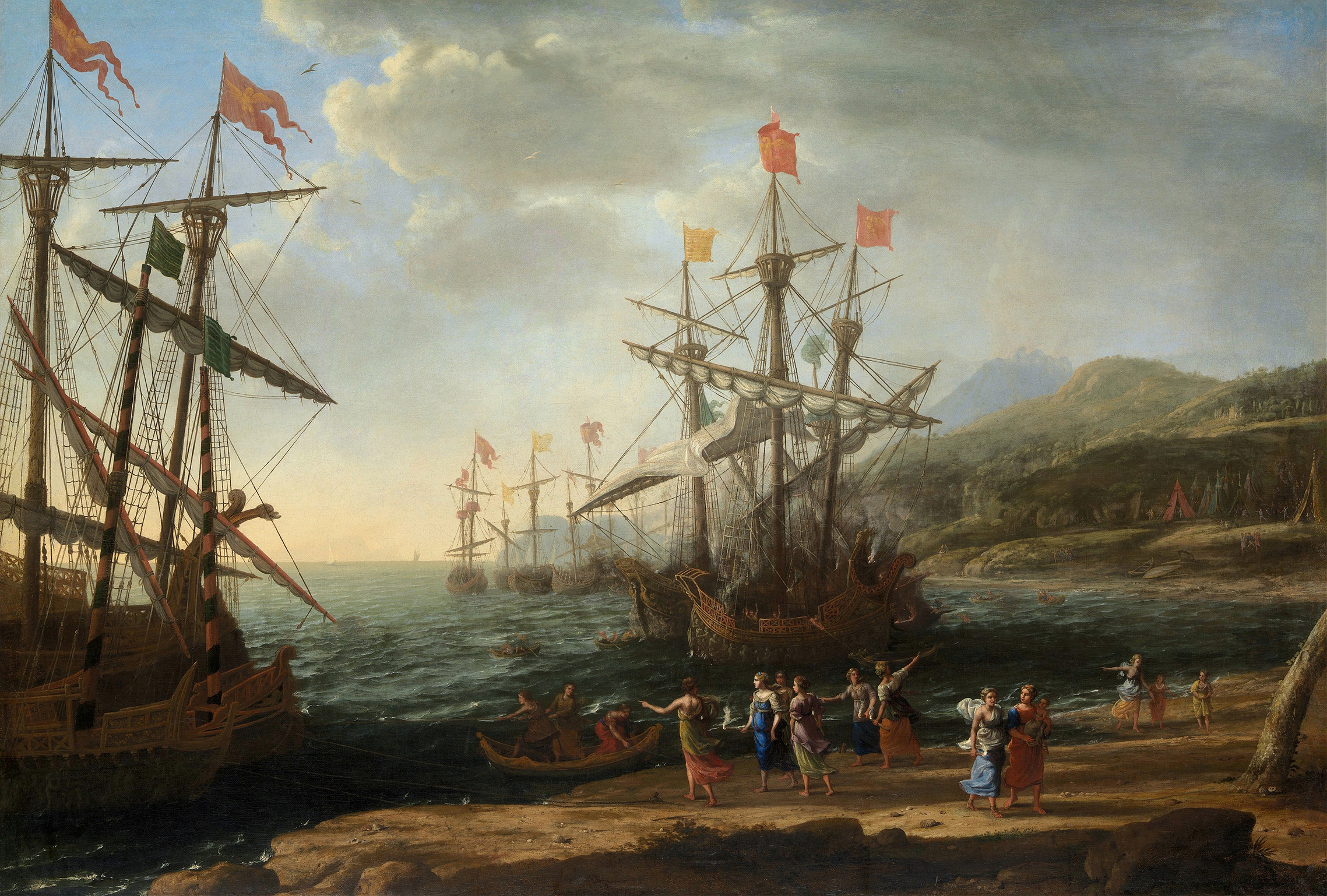
The Trojan Women Setting Fire to Their Fleet
Claude Lorrain
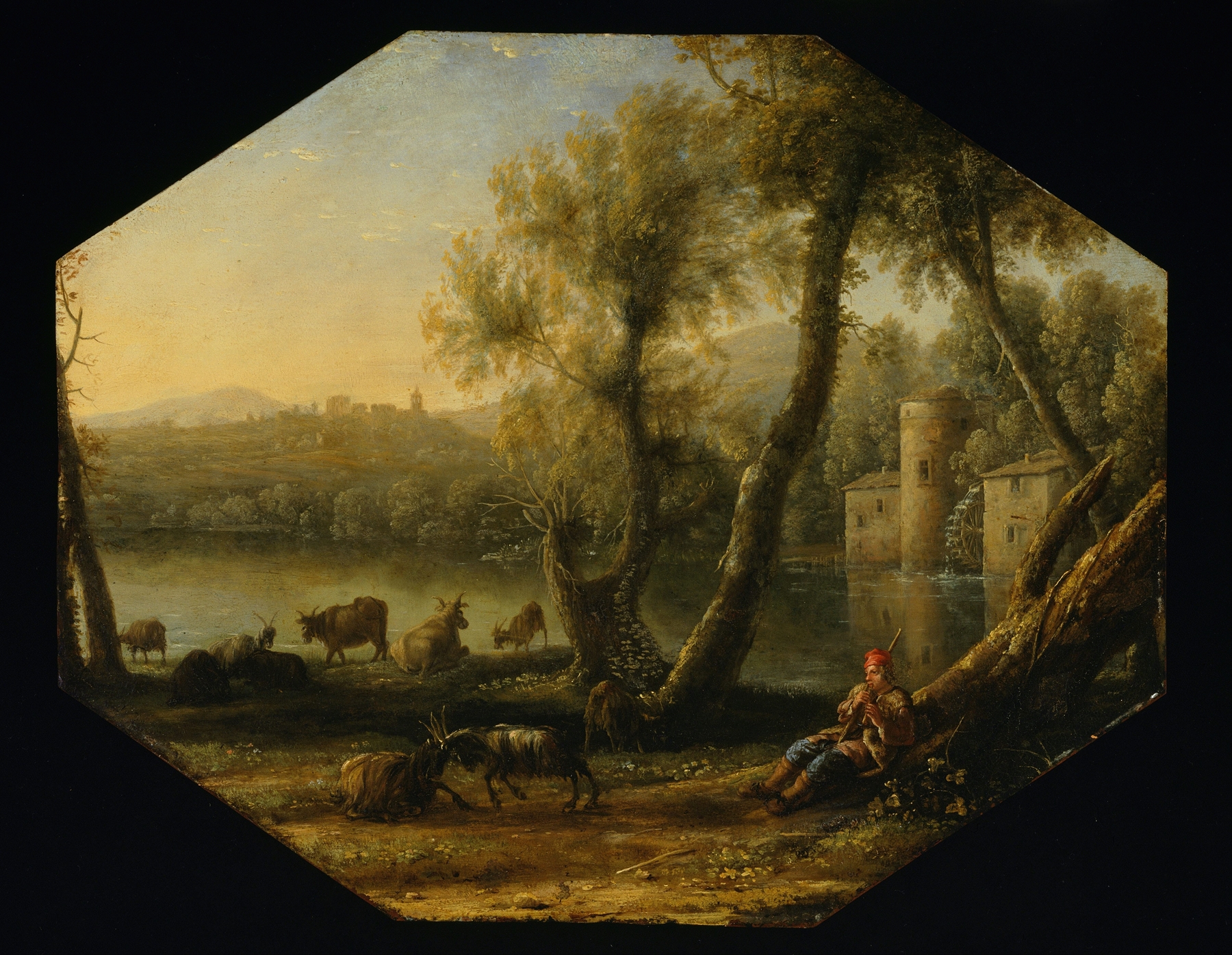
Pastoral landscape
Claude Lorrain
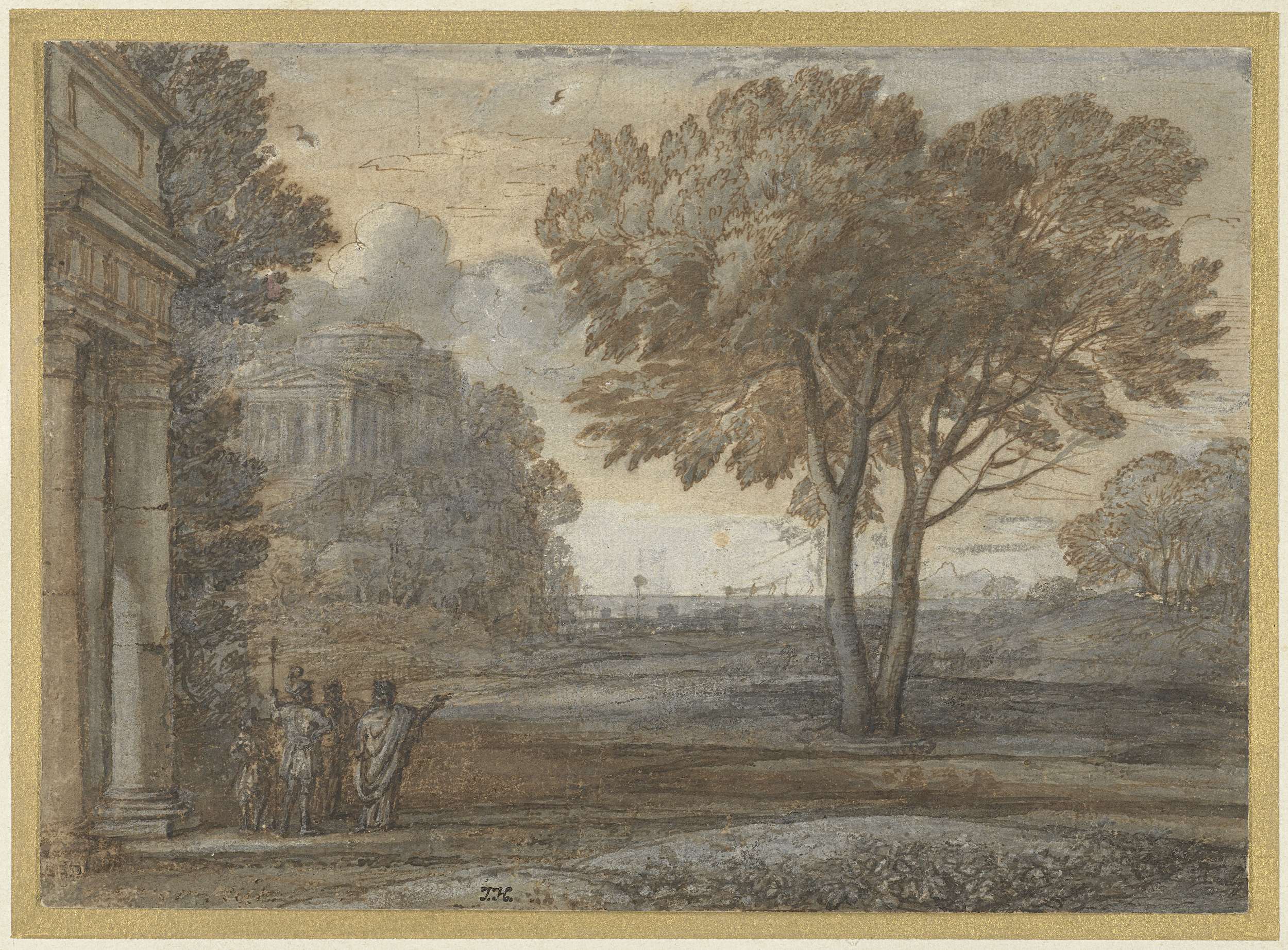
Aeneas op Delos
Claude Lorrain