View Of Toledo — History & Facts
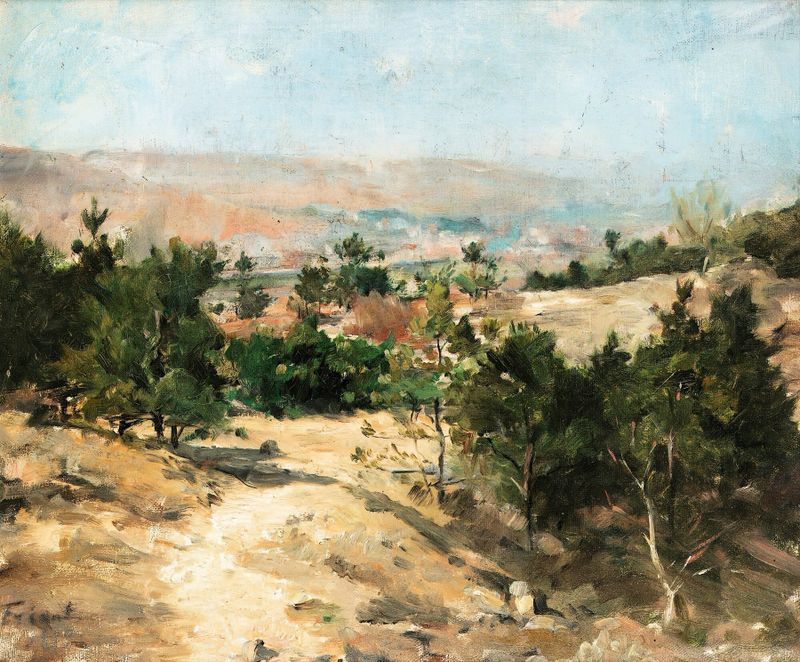
In View of Toledo, the canvas transforms the tumultuous emotions of life into a serene panorama, where truth emerges from the fusion of color and form. Look to the center of the painting, where the majestic cityscape unfolds. The intricate details of Toledo's architecture rise against a backdrop of swirling clouds, nearly alive with movement. Notice how Friant’s choice of vibrant blues and warm ochres creates a harmonious balance, drawing your eye into the heart of the city.
The interplay of light and shadow accentuates the depth of the landscape, inviting you to explore every corner and crevice captured in this moment. Delve deeper into the emotional landscape he paints. The contrast between the soft, pastel sky and the sharp lines of the buildings speaks to the duality of urban life — the serenity of nature juxtaposed against the chaos of civilization. Each brushstroke seems to hold a secret, an unspoken truth about human existence that resonates with the viewer.
The delicate harmony of colors whispers of hope amid the struggles of everyday life, urging us to find beauty in our surroundings. In 1891, Friant was working in France during a period of artistic exploration and change. As impressionism began to fade, artists sought new ways to engage with the world around them. Friant, deeply influenced by this shift, painted View of Toledo as his response to the vibrant landscape and the historical significance of the city, capturing a moment that reflects both personal and universal truths.