
Village Edge in Winter — History & Facts
Could a single brushstroke hold eternity? In Village Edge in Winter, the essence of a fleeting moment is captured, inviting viewers to ponder the intersection of time and nature. Look to the foreground, where the silhouette of a small village emerges, cloaked in the soft embrace of winter's chill. Notice how the muted whites and grays blend seamlessly with the gentle azure of the sky, creating a harmonious transition that draws your eye upward. The strokes are confident yet delicate, emphasizing the quiet resilience of the landscape, while the dark, bare trees frame the scene, offering a stark contrast that highlights the village's frailty against the vastness of the winter sky. As you delve deeper, consider the interplay between solitude and community in the painting.
The empty, snow-covered paths evoke a sense of isolation, hinting at the lives once bustling within the village, now hushed by winter’s grasp. This contrast speaks to the duality of existence—where beauty and desolation coexist, inviting reflection on the passage of time and the transient nature of life itself. In 1868, Courbet painted this work while residing in his native France, a period marked by his commitment to realism amidst the burgeoning Impressionist movement. He sought to engage with the world around him, capturing the raw beauty of landscapes and rural life.
This painting emerged from his desire to depict nature authentically, reflecting both his personal experiences and the broader shift in artistic expression during that era.
More Artworks by Gustave Courbet
Browse all →
Marine
Gustave Courbet
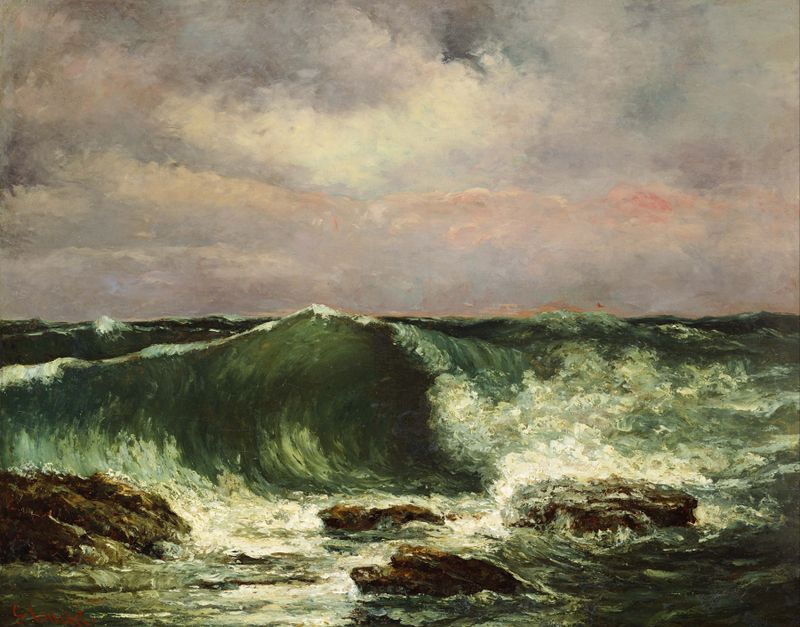
Waves
Gustave Courbet

Étretat; Les Falaises
Gustave Courbet
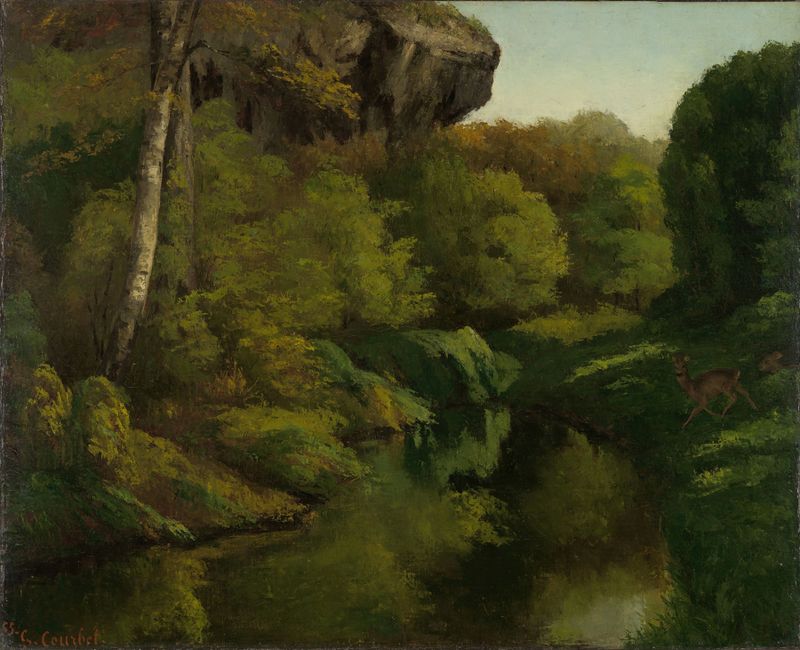
View in the Forest of Fontainebleau
Gustave Courbet
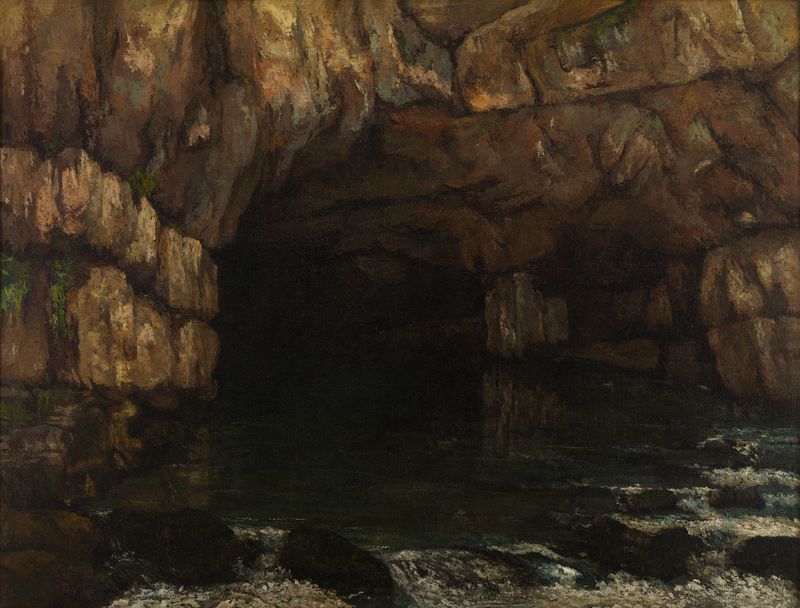
La source de la Loue (The Source of the Loue)
Gustave Courbet

Low Tide at Trouville
Gustave Courbet
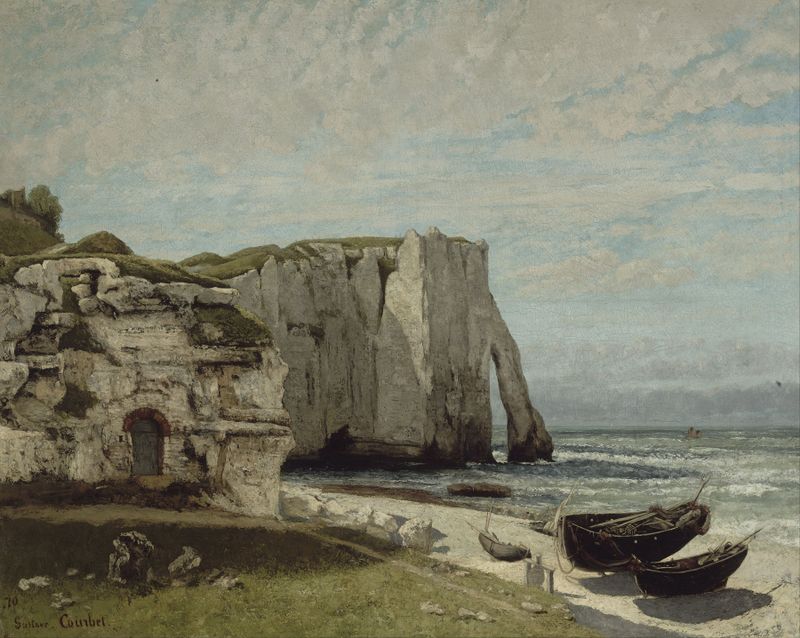
The Etretat Cliffs after the Storm
Gustave Courbet
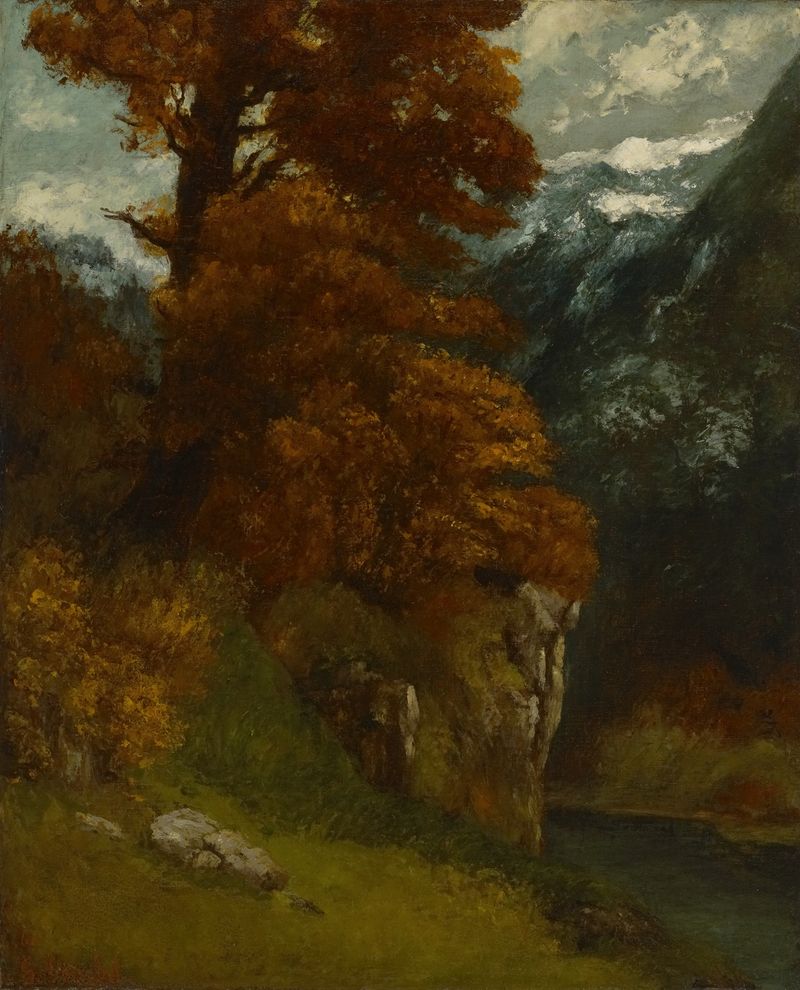
The Glen at Ornans (Bords du Doubs; Effet d’Automne)
Gustave Courbet
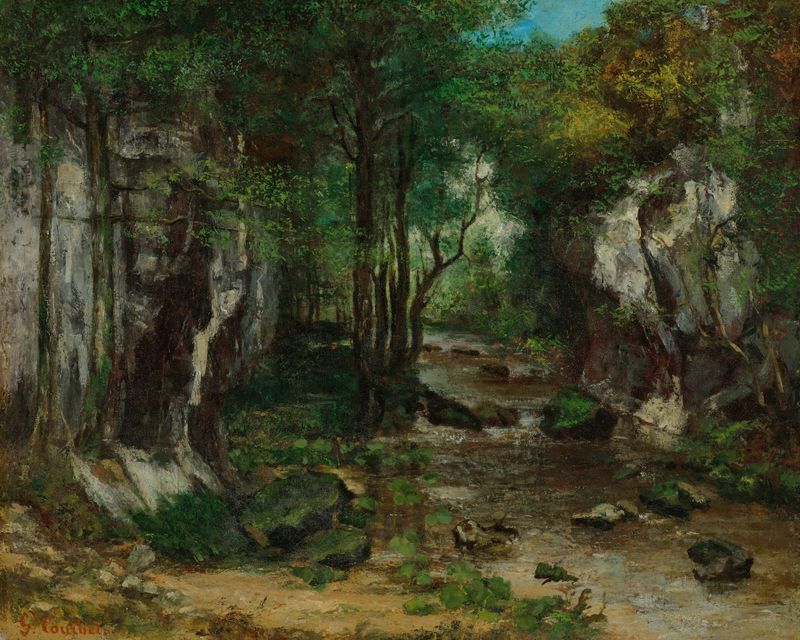
Le Ruisseau de Puits Noir
Gustave Courbet
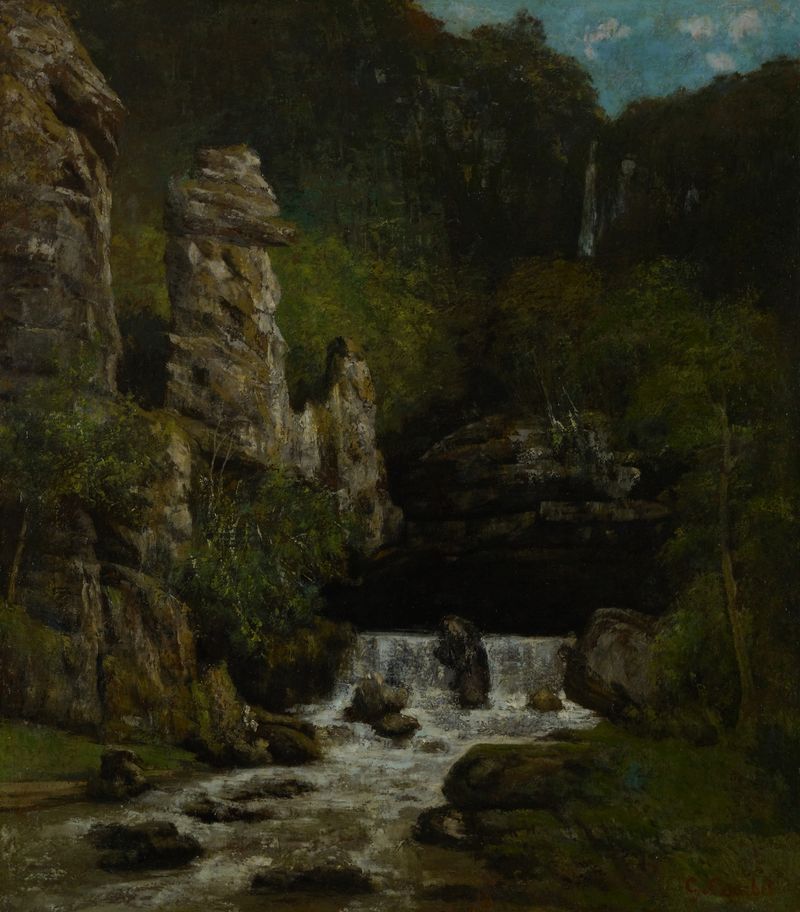
Landscape with a Waterfall
Gustave Courbet





