
Viola — History & Facts
What first holds the eye in Viola is the way the figure meets our gaze—direct, almost challenging, yet softened by the shadowed, velvety gloom that surrounds her. Her crossed arms clutch a single, dark violet bloom to her chest, a gesture that could signal secrecy, longing, or remembrance. The golden drapery and delicate green veil catch what little light there is, drawing attention to the careful rendering of fabric and flesh, while her jewelry and headband hint at a distant, perhaps imagined, nobility.
The palette is muted and dusky, every color subdued except for the flower, which glows with an inner density, as if it holds the key to her story. Painted in 1866, this work belongs to a moment when artists like Arnold Böcklin were drawn to the mysterious and the symbolic, often weaving mythic or poetic undertones into portraits that resist easy interpretation. The mid-19th century was a time of searching for new forms of meaning in art, with the rise of Symbolism and a fascination for the psychological depths of the sitter. While little is recorded about the origins or early journey of this particular painting, it now resides in the collection of the Kunstmuseum Basel, a quiet testament to Böcklin’s ability to conjure atmosphere and ambiguity from the simplest of means.
The viewer is left to wonder: is she a muse, a memory, or a cipher? The answer lingers somewhere in the shadows, waiting to be found.
More Artworks by Arnold Böcklin

Die Toteninsel III
Arnold Böcklin
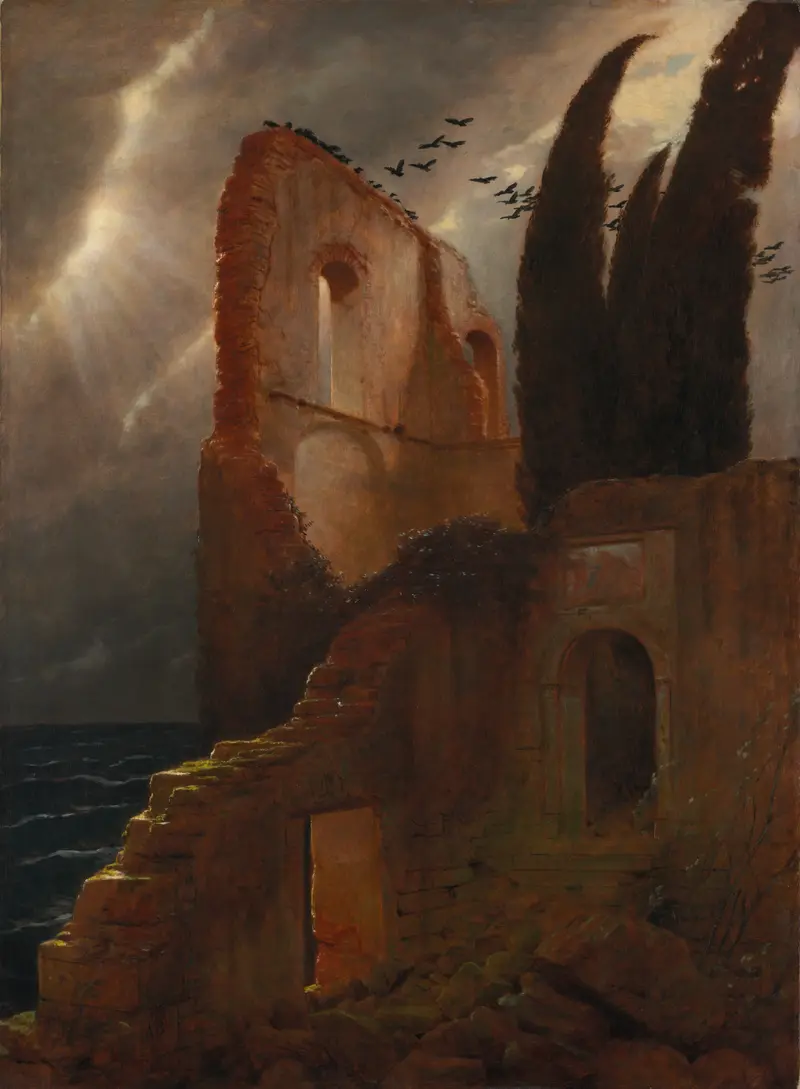
Ruin by the Sea
Arnold Böcklin
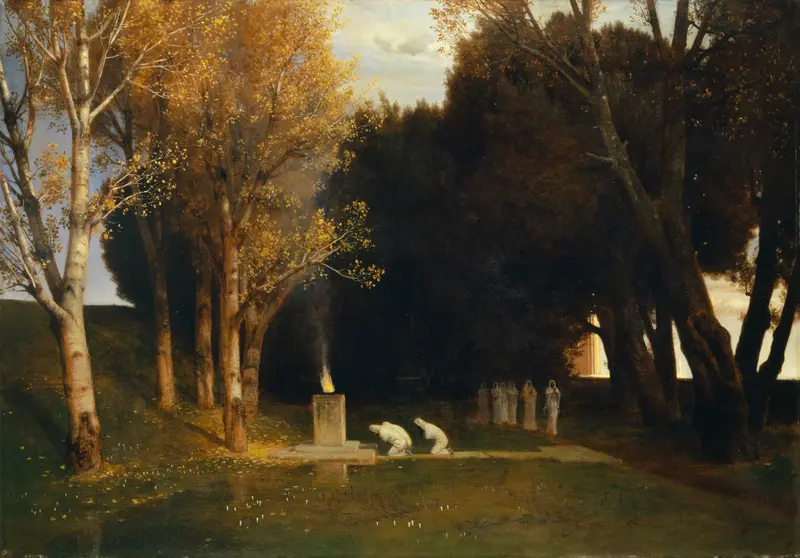
The Sacred Grove
Arnold Böcklin
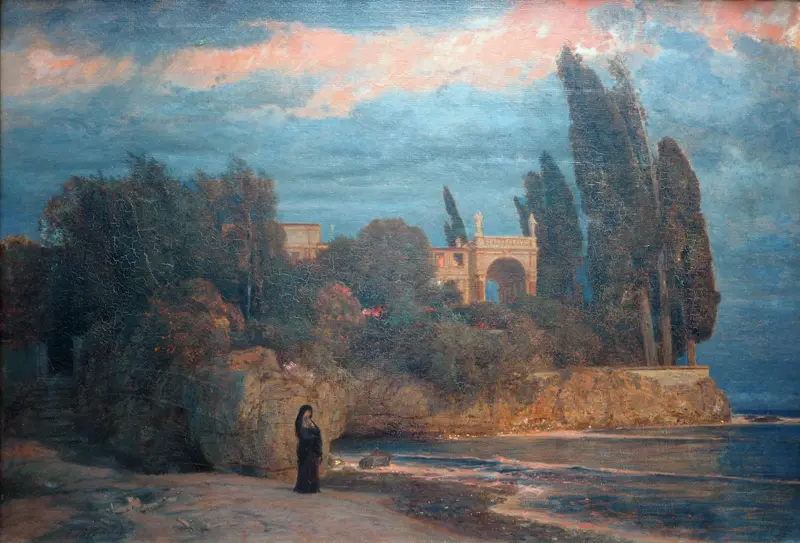
Villa by the Sea
Arnold Böcklin
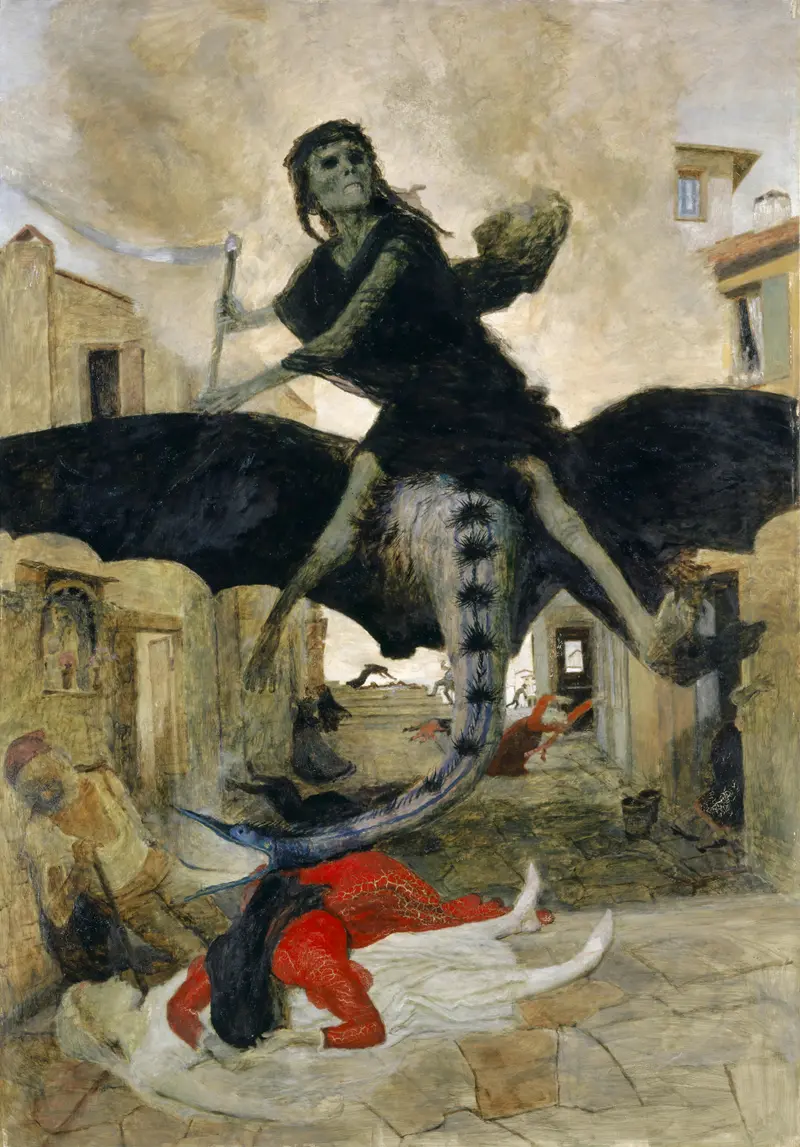
The Plague
Arnold Böcklin
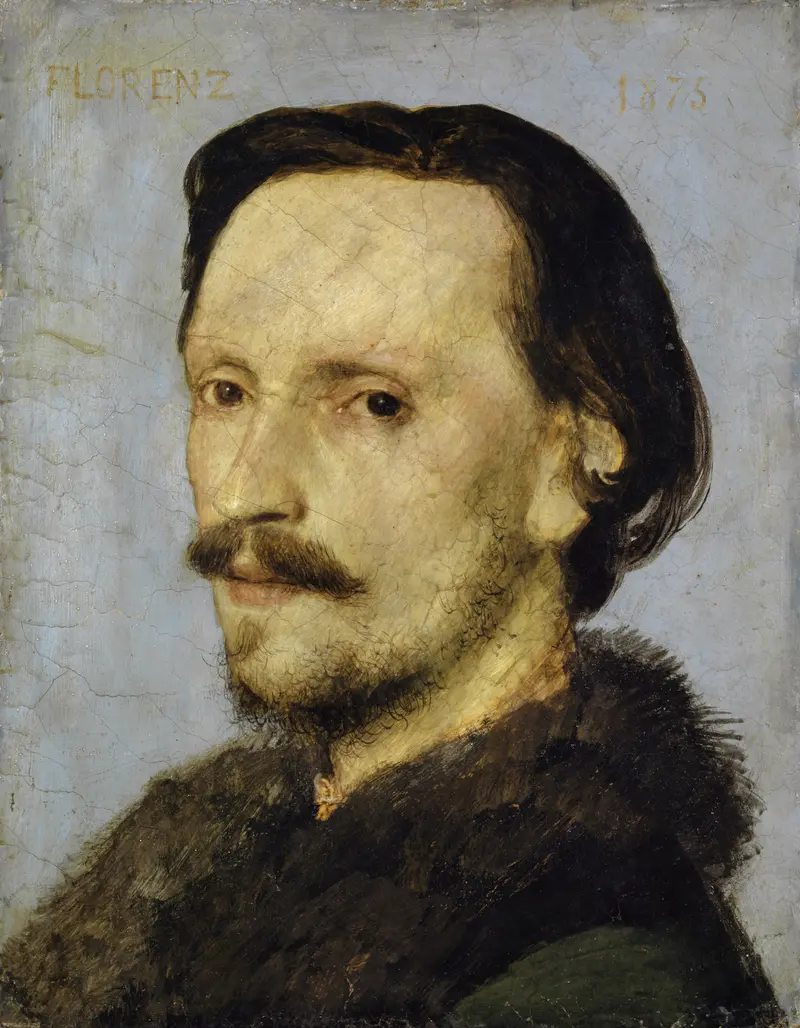
Böcklin Bildnis des Kunsthistorikers Adolph Bayersdorfer, 1875
Arnold Böcklin
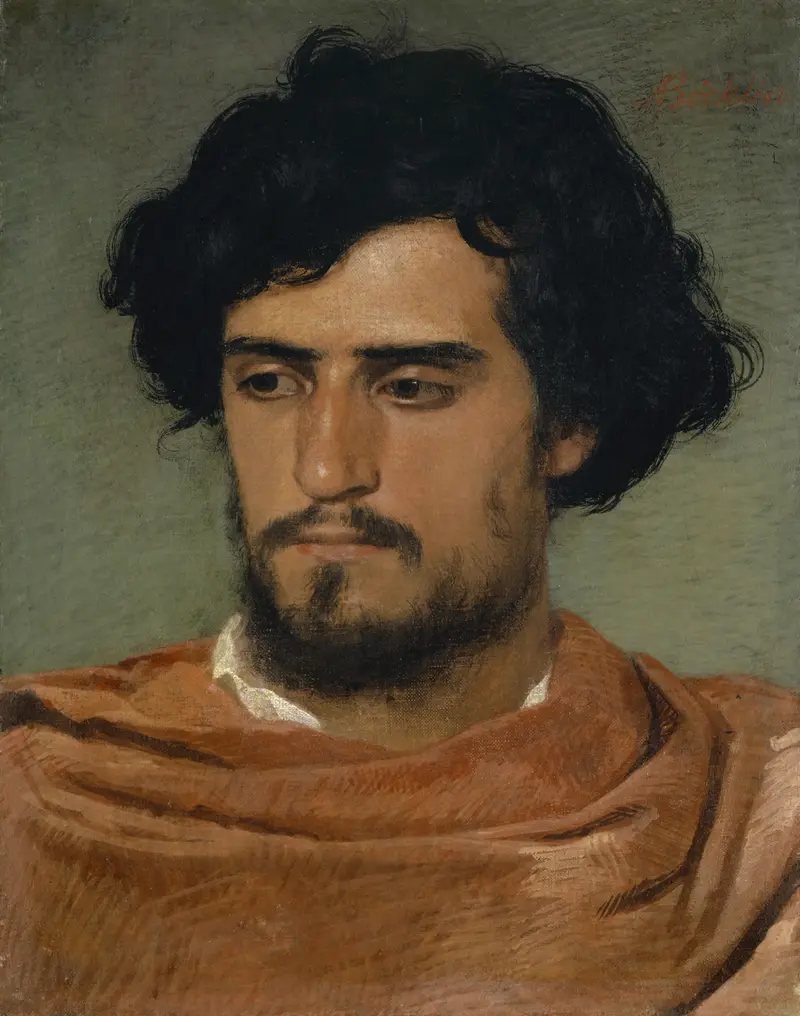
Head of a Roman
Arnold Böcklin
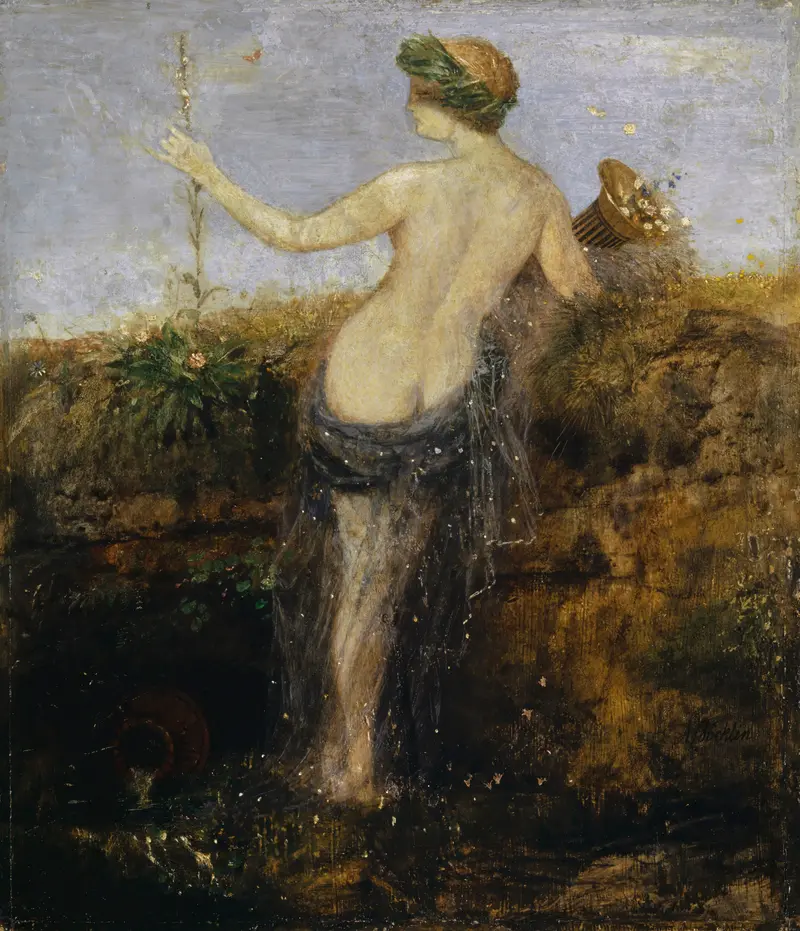
Nymphe with Horn of Plenty
Arnold Böcklin
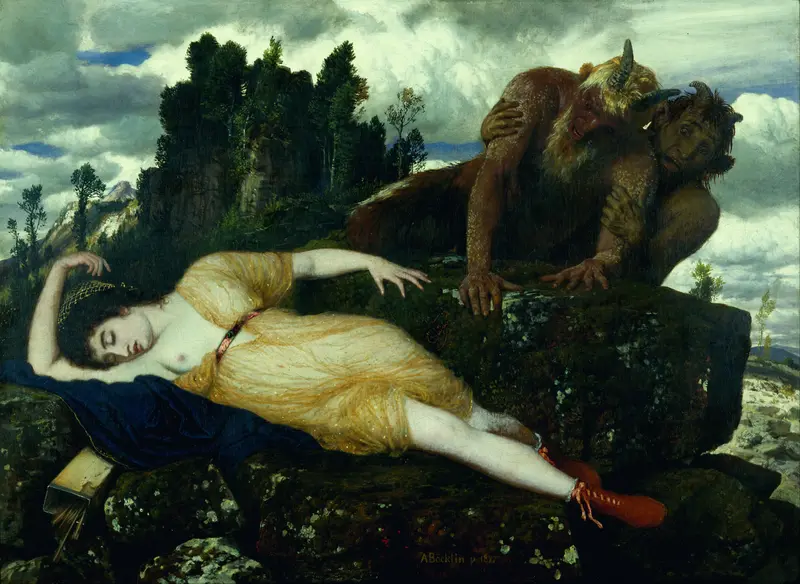
Sleeping Diana Watched by Two Fauns
Arnold Böcklin
Spring (Songs of Spring)
Arnold Böcklin





