
Virgin and Child Enthroned with Saints Peter, Paul and George (?), Four Angels, and a Donor — History & Facts
No one knows for certain the identity of the kneeling donor immortalized at the Virgin's feet in Virgin and Child Enthroned with Saints Peter, Paul and George (?), Four Angels, and a Donor, painted by Fra Angelico in 1447. This mystery has long intrigued scholars, as donors were typically prominent figures whose likenesses secured their place in both spiritual and social memory. The painting stands at a crossroads in Fra Angelico’s career, created during his Roman period, just after his work in the Vatican for Pope Eugenius IV.
Its composition and style reflect the influence of his Florentine roots, yet also the grandeur and ceremonial formality that Rome demanded from its artists. The scene unfolds in a celestial court: the Virgin Mary, enthroned, gently holds the Christ Child as saints and angels gather in reverence. Saint Peter, with his signature keys, and Saint Paul, holding a sword, flank the throne, while the third saint—possibly George—wears armor and a red cross, signaling his legendary role as a dragon-slayer and protector. Four angels, their wings rendered in delicate gold, create an atmosphere of solemn celebration.
The donor, humbly kneeling, is granted a place among the holy, his gaze fixed upwards in hope. The luminous palette and serene faces recall Fra Angelico’s earlier altarpieces, but the architectural throne and precise arrangement of figures suggest the influence of Masaccio’s innovations in spatial depth. Though the original commission remains uncertain, works like this were often destined for private chapels or as altarpieces in Roman churches, intended to secure both the donor’s salvation and social standing. Over the centuries, the painting’s provenance has been clouded by gaps in documentation, a common fate for 15th-century devotional panels.
Today, it is recognized as a key example of Fra Angelico’s mature style, bridging the spiritual clarity of the Early Renaissance with the grandeur of papal Rome. Its journey from private devotion to public display mirrors the broader fate of many such works, which now serve as windows into the devotional and artistic life of their age.
More Artworks by Fra Angelico

Condemnation of St Lawrence by the Emperor Valerian
Fra Angelico
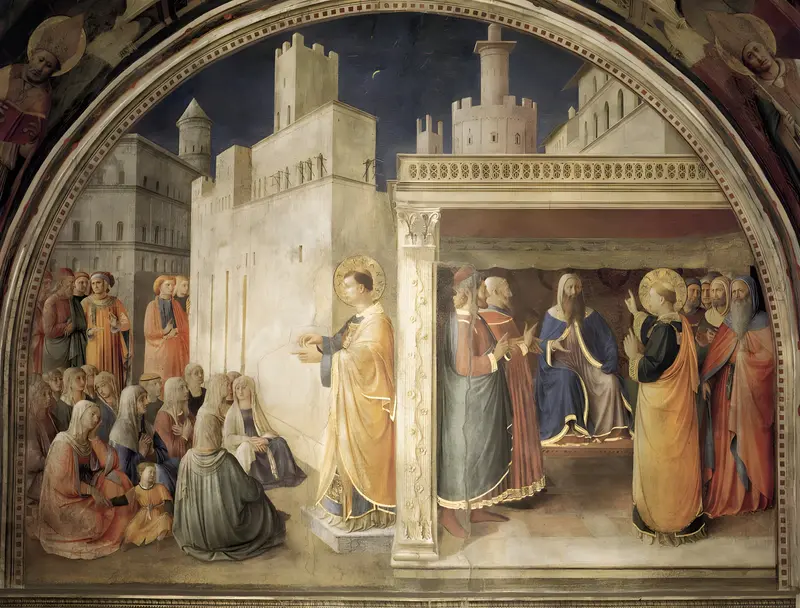
Lunette of the north wall
Fra Angelico
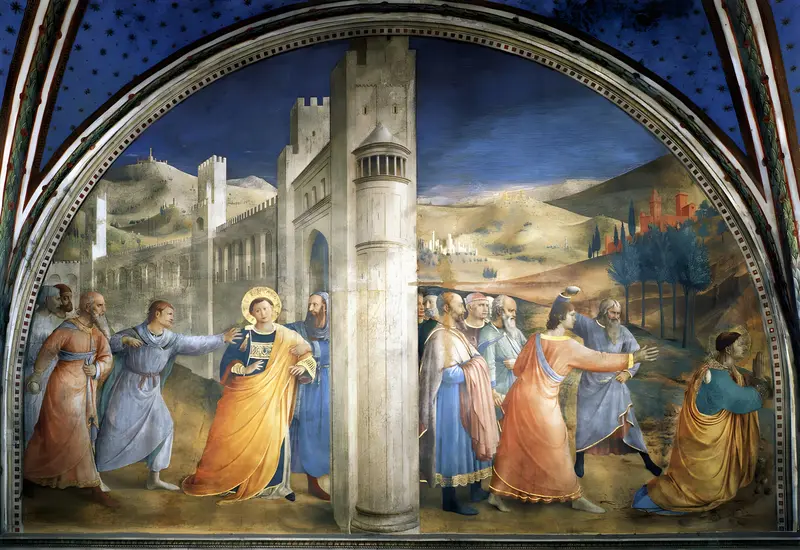
Lunette of the east wall in Niccoline Chapel
Fra Angelico
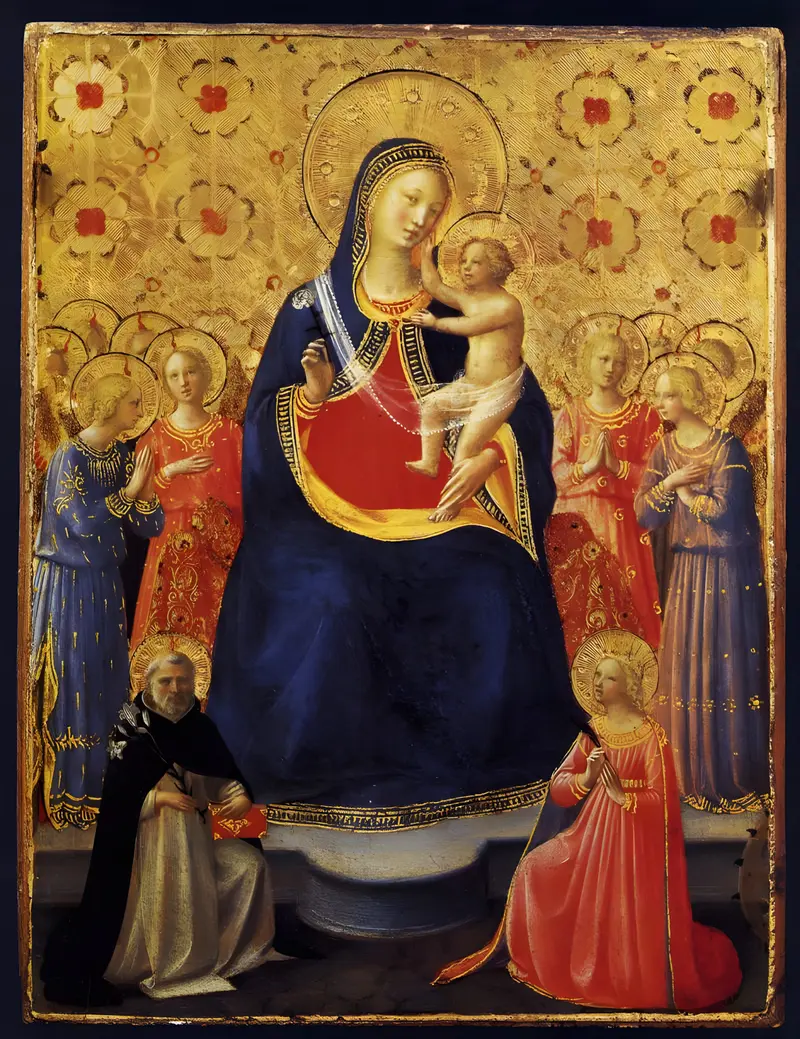
Madonna and Child Enthroned with Nine Angels and Saints Dominic and Catherine of Alexandria
Fra Angelico
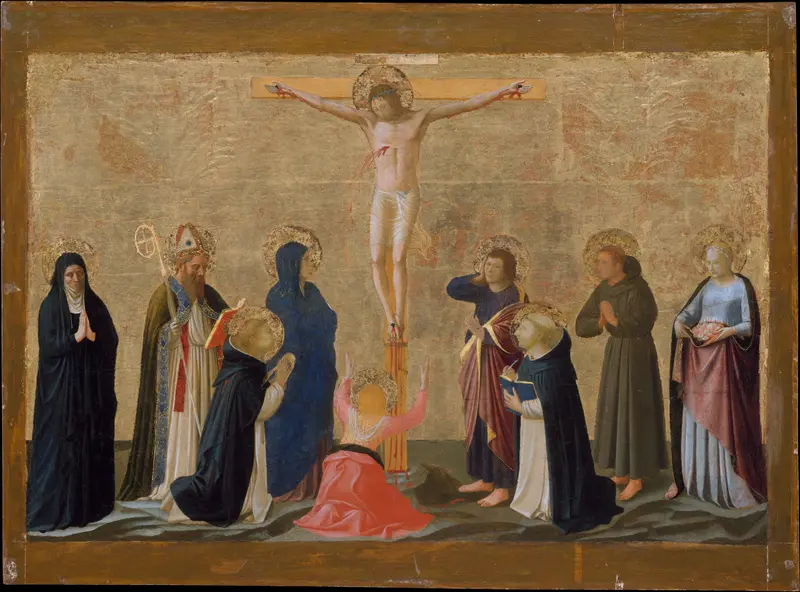
The Crucifixion
Fra Angelico
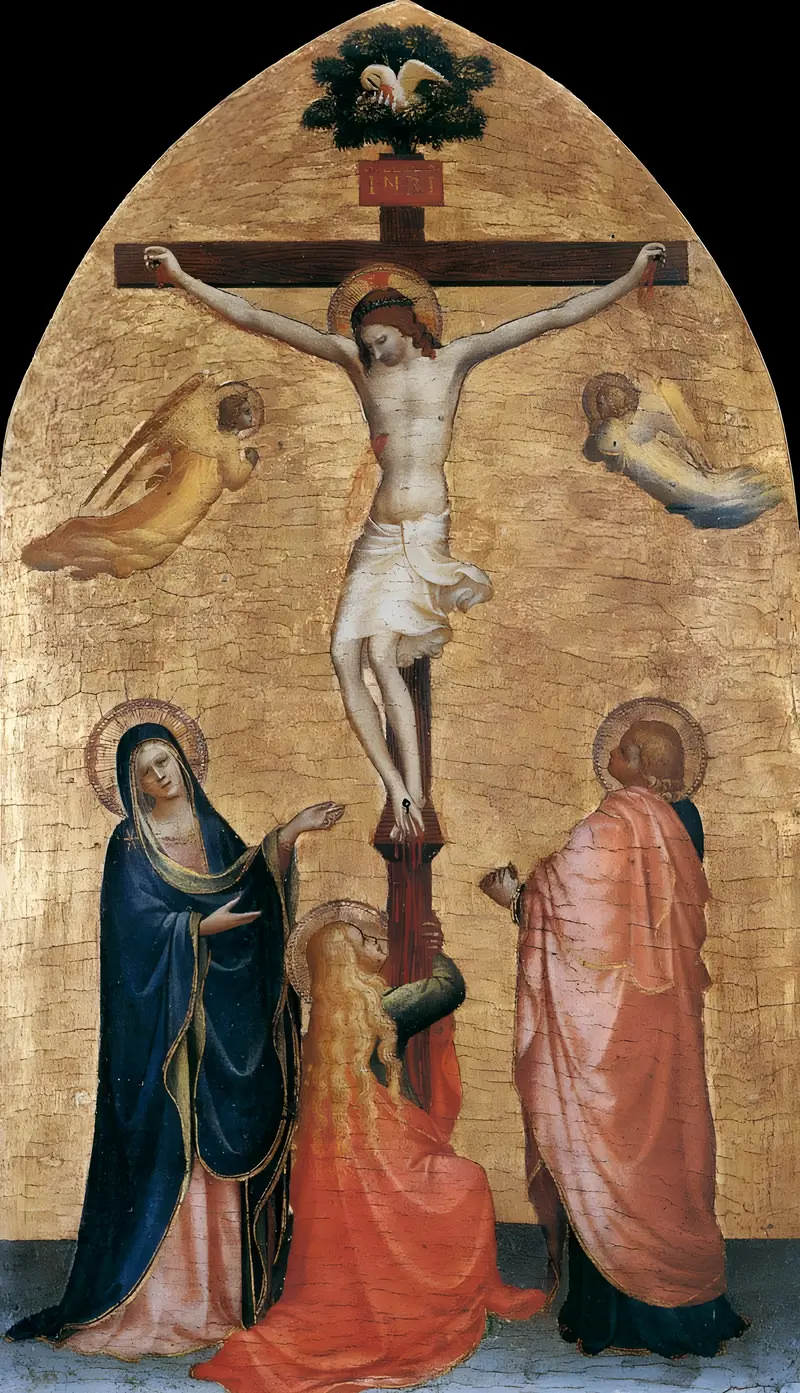
Crucifixion with the Virgin, John the Evangelist, and Mary Magdelene
Fra Angelico
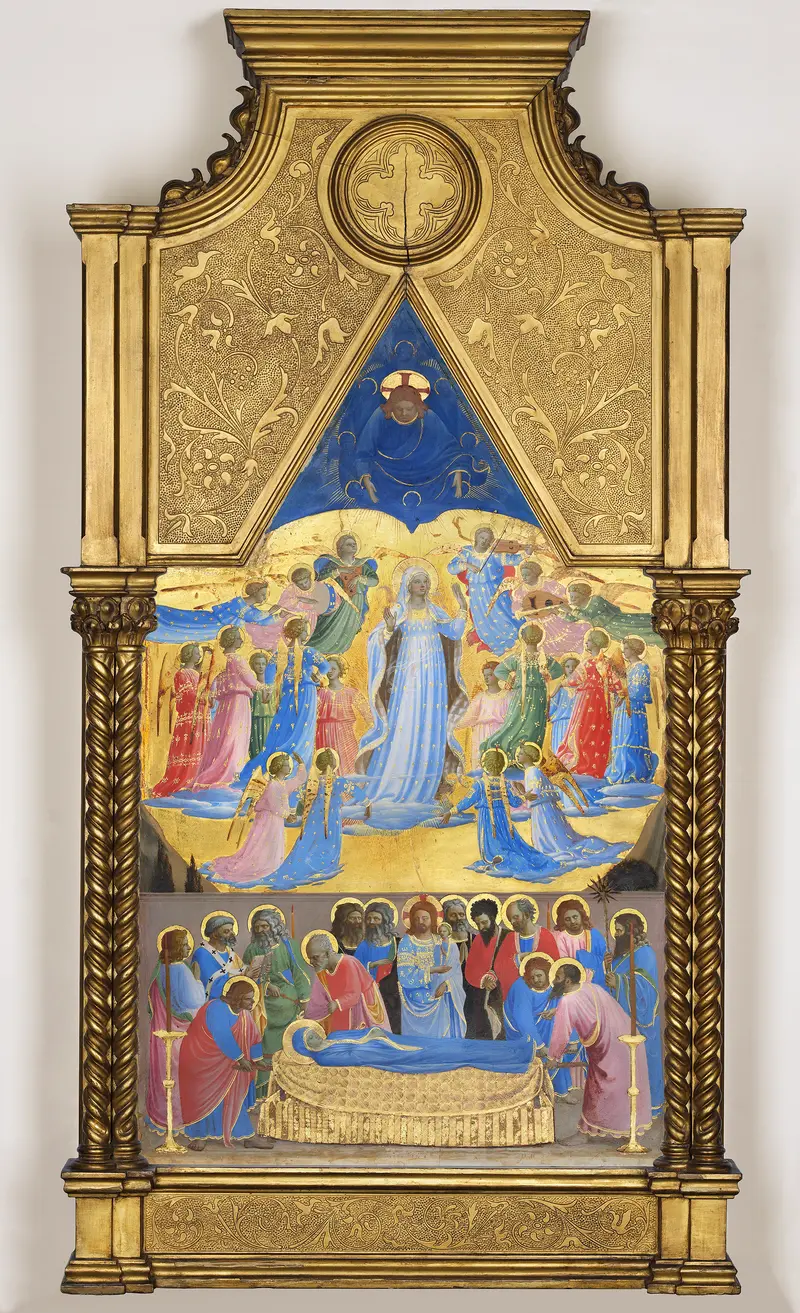
Dormition and Assumption of the Virgin
Fra Angelico
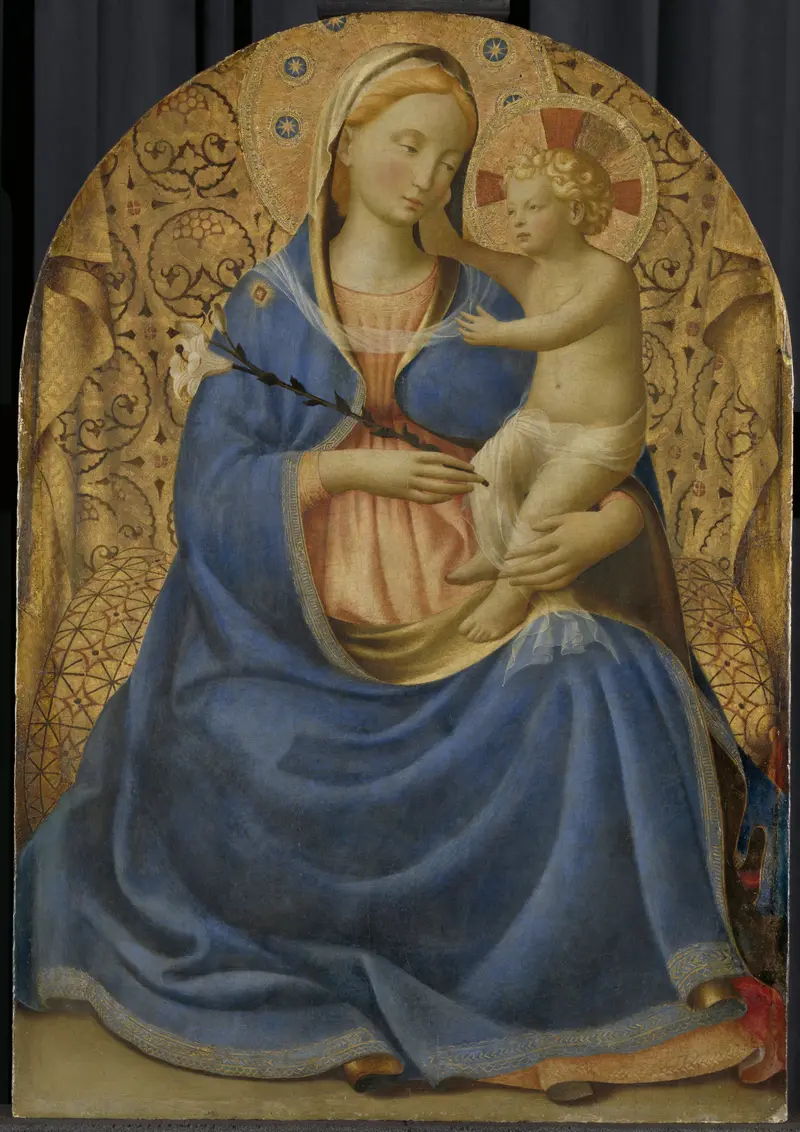
Madonna of Humility
Fra Angelico
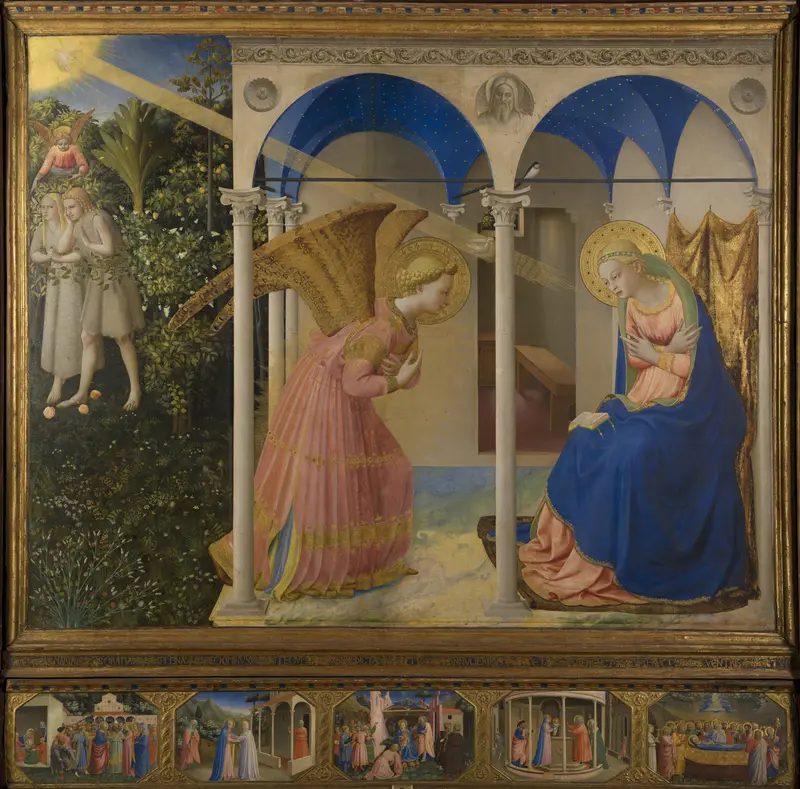
The Annunciation
Fra Angelico

Saint Anthony Abbot
Fra Angelico





