
Virgin with Child Jesus and Child Saint John — History & Facts
When Francisco de Zurbarán painted Virgin with Child Jesus and Child Saint John in 1659, it was among the last works of his long career, created during a period when his fortunes had waned and his style was shifting. This painting stands out as a rare late example of Zurbarán’s devotion to tender religious scenes, produced at a time when the artist, once celebrated for his stark monastic visions, was adapting to new tastes in Seville. Unlike his earlier, more austere compositions, here Zurbarán explores a softer, more intimate approach—perhaps reflecting both personal and artistic transformation in his final years. The scene captures a gentle encounter: the Virgin Mary sits quietly, her gaze lowered with serene affection, as the Christ Child and the young Saint John the Baptist interact at her side.
Saint John, recognizable by his camel-hair garment and reed cross, offers a gesture of devotion to Jesus, who responds with a blessing. The Virgin’s blue mantle and red tunic, traditional symbols of purity and divine love, envelop the group in a harmonious triangle. Light falls softly across their faces, emphasizing the humanity and warmth of the holy figures—a marked contrast to the dramatic chiaroscuro of Caravaggio, whose works Zurbarán would have known.
The composition’s calm intimacy invites viewers to contemplate not only divinity but also the bonds of family. Little is known about the original patron or the early history of Virgin with Child Jesus and Child Saint John, and the painting’s medium remains uncertain, though oil on canvas is likely given Zurbarán’s usual practice. It is typical of the devotional images that circulated widely in 17th-century Spain, intended for private contemplation or small chapels rather than grand altarpieces. Today, the work is valued as a testament to Zurbarán’s late style—a period when he balanced the demands of a changing art market with his own vision.
Its survival offers a rare glimpse into the closing chapter of a painter whose earlier fame had defined the Spanish Baroque.
More Artworks by Francisco de Zurbarán
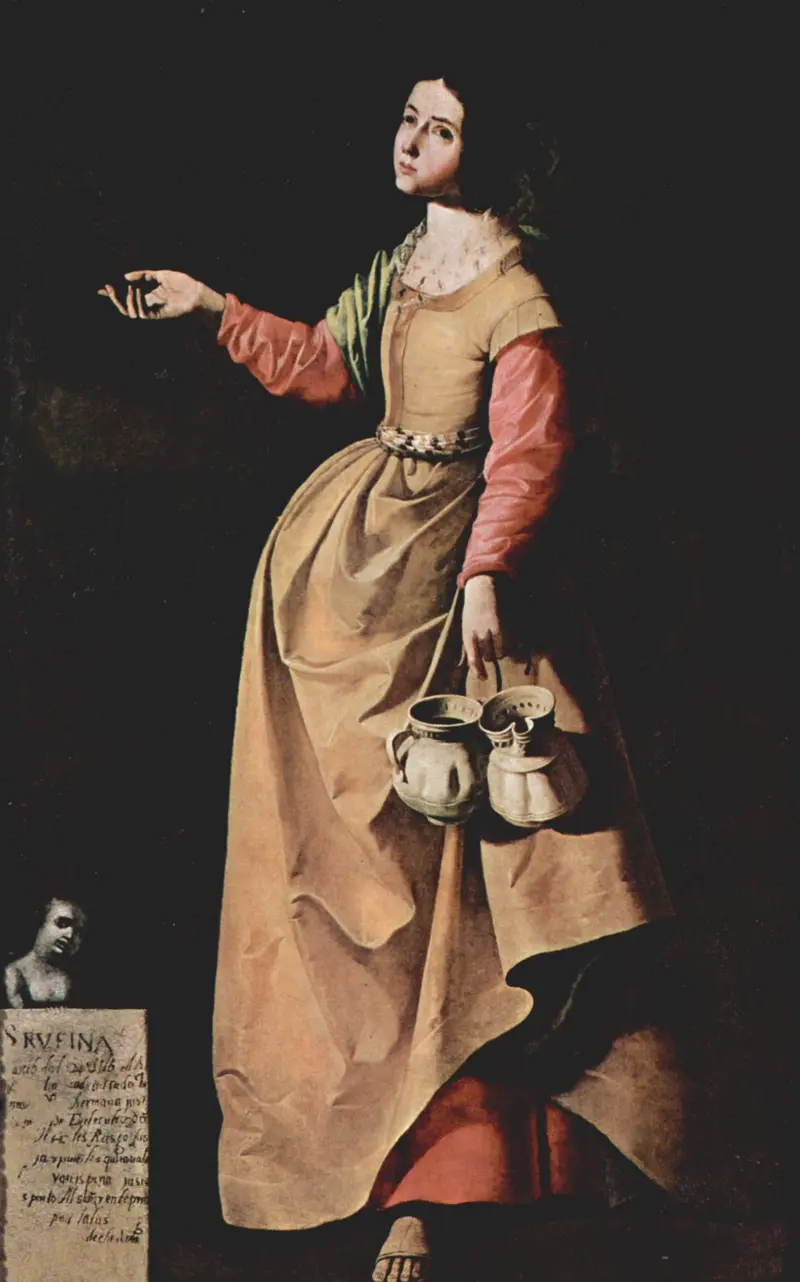
Saint Rufina
Francisco de Zurbarán
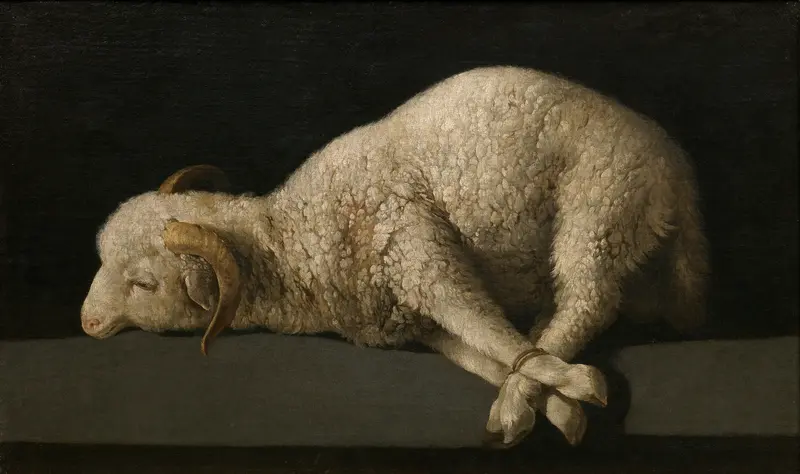
Agnus Dei
Francisco de Zurbarán
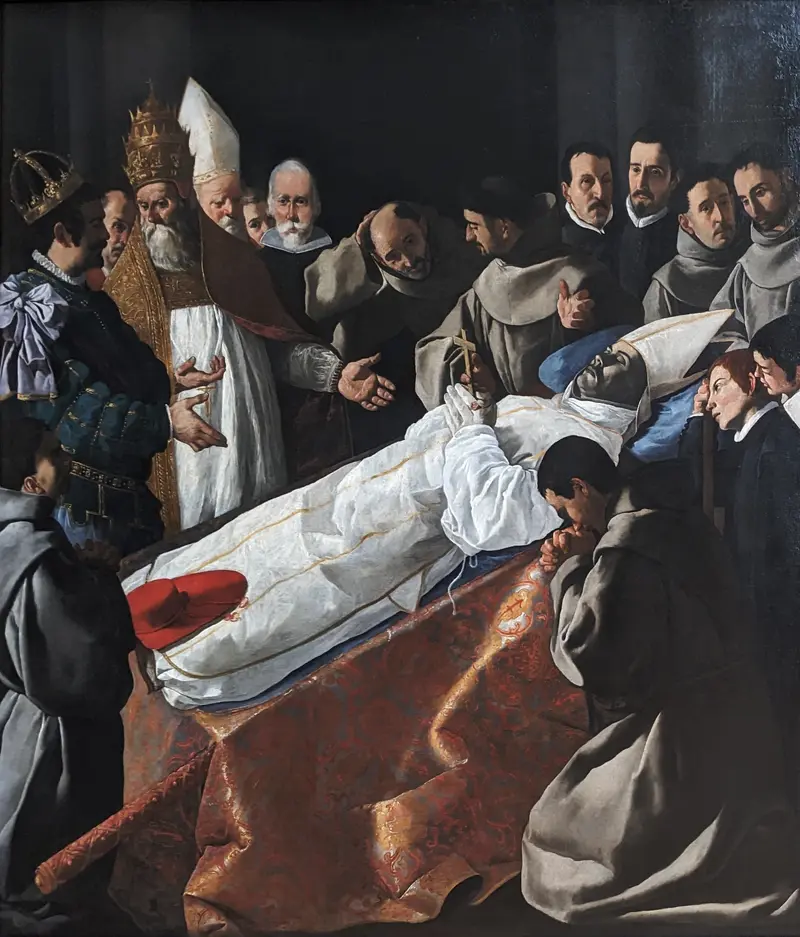
Saint Bonaventure's Body Lying in State
Francisco de Zurbarán
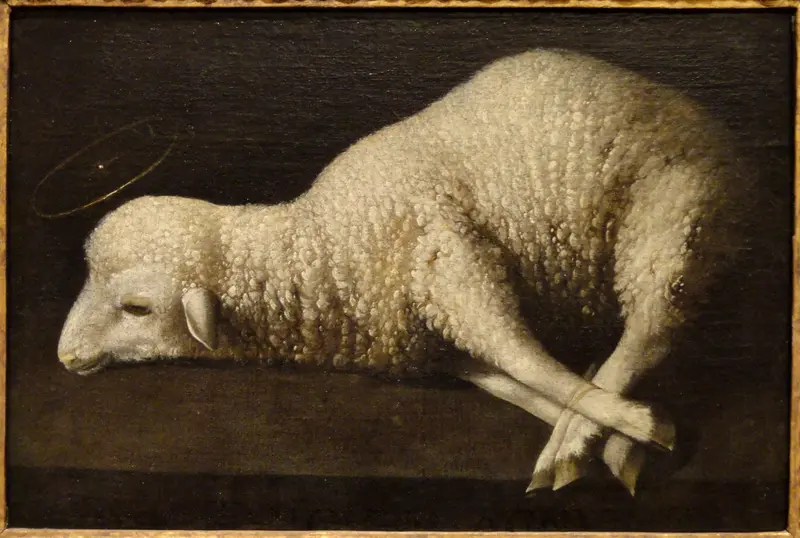
The Lamb of God
Francisco de Zurbarán

Adoration of the Magi
Francisco de Zurbarán
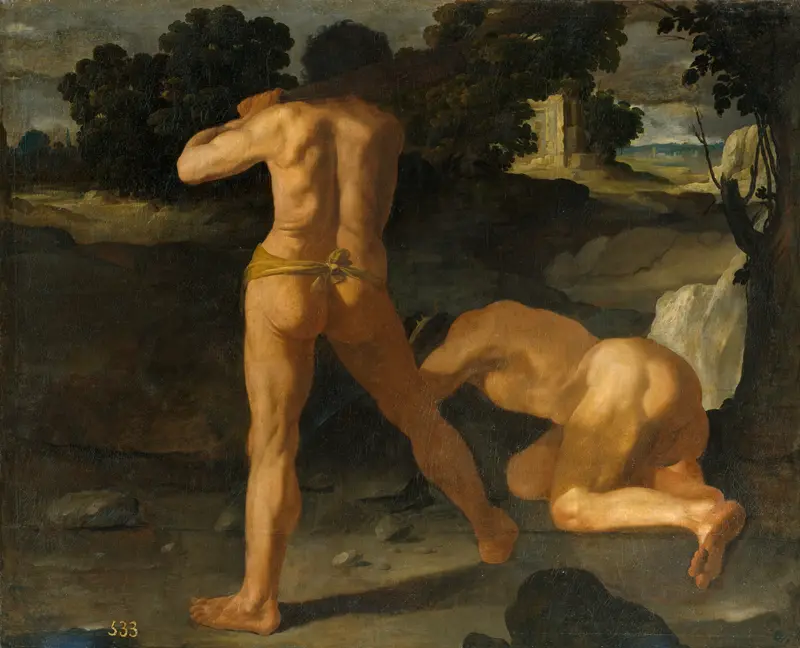
Hercules defeats King Geryon
Francisco de Zurbarán
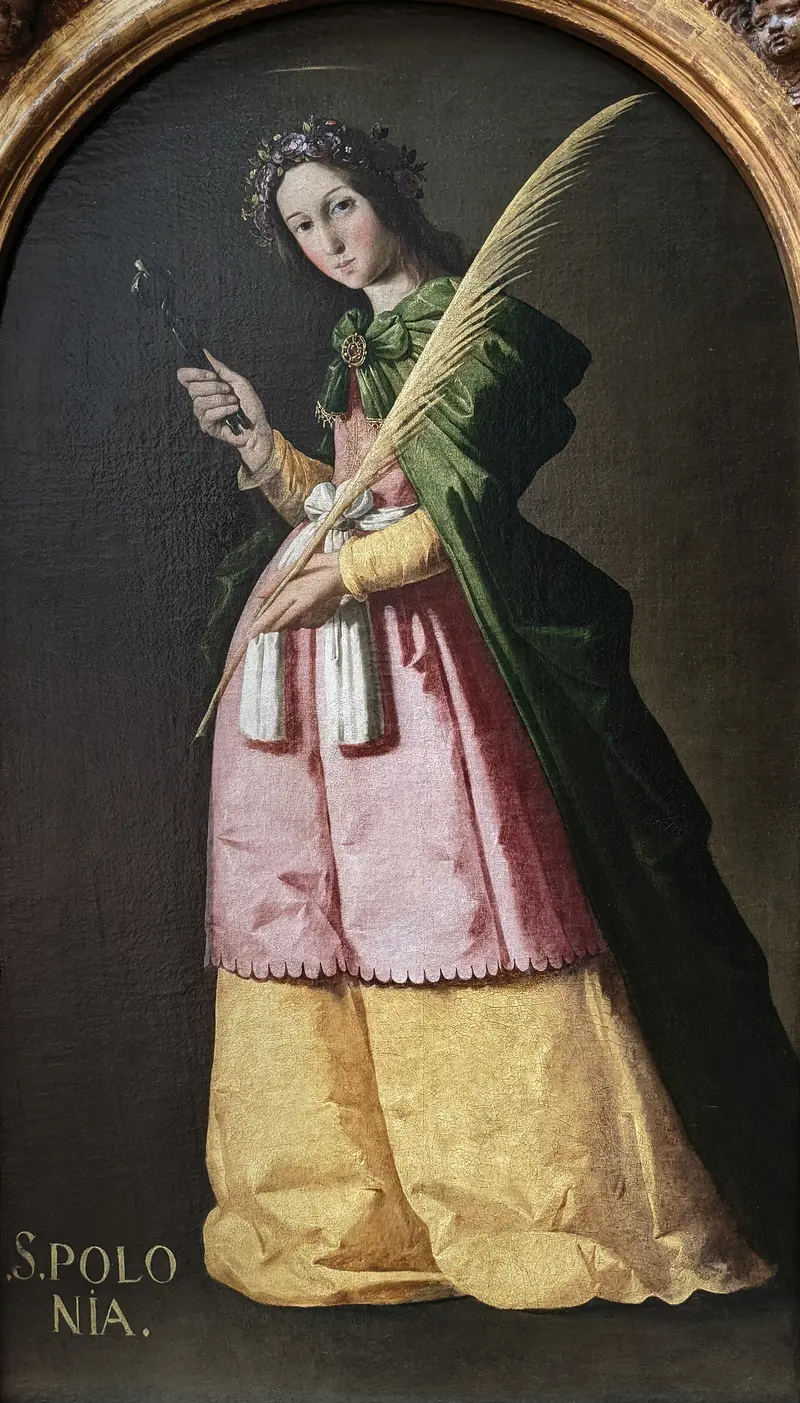
Saint Apollonia
Francisco de Zurbarán
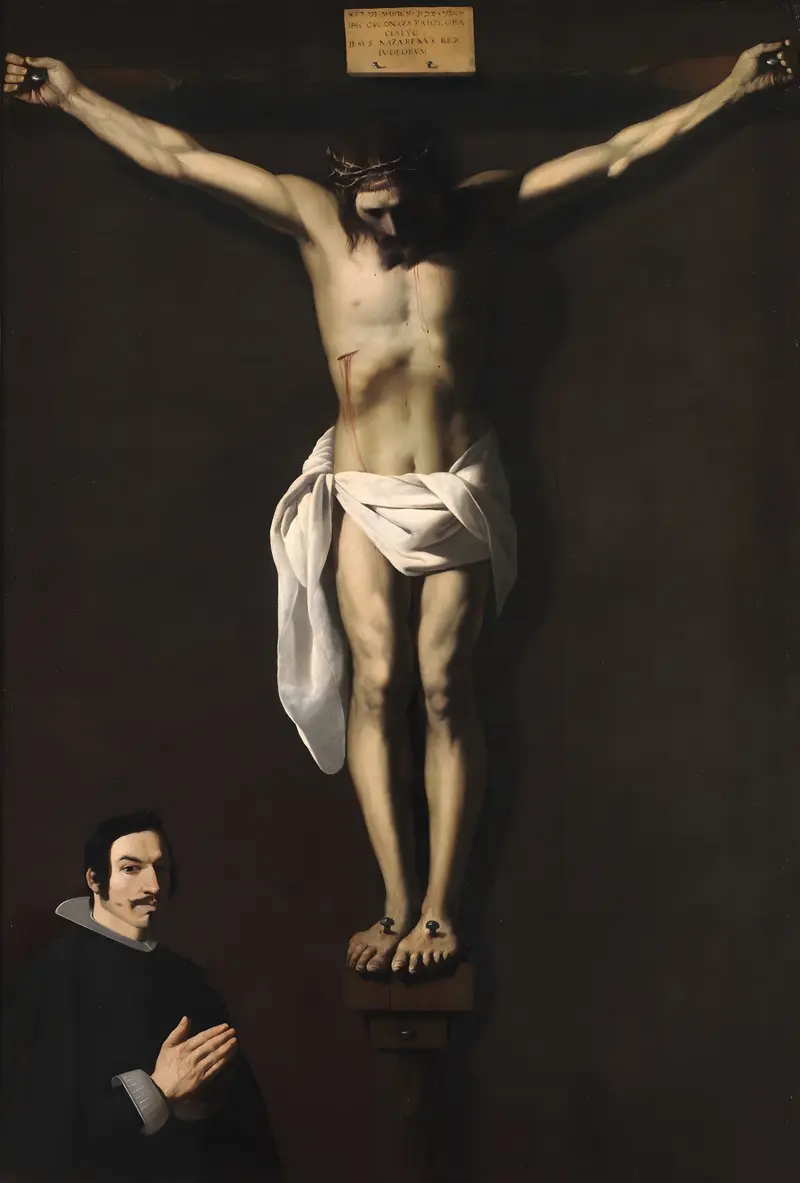
The Crucified Christ with a Donor
Francisco de Zurbarán
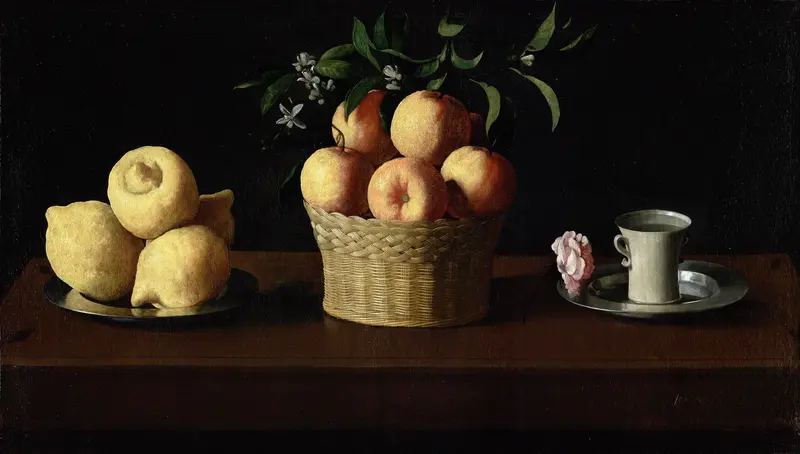
Still Life with Lemons, Oranges and a Rose
Francisco de Zurbarán
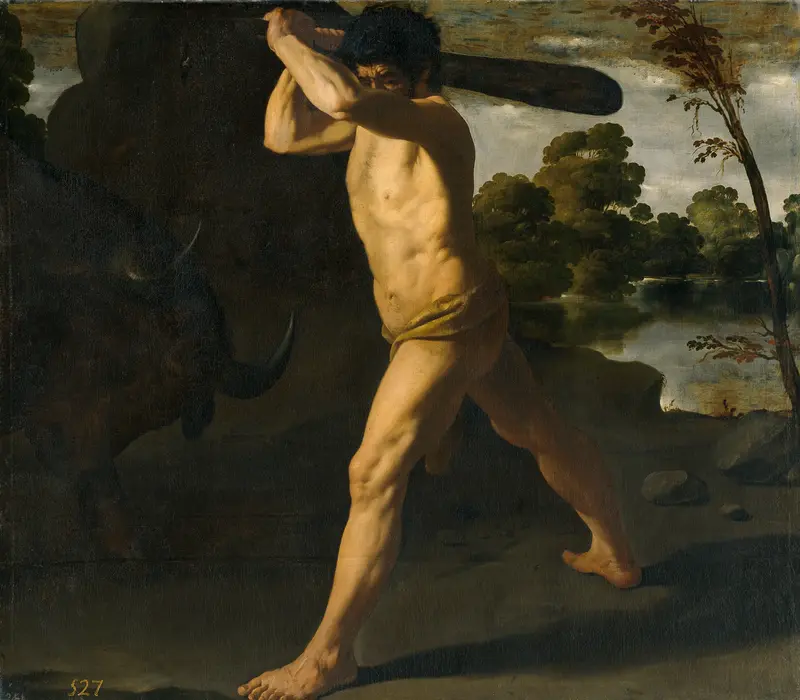
Hercules and the Cretan Bull
Francisco de Zurbarán





