
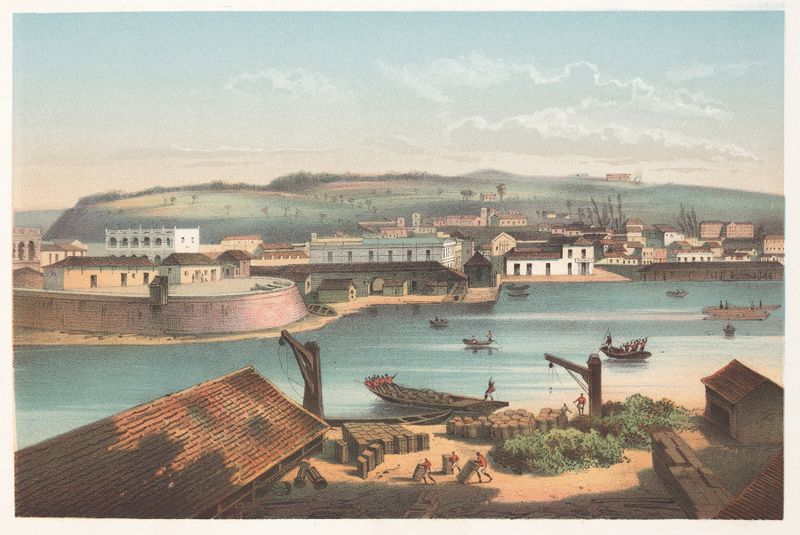
Vista de la iglesia major y de la Ermita del Buen Viaje — History & Facts
Nostalgia weaves its delicate threads through the fabric of our memories, reminding us of both joy and longing. The intricate landscape before you invites a contemplative journey, each brushstroke a whisper from the past, urging us to reflect on time’s tender grip. Focus your gaze on the serene church, its steeple rising elegantly against the horizon, bathed in warm, golden light. Notice how the painter masterfully balances the architectural details with the surrounding landscape, as undulating hills cradle the edifice.
The soft hues of green and blue evoke a sense of tranquility, while the luminous sky casts a divine glow, drawing the eye and heart to this hallowed space. Hidden beneath the beauty of this idyllic scene lies a palpable tension between the sacred and the earthly. Elements like the winding path suggest a journey, perhaps one of pilgrimage, while the juxtaposition of the robust church and the frail surrounding flora speaks to the fragility of memory itself. Each element, from the distant mountains to the subtle clouds, together creates a nostalgic tableau, a reminder of what has been and what remains only in dreams. In 1855, Mialhe captured this enchanting vista during a period when he was deeply influenced by the romanticism of landscapes that intertwined spirituality and nature.
Living in France, he was part of a burgeoning movement that sought to celebrate the beauty of rural life and architecture through art. This work reflects not only his personal experiences but also the wider cultural shifts towards exploring nostalgia and memory in the wake of industrialization.
More Artworks by Pierre Toussaint Frédéric Mialhe
Browse all →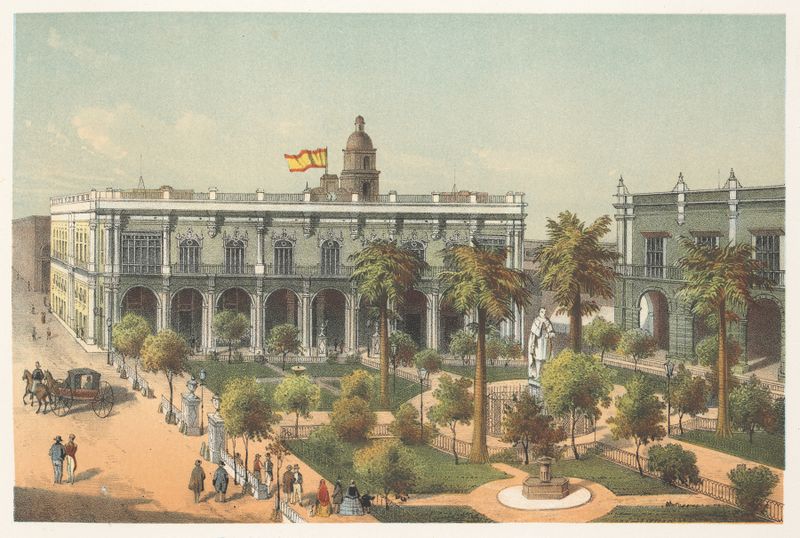
Plaza de Armas
Pierre Toussaint Frédéric Mialhe
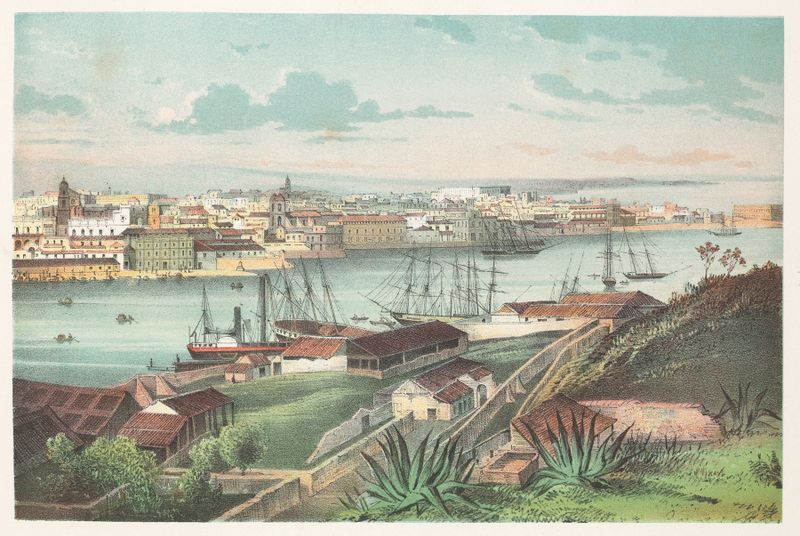
Habana.
Pierre Toussaint Frédéric Mialhe
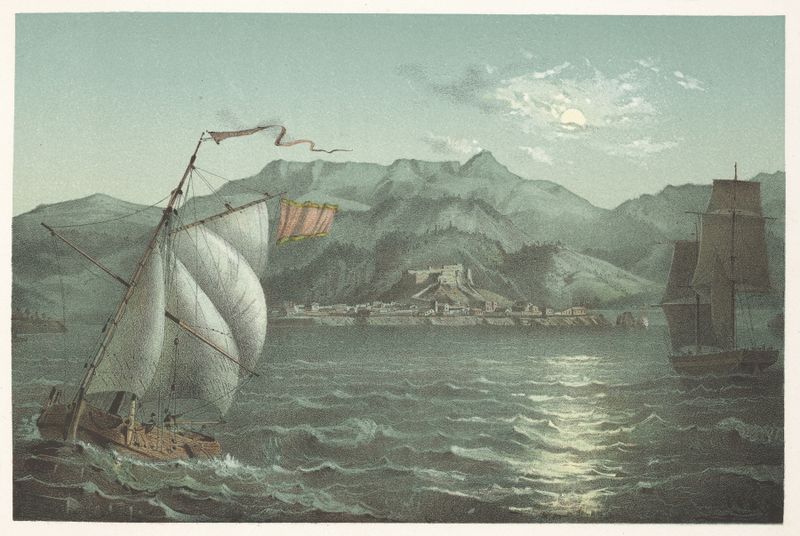
Vista genl. de la cuidad y montañas de Baracoa
Pierre Toussaint Frédéric Mialhe
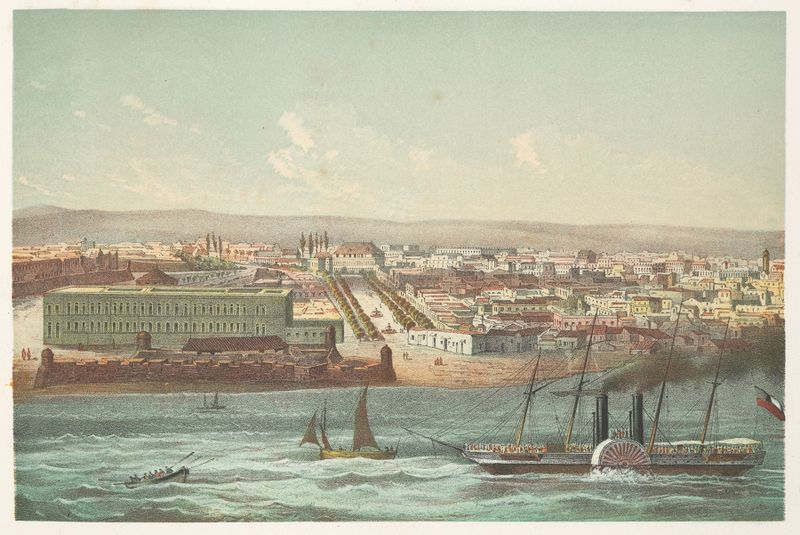
Vista de la Habana, parte de Estramuros
Pierre Toussaint Frédéric Mialhe

Vista de la Habana
Pierre Toussaint Frédéric Mialhe
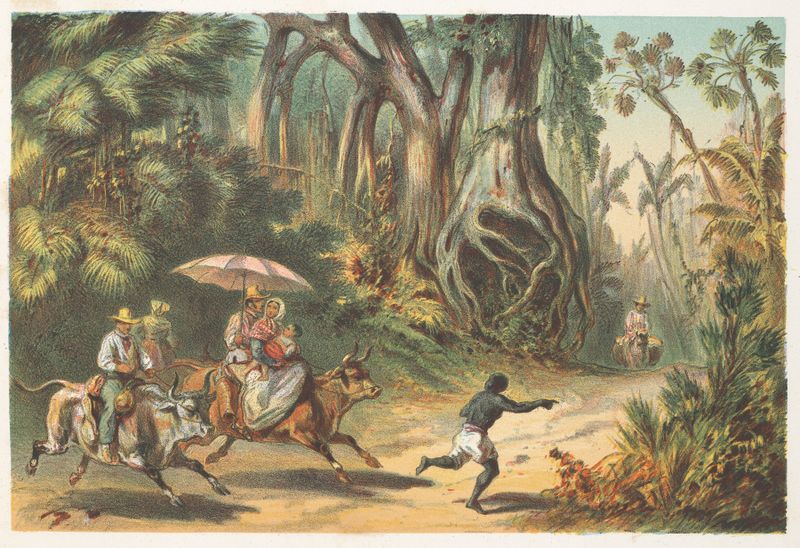
Cercanias de Baracoa
Pierre Toussaint Frédéric Mialhe
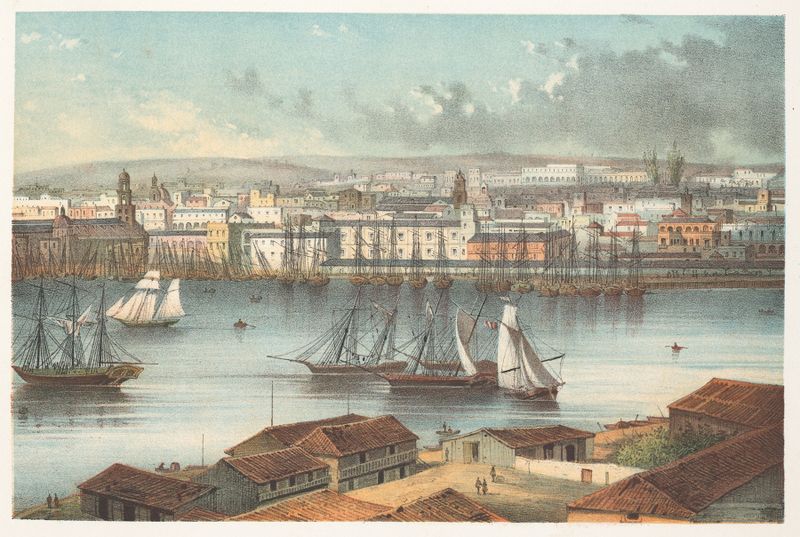
Habana
Pierre Toussaint Frédéric Mialhe
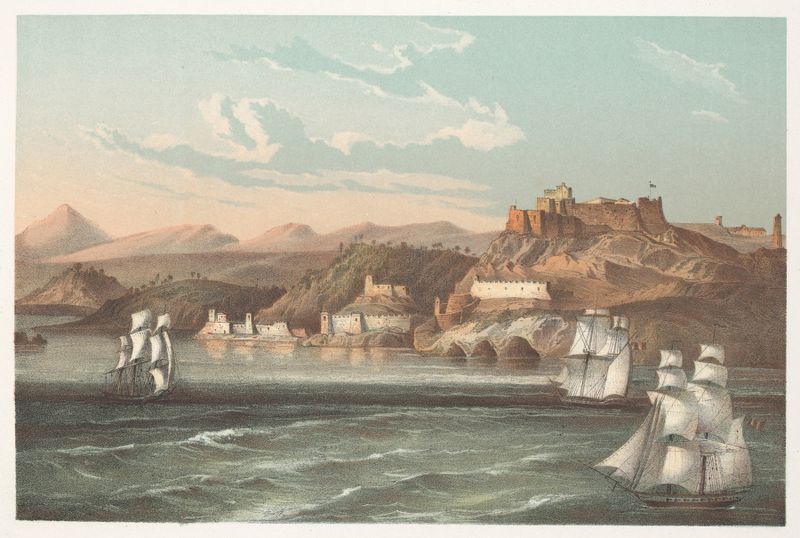
Morro y entrada del puerto de Santiago de Cuba
Pierre Toussaint Frédéric Mialhe
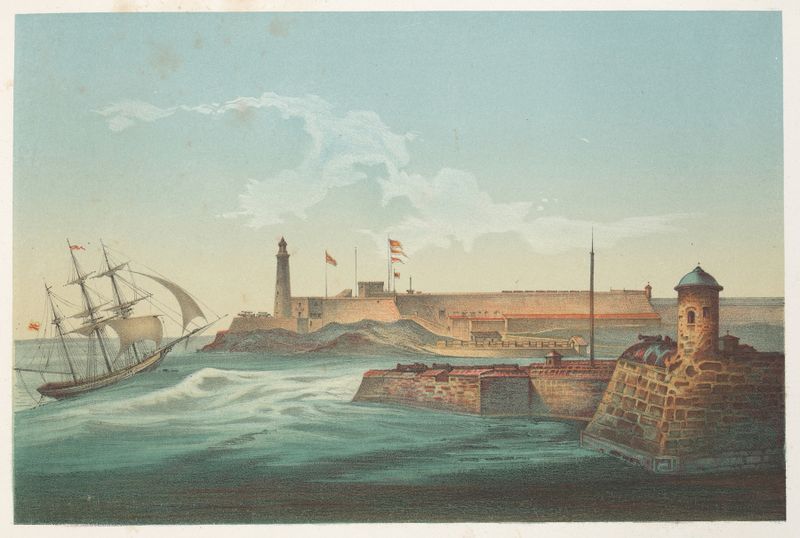
Morro y entrada puerto de la Habana
Pierre Toussaint Frédéric Mialhe
Matanzas
Pierre Toussaint Frédéric Mialhe





