
Voetwassing — History & Facts
Who listens when art speaks of silence? In Voetwassing, the stillness is palpable, inviting contemplation on the fleeting nature of both time and ritual. Focus on the central figures gathered around the basin, their postures and expressions revealing a shared intimacy. Notice the delicate play of light illuminating their faces, casting shadows that hint at unspoken thoughts. The muted palette of earth tones draws the viewer’s eye toward the water’s surface, where reflections shimmer like memories held in the moment—a fusion of reality and evanescence. As you explore the scene, consider the contrasting elements of the ordinary and the sacred.
The act of washing feet, often associated with humility and service, is steeped in ritualistic significance yet seems to exist in a suspended time. The figures' varied expressions convey a spectrum of emotions—serenity, contemplation, perhaps even an undercurrent of tension, as if each brushstroke carries echoes of their lives beyond this simple act. Jacques Callot created Voetwassing in Nancy, between 1624 and 1625, during a period marked by social upheaval and the Thirty Years' War. His innovative approach to printmaking set him apart in the Baroque era, establishing him as a master of narrative and detail.
At this crossroads in his career, he was not only responding to the turbulent world around him but also deeply engaged with themes of daily life, reflecting a profound understanding of the human condition within his art.
More Artworks by Jacques Callot
Browse all →
Titelprent voor de prentreeks 'De kleine apostelen' (Het martelaarschap van de apostelen)
Jacques Callot
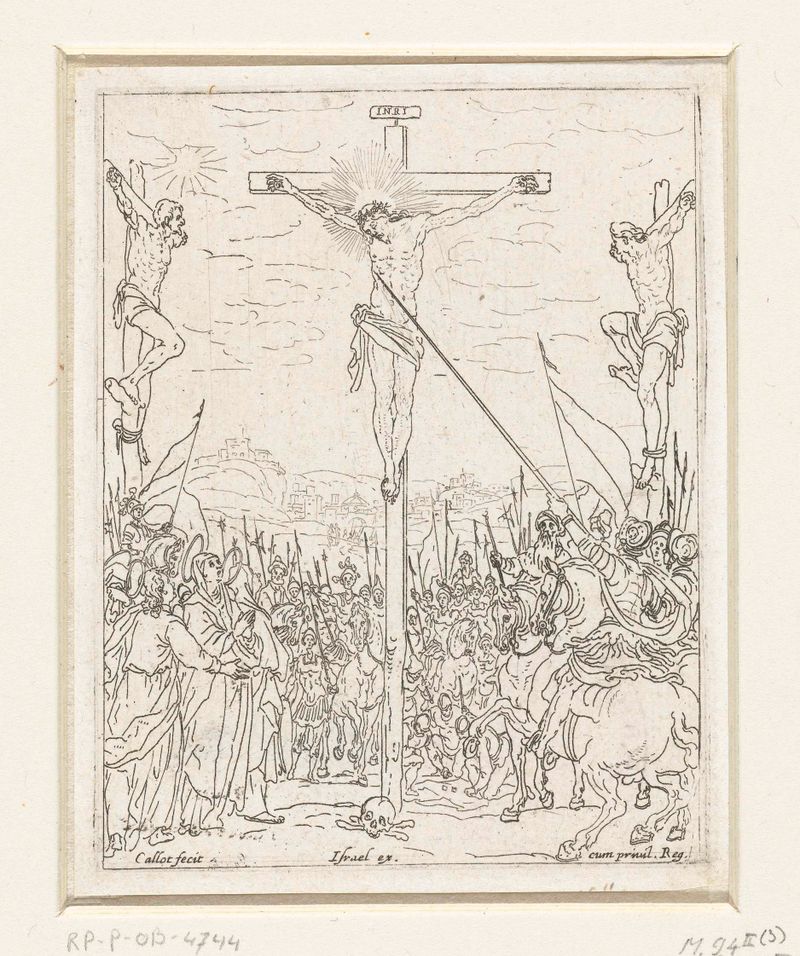
Kruisiging
Jacques Callot

De doortocht door de Rode Zee
Jacques Callot

De verloren zoon als zwijnenhoeder
Jacques Callot

Annunciatie
Jacques Callot
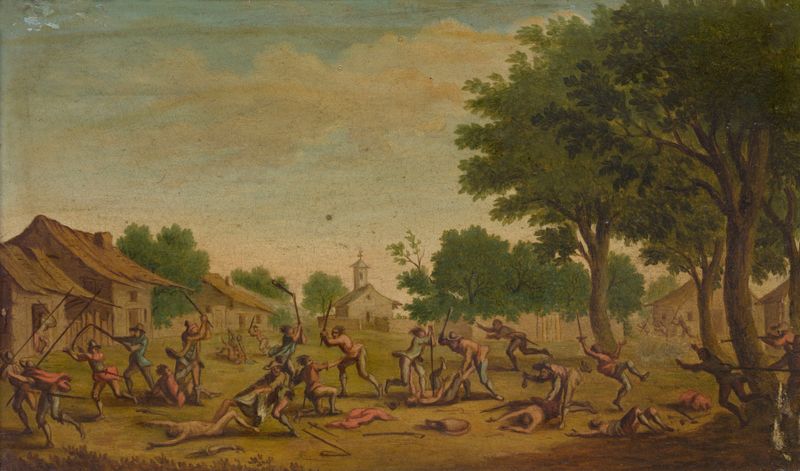
Village Fight
Jacques Callot

Titelprent voor prentreeks 'Het leven van Maria'
Jacques Callot
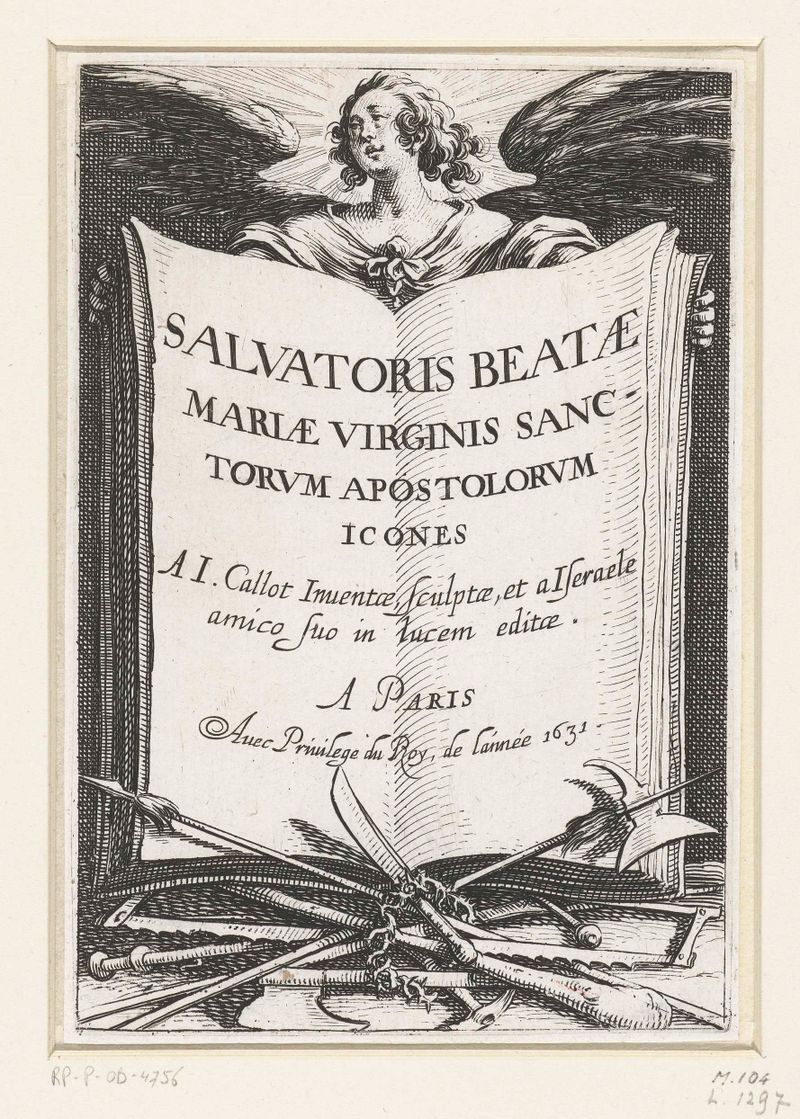
Titelprent voor de prentreeks 'De grote apostelen' (Christus, Maria en de apostelen)
Jacques Callot

Christus aan het volk getoond (Ecce homo)
Jacques Callot
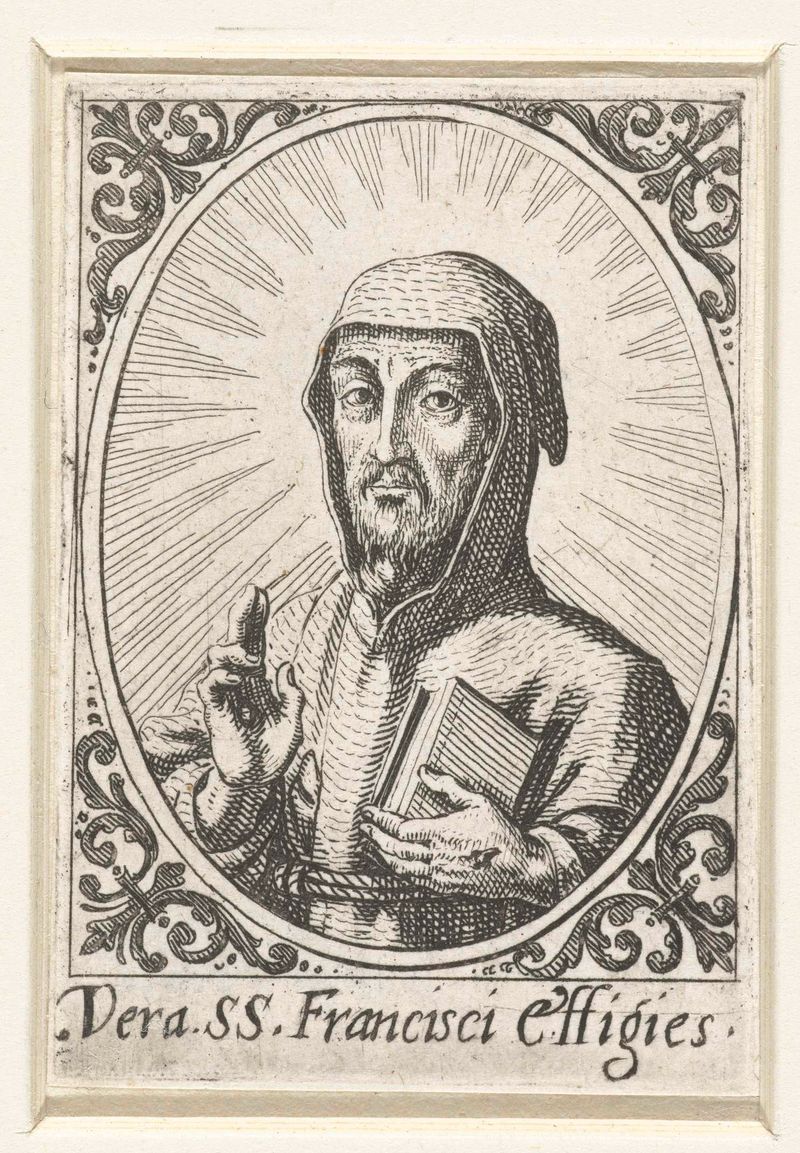
Portret van de Heilige Franciscus
Jacques Callot





