
Voorstellingen uit het leven van Maria en de lijdensgeschiedenis van Christus — History & Facts
Gold leaf halos catch the light first, drawing the eye across a tapestry of stories that unfold in panels like chapters in a book. The triptych structure invites viewers to move from one scene to the next, each one carefully staged with figures whose gestures and glances build a silent dialogue. In the central panel, the drama gathers around the nativity, where the infant Christ is the calm at the heart of a swirl of adoration, gifts, and architectural arches that frame the sacred event.
The artist’s use of rich reds and deep shadows sets a reverent mood, while the positioning of hands—raised in prayer, extended in offering, or resting in sorrow—guides the viewer through a cycle of anticipation, revelation, and mourning. The painted gold background, still radiant after centuries, signals the divine presence that threads through every episode. Works like this were born in the late medieval and early Renaissance period, when altarpieces served as both storytelling devices and devotional aids for congregations hungry for visual narrative. Scenes from the life of Mary and the Passion of Christ were among the most popular subjects, often commissioned by churches or wealthy patrons eager to display both faith and status.
The artist, Adriaen van Utrecht, is better known for his still lifes, but here he steps into the tradition of religious polyptychs, weaving together episodes that would have guided worshippers’ prayers and meditations. Now part of the collection at Rijksmuseum Twenthe, this painting stands as a window onto a world where art, faith, and daily life were inseparable—inviting us to look again and again, searching for the next detail to reveal itself.
More Artworks by Adriaen van Utrecht
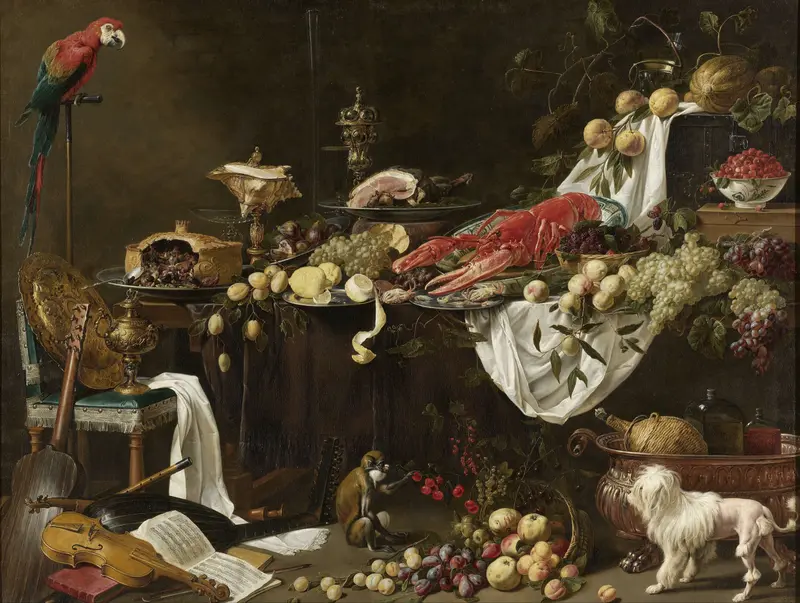
Banquet Still Life
Adriaen van Utrecht
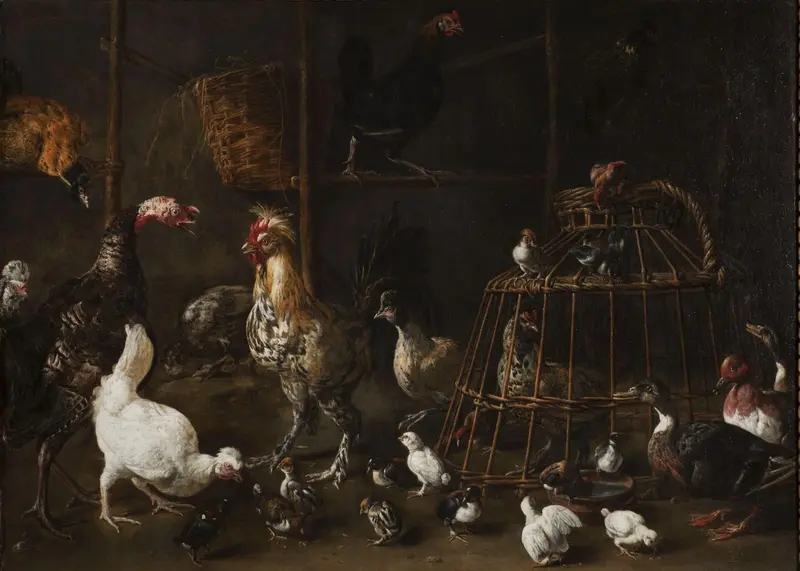
A barn interior with a turkey
Adriaen van Utrecht
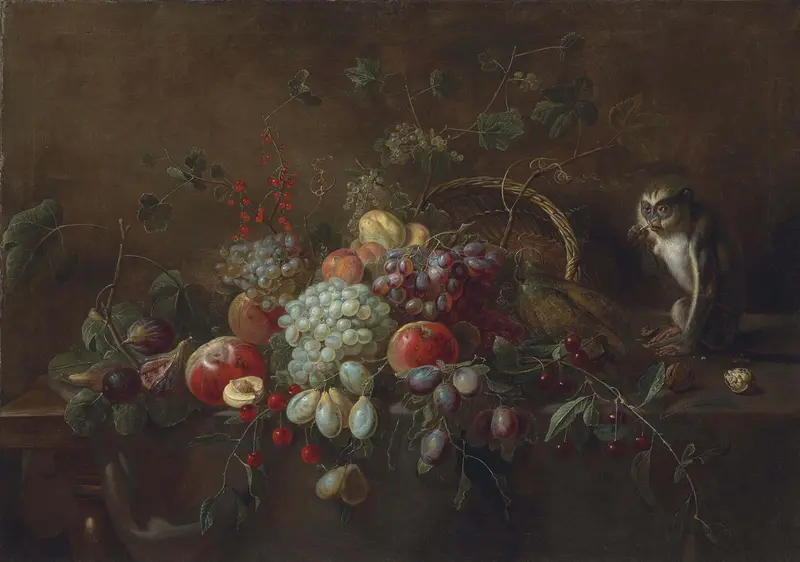
Grapes, apples, plums, figs and other fruit on a partly draped wooden table, a monkey eating walnuts by an upturned woven basket
Adriaen van Utrecht
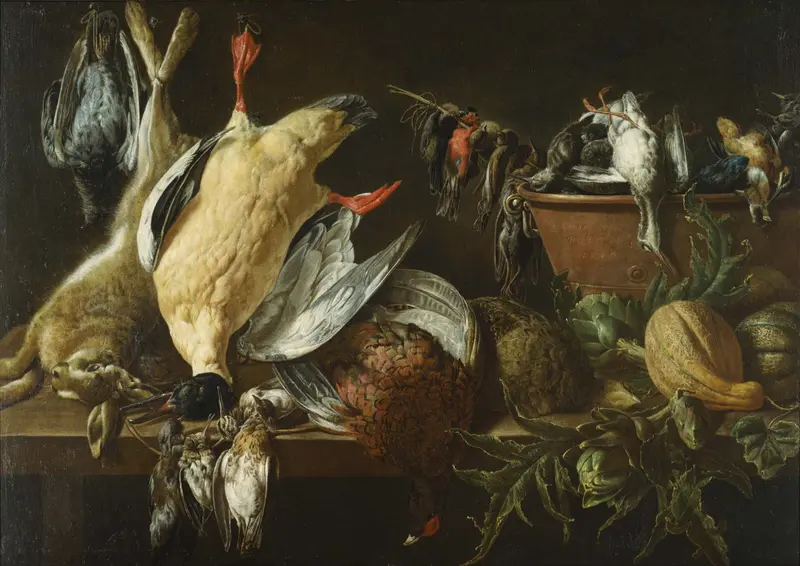
Still Life with Games and Vegetables
Adriaen van Utrecht
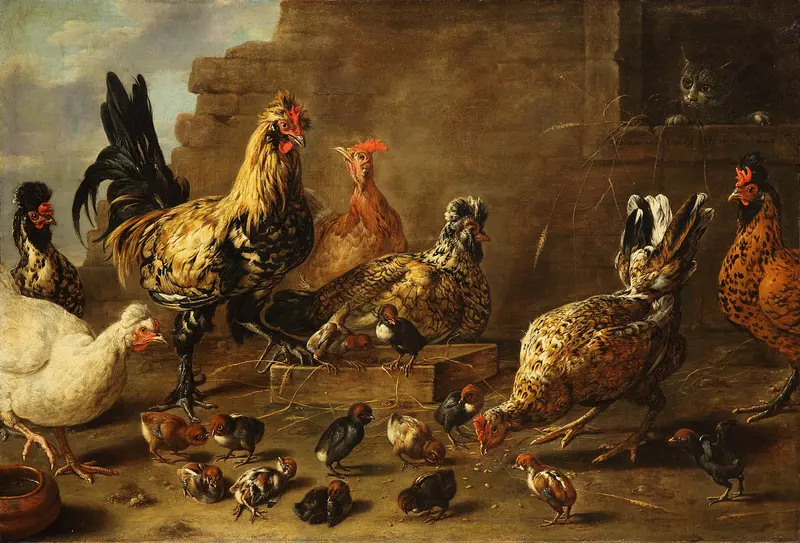
The chicken yard
Adriaen van Utrecht
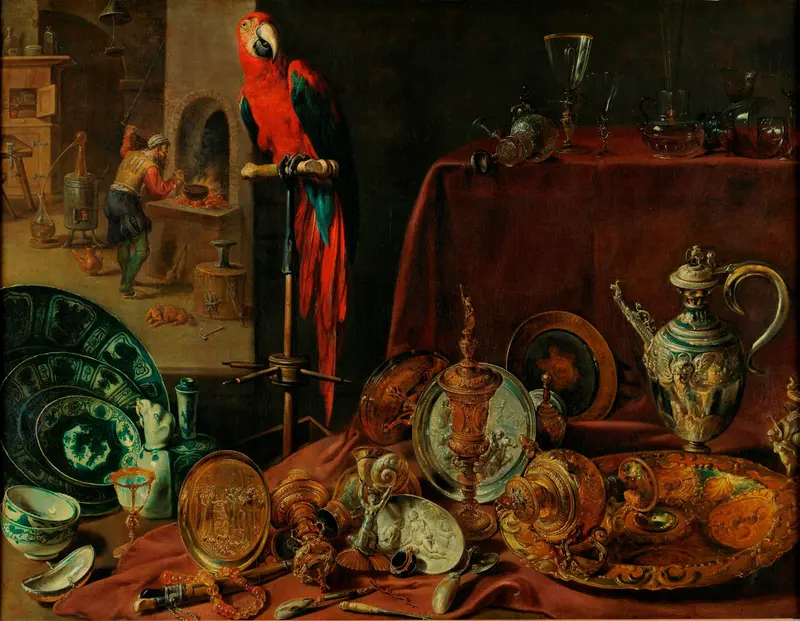
Still life with parrot, an allegory of fire
Adriaen van Utrecht
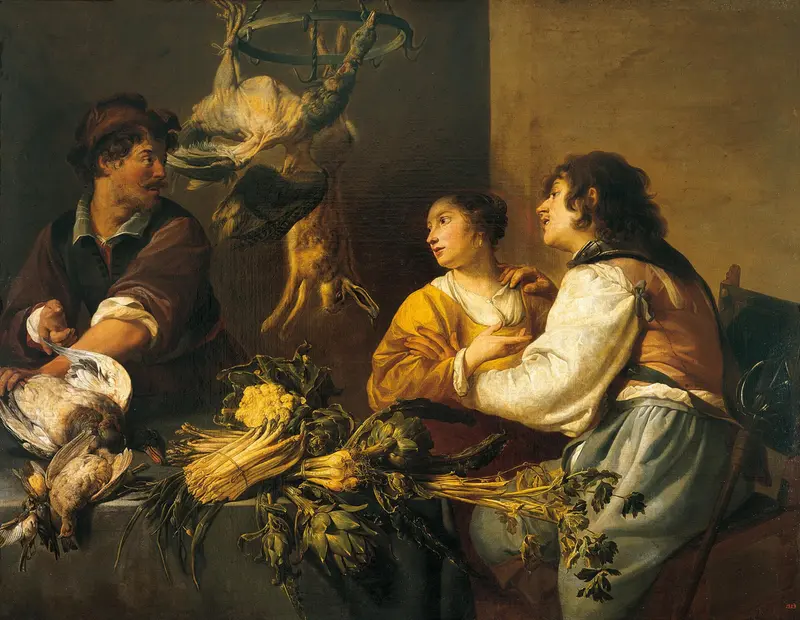
Kitchen
Adriaen van Utrecht
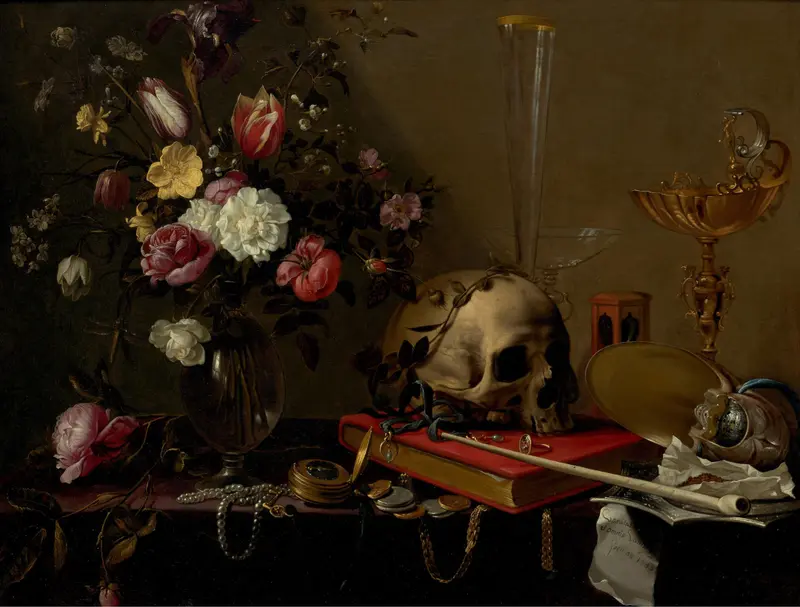
Vanitas - Still Life with Bouquet and Skull
Adriaen van Utrecht
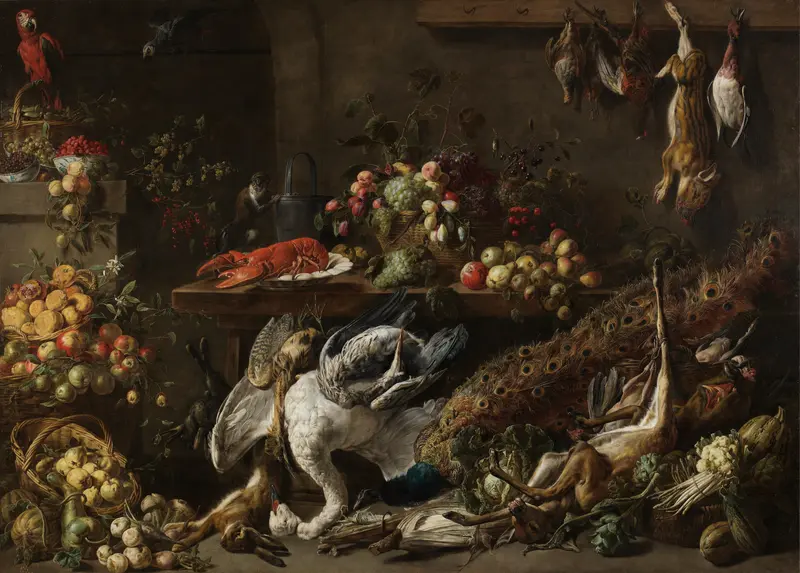
A Larder
Adriaen van Utrecht
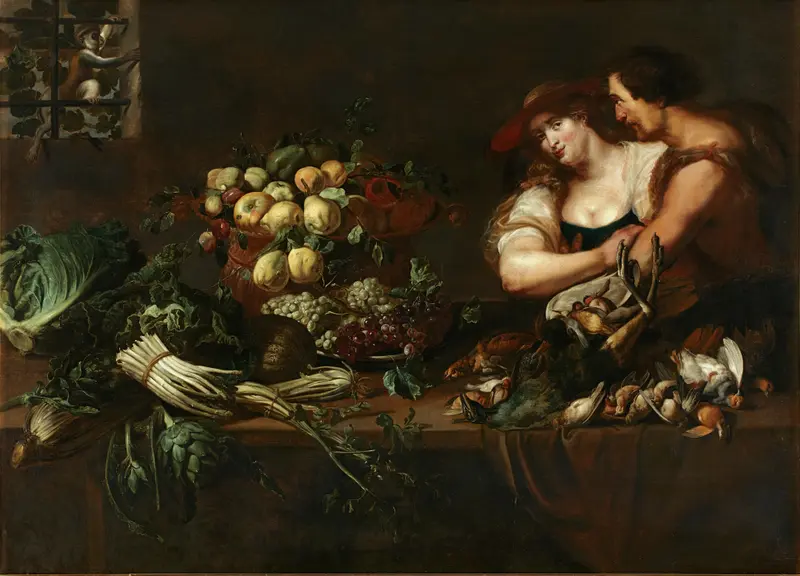
A Kitchen Still Life with Figures
Adriaen van Utrecht





