Vork van zilver — History & Facts
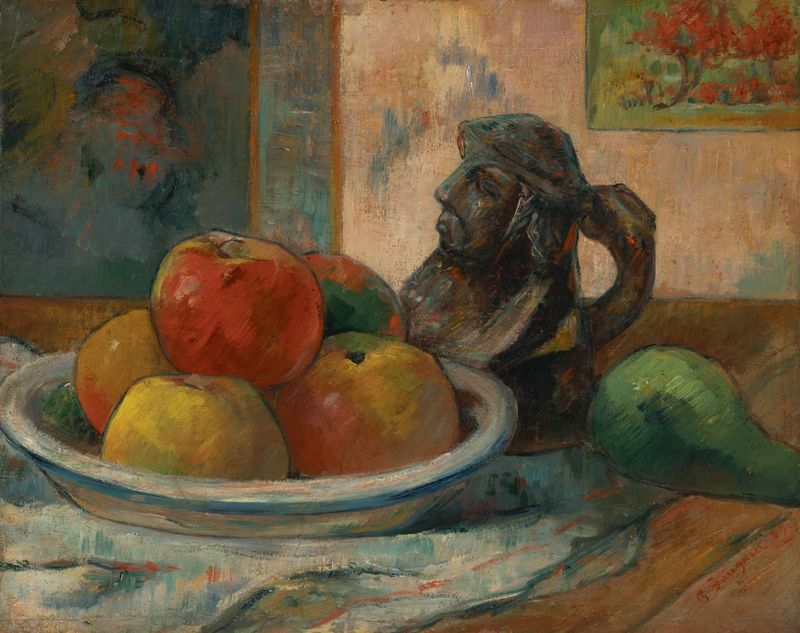
What if beauty was never meant to be finished? In a world where every stroke carries the weight of longing, the untouched whispers of loss linger in the silence of creation. Focus your gaze on the delicate forms emerging from the canvas. Notice how the artist’s meticulous brushwork creates a harmonious interplay of light and shadow, revealing a silver fork that gleams with an ethereal glow. Each detail is painstakingly rendered, from the intricate engravings to the soft reflections that dance across its surface, inviting both admiration and introspection. As you explore the composition, consider the fork's lonely presence amidst a void of emptiness.
It symbolizes not just sustenance but the act of separation, evoking memories of shared meals now lost to time. The contrasting textures between the polished metal and the sparse background heighten the tension between beauty and absence, transforming the object into an emblem of yearning. In 1764, while creating Vork van zilver, the artist was navigating a period of profound personal and artistic reflection. Working in the Netherlands, where still-life painting flourished, he sought to elevate everyday objects into realms of contemplation.
This artwork reflects a moment in a burgeoning era, where the simplicity of form intertwined with deeper existential explorations, capturing the essence of loss and the beauty that remains.