
Vue de Cannet — History & Facts
Can paint confess what words never could? In Vue de Cannet, a world unfurls where hues speak louder than sentences, inviting the viewer into a dialogue of unfiltered emotion and intimate truth. Focus on the vibrant interplay of colors in the foreground, where the terracotta rooftops contrast sharply with the lush greens and blues that frame the view. Notice how the sunlight cascades across the scene, illuminating the brushstrokes, each layer rich with texture and life. The composition draws the eye toward the horizon, where the distant hills seem to whisper secrets of the landscape, inviting contemplation and reflection. Hidden within this idyllic scene is a tension between reality and memory.
The bold, spontaneous brushwork conveys a sense of immediacy, yet the soft focus lends an aura of nostalgia, suggesting that this moment is both fleeting and eternal. The juxtaposition of warmth and coolness in the palette speaks to the emotional complexity of the artist’s experience, evoking both joy and longing in equal measure. During the period Bonnard painted Vue de Cannet, he was deeply immersed in the vibrant art community of Paris, navigating influences from Impressionism and Symbolism. This particular work reflects his evolving style, characterized by a desire to capture the essence of places he cherished.
The late 1910s were a time of profound change for Bonnard, as he sought to distill his feelings into vivid landscapes, marking a significant moment in his artistic journey.
More Artworks by Pierre Bonnard
Browse all →
Les deux fiacres (Boulevard des Batignolles)
Pierre Bonnard

Le Balcon Et L’ombrelle
Pierre Bonnard

Paysage de Vernon
Pierre Bonnard

Place Pigalle at Night
Pierre Bonnard
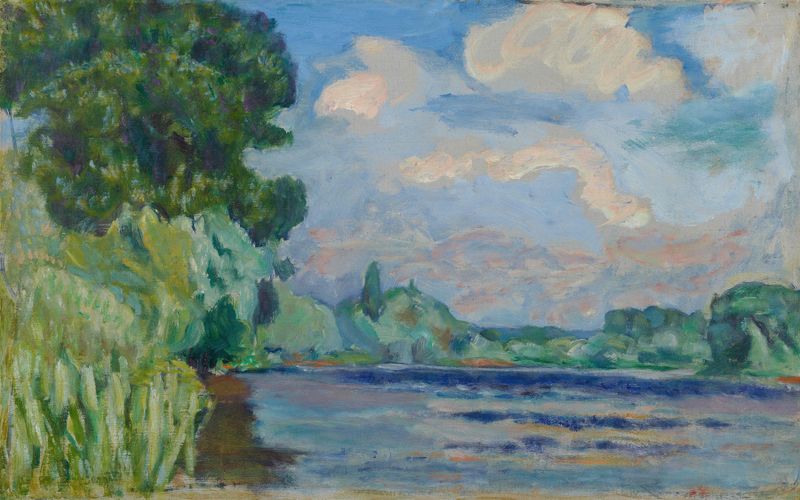
La Seine à Vernon
Pierre Bonnard

Les Toits
Pierre Bonnard
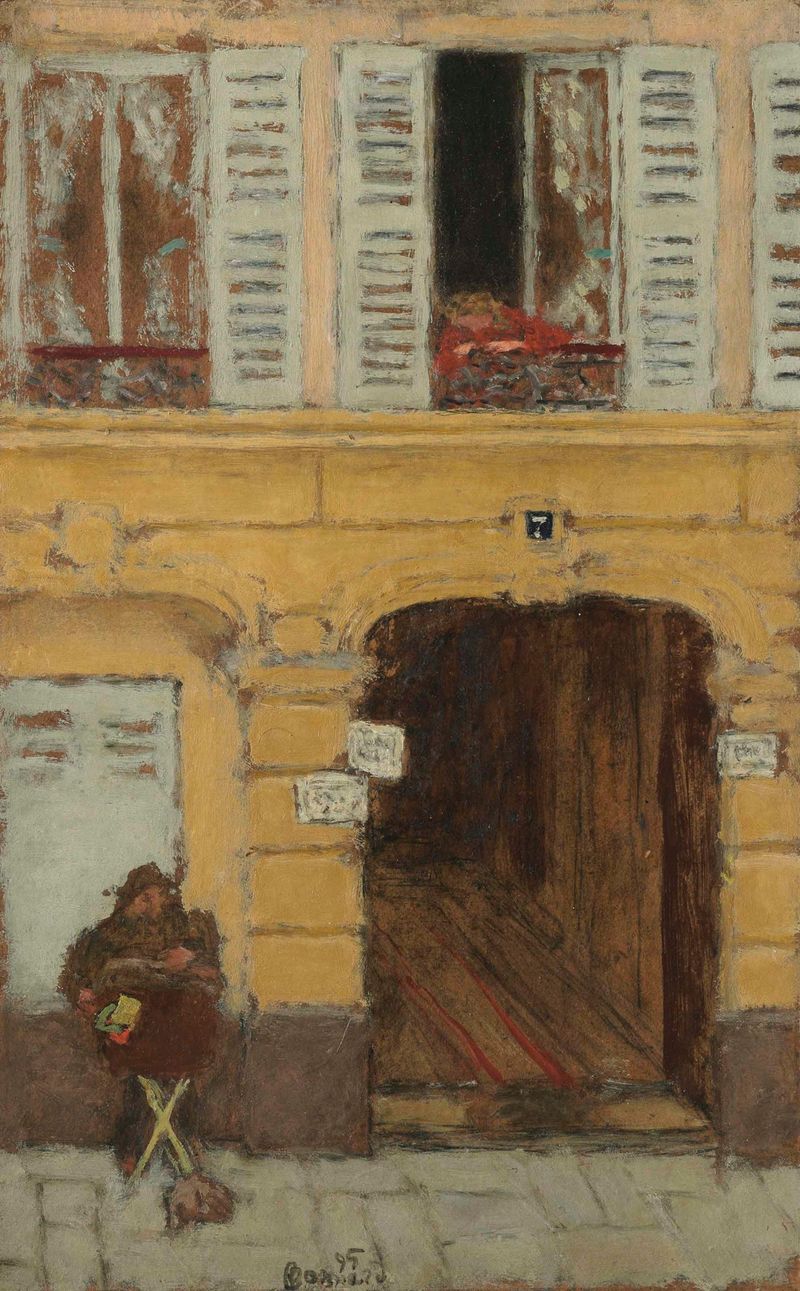
L’orgue de Barbarie ou Le joueur d’orgue
Pierre Bonnard

Paysage de Saint-Tropez
Pierre Bonnard

Soleil Couchant
Pierre Bonnard
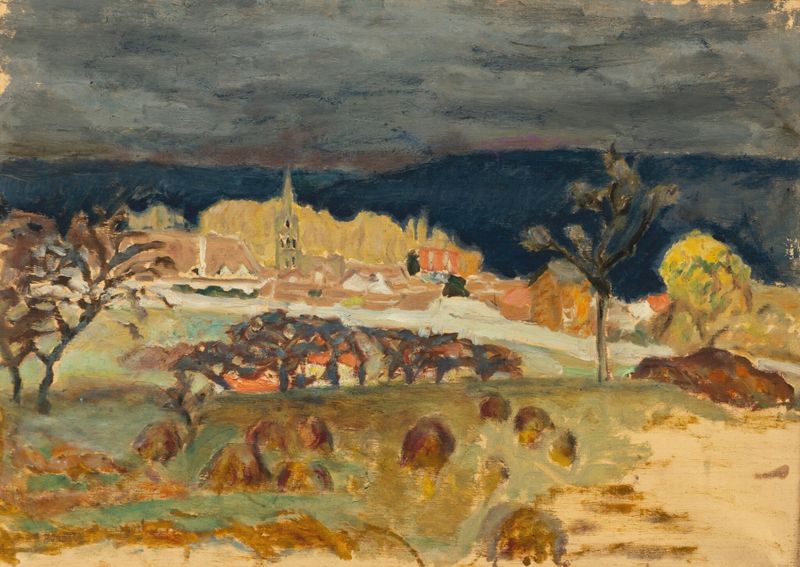
Village, ciel d’orage
Pierre Bonnard





