
Vue De Montmartre — History & Facts
Could a single brushstroke hold eternity? In Vue De Montmartre, the vibrant colors of the Parisian landscape beckon us to ponder the fleeting beauty of life, as each stroke encapsulates a moment in time that refuses to fade. Look to the foreground, where the bustling streets intertwine with the gentle undulations of Montmartre’s hills. The artist’s deft brushwork creates a shimmering quality in the foliage, allowing dappled sunlight to dance across the lush greens and warm earth tones. Notice how the figures, poised in leisurely activities, are bathed in luminous light, their jovial expressions mirroring the lively atmosphere of this iconic neighborhood. Embedded within this picturesque scene is a tension between leisure and the rapid pace of change.
The lively figures seem to be caught in a fleeting moment, symbolizing a world on the brink of modernity while also deeply rooted in tradition. The contrast between the vibrant hues of nature and the subdued tones of the buildings highlights a struggle between the old and the new, inviting viewers to reflect on their own place within this evolving tapestry. In 1885, Renoir painted this piece amidst the rise of Impressionism, a movement characterized by its break from traditional techniques and subject matter. Living in Paris, he was influenced by the burgeoning artistic community that sought to capture the essence of contemporary life.
This period marked a significant revolution in the art world, as the artist embraced innovative approaches that challenged artistic conventions, ultimately leaving a lasting impact on future generations.
More Artworks by Pierre-Auguste Renoir
Browse all →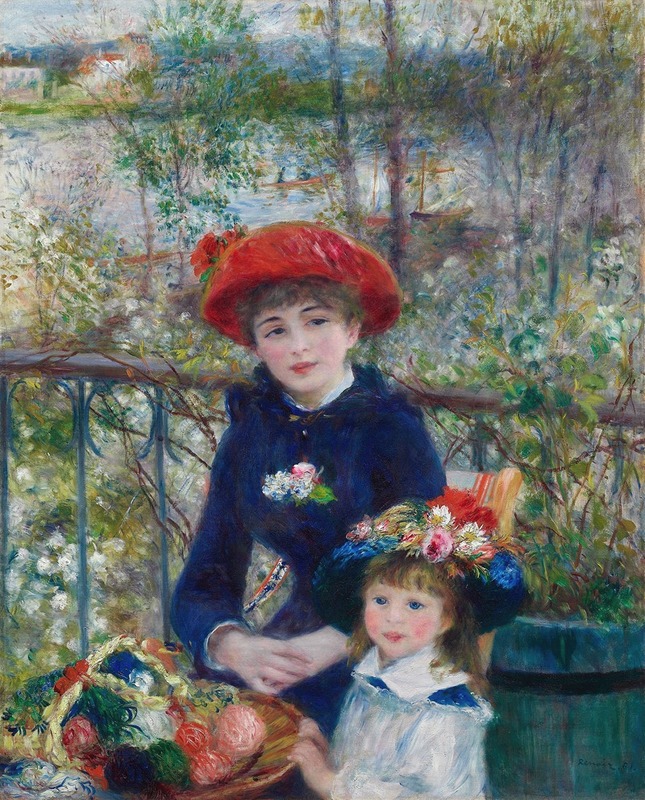
Two Sisters (On the Terrace)
Pierre-Auguste Renoir
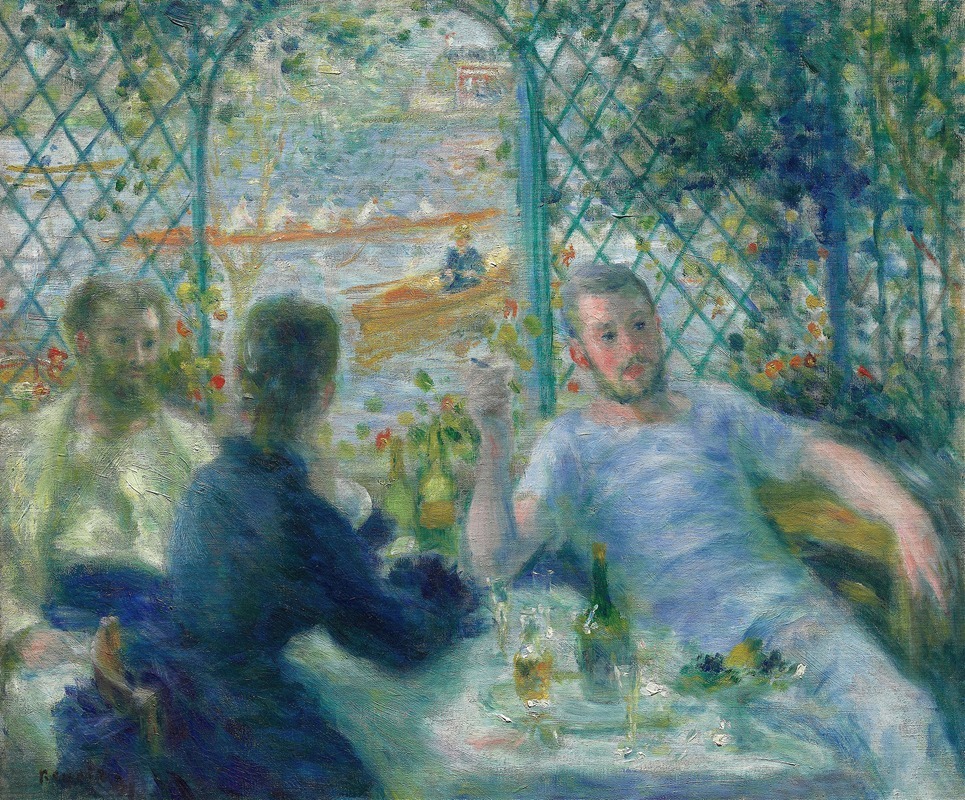
Lunch at the Restaurant Fournaise (The Rowers' Lunch)
Pierre-Auguste Renoir
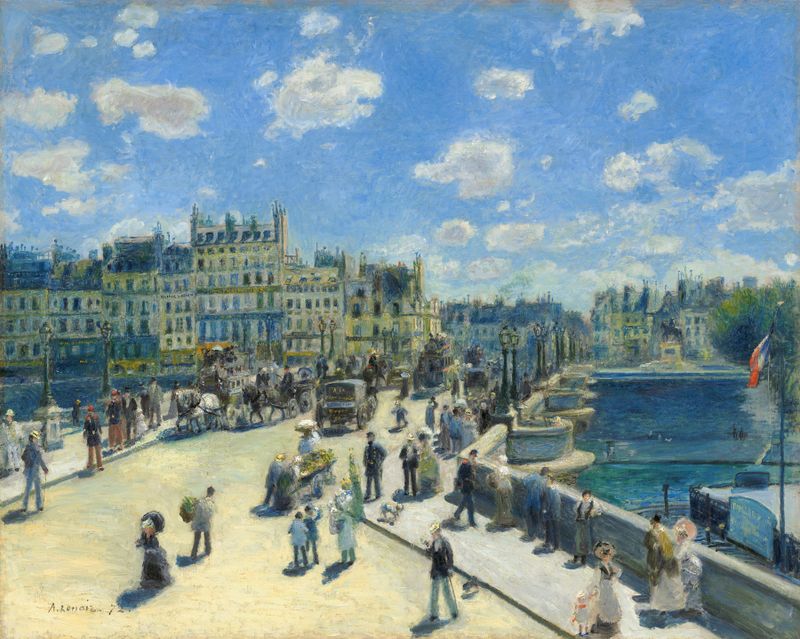
Pont Neuf, Paris
Pierre-Auguste Renoir
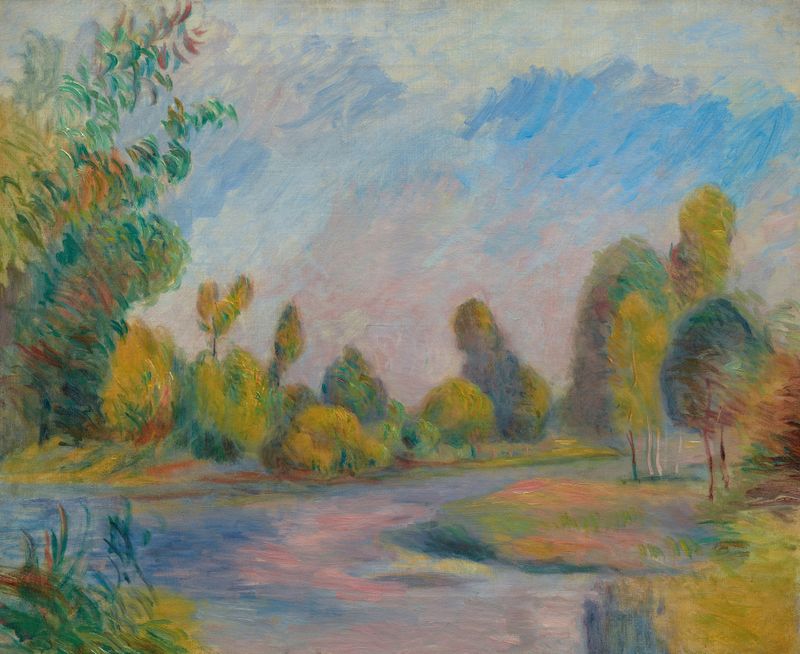
Au bord de la rivière
Pierre-Auguste Renoir

Near the Lake
Pierre-Auguste Renoir
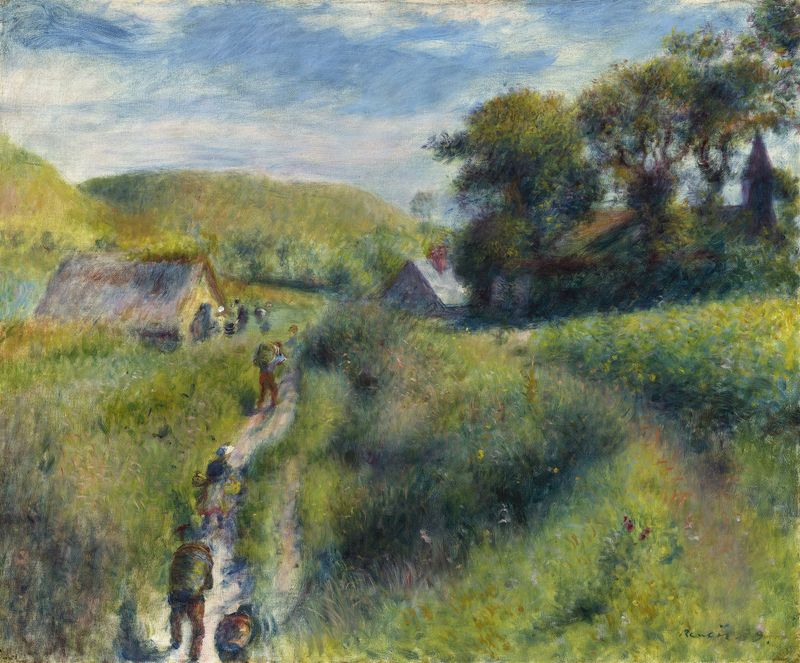
The Mussel Harvest
Pierre-Auguste Renoir

The Seine at Chatou
Pierre-Auguste Renoir
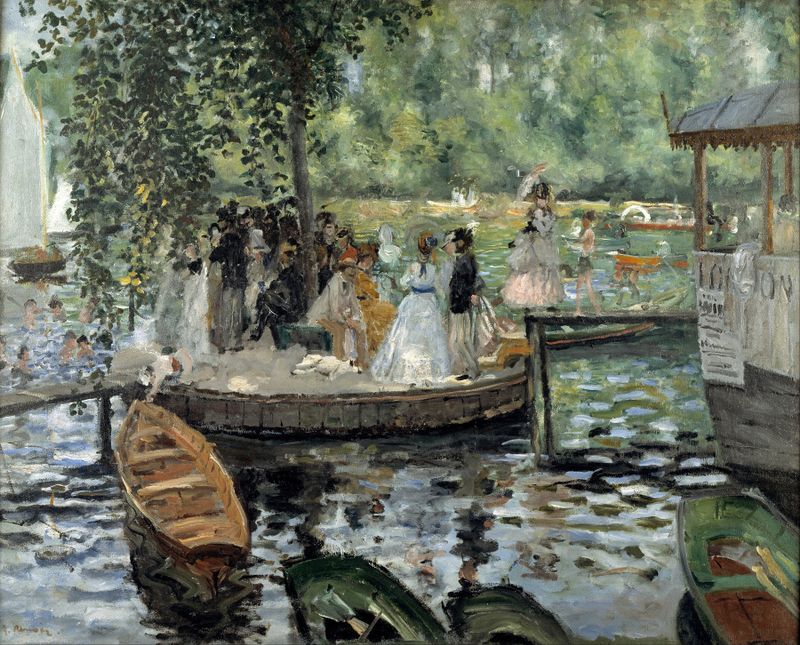
La Grenouillère
Pierre-Auguste Renoir
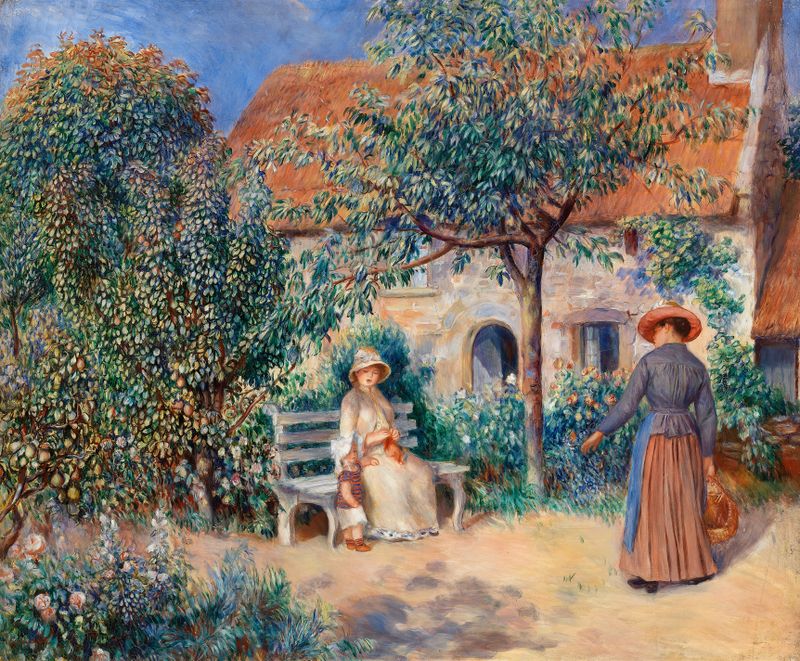
In Brittany (En Bretagne)
Pierre-Auguste Renoir
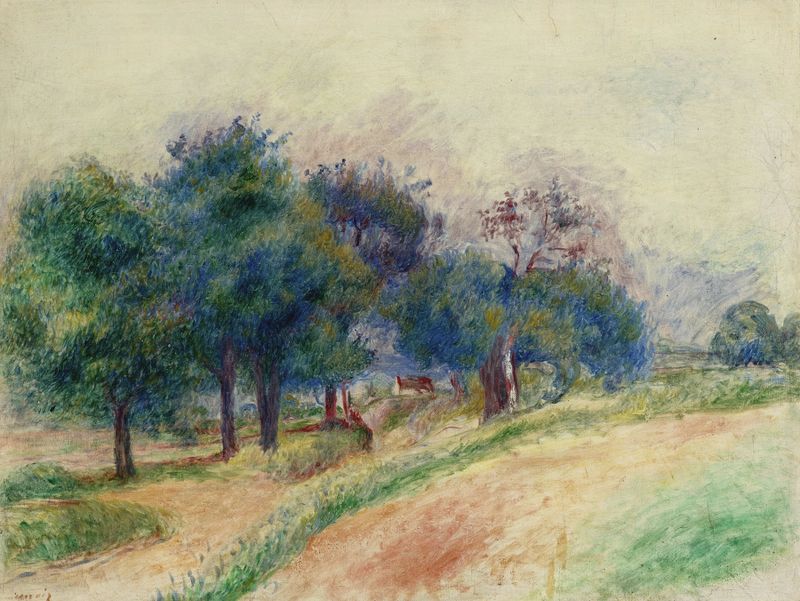
Paysage d’Essoyes
Pierre-Auguste Renoir





