
Vue de village, Route à Cagnes — History & Facts
Can paint confess what words never could? In Vue de village, Route à Cagnes, the landscape breathes a silent revolution, capturing the essence of a moment that transcends mere representation. Focus on the horizon where warm, golden sunlight spills over the rooftops. The rich hues of ochre and green draw the eye into a vibrant village nestled amidst rolling hills. Notice how the brushstrokes dance across the canvas, an energetic rhythm that mirrors the gentle sway of the trees.
Every stroke appears alive, inviting you to contemplate the interplay between shadow and light, revealing the artist’s intimate relationship with nature. Amidst this picturesque scene lies an emotional tension — a juxtaposition of tranquility and vibrancy. The movement of the trees hints at a whispering breeze, while the stillness of the village suggests a moment caught in time. The path meandering through the landscape beckons viewers to wander, signifying a journey not only through the physical world but also through an emotional resonance of change and continuity.
Here, Renoir encapsulates the essence of life, where each color carries a story, each shadow a secret. In 1905, Renoir painted this work during a period of artistic exploration and personal transition. Residing in Cagnes-sur-Mer, he was embracing Impressionism's legacy while also seeking to convey a more profound emotional depth. The world beyond his canvas was shifting — a burgeoning modernity that would soon redefine art and society.
This painting stands as a testament to both his mastery and the inevitable evolution of artistic expression during his lifetime.
More Artworks by Pierre-Auguste Renoir
Browse all →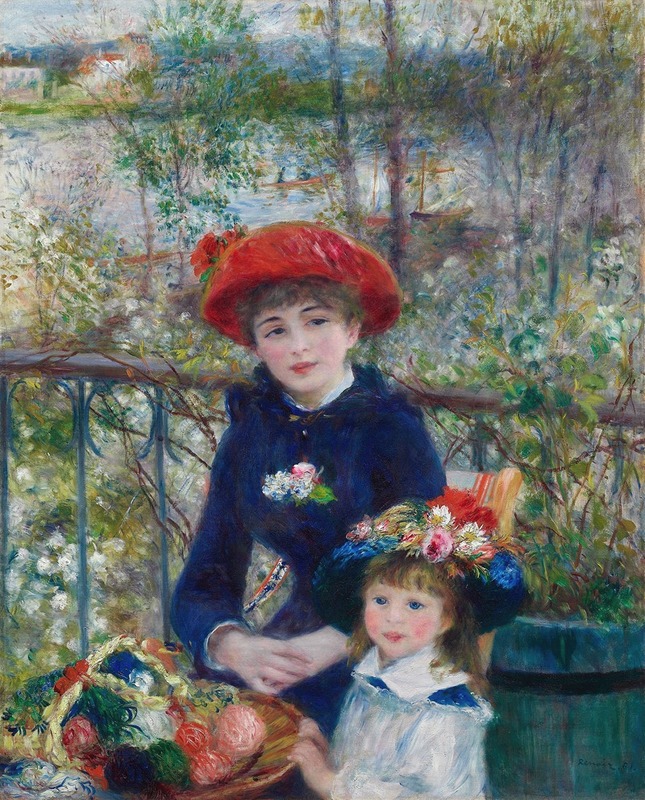
Two Sisters (On the Terrace)
Pierre-Auguste Renoir
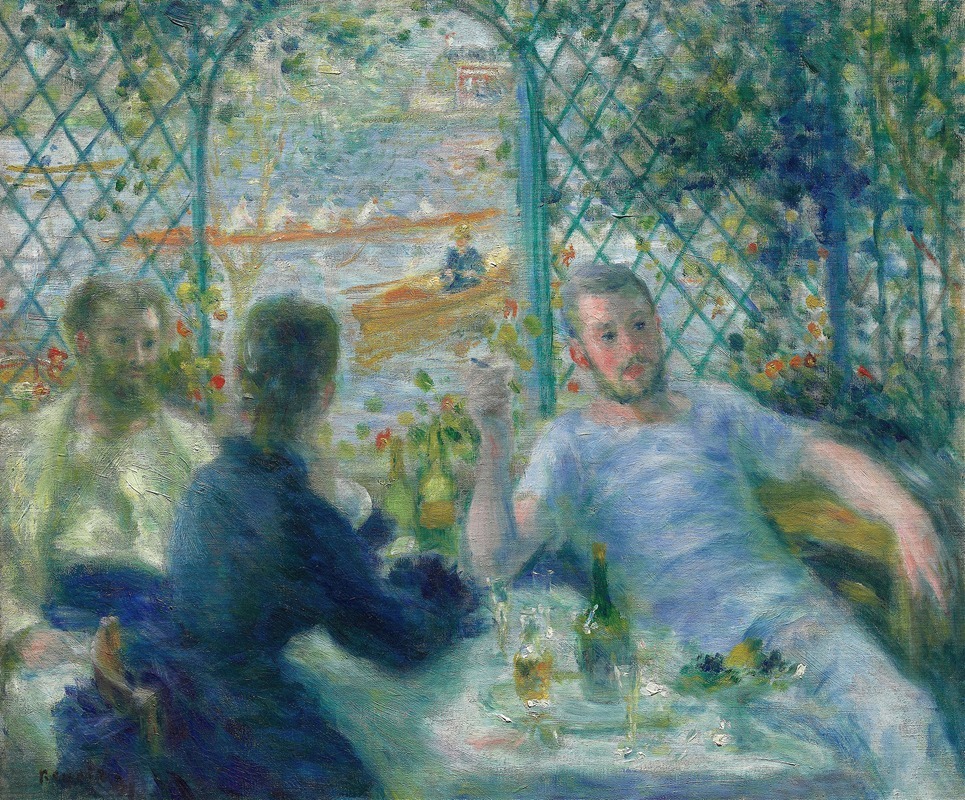
Lunch at the Restaurant Fournaise (The Rowers' Lunch)
Pierre-Auguste Renoir
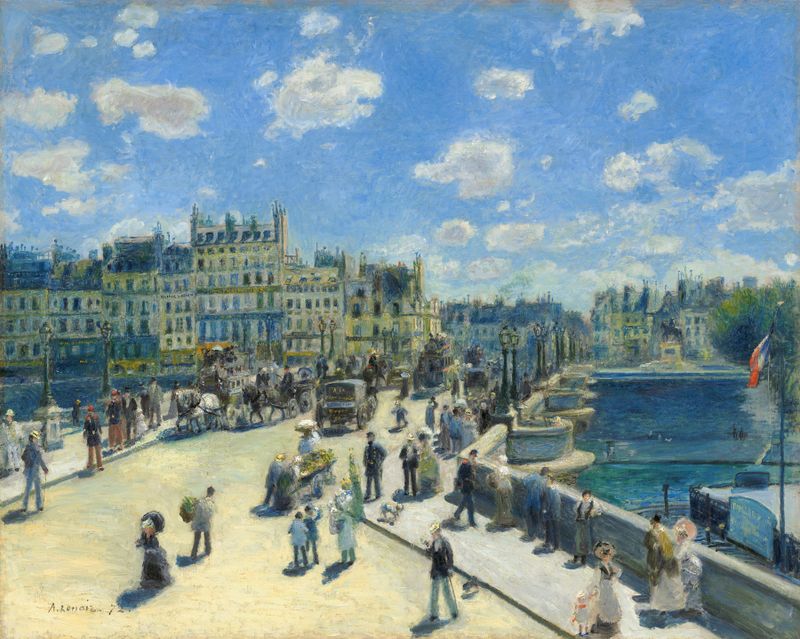
Pont Neuf, Paris
Pierre-Auguste Renoir
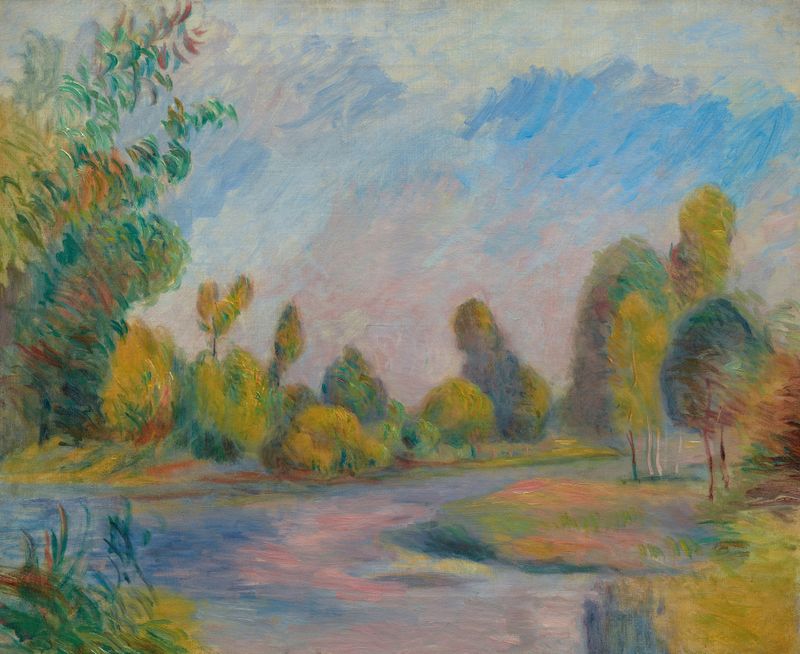
Au bord de la rivière
Pierre-Auguste Renoir

Near the Lake
Pierre-Auguste Renoir
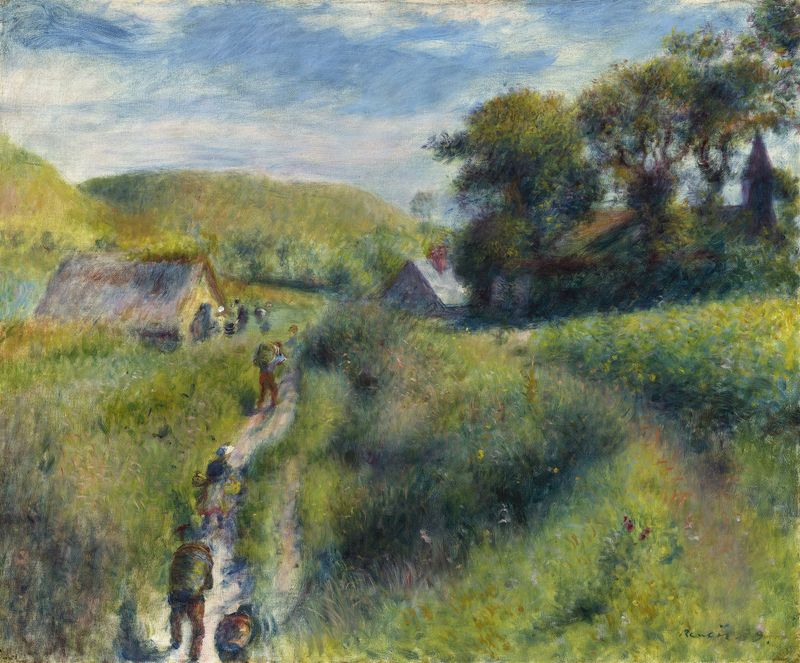
The Mussel Harvest
Pierre-Auguste Renoir

The Seine at Chatou
Pierre-Auguste Renoir
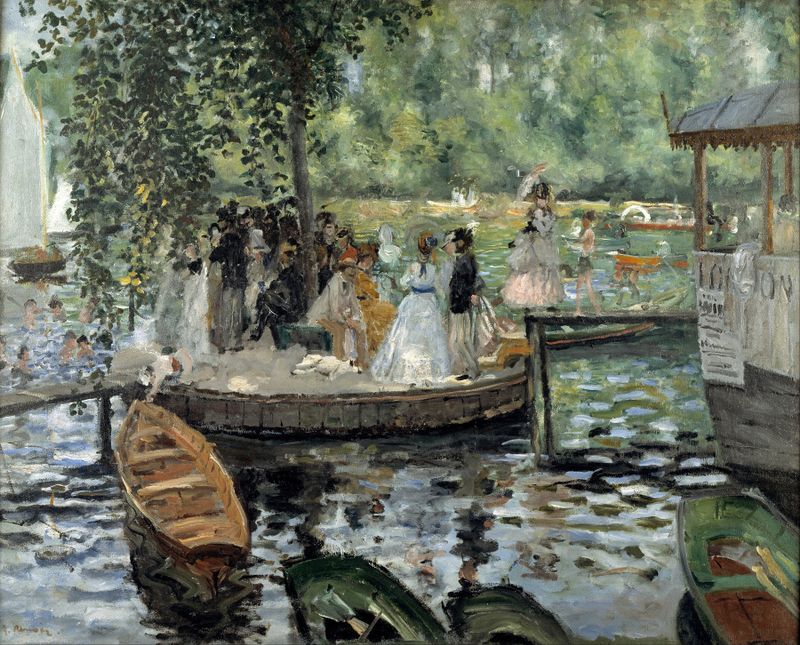
La Grenouillère
Pierre-Auguste Renoir
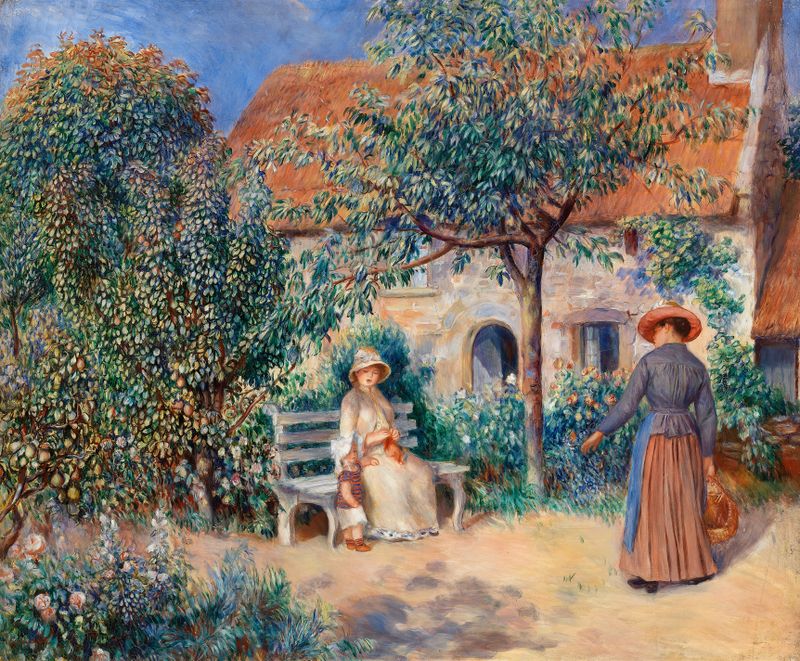
In Brittany (En Bretagne)
Pierre-Auguste Renoir
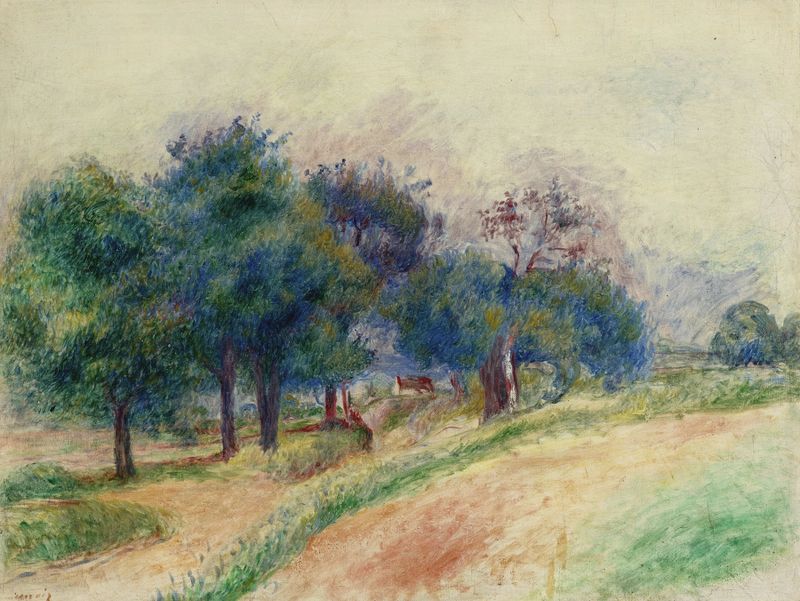
Paysage d’Essoyes
Pierre-Auguste Renoir





