
Vue de ville avec canal — History & Facts
Did the painter know this moment would outlive them? In Vue de ville avec canal, the quiet ripple of water serves as both a serene backdrop and a subtle whisper of betrayal, suggesting secrets hidden beneath the surface of life. Look to the foreground where the canal glimmers, its surface reflecting the hues of a fading sunset. Notice how the delicate brushstrokes create movement, capturing the gentle flow of water as it mingles with the stillness of the buildings lining the banks. The palette, rich with warm oranges and cool blues, evokes a sense of harmony yet hints at an underlying tension that invites deeper contemplation. The contrast between the vibrant colors and the looming shadows of the cityscape reveals a dichotomy of peace and unrest.
The boats, seemingly at ease, glide along the canal, yet their presence symbolizes the transient nature of human endeavors, as if they navigate through unspoken histories. Each ripple suggests movement but also a lingering trace of past betrayals, reminding viewers of the ephemeral connections that bind us to place and memory. In the early 20th century, during a time of great change in Europe, the artist created this work while living in a world where new ideas and technologies collided with tradition. It was an era marked by both innovation and turmoil, reflecting the artist’s own journey as he sought to distill the essence of urban life into a moment captured on canvas.
More Artworks by Armand Apol
Browse all →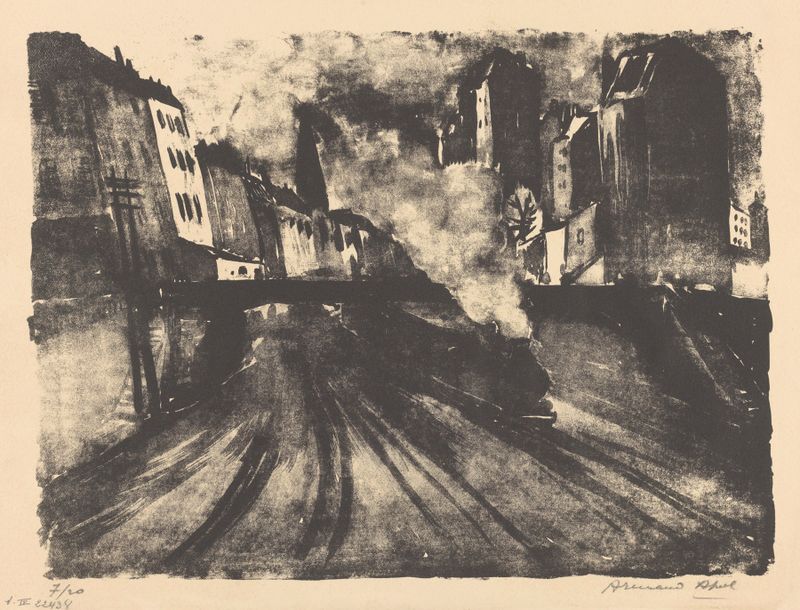
Chemin de fer de ceinture à Paris
Armand Apol
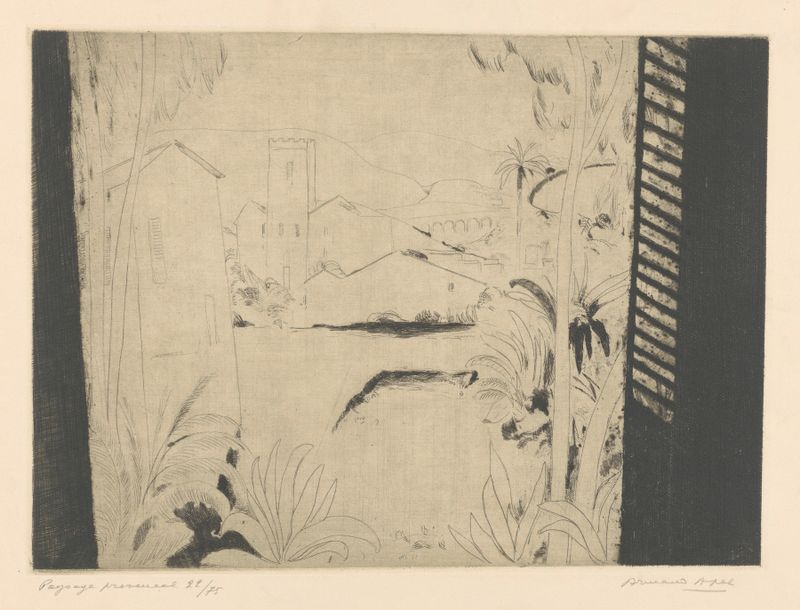
Paysage provençal
Armand Apol
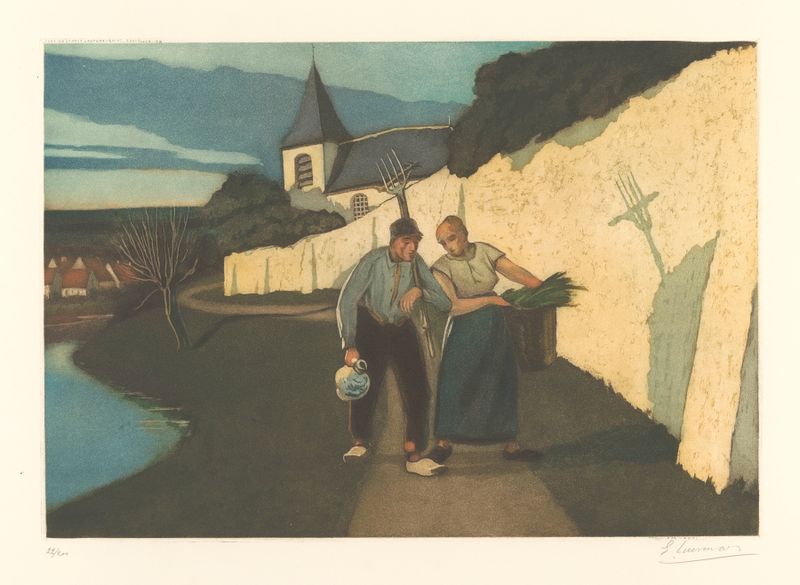
Retour des champs
Armand Apol
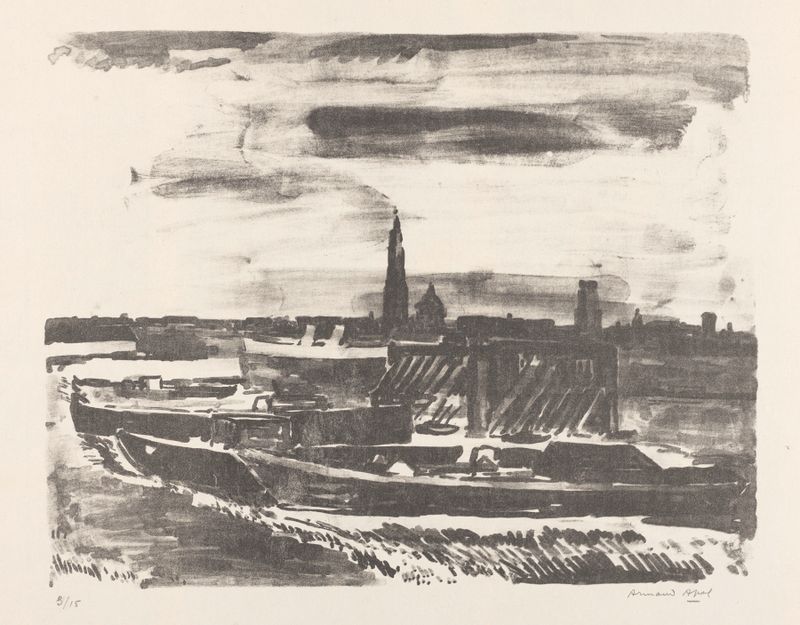
Bateaux à quai à Anvers
Armand Apol
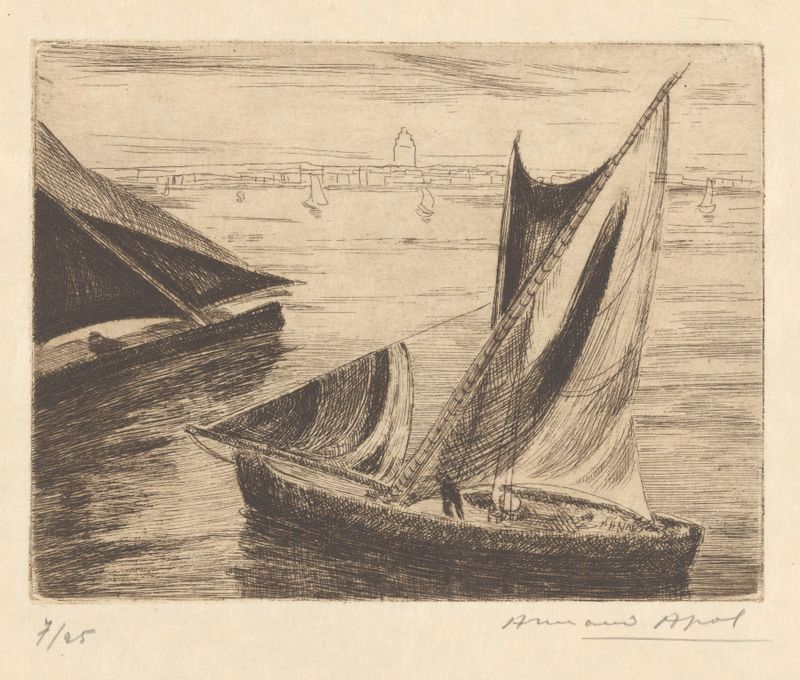
Marseille. Tartanes
Armand Apol
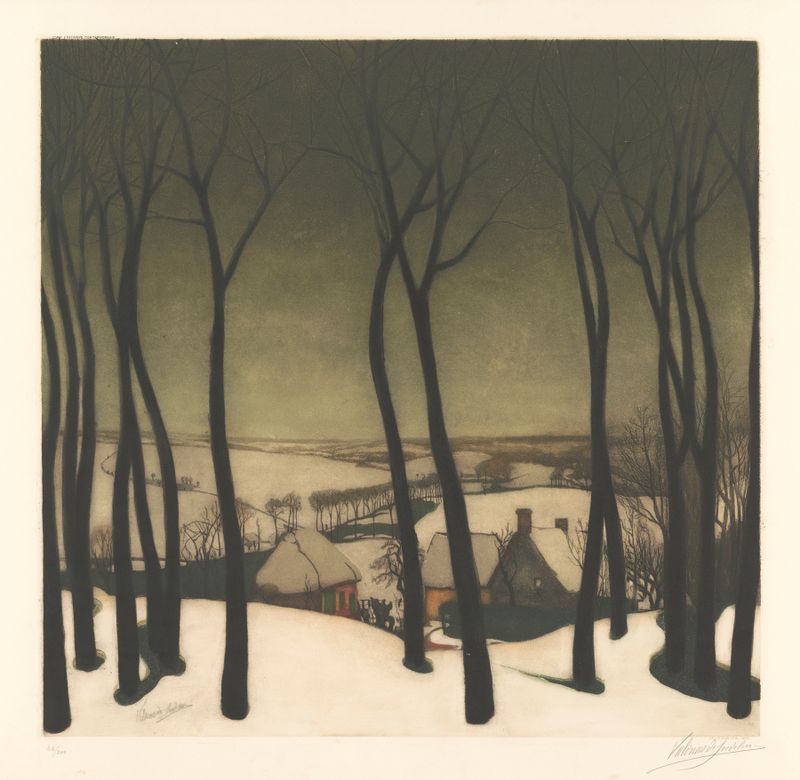
Paysage
Armand Apol
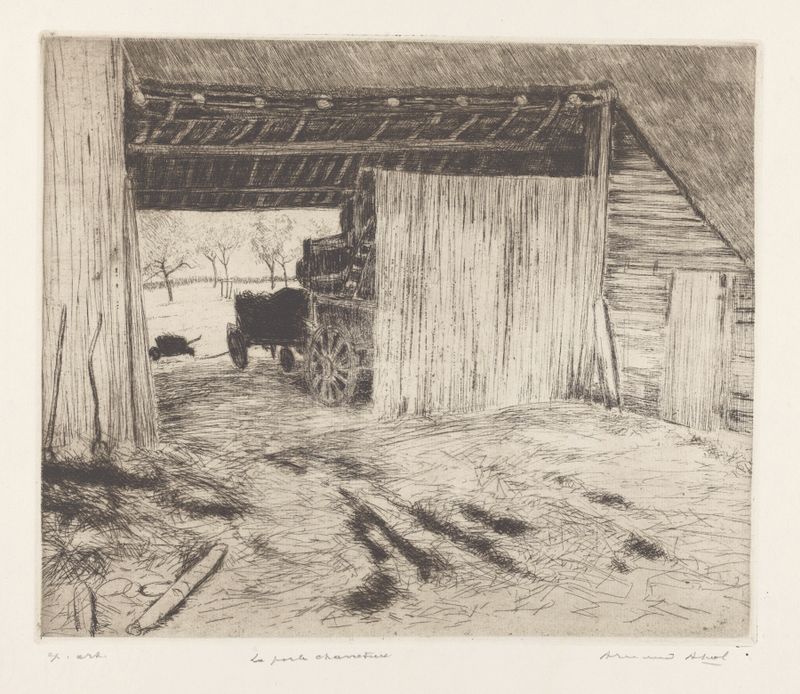
La porte charretière
Armand Apol
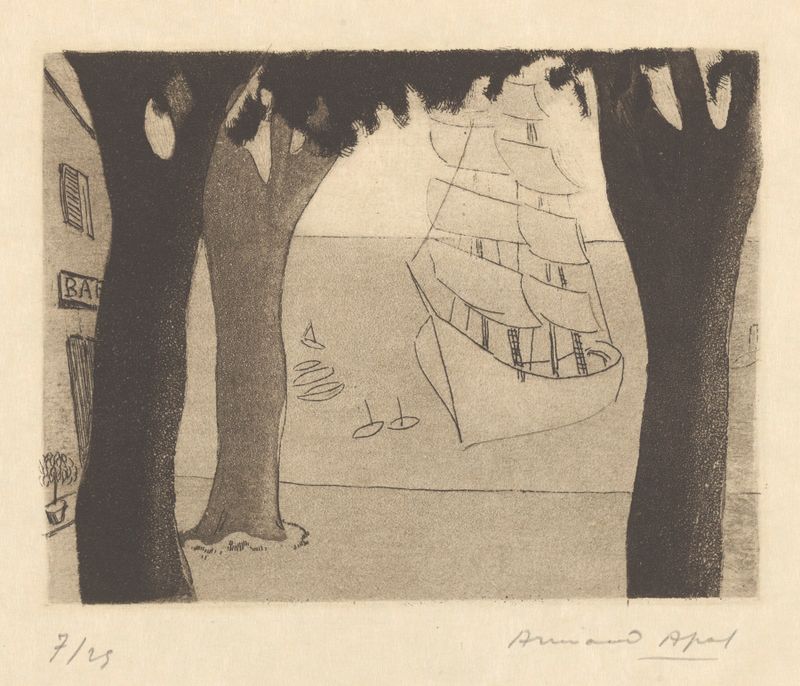
Cassis. Vue sur le port
Armand Apol
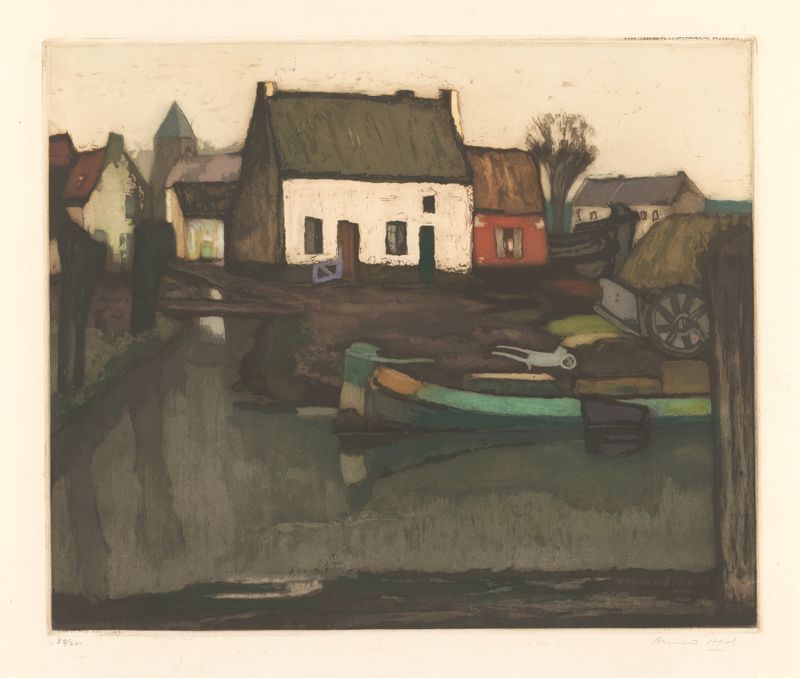
Bord du canal
Armand Apol
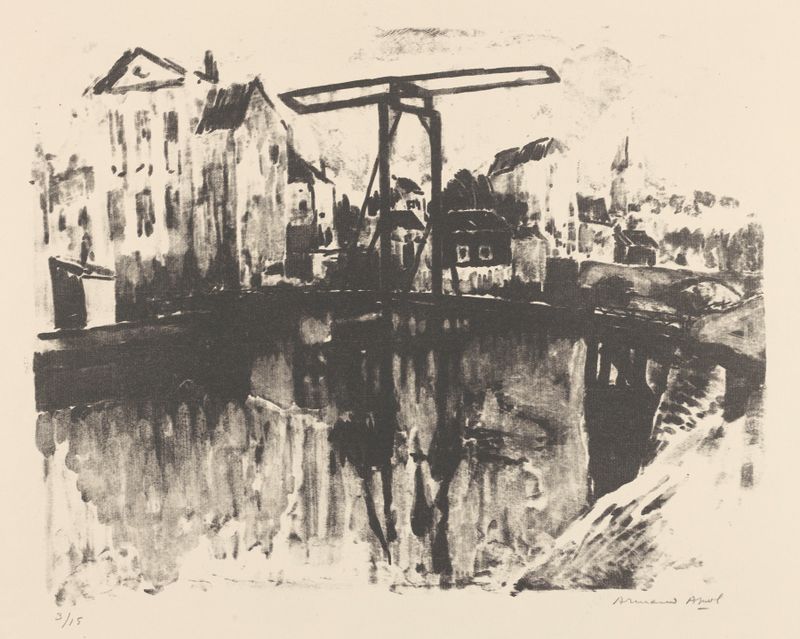
Pont basculant dans une ville
Armand Apol





