
Waldinneres mit lesendem Knaben — History & Facts
Can beauty exist without sorrow? In the quiet solitude of a forest, the whisper of leaves seems to echo this question, each rustle a reminder of yearning. Focus on the young boy, seated amidst a soft carpet of moss, surrounded by towering, timeless trees. His gaze is lost in the pages of a book—those fragile leaves hold a world of stories, yet the shadows dance around him, hinting at the solitude of his exploration. Notice how the sunlight filters through the branches, creating a dappled pattern that embraces the boy; this interplay of light and darkness mirrors the tug-of-war between innocence and the weight of knowledge. Delve deeper into the contrasts present within the scene.
The boy's stillness stands in stark relief to the vibrant life of the forest, suggesting a longing for connection that transcends the written word. The natural colors, rich greens and warm browns, evoke a sense of comfort, yet they cast an underlying melancholy, as if the forest itself harbors secrets. Each detail—the boy’s absorbed expression, the way the book rests delicately in his hands—hints at a narrative of dreams and unfulfilled desires. Hans Thoma created this piece around 1860 during a period where Romanticism was at its zenith, impacting the way artists perceived nature and emotion.
Working in Germany, he was deeply influenced by the idea of connecting profound human experiences with the tranquility of the natural world. This painting captures a moment that reflects his own contemplative spirit, as well as the broader cultural movement that sought beauty in solitude, creating a bridge between nature and inner thought.
More Artworks by Hans Thoma
Browse all →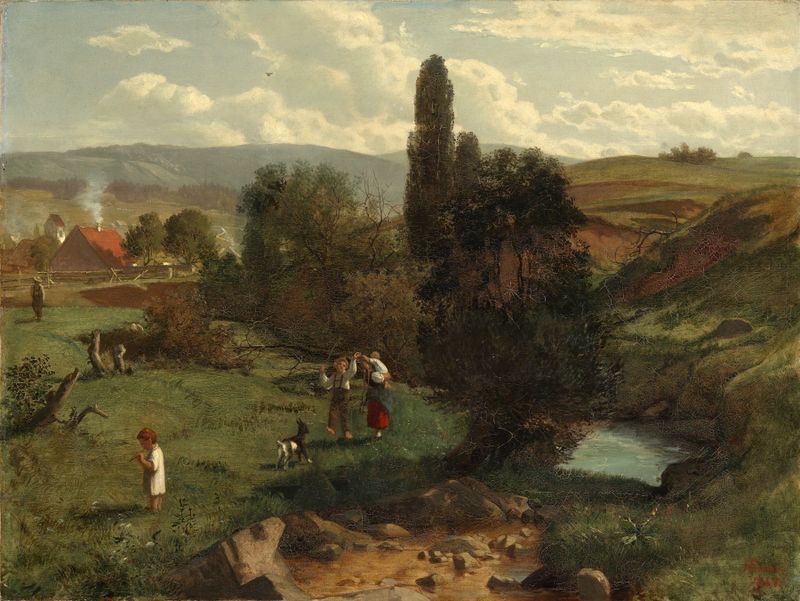
Schwarzwaldlandschaft
Hans Thoma
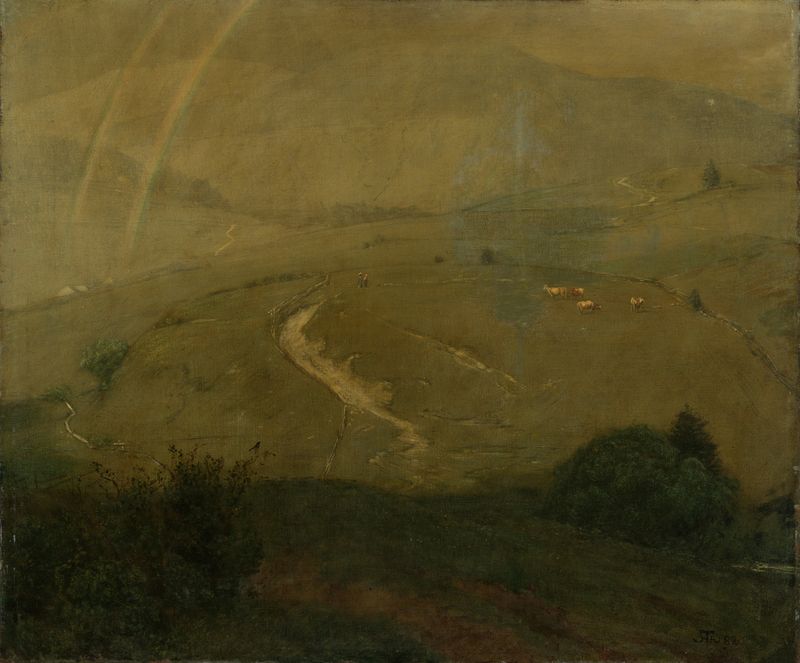
Regen im Schwarzwald
Hans Thoma
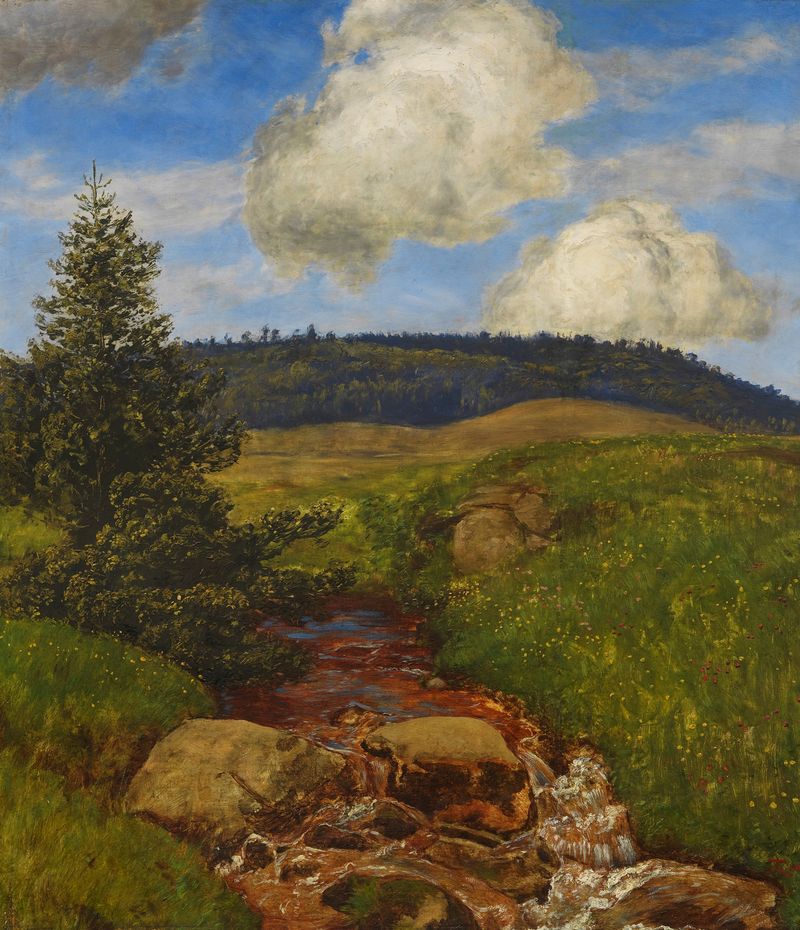
Schwarzwaldbach
Hans Thoma
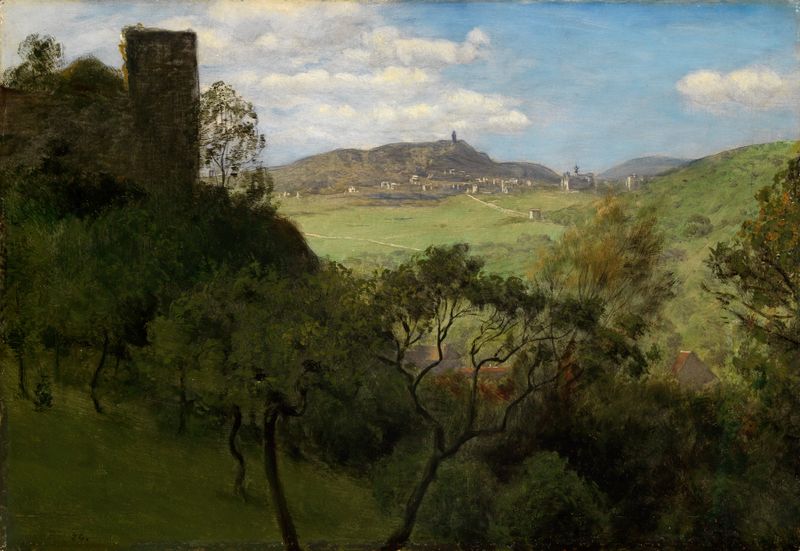
Blick auf Falkenstein im Taunus
Hans Thoma
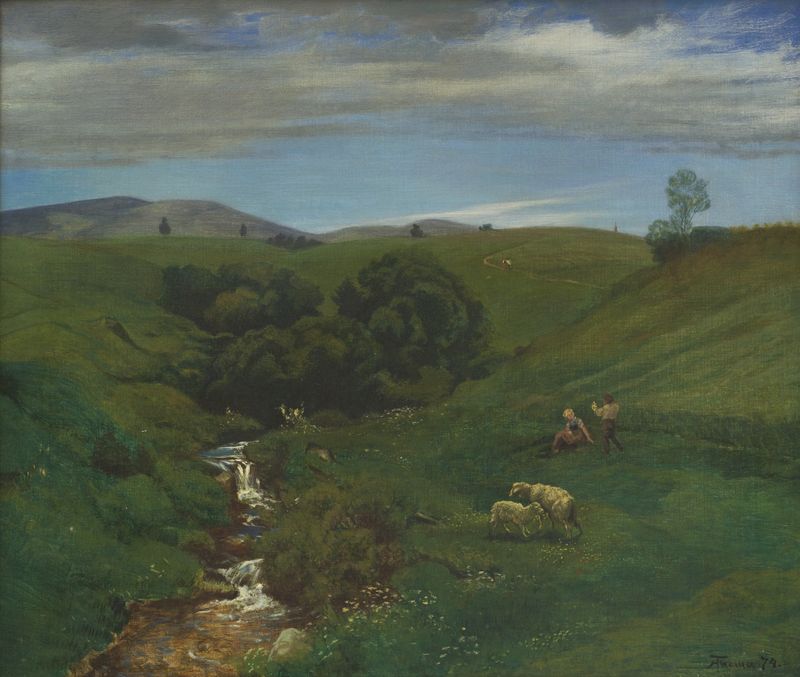
Black Forest Meadow near Bernau
Hans Thoma
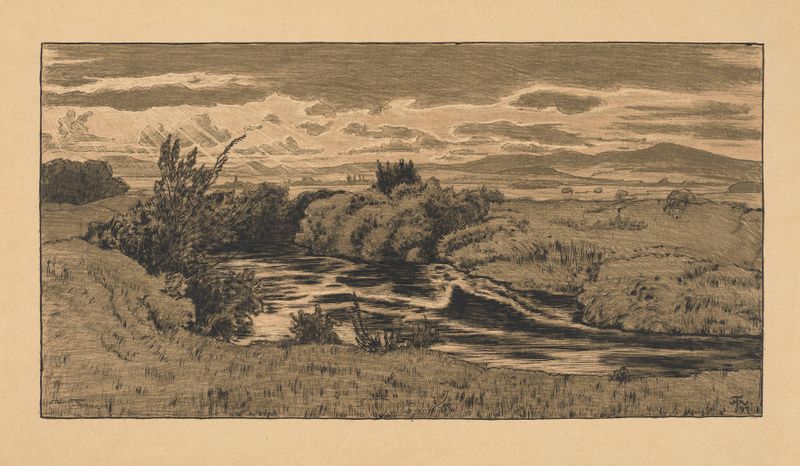
Evening by the Nidda River
Hans Thoma
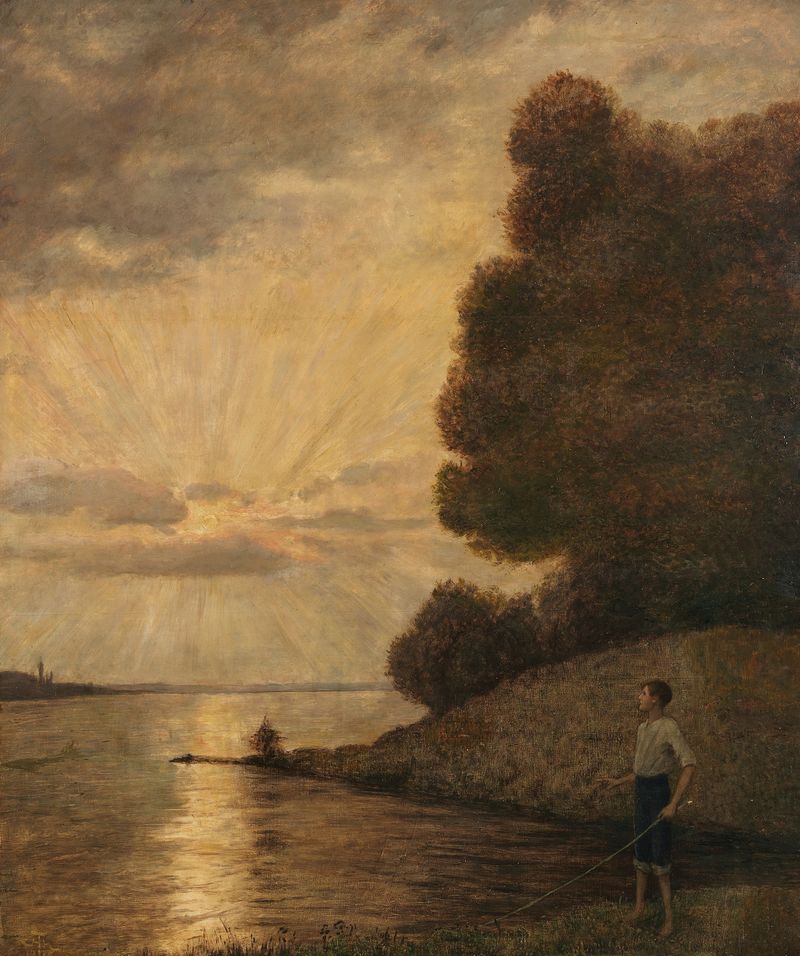
Sonnenuntergang am Oberrhein
Hans Thoma
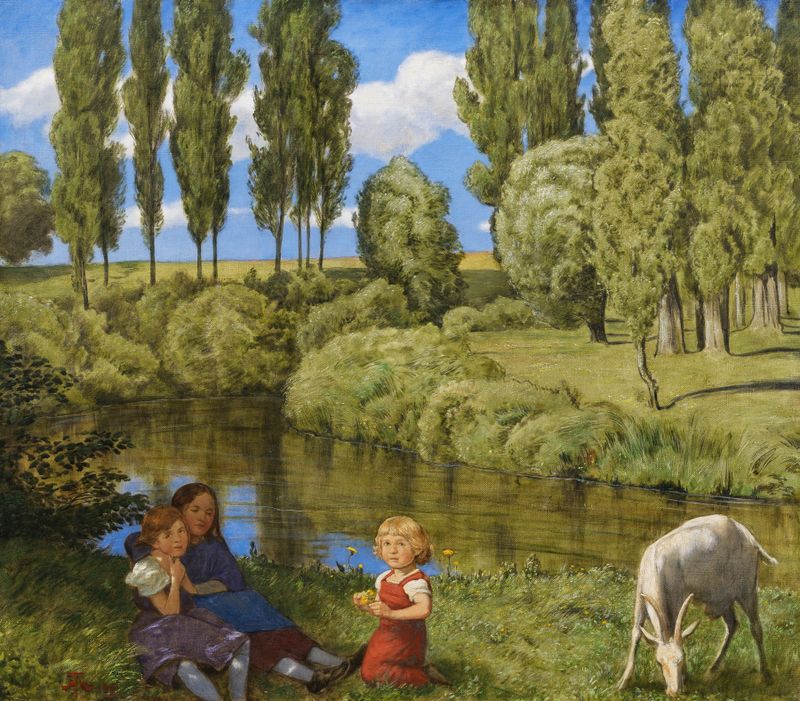
Am Stillen Bach
Hans Thoma
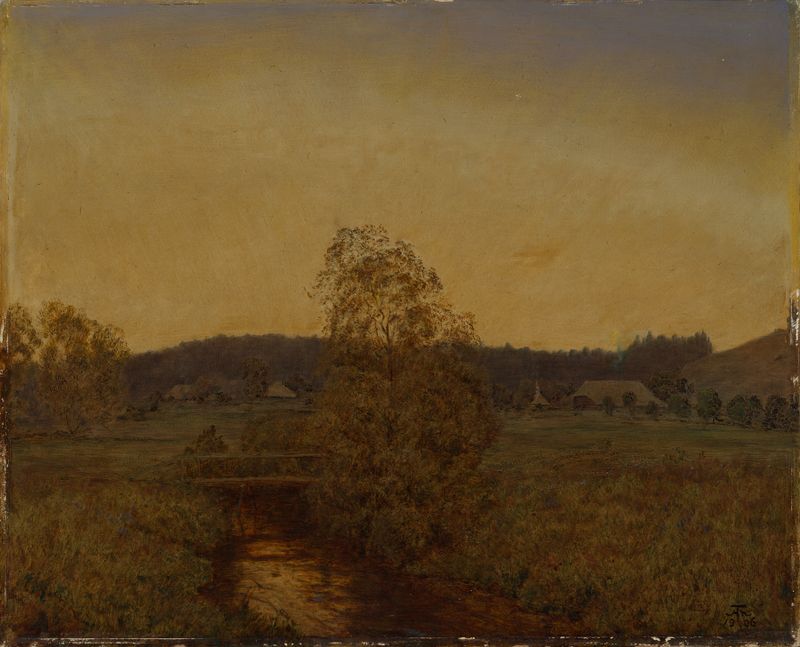
Der Abendstern
Hans Thoma
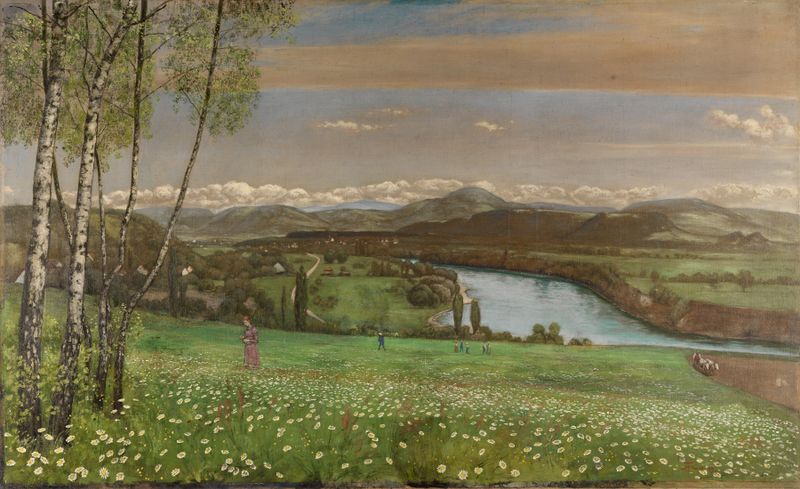
Das Rheintal bei Säckingen
Hans Thoma





