Waldwiese mit Stauden und Sträuchern — History & Facts
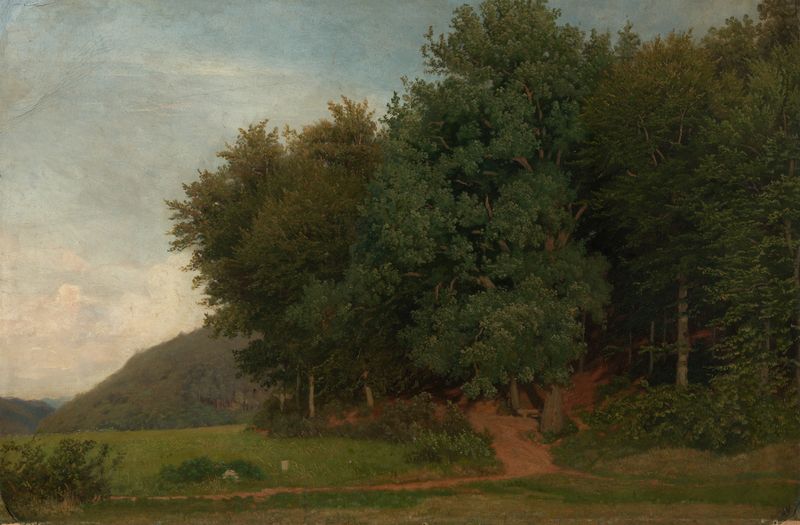
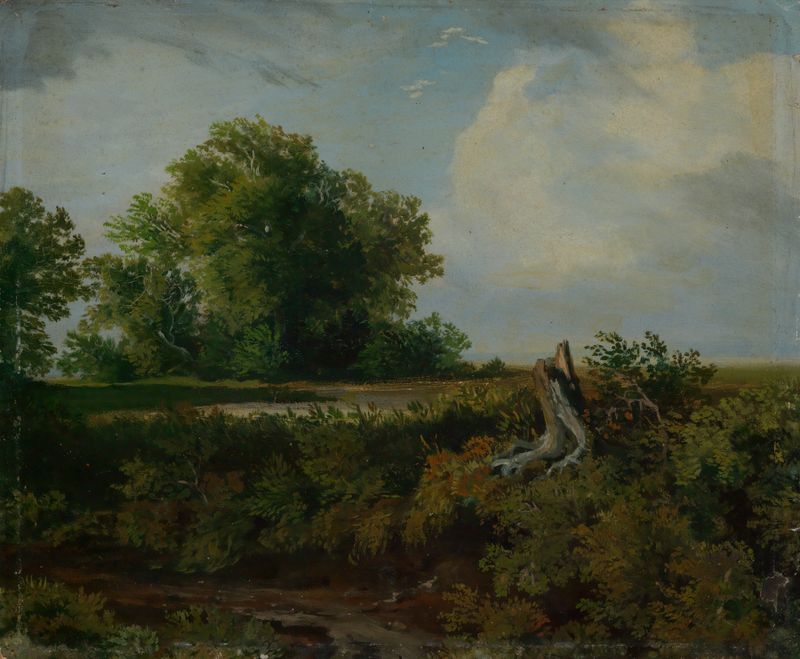
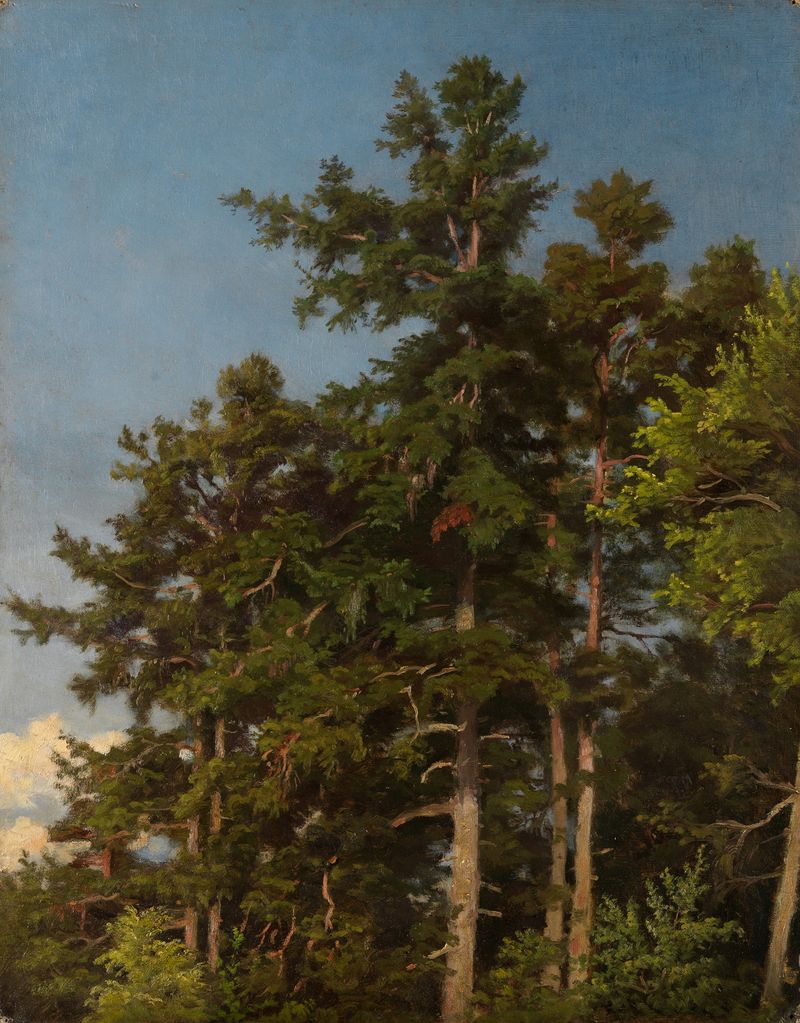
In the delicate embrace of nature, desire blooms like wildflowers amidst the thorns, revealing a quiet longing that is both visceral and profound. Focus on the vibrant greens that dominate the canvas, inviting your gaze to linger amidst the lush foliage. Notice how the dappled sunlight plays across the surface, illuminating flecks of gold that dance like whispers of longing. The composition is filled with meticulously rendered plants, each leaf and petal carefully chosen, harmonizing to create a tapestry of life that feels both abundant and fragile. Amidst this beauty lies a subtle tension; the vibrant colors speak of vitality, yet the solitary bushes evoke a sense of yearning for connection.
The juxtaposition of the wild with the cultivated hints at the duality of desire—the pull between the wild abandon of nature and the restraint of the human heart. Each detail contributes to an emotional landscape that invites introspection, suggesting that beauty, while captivating, often harbors deeper complexities beneath its surface. Emil Lugo created Waldwiese mit Stauden und Sträuchern around 1860, during a period of significant artistic transition in Europe. Influenced by the burgeoning Romantic movement, he sought to capture the essence of nature and express the emotional resonance it held.
This piece, painted in a time of personal exploration, reflects both the artist's admiration for the natural world and his own contemplation of desire amidst the shifting currents of 19th-century art.