
Warm Afternoon — History & Facts
This sentiment resonates deeply within the serene yet unsettling atmosphere of Warm Afternoon. It evokes the notion that beneath the surface of tranquility, madness can lurk, waiting to be unveiled. Look to the left, where sunlight bathes a tranquil scene, casting long shadows that stretch lazily across the canvas. The soft brushstrokes create a dreamlike quality, drawing the viewer’s gaze towards the figure comfortably reclined amidst the lush greenery.
The vibrancy of the colors coexists with a subtle undercurrent of isolation, emphasized by the quiet stillness of the moment. The juxtaposition of light and dark lends a tension to the idyllic setting, suggesting that this calmness may not be as safe as it appears. Delve deeper into the details: notice the faint flicker of unease in the subject’s posture, a slight tension in the relaxed form. The surrounding foliage, lush and inviting, borders on overwhelming, emphasizing how nature can both soothe and suffocate.
There’s a contrast between the vibrancy of the scene and the solitude it suggests—could this idyllic warmth be a mask for underlying despair, an invitation to madness masked by beauty? Winslow Homer created Warm Afternoon in 1878 while immersed in the evolving American art scene, marked by a growing interest in realism and the exploration of human emotion. At this time, he was living in Maine, drawing inspiration from the landscapes and local characters, capturing the essence of both solitude and community. The painting reflects not just his artistic journey but also a broader narrative of an era grappling with the complexities of human experience.
More Artworks by Winslow Homer
Browse all →
The Gulf Stream
Winslow Homer
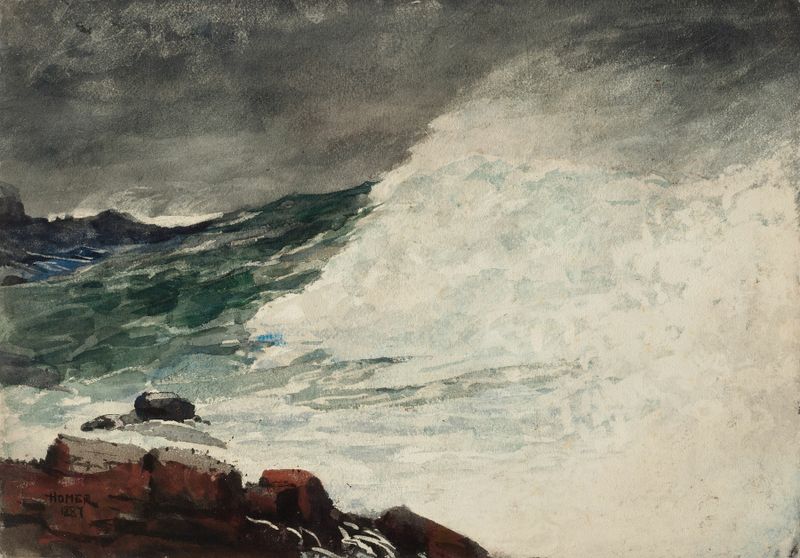
Prout’s Neck, Breaking Wave
Winslow Homer
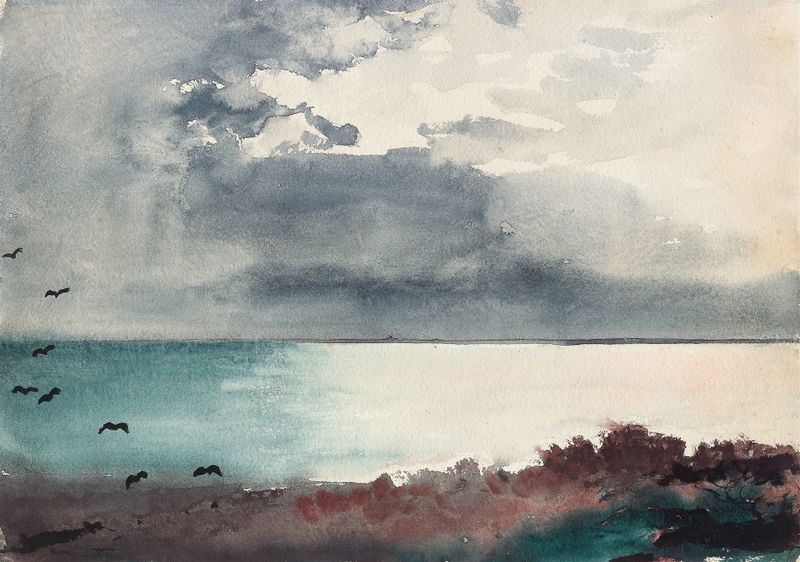
Breaking Storm, Coast of Maine
Winslow Homer
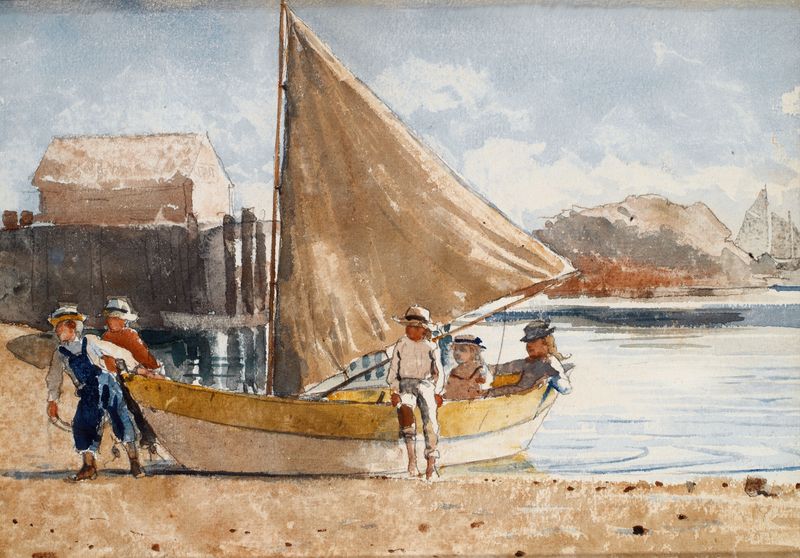
Summertime
Winslow Homer
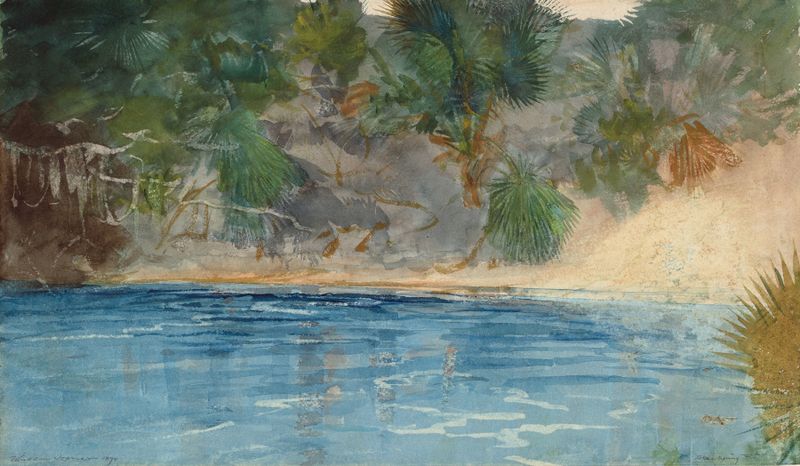
Blue Spring, Florida
Winslow Homer
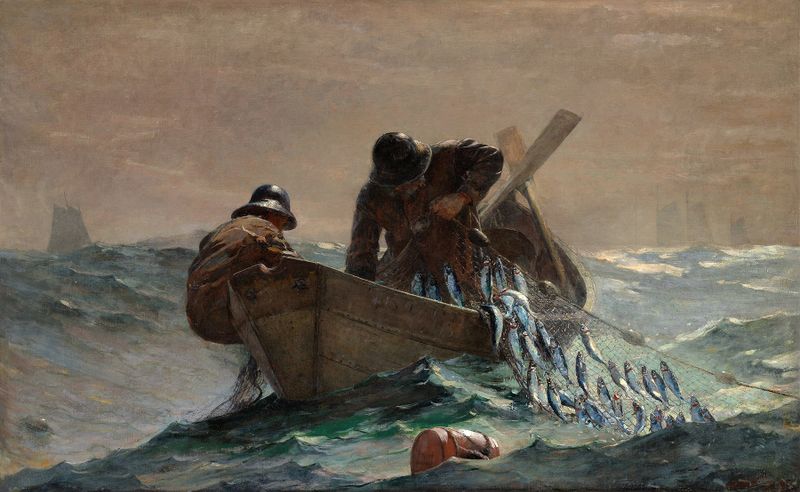
The Herring Net
Winslow Homer
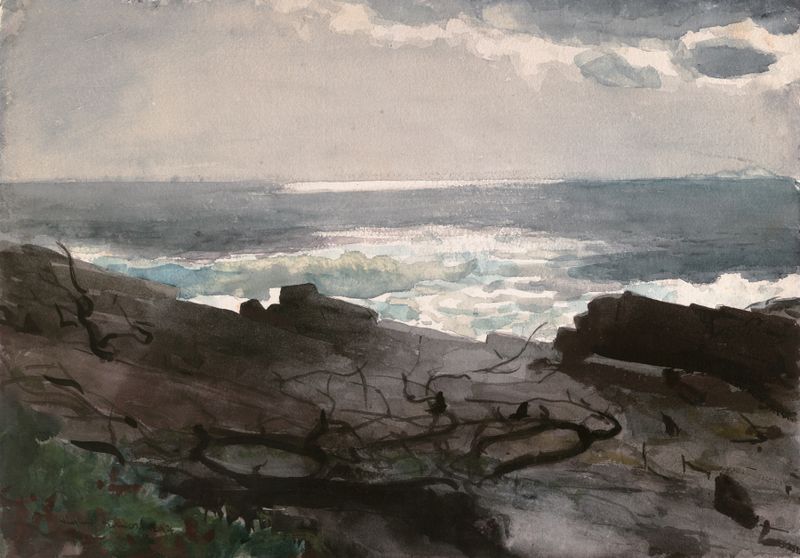
Sunshine and Shadow, Prout’s Neck
Winslow Homer
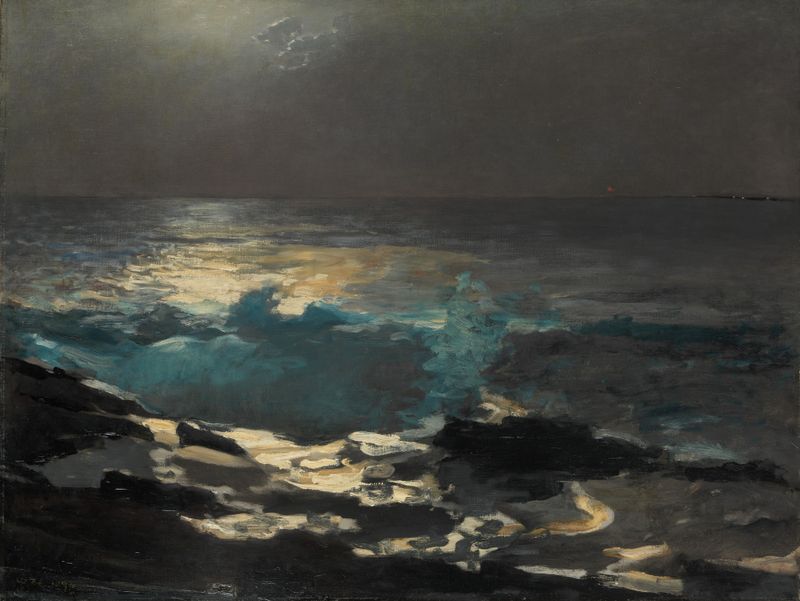
Moonlight, Wood Island Light
Winslow Homer
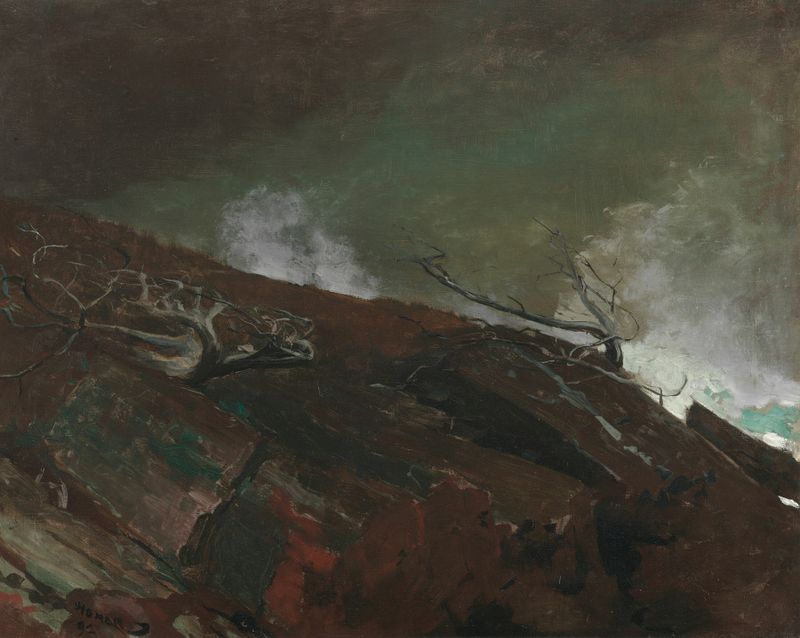
Coast of Maine
Winslow Homer
Bass Fishing – Florida
Winslow Homer





