
Waschkessel im Freien — History & Facts
Each stroke and hue reveals a yearning beyond the surface, encapsulating the desire for simplicity, for connection, and for the profound beauty found in everyday rituals. Look to the left at the vibrant, sun-drenched wash basin, where the gentle curves of the vessel invite you into the scene. Notice how the light dances across the fabric, illuminating the whites and blues of the garments hung to dry, a testament to labor and domesticity. The meticulous attention to detail in the ripples of each fabric contributes to the serene yet dynamic atmosphere, drawing the eye organically through the composition. Yet, beneath the tranquil exterior lies a deeper narrative.
The juxtaposition of the soft, leisurely activity against the starkness of the outdoor setting speaks to the tension between domesticity and nature. The viewer can sense a longing — perhaps for freedom, or an escape from the confines of routine. The composition encapsulates a moment in time, where every hanging garment becomes a silent witness to the desires that bind individuals to their daily lives. Carl Bolze painted this piece between 1880 and 1885, a time when the art world was shifting towards realism, capturing the essence of ordinary life with unprecedented honesty.
Working in Germany, he was influenced by the burgeoning movement that sought to reflect the authentic experiences of the working class, as industrialization altered the fabric of society. His portrayal of this simple yet complex scene invites us to reflect on our own desires for connection, purpose, and the beauty inherent in the mundane.
More Artworks by Carl Bolze
Browse all →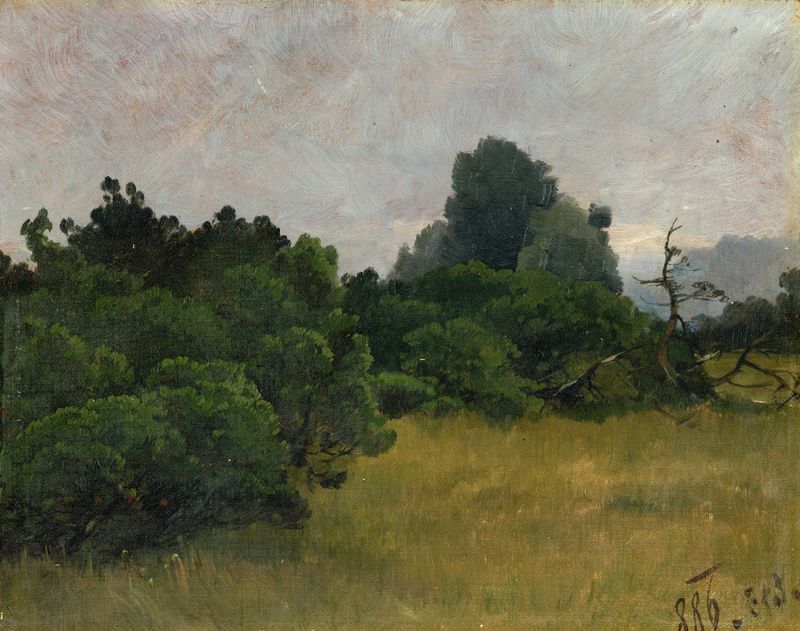
Baumgruppe (Skizze)
Carl Bolze

Prozession
Carl Bolze

Der Inn mit Blick zum Kaisergebirge
Carl Bolze

Allee am Fluß mit Postkutsche
Carl Bolze

Gasse in Burghausen
Carl Bolze

Waldlandschaft im Herbst
Carl Bolze

Hochmoor
Carl Bolze

Abend am Traunsee
Carl Bolze
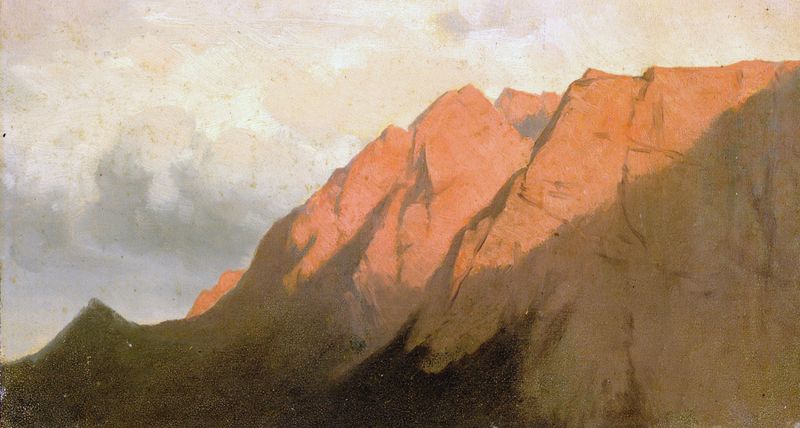
Hoher Göll im Alpenglühen
Carl Bolze
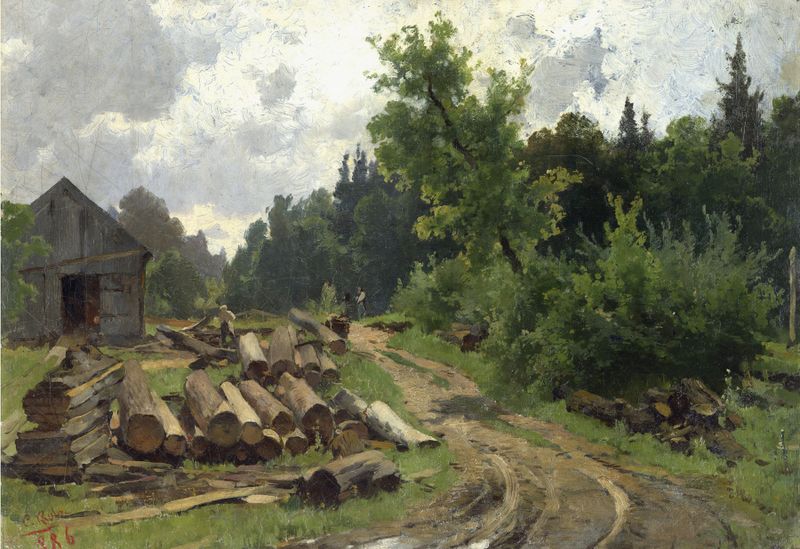
Holzlagerplatz
Carl Bolze





