
Washerwomen near by a lake — History & Facts
Can beauty exist without sorrow? This question lingers, much like the gentle ripples in the serene waters of a lakeside, where joy and toil coexist in harmony yet carry the weight of unspoken burdens. Look to the left at the graceful figures of the washerwomen, their postures embodying both labor and grace as they bend over the water’s edge. The soft touch of natural light filters through the trees, casting a dappled glow upon their weathered faces and the sun-bleached linens they scrub. Notice how the vibrant blues of the lake contrast with the earthy tones of their clothing, a visual dialogue that highlights both the beauty of their surroundings and the drudgery of their work.
The composition draws the eye to the delicate interplay of reflections on the water, embodying a moment suspended in time. Yet beneath this tranquil surface lies a deeper narrative. The rhythm of their washing is a reminder of the relentless cycle of life, where the bright colors of nature juxtapose against the drab, laborious existence of these women. Each splash of water hints at untold stories of resilience, while the serene backdrop stands in stark contrast to their arduous tasks, suggesting a poignant coexistence of beauty and struggle.
The very act of washing symbolizes purification and renewal, hinting at the desire to escape from the mundane to a life filled with lightness. During the time Washerwomen near by a lake was created, Vernet was known for capturing scenes of nature entwined with human activity. Working in France in the 18th century, he was influenced by the shifting tastes of the art world, where the pastoral became a cherished subject. His attention to detail and atmospheric effects emerged as he sought to convey both the serene beauty of landscapes and the complexities of human emotion within them.
More Artworks by Claude-Joseph Vernet
Browse all →
An Italian Harbour in Stormy Weather
Claude-Joseph Vernet
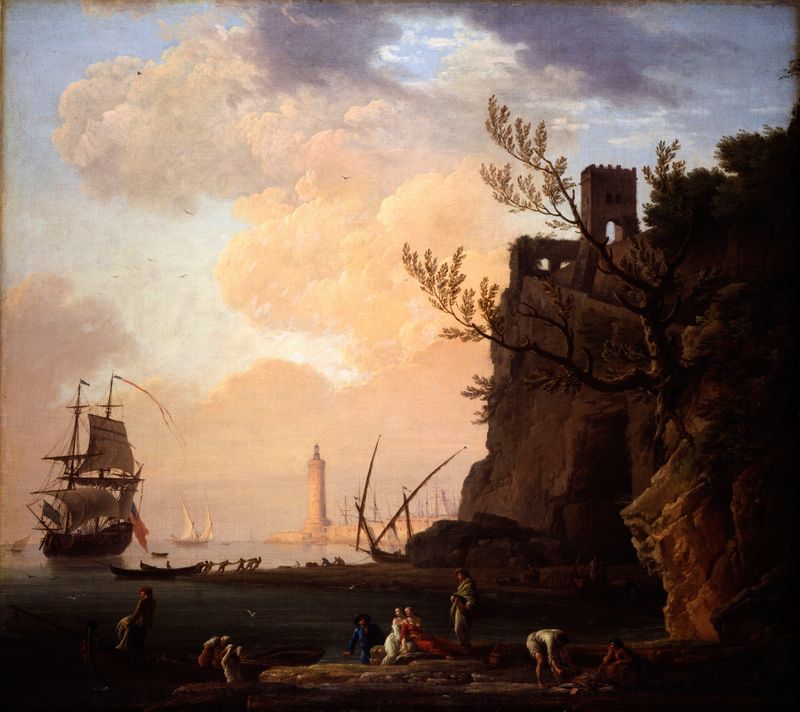
An Italianate Harbour Scene
Claude-Joseph Vernet
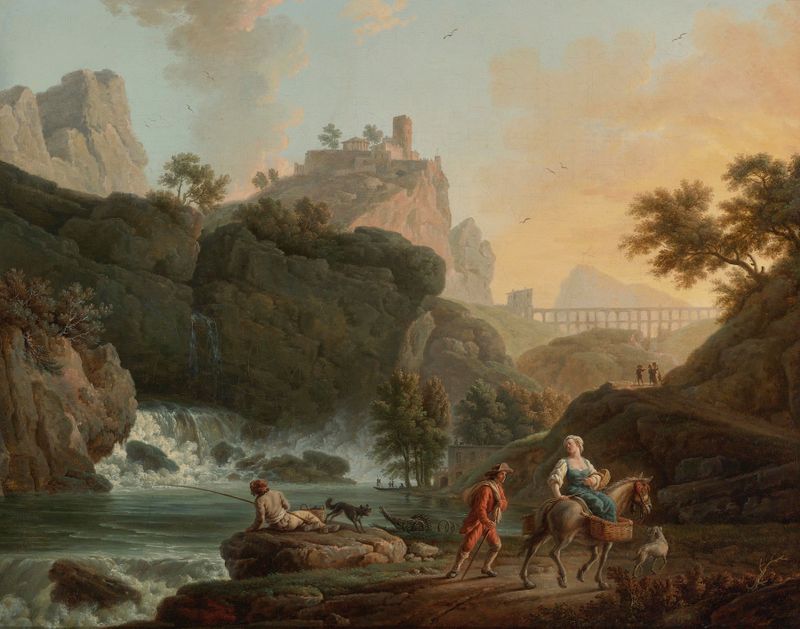
A Rocky Landscape With A fisherman And Travellers By A River With A Waterfall, An Aqueduct In The Distance
Claude-Joseph Vernet
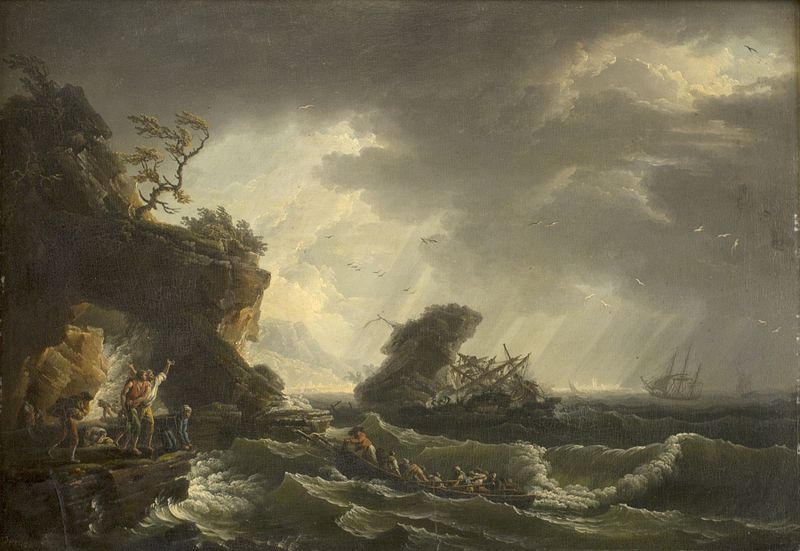
A Shipwreck
Claude-Joseph Vernet

A Mediterranean Harbor At Sunset With Fisherfolk At The Water’s Edge, A Lighthouse And A Man Of War At Anchor In The Bay
Claude-Joseph Vernet
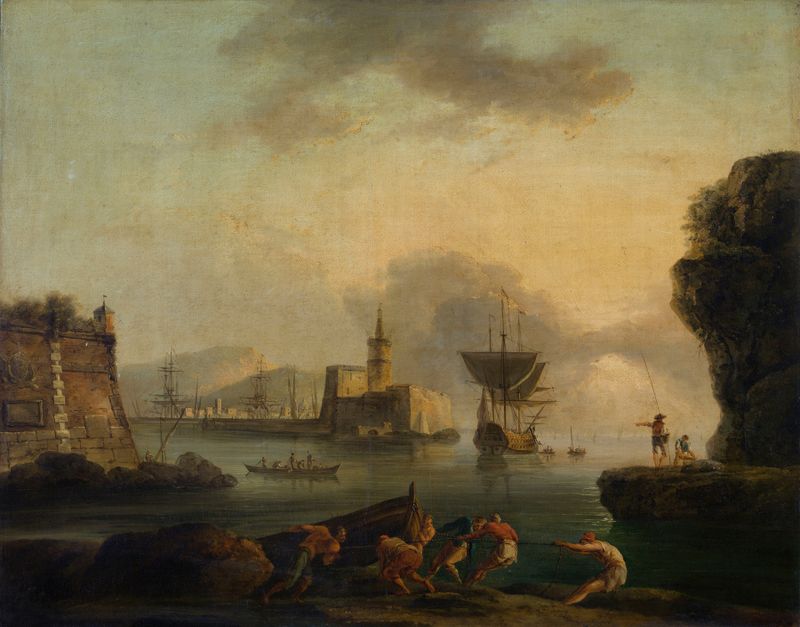
Naples
Claude-Joseph Vernet
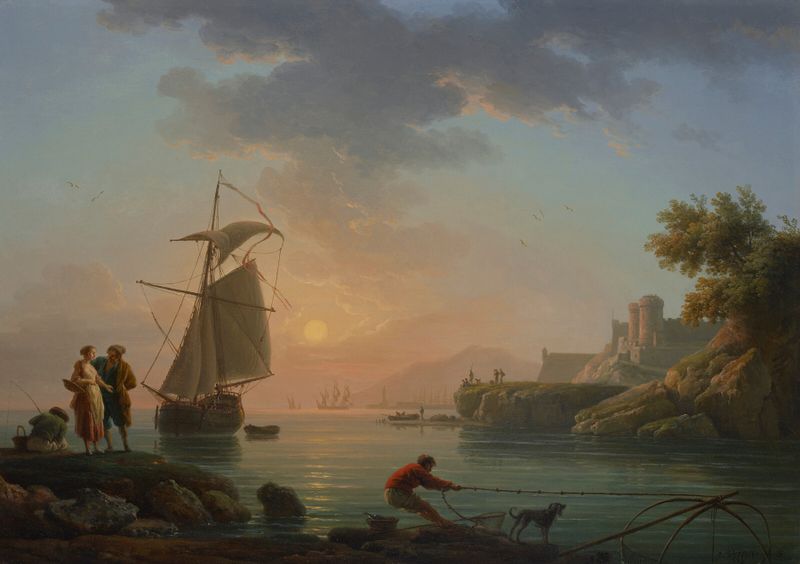
Mediterranean port at sunset, with a fisherman in the foreground
Claude-Joseph Vernet
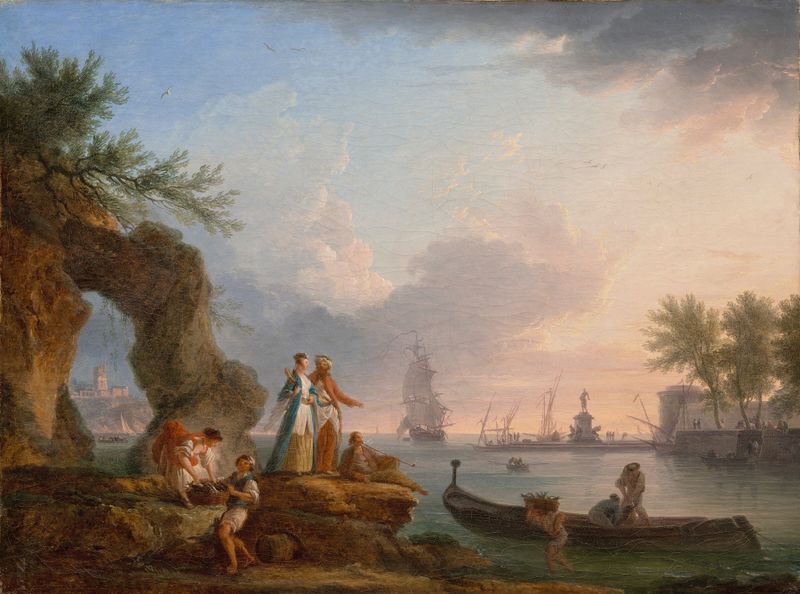
View of a port at sunset with fishermen and a couple in oriental dress
Claude-Joseph Vernet

A Calm at a Mediterranean Port
Claude-Joseph Vernet

A Grand View Of The Sea Shore Enriched With Buildings, Shipping And Figures
Claude-Joseph Vernet





