
Water Mill At Opwetten — History & Facts
Could beauty survive in a century of chaos? In the gentle embrace of nature, we find a quiet divinity that whispers of peace amidst turmoil. Look closely at the watermill nestled within the verdant landscape, where the rich greens of the foliage seem to pulse with life. Notice how the brushstrokes are both energetic and tender, creating a mesmerizing texture that invites you to step into this serene world. The sunlight filters through the trees, casting a soft glow that illuminates the mill's wooden structure, drawing your eye to the delicate interplay between shadow and light. Delve deeper into the details: the swirling water in the foreground is alive, its movements echoing the emotional undercurrents of the artist's own life—an expression of vitality captured in every stroke.
The mill stands as a symbol of resilience against the passage of time, while the surrounding nature thrives in a harmonious existence, creating a contrast between the man-made and the natural. This interplay reflects Van Gogh’s exploration of humanity's place within the divine tapestry of creation. Painted in 1884 during a period when he was seeking solace from personal struggles, the artist was living in the Netherlands, grappling with his identity and the expectations of society. His work during this time is marked by a desire to connect with rural life and the beauty of nature, challenging the chaos of urban existence and the burgeoning modern world around him.
This piece serves as a testament to his vision of finding beauty, even when the world seemed engulfed in discord.
More Artworks by Vincent van Gogh
Browse all →
Starry Night
Vincent van Gogh
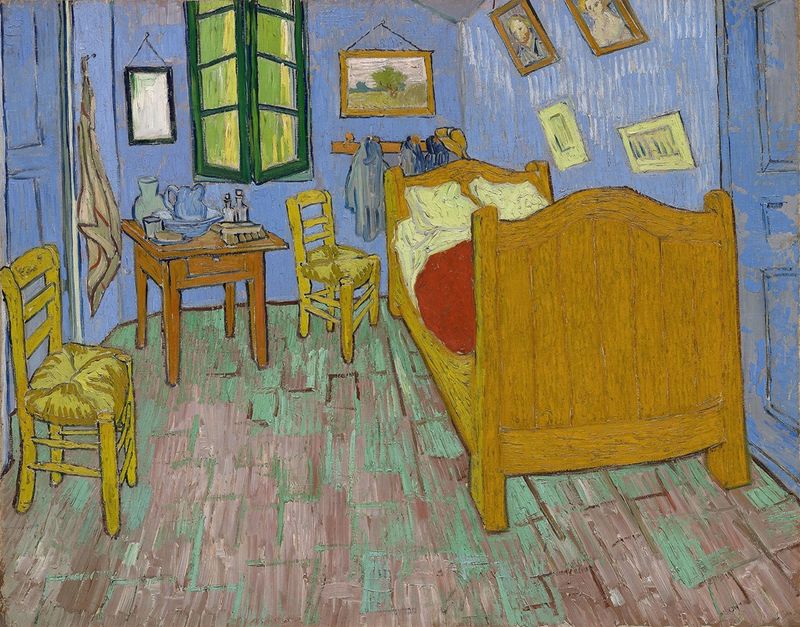
The Bedroom
Vincent van Gogh
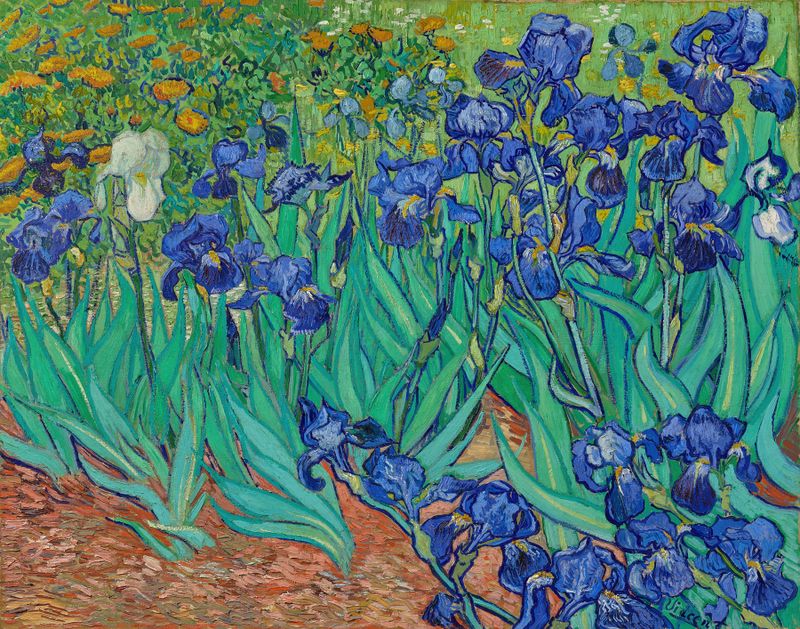
Irises
Vincent van Gogh
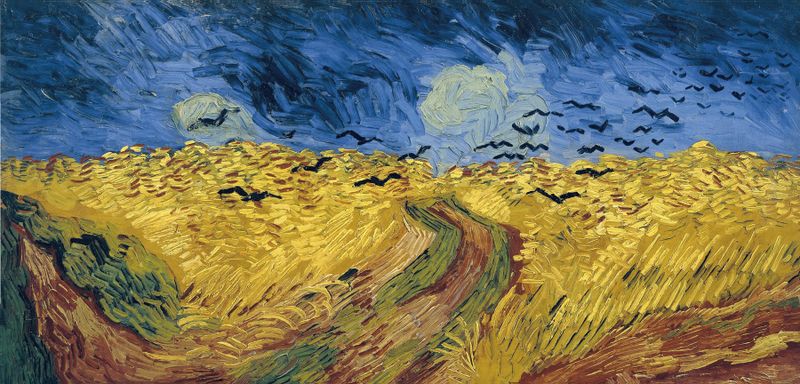
Wheatfield with Crows
Vincent van Gogh
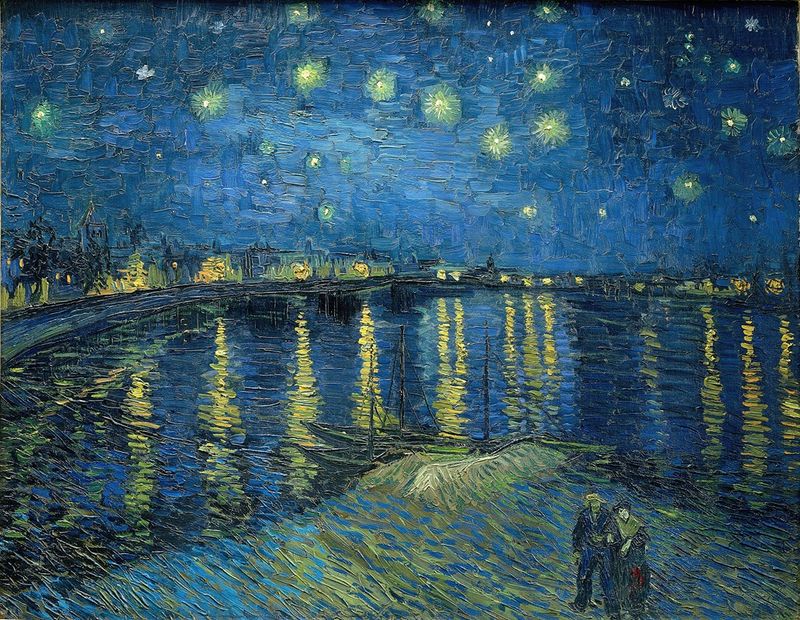
Starry Night over the Rhone
Vincent van Gogh

The yellow house
Vincent van Gogh
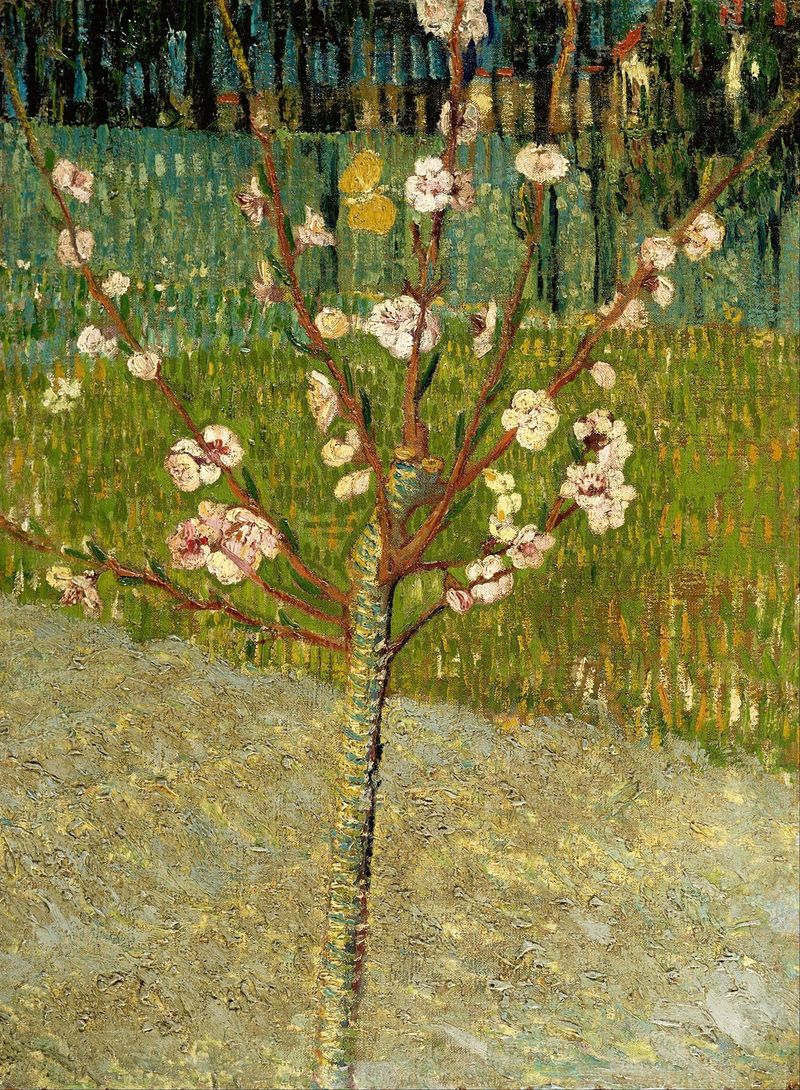
Almond tree in blossom
Vincent van Gogh

Portrait of Dr Gachet
Vincent van Gogh

The Church in Auvers-sur-Oise, View from the Chevet
Vincent van Gogh

Self-Portrait
Vincent van Gogh





