
Waterfall in a Desolate Landscape — History & Facts
Did the painter know this moment would outlive them? In Waterfall in a Desolate Landscape, the serene yet somber cascades of water seem to whisper secrets of solitude, echoing the loneliness of the landscape that surrounds them. Look to the foreground where the waterfall tumbles over jagged rocks, its white froth contrasting against the muted earth tones of the land. The meticulous brushstrokes bring movement to the water, while shadows play across the rocky surfaces, inviting your eye to trace the path of the stream. Notice how the delicate washes of blue and green blend into the somber browns, creating a harmony that feels both tranquil and melancholic.
This careful interplay of color heightens the emotional weight, urging you to linger in the stillness of the scene. Examining the details, consider the starkness of the trees, their gnarled branches reaching out like forlorn hands. They stand as silent witnesses to the passage of time, reinforcing the painting’s exploration of isolation and the quiet beauty that can be found within it. The waterfall, a symbol of continuous motion, contrasts sharply with the arresting stillness of the desolate terrain, reminding us that life persists, yet often carries an undercurrent of solitude. John Sell Cotman painted this work during the early to mid-19th century, a period marked by his deep exploration of landscape artistry in England.
Surrounded by the natural beauty of the countryside, Cotman was part of a movement that sought to capture the essence of the English landscape, often emphasizing emotional depth amidst nature's splendor. This piece reflects his dedication to portraying not just the physical world, but the feelings it evokes, resonating with the themes of solitude and reflection prevalent in his life and work.
More Artworks by John Sell Cotman
Browse all →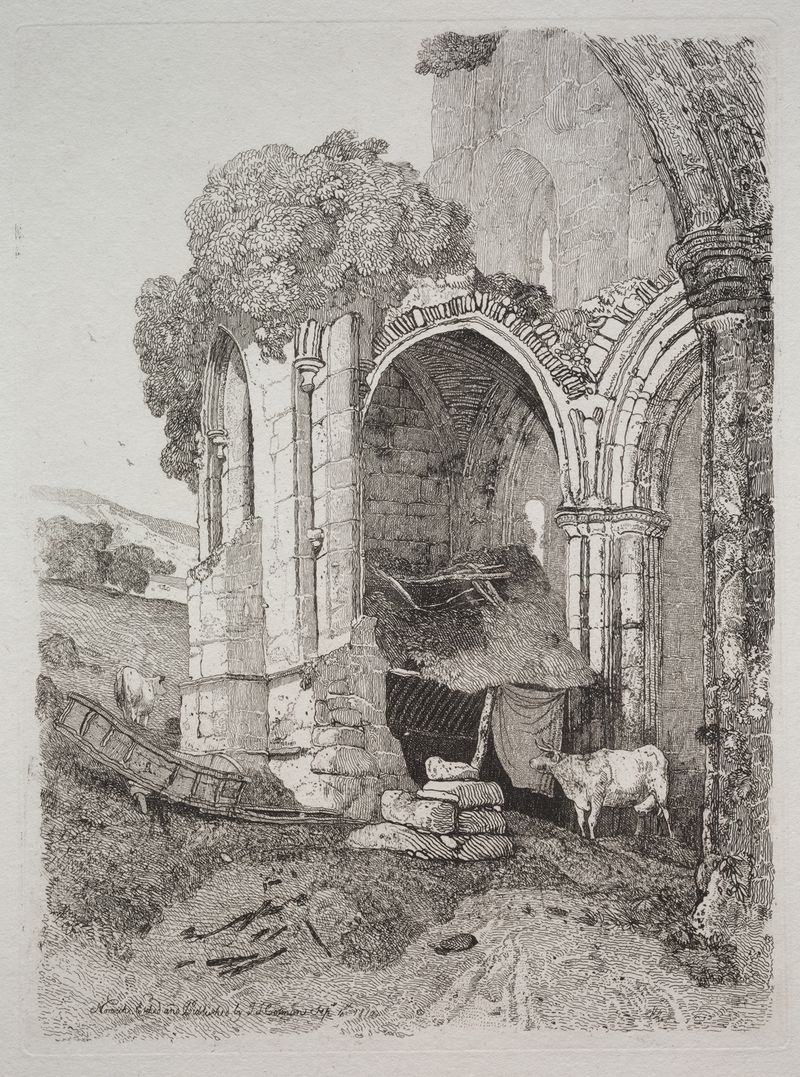
Rievaulx Abbey, Yorkshire
John Sell Cotman
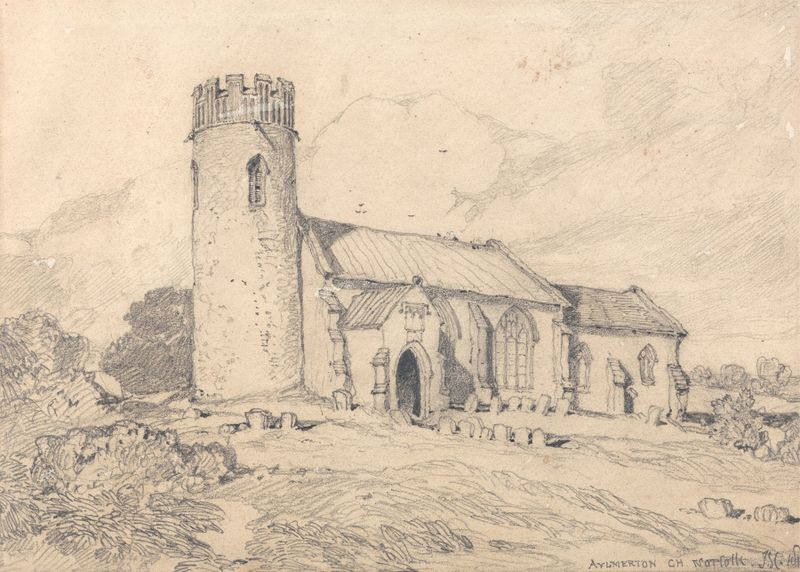
Aylmerton Church; Norfolk, from the South-West
John Sell Cotman
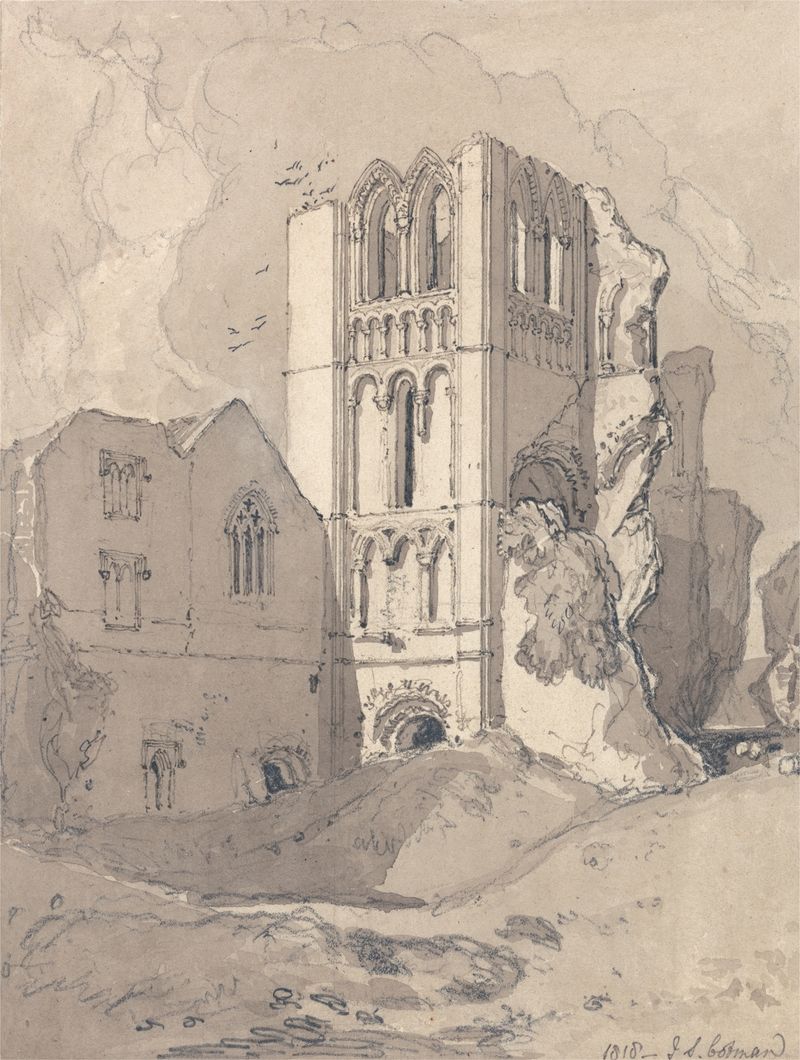
Castle Acre Priory, Norfolk
John Sell Cotman
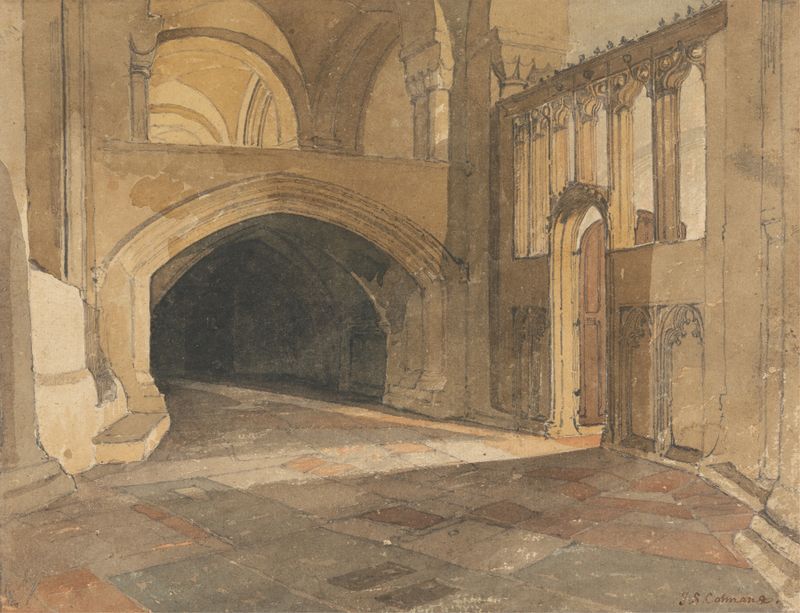
Norwich Cathedral; Entrance to Jesus Chapel
John Sell Cotman
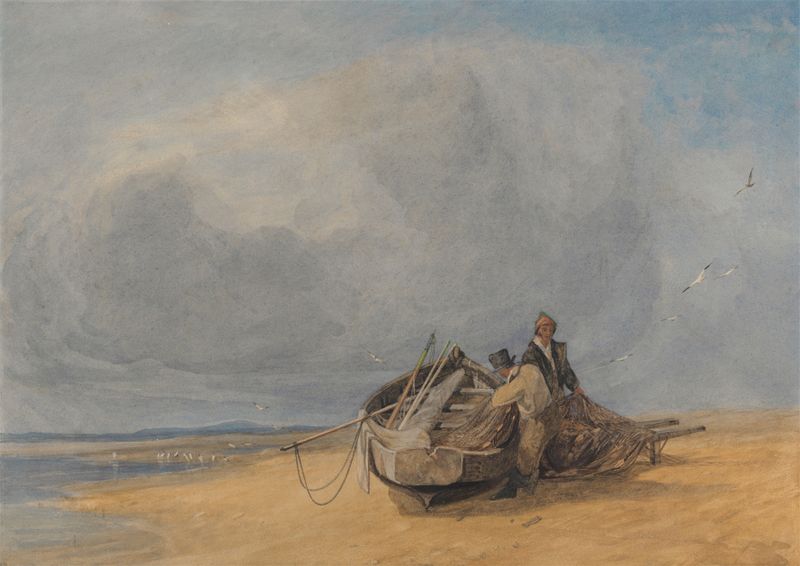
Yarmouth Sands, Norfolk
John Sell Cotman
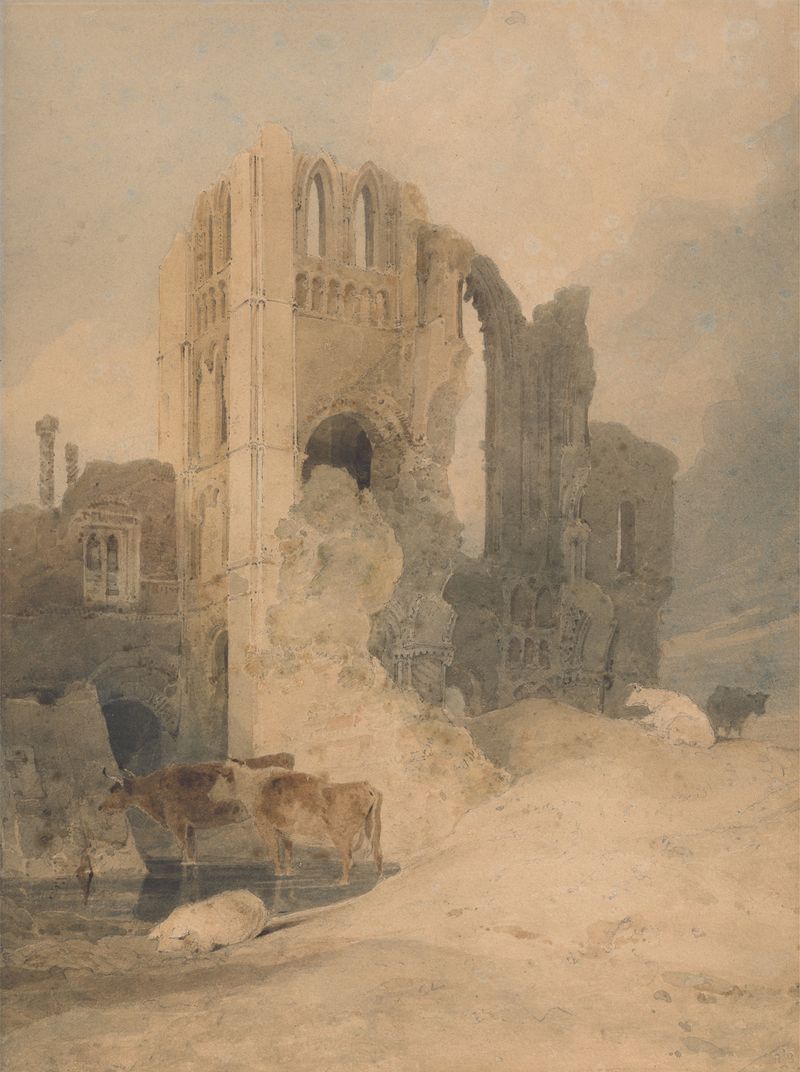
Castle Acre Priory, Norfolk
John Sell Cotman
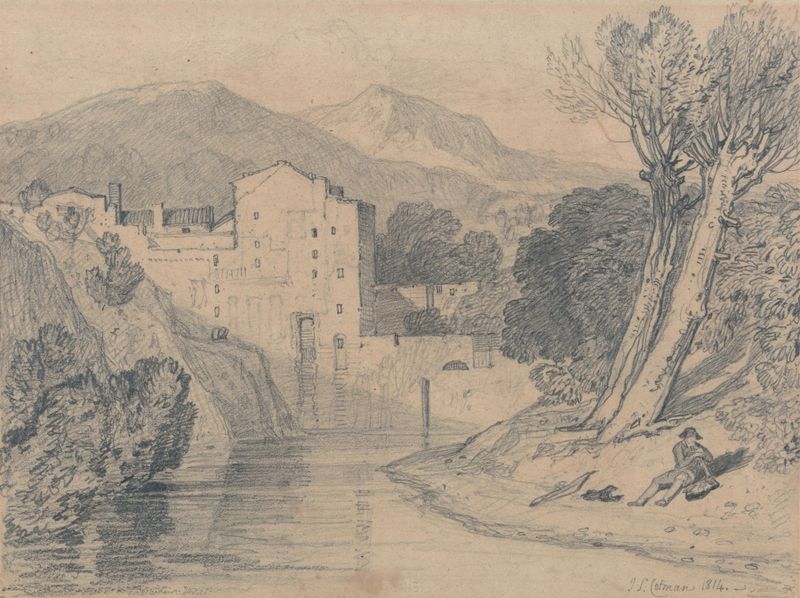
Near Whitby, Yorkshire
John Sell Cotman
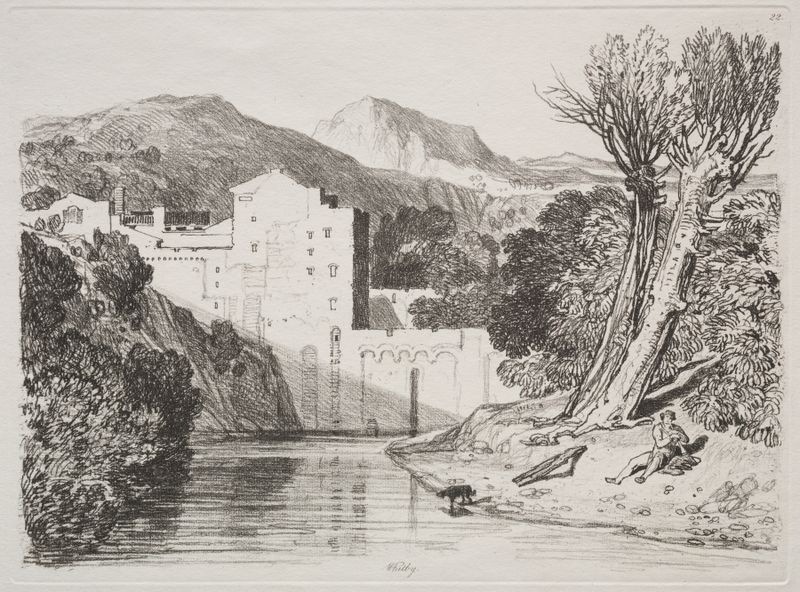
Whitby
John Sell Cotman
The Barons’ Hall, Mont Saint Michel
John Sell Cotman
Norwich Cathedral; Interior of the North Aisle of the Choir, Looking East
John Sell Cotman





