
Waterloo Bridge bei Nebel, London — History & Facts
Where does light end, and longing begin? In Waterloo Bridge bei Nebel, London, the ethereal interplay of fog and illumination intertwines the two, inviting the viewer into a realm where the ordinary fades into the extraordinary. Focus first on the bridge, its silhouette emerging from a veil of mist. The soft hues of gray and pale yellow create an almost dreamlike atmosphere, enveloping the structure in a gentle embrace. Notice how the artist employs delicate brushstrokes to evoke both movement and stillness, as the shimmer of light dances across the water, reflecting a world that feels both present and elusive.
The fog blurs the edges, inviting exploration beyond the surface and into the emotional depths. The emotional tension lies in the juxtaposition of clarity and obscurity. The figures appear as mere shadows, their forms suggesting stories left untold, while the luminous glow emanates a sense of hope amidst uncertainty. This contrast reveals the artist's understanding of urban life in the face of solitude.
The bridge, a symbol of connection, stands as a poignant reminder of both the physical and emotional distances that define human experience. Created in 1926, Lesser Ury painted this work during a period of great transformation in Europe. Living in Berlin, he was deeply influenced by the shifting tides of modernism, and his exploration of light became a central theme in his oeuvre. At this time, the art world was grappling with new perceptions of reality, and Ury's delicate handling of color and atmosphere positioned him as a significant figure in the realms of Impressionism and early Expressionism.
More Artworks by Lesser Ury
Browse all →
Unter den Linden mit Blick auf das Brandenburger Tor
Lesser Ury
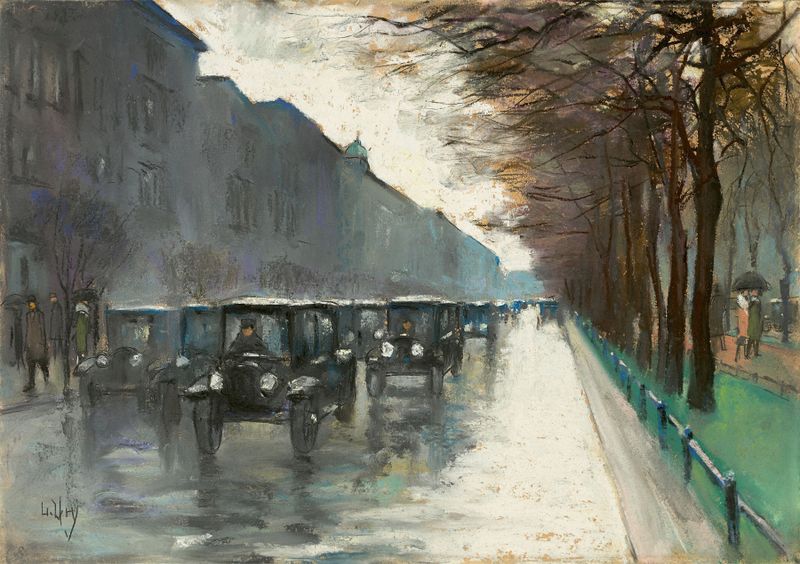
Unter den Linden mit Droschken im Regen
Lesser Ury

Berliner Straßenszene im Spätherbst
Lesser Ury
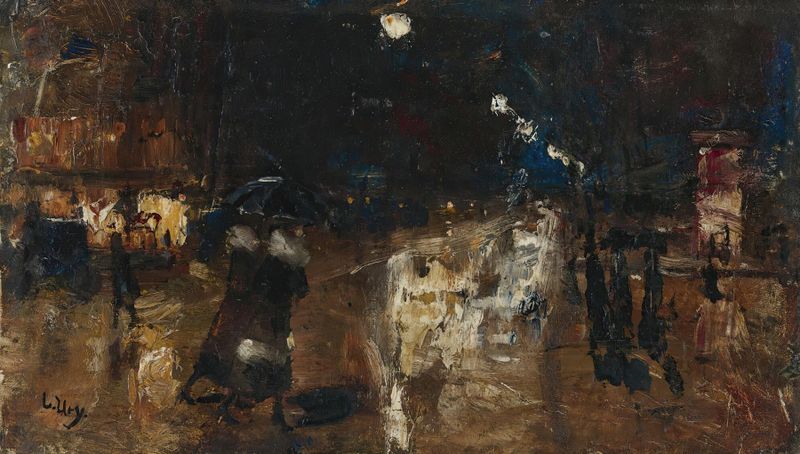
Rainy Street
Lesser Ury
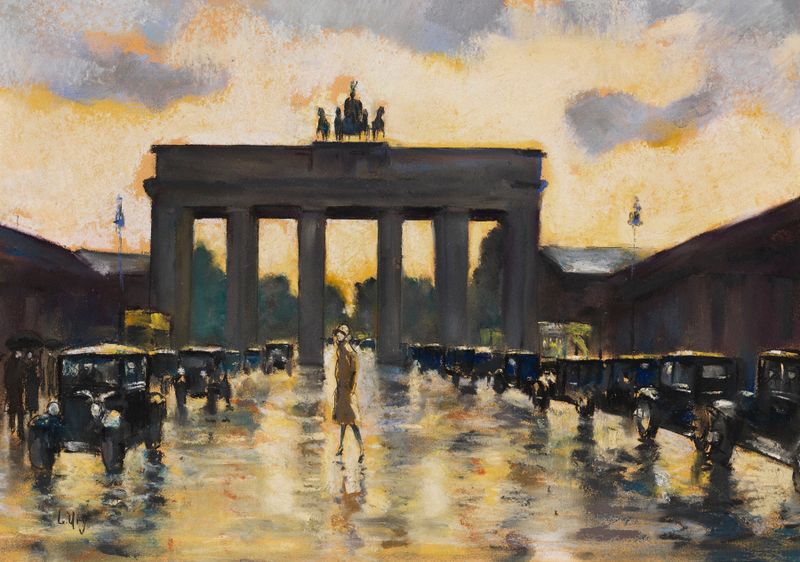
Brandenburger Tor vom Pariser Platz aus gesehen
Lesser Ury

Motiv aus dem Grunewald
Lesser Ury

Straße bei Nacht im Regen (Berlin)
Lesser Ury
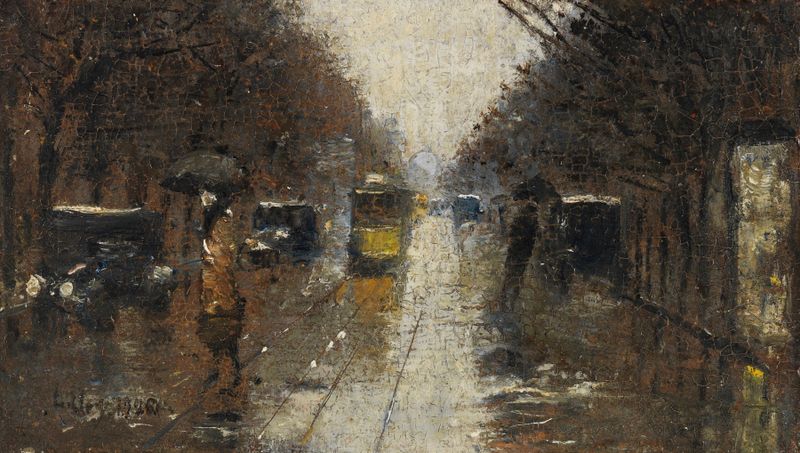
Straßenszene bei Regen, Berlin
Lesser Ury
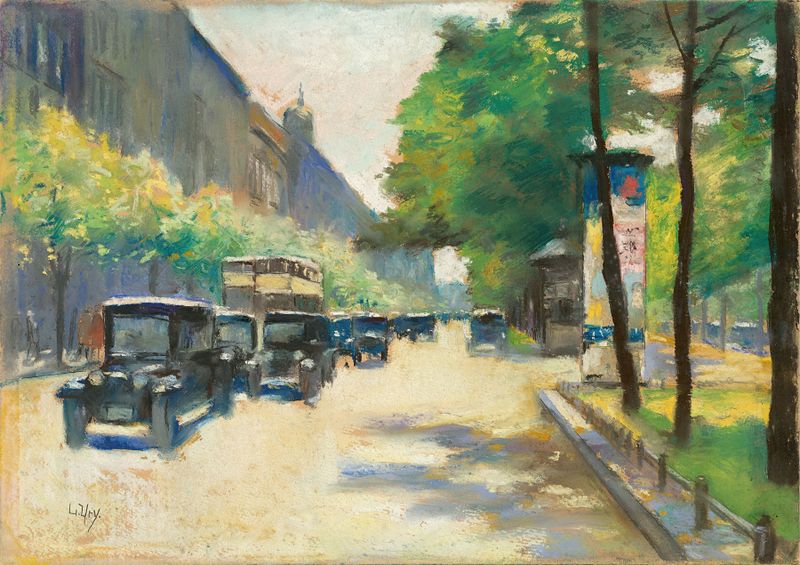
Unter den Linden, Berlin
Lesser Ury
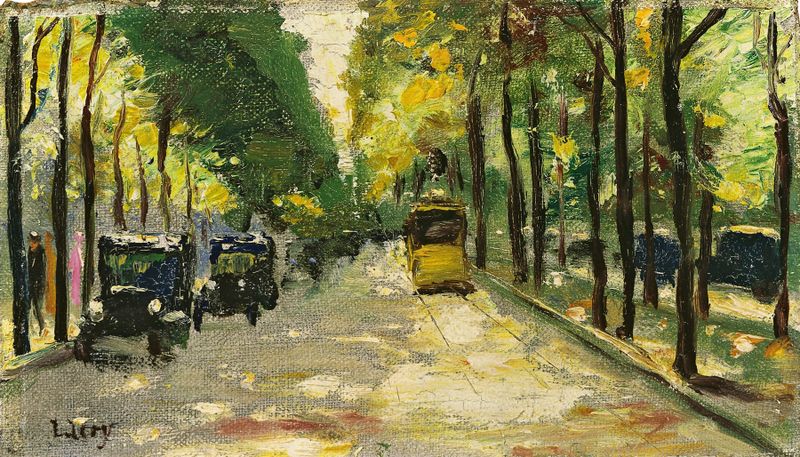
Berliner Straße im Sonnenschein
Lesser Ury





