
Wellust — History & Facts
Could a single brushstroke hold eternity? In Wellust, Jacques Callot captures the fleeting essence of life, evoking both desire and mortality with a delicate hand. Look to the intricate details of the figures entwined in a dance of shadows and light. Notice how they are rendered with almost ethereal grace—each form conveying a sense of motion that defies the confines of the canvas. The muted palette, punctuated by flashes of light, enhances the dreamlike quality, inviting the viewer to linger on the edges of this intimate moment.
The composition draws you in, revealing layers of emotion through finely etched lines that guide the eye across the scene. Amidst the apparent celebration of life, a deeper tension simmers. The intertwining figures symbolize both passion and the inevitable end that shadows every pleasure. The juxtaposition of their joyous expressions against the ephemeral nature of their embrace speaks to the duality of existence: pleasure is fleeting, yet profoundly impactful.
In this delicate dance, Callot asserts that moments of ecstasy are laced with the awareness of time's relentless passage—a reminder of our own mortality. Between 1618 and 1625, Callot created this work during a period marked by personal and artistic exploration in France. The artist was establishing his reputation, navigating the changing currents of Baroque art, and drawing inspiration from his experiences in the court of Duke Cosimo II de' Medici. It was a time of both vibrant expression and introspective reflection, shaping the artist's vision and culminating in this poignant exploration of life’s transient beauty.
More Artworks by Jacques Callot
Browse all →
Titelprent voor de prentreeks 'De kleine apostelen' (Het martelaarschap van de apostelen)
Jacques Callot
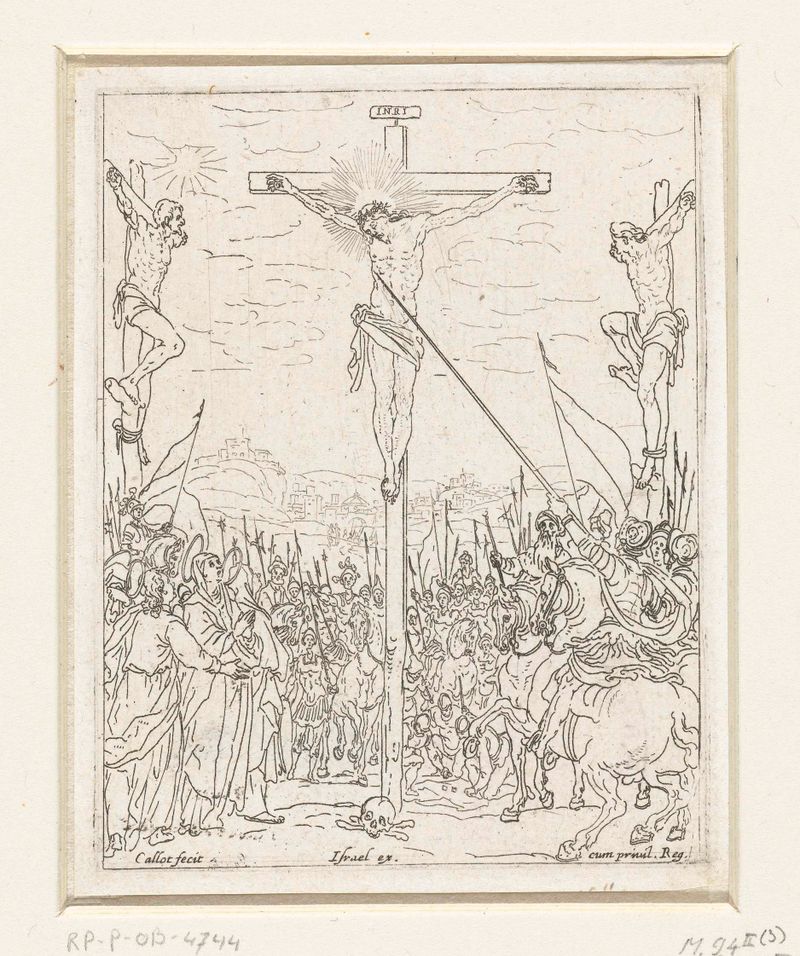
Kruisiging
Jacques Callot

De doortocht door de Rode Zee
Jacques Callot

De verloren zoon als zwijnenhoeder
Jacques Callot

Annunciatie
Jacques Callot
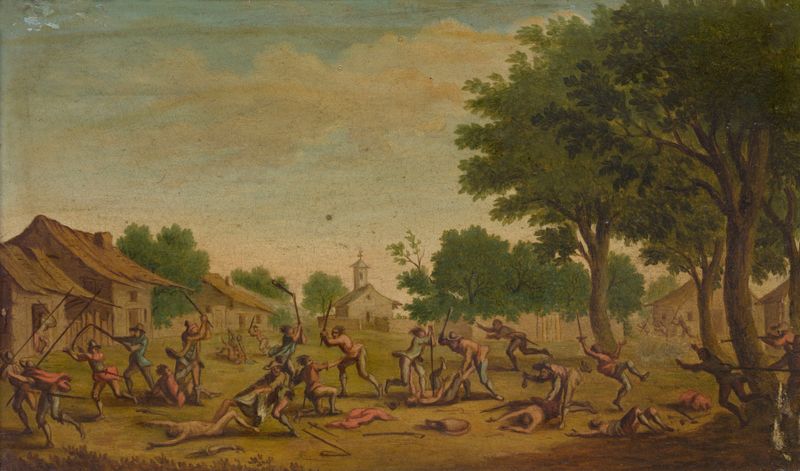
Village Fight
Jacques Callot

Titelprent voor prentreeks 'Het leven van Maria'
Jacques Callot
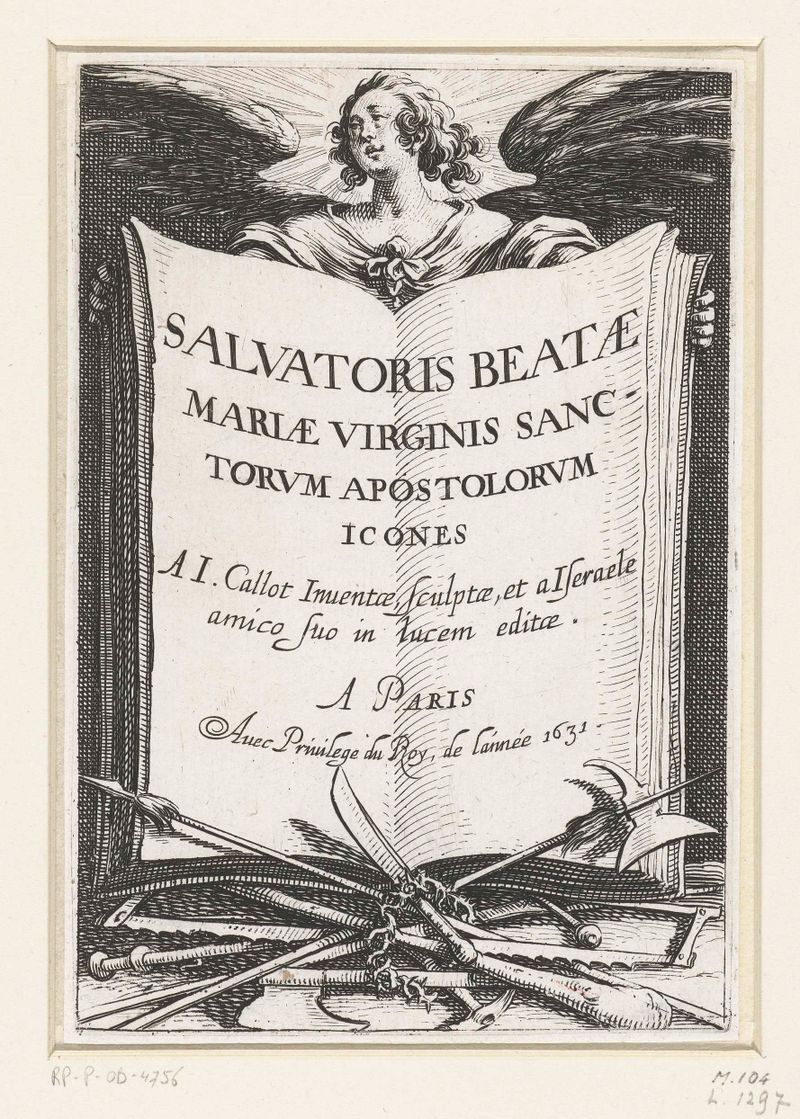
Titelprent voor de prentreeks 'De grote apostelen' (Christus, Maria en de apostelen)
Jacques Callot

Christus aan het volk getoond (Ecce homo)
Jacques Callot
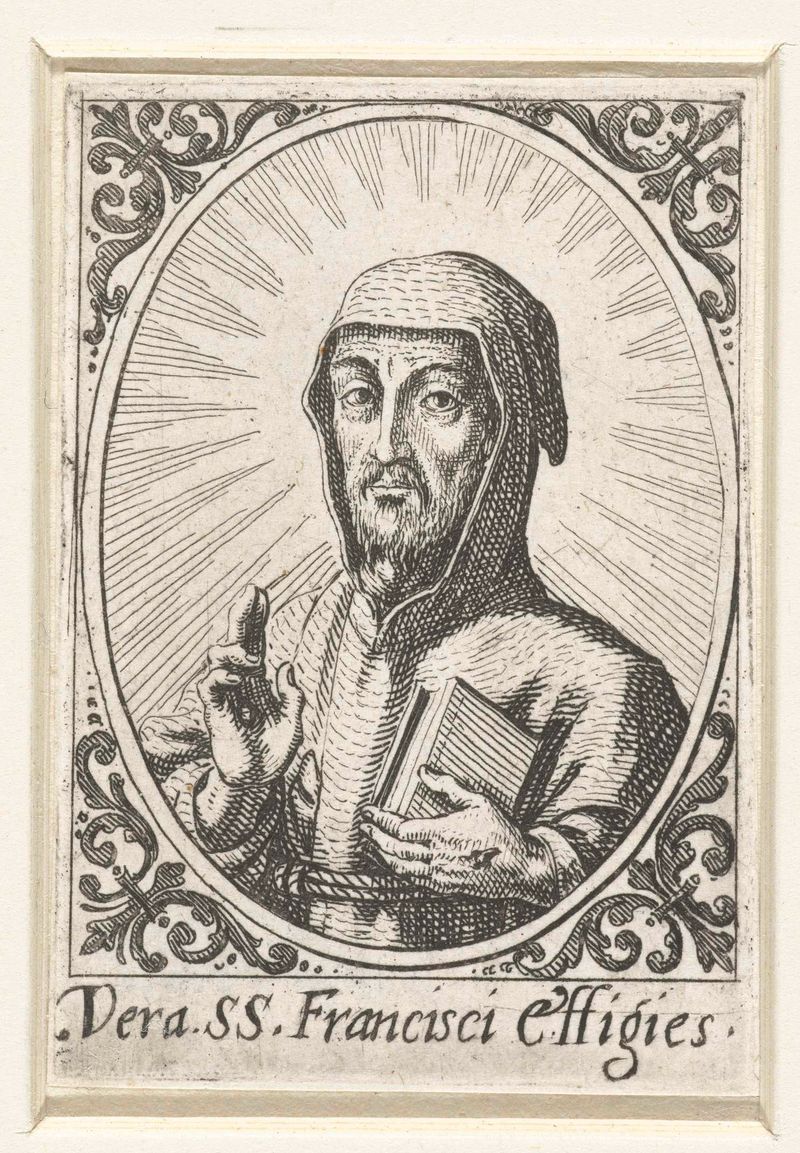
Portret van de Heilige Franciscus
Jacques Callot





