
West Front, Cassiobury — History & Facts
Shadows linger in the corners of our lives, shaping our perceptions and emotions, much like the delicate nuances of color in a landscape. Look to the center, where the grand façade of Cassiobury resonates with the silvery whispers of twilight. The light bathes the architecture in warm hues, creating a striking contrast against the cooler shadows that creep along the edges. Notice the meticulous brushwork that defines the ornate details, revealing a masterful grasp of texture and depth.
The composition draws your gaze outward, inviting you to explore the sprawling gardens that unfurl like a quiet promise around the estate. Delve deeper into the interplay of light and shadow, where the bright sunlit areas seem to dance with the darker patches, evoking an emotional tug-of-war. This duality suggests a narrative of opulence intertwined with the melancholic whispers of history. The shadows hint at the stories buried beneath the surface, perhaps representing the weight of time and memory that the estate carries, while the vibrant colors celebrate its undeniable beauty. In 1816, John Hill painted this scene during a period of significant transformation in the English landscape tradition.
The Napoleonic Wars had recently concluded, paving the way for a renewed interest in natural beauty and picturesque gardens. Hill, known for his detailed landscapes, found inspiration in the lush surroundings of Cassiobury, capturing not just a physical space, but also the profound essence of tranquility that enveloped it.
More Artworks by John Hill
Browse all →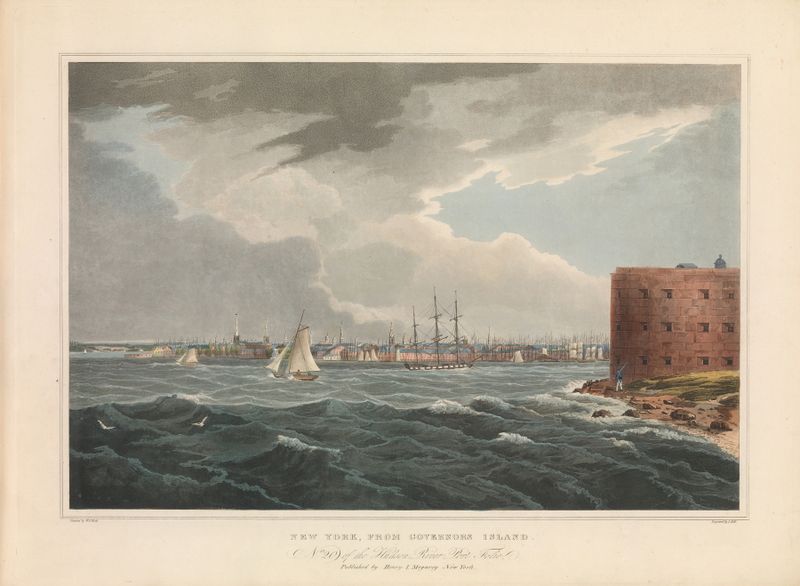
New York from Governor’s Island
John Hill

West Point
John Hill
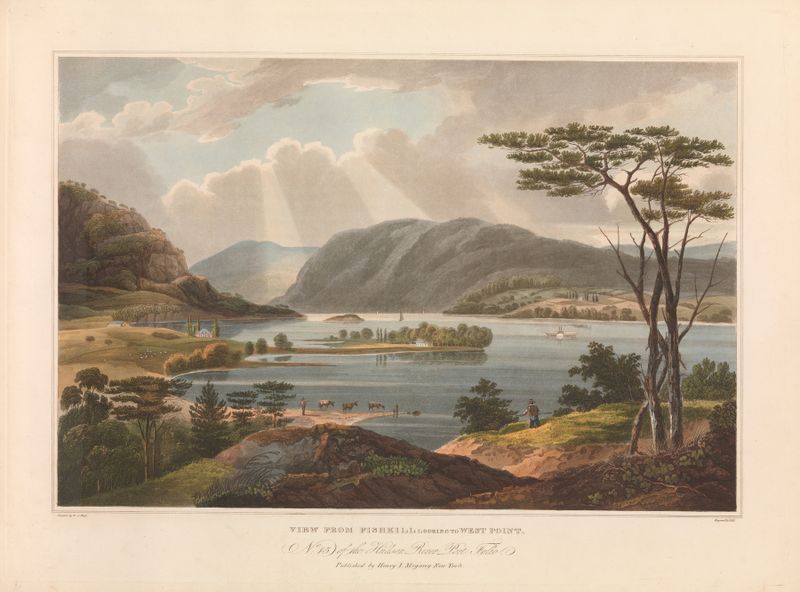
View from Fishkill Looking To West-Point
John Hill

View Near Hudson
John Hill
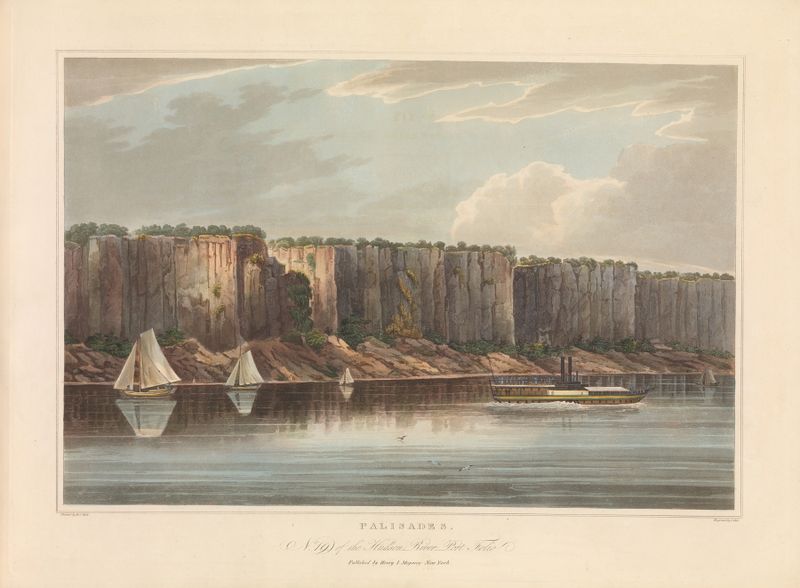
The Palisades
John Hill
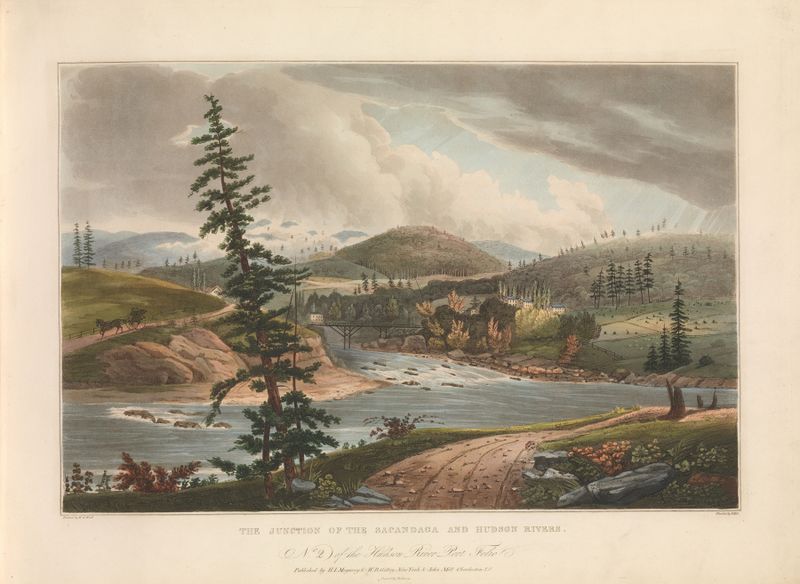
Junction of the Sacandaga and Hudson Rivers
John Hill
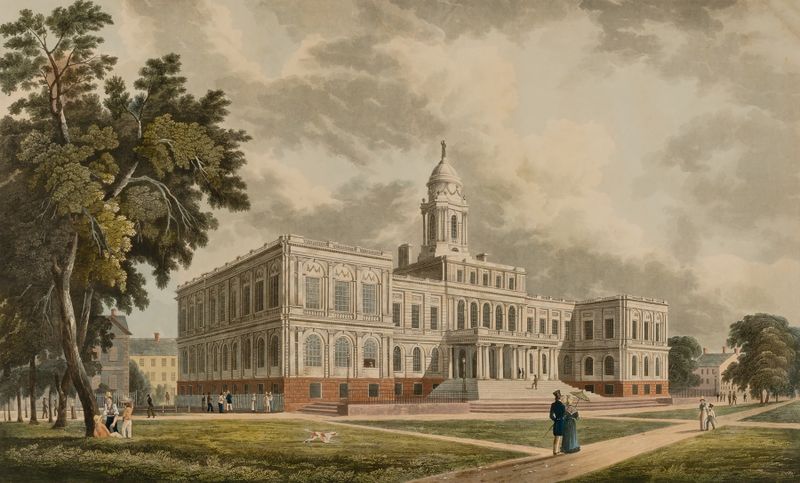
City Hall
John Hill

North-West Front, Cassiobury
John Hill

Glenns Falls
John Hill

His Majesty’s Frigate ‘Endymion’
John Hill
More Architecture Art
Browse all →
The statue of Liberty
Frédéric Auguste Bartholdi

View of Houses in Delft, Known as ‘The Little Street’
Johannes Vermeer

View of Houses in Delft, Known as ‘The Little Street’
Johannes Vermeer

The Cathedral in Rouen. The portal, Grey Weather
Claude Monet

The yellow house
Vincent van Gogh

The Church in Auvers-sur-Oise, View from the Chevet
Vincent van Gogh