
West Indies — History & Facts
What first catches the eye in West Indies by Abbott Handerson Thayer is the way sunlight seems to dissolve the landscape, as if the heat itself is painting the scene. The palm trees are little more than gestures—quick, loose strokes of ochre and sienna—yet they anchor the whole composition, rising from a wash of pale gold that hints at sand and distant hills. There is no hard outline, no insistence on detail; instead, the forms emerge from the paper almost by accident, as if conjured by memory or dream.
The sky is a faint, watery blue, bleeding into the untouched white of the paper, giving the impression of a day so bright it erases shadow and sharpness. This is a landscape that invites the viewer to linger in its openness, to feel the warmth and quiet of a far-off shore. Created sometime between 1849 and 1921, this work belongs to a period when American artists were increasingly drawn to scenes of travel and exotic locales, often working in watercolor for its immediacy and lightness. Watercolors like this were favored by artists seeking to capture fleeting impressions—often painted on site, sometimes as studies for larger works, sometimes as finished pieces in their own right.
Abbott Handerson Thayer is better known for his ethereal figures and studies of nature, but here he offers a glimpse of the Caribbean filtered through an American lens, now preserved in the collection of the Smithsonian American Art Museum. History has kept few traces of this particular painting’s journey, but its sunlit simplicity still beckons the viewer to imagine the world just beyond the paper’s edge.
More Artworks by Abbott Handerson Thayer
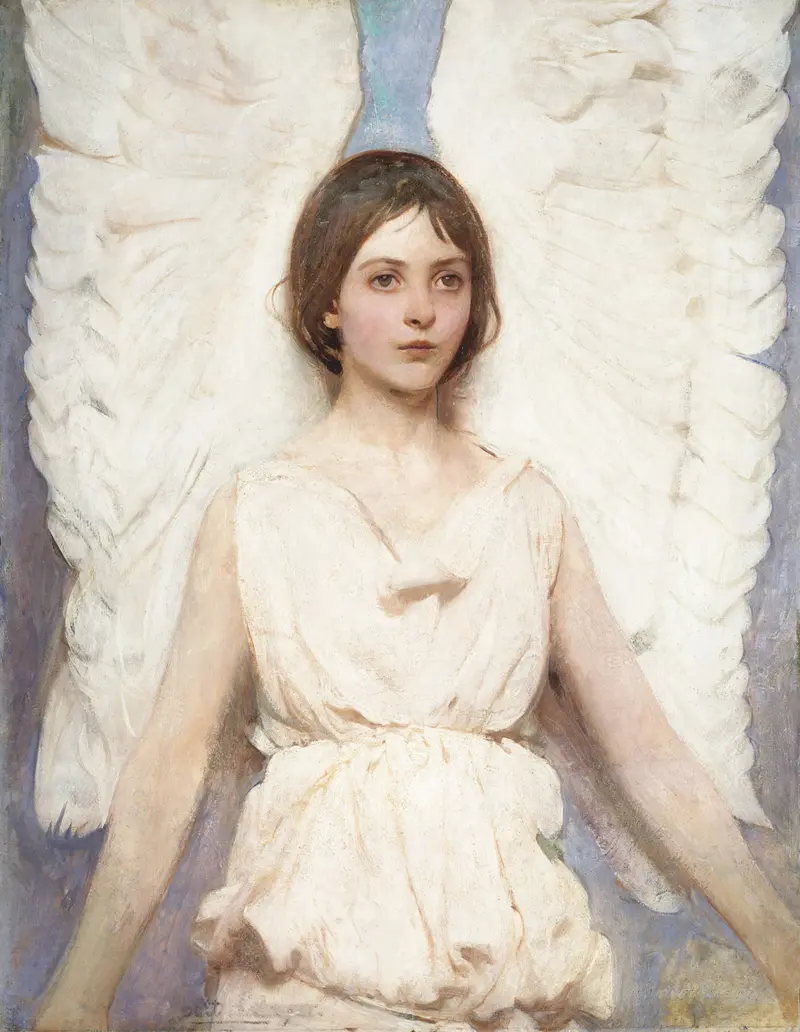
Angel
Abbott Handerson Thayer

Mount Monadnock
Abbott Handerson Thayer
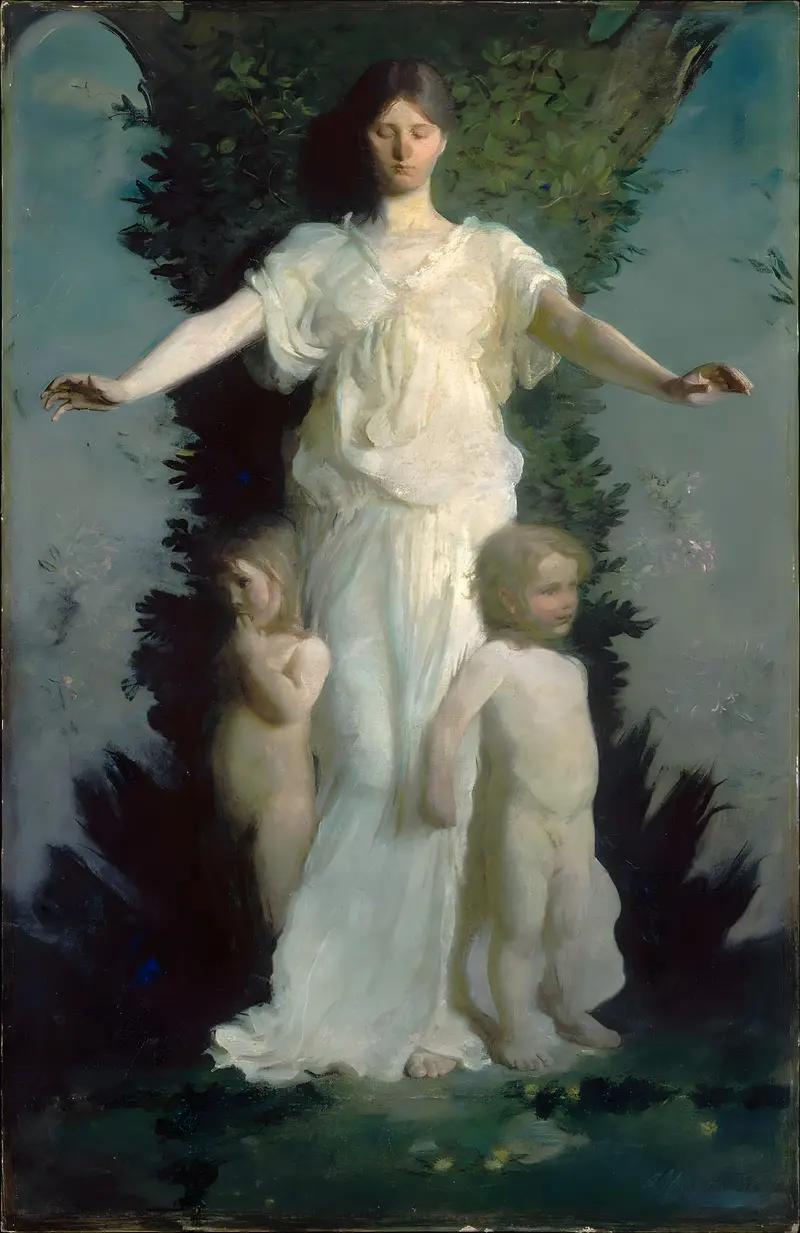
Caritas
Abbott Handerson Thayer

Winter, Monadnock
Abbott Handerson Thayer
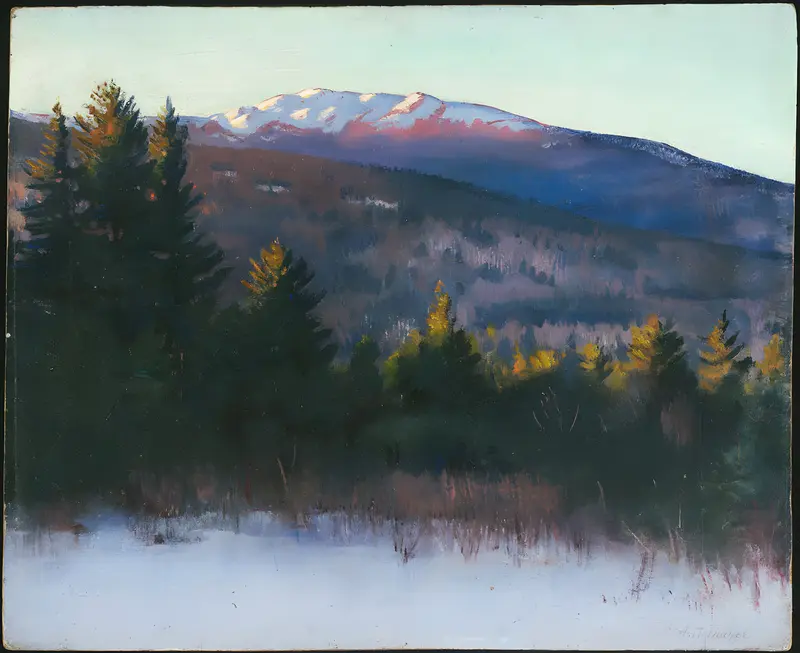
Mount Monadnock
Abbott Handerson Thayer
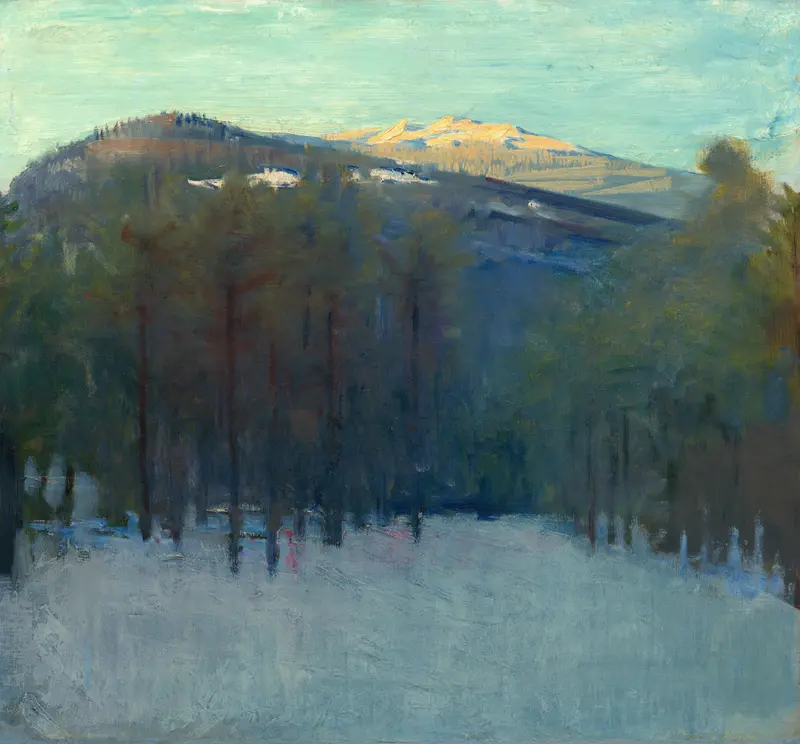
Mount Monadnock
Abbott Handerson Thayer
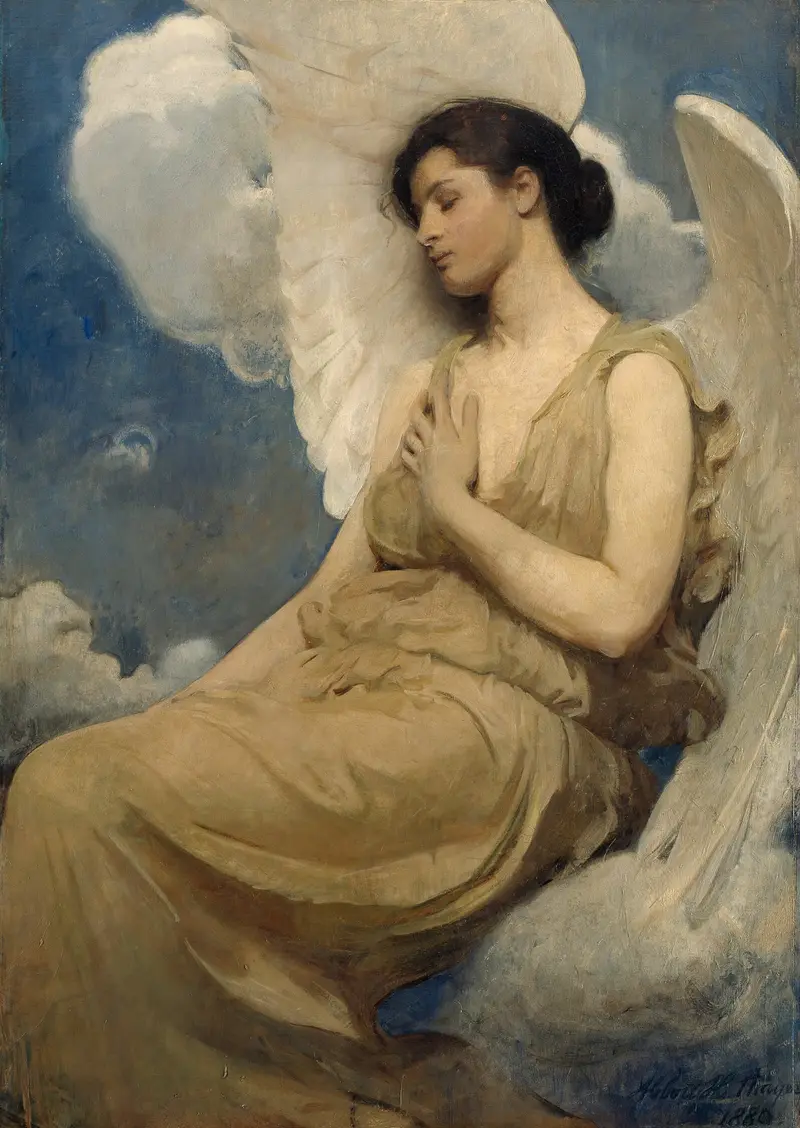
Winged Figure
Abbott Handerson Thayer
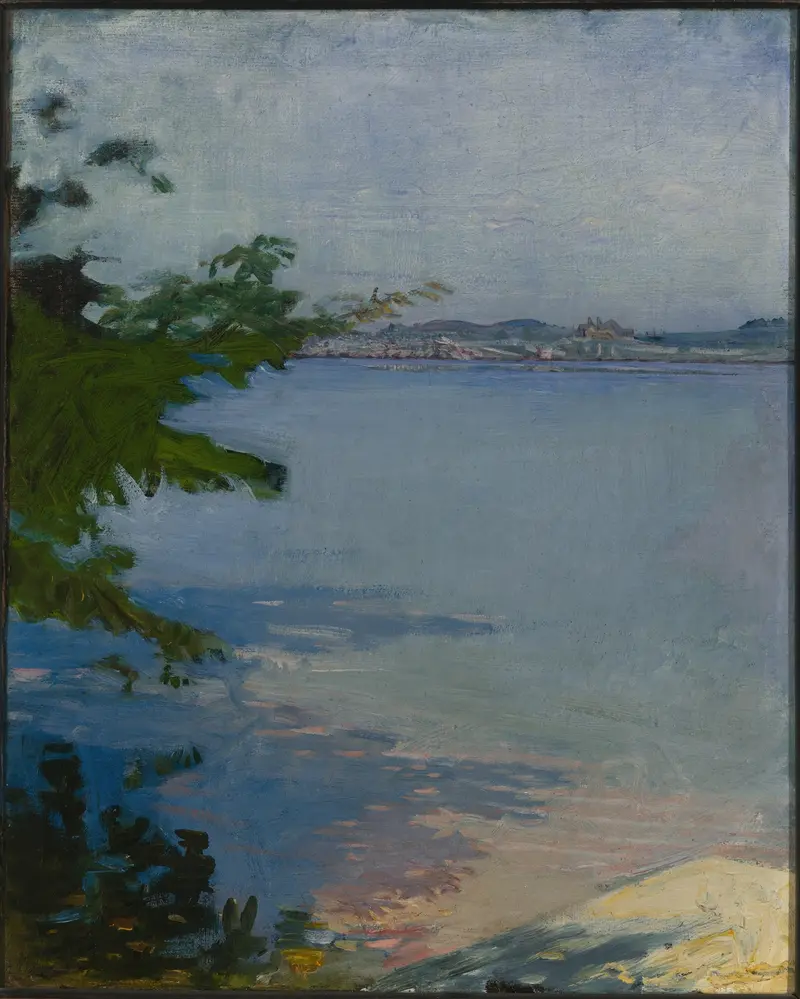
Dublin Pond, New Hampshire
Abbott Handerson Thayer
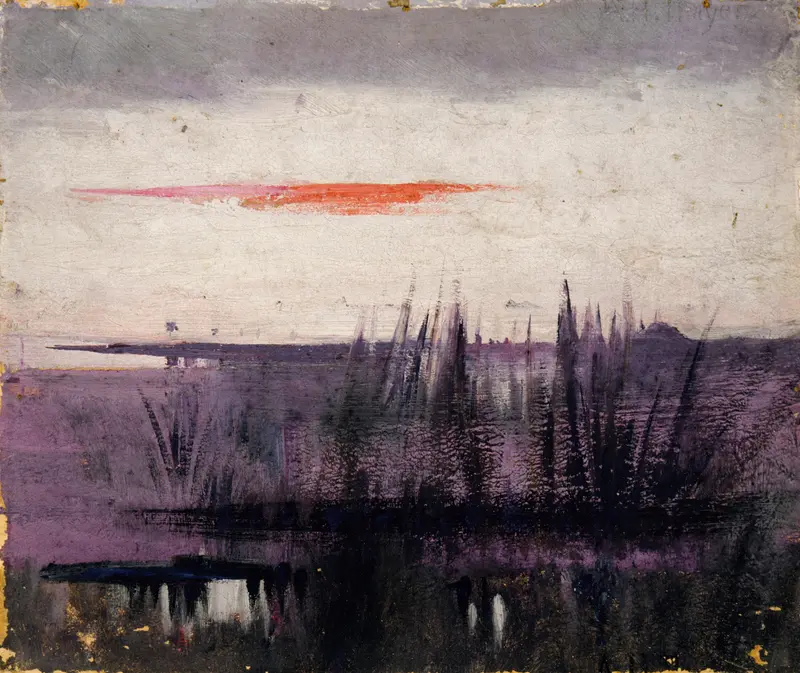
The Sky Simulated By White Flamingoes Study For Book, Concealing Coloration In The Animal Kingdom
Abbott Handerson Thayer
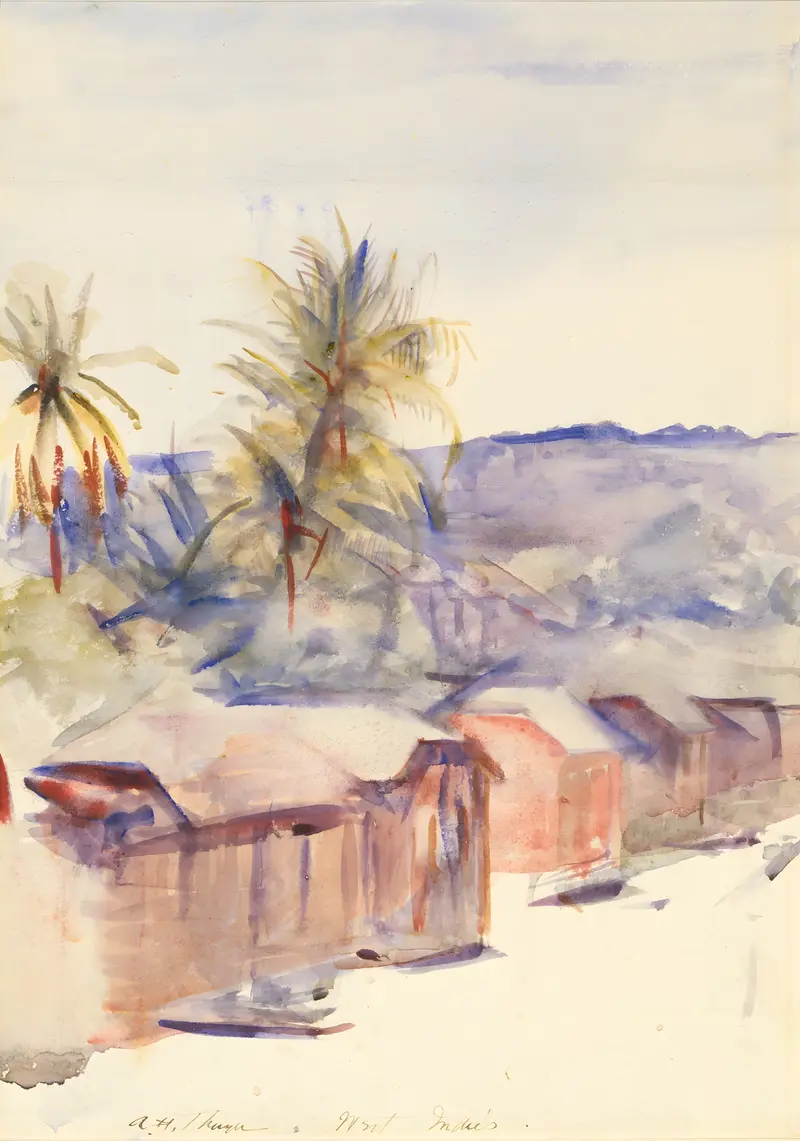
Village Street, Dominica
Abbott Handerson Thayer
More Landscape Art

The Starry Night
Vincent van Gogh

View of Delft
Johannes Vermeer

Water Lilies
Claude Monet

The Grand Canal, Venice, looking north-west from the Ca' Corner to the Ca' Contarini degli Scrigni, with the campanile of Santa Maria della Carità
Canaletto

Windsor Castle
Canaletto

The Grand Canal looking North-East from the Palazzo Dolfin-Manin to the Rialto Bridge
Canaletto