
Westgevel van de Onze-Lieve-Vrouwe-Kathedraal te Antwerpen — History & Facts
What if silence could speak through light? In the intricate lines of Wenceslaus Hollar's Westgevel van de Onze-Lieve-Vrouwe-Kathedraal te Antwerpen, chaos and serenity intertwine, revealing the story hidden within a moment frozen in time. Focus on the towering facade of the cathedral, where the meticulous details of the stonework draw the eye. Notice how the delicate etching contrasts with the roughness of the surrounding buildings, as light plays across the surfaces, illuminating the intricate carvings and casting shadows that dance between chaos and order. The monochromatic palette enhances the tension, allowing the viewer to grasp the grandeur of the architecture while feeling the weight of history pressing down. Delve deeper into the interplay of elements.
Observe how the soaring spires reach toward the heavens, speaking of aspiration and faith against the backdrop of a tumultuous world. The chaotic elements of the city are tangible in the crowding features surrounding the cathedral, yet within this tumult, the calm majesty of the church stands resolutely. This juxtaposition invites contemplation on the search for peace amidst the disorder of life, echoing the struggles of those who sought solace within its walls. In 1649, Hollar created this work during a period marked by upheaval in Europe, where the Thirty Years' War had left scars on the continent.
Living in Antwerp, a city rich in artistic activity, he captured a moment in architectural history while navigating his own journey as an engraver and artist. Hollar’s focus on the cathedral's facade not only illustrated a physical monument but also served as a symbol of resilience amidst chaos, a reflection of the human spirit in turbulent times.
More Artworks by Wenceslaus Hollar
Browse all →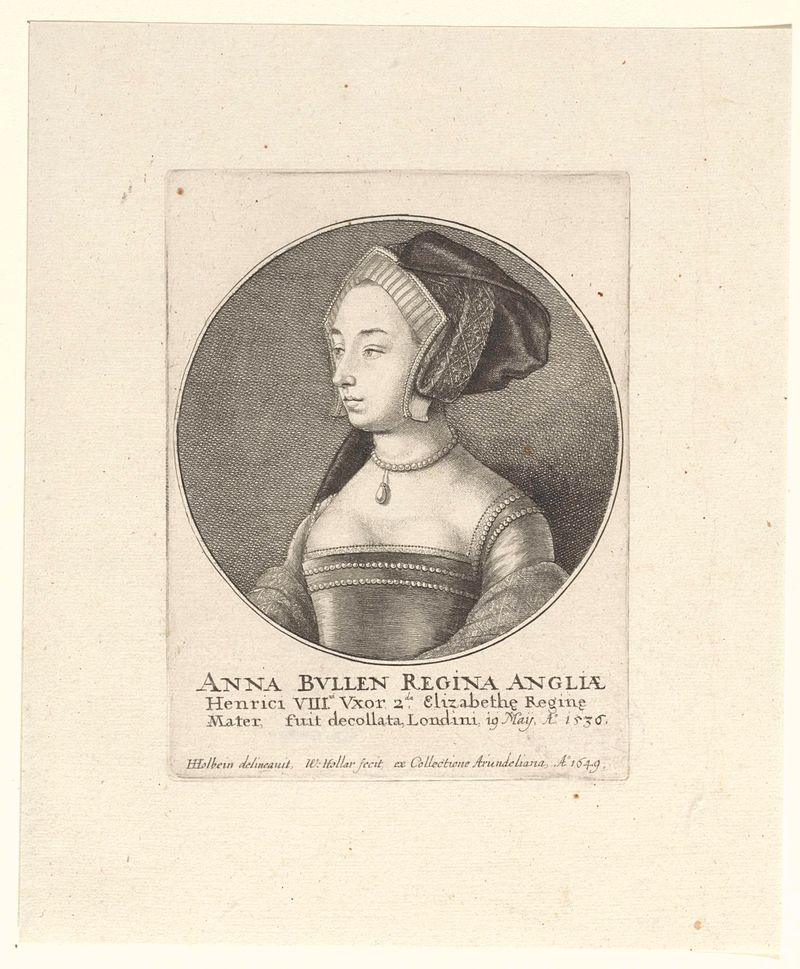
Portret van Anna Boleyn, koningin van Engeland
Wenceslaus Hollar
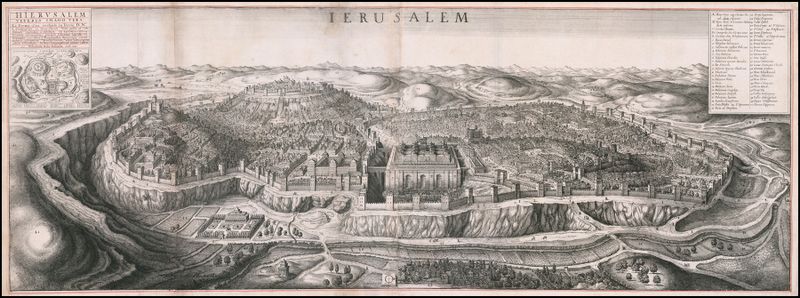
Bird’s eye view of Jerusalem
Wenceslaus Hollar
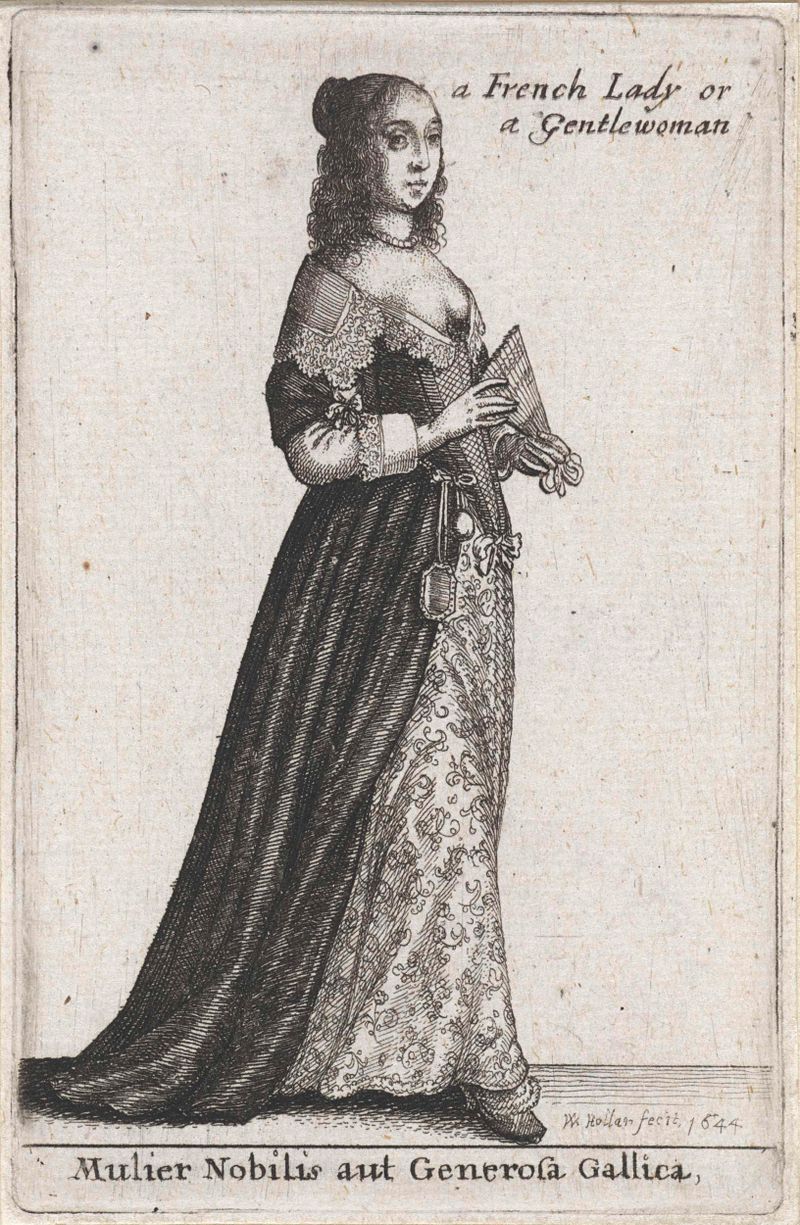
Mulier Nobilis aut Generosa Gallica / a French Lady or Gentlewoman
Wenceslaus Hollar
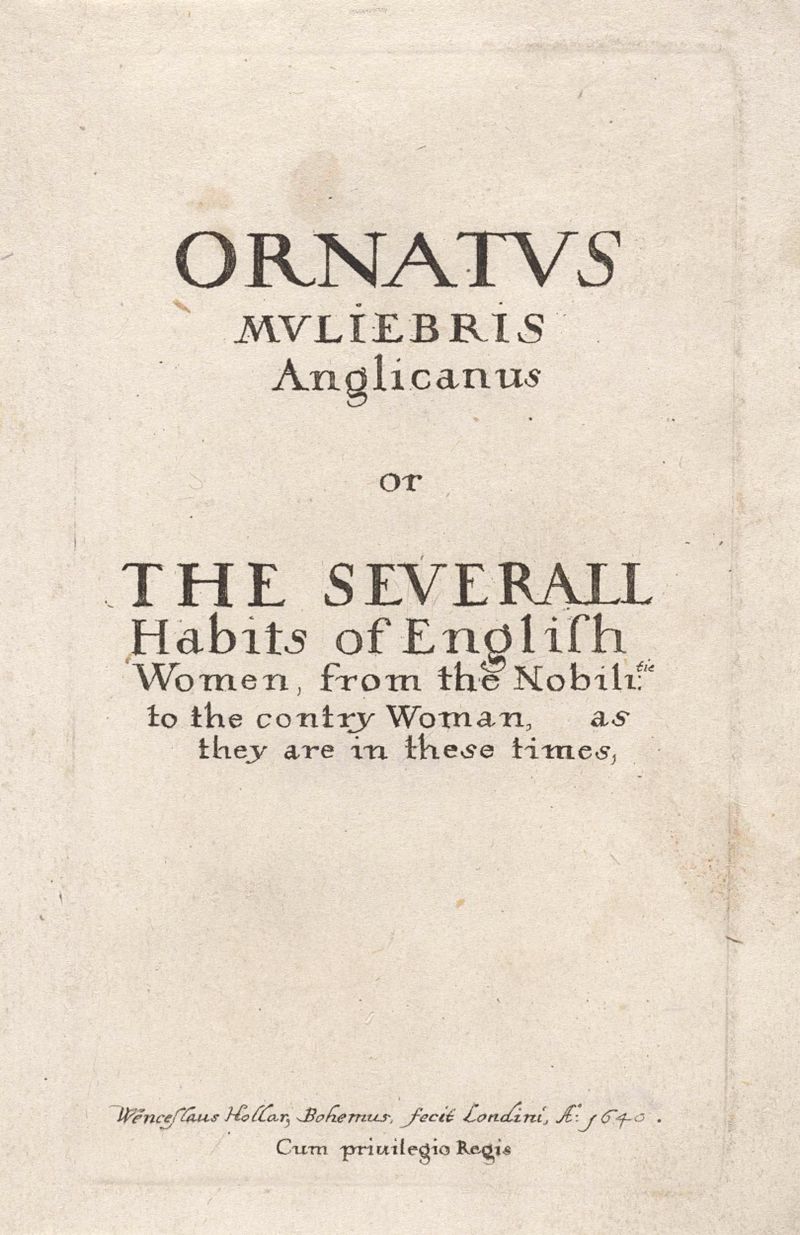
Titelprent voor: Ornatus Muliebris Anglicanus
Wenceslaus Hollar
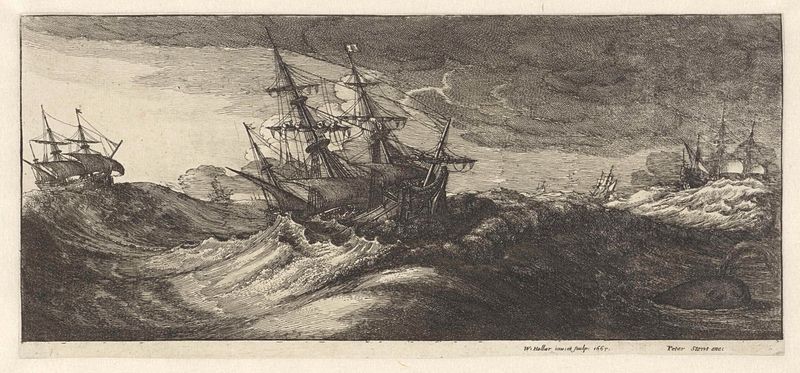
Oorlogsschepen en een walvis in een zeestorm
Wenceslaus Hollar
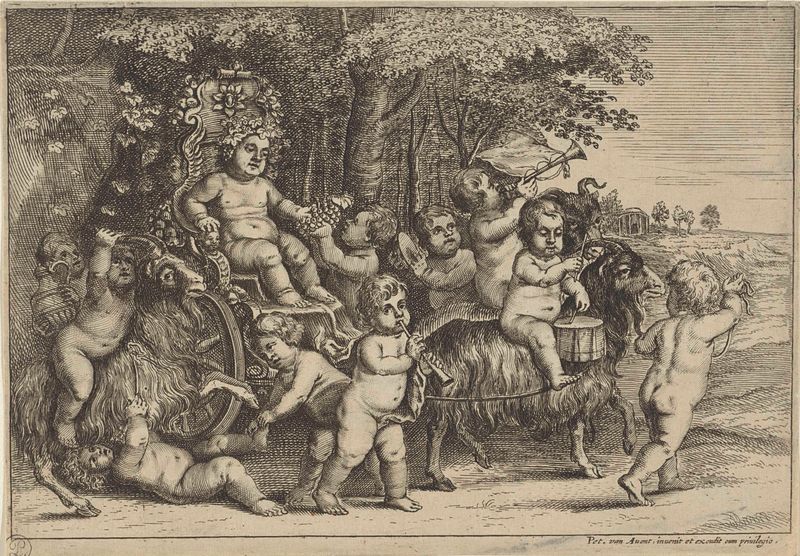
Optocht van bacchant en jongetjes op geiten
Wenceslaus Hollar
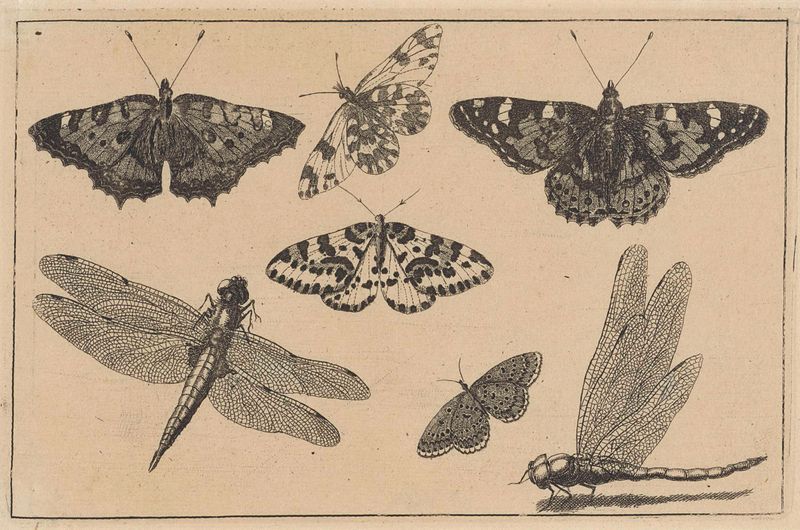
Twee libellen en vijf vlinders
Wenceslaus Hollar
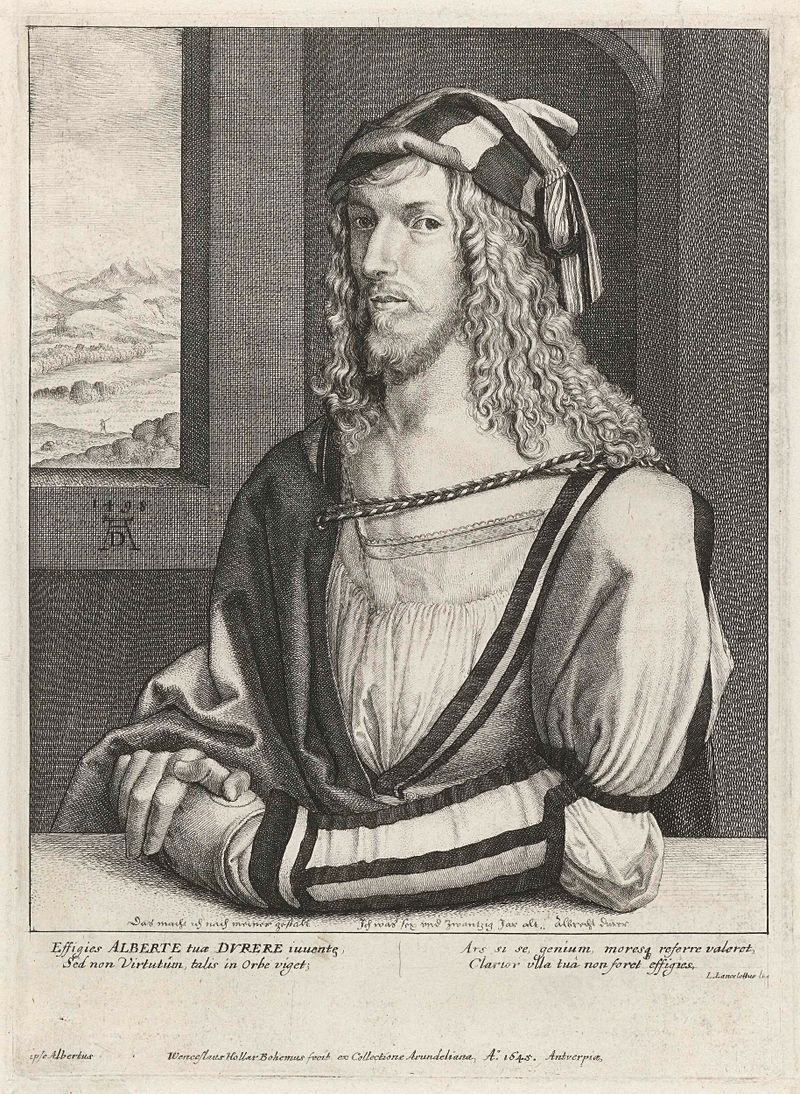
Portret van Albrecht Dürer
Wenceslaus Hollar
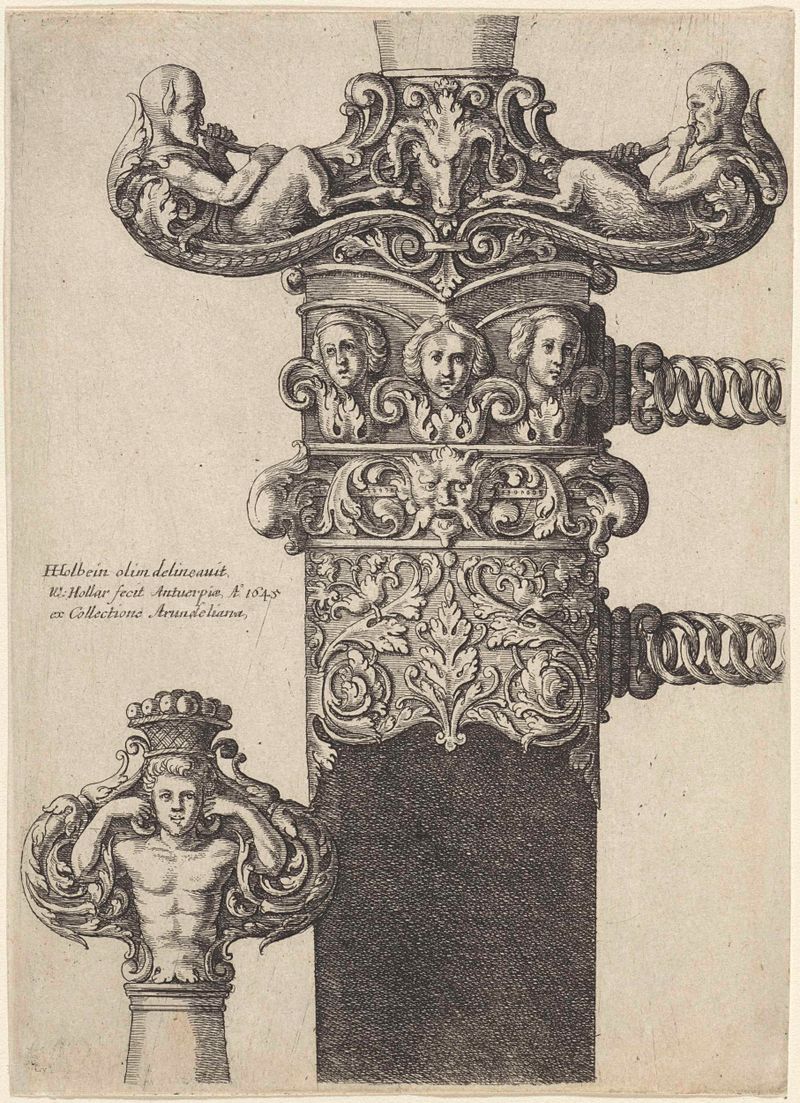
Ornamenteel ontwerp voor een dolk
Wenceslaus Hollar
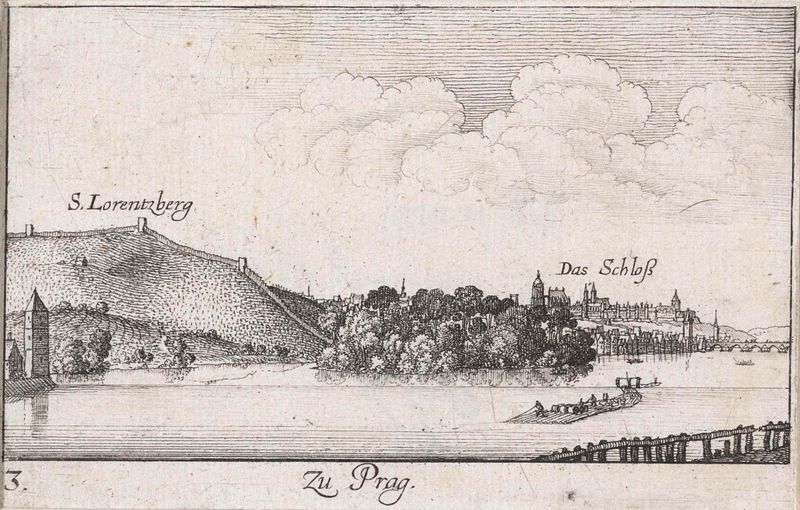
Gezicht op Praag vanaf de Moldau
Wenceslaus Hollar
More Architecture Art
Browse all →
The statue of Liberty
Frédéric Auguste Bartholdi

View of Houses in Delft, Known as ‘The Little Street’
Johannes Vermeer

View of Houses in Delft, Known as ‘The Little Street’
Johannes Vermeer

The Cathedral in Rouen. The portal, Grey Weather
Claude Monet

The yellow house
Vincent van Gogh

The Church in Auvers-sur-Oise, View from the Chevet
Vincent van Gogh