
Westminster Bridge, London (rebuilt 1862) — History & Facts
In the stillness of a moment, desire lingers in the air, whispering untold stories of longing and lost connections. Look to the left at the soft, rippling waters of the Thames, elegantly reflecting the warm hues of the rising sun. The bridge, a graceful arc in the foreground, invites your gaze to traverse its bustling expanse. Notice how the delicate strokes of blues and greens breathe life into the landscape, while wisps of clouds stretch like fingers across the sky, suggesting both movement and a pause in time.
The figures walking on the bridge, small yet significant, embody the pulse of life beneath the serene surface. Delve deeper into the composition, where the contrast between the vibrant sky and the muted earth tones creates a sense of yearning. The gentle play of light subtly tugs at the edges of the painting, hinting at both hope and melancholy. Each passerby, depicted with care, carries a story of their own, while the bridge serves as both a literal and metaphorical connection, spanning the chasm of desire that exists between souls. In 1811, while creating this piece in England, Copley Fielding was deeply influenced by the Romantic movement, which sought to evoke emotion and celebrate nature’s beauty.
During this period, the world was undergoing significant changes, and the industrial age was beginning to cast its shadow. Fielding's focus on the interplay between man and the landscape reflects not just his personal vision but the broader artistic conversations of his time.
More Artworks by Copley Fielding
Browse all →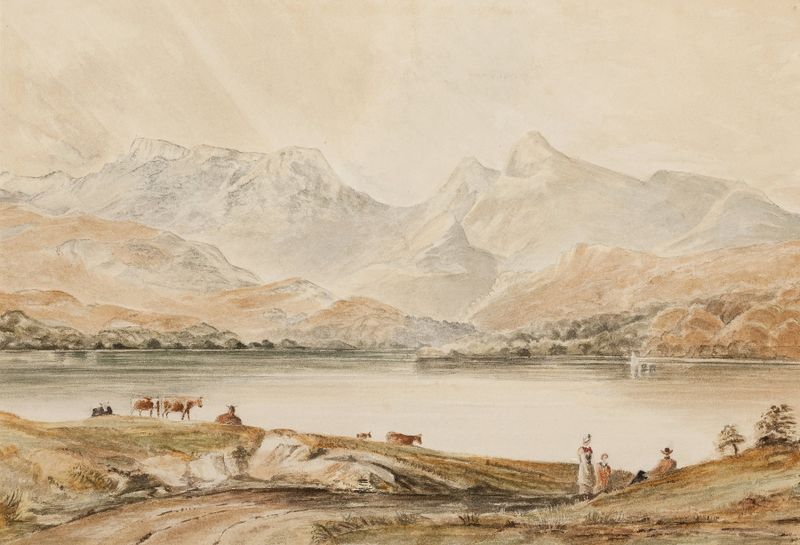
Loch Awe, Scotland
Copley Fielding
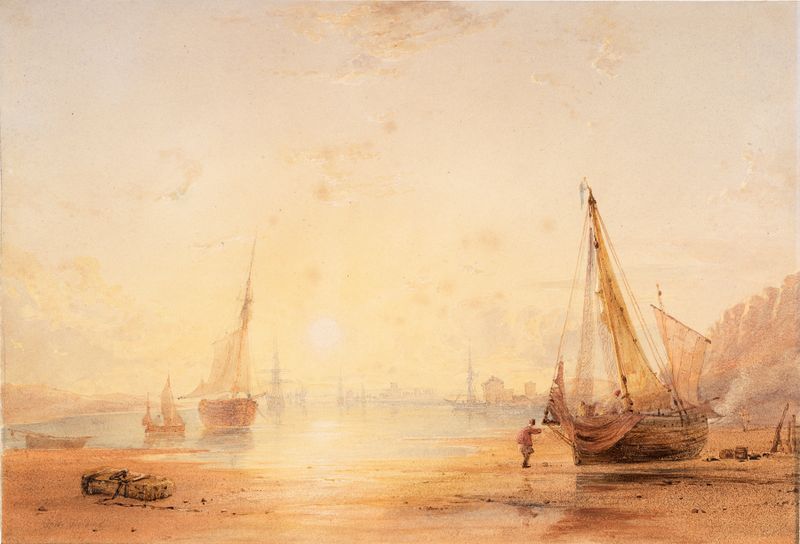
Shoreham Harbour, Sussex
Copley Fielding

Crowborough Hill
Copley Fielding
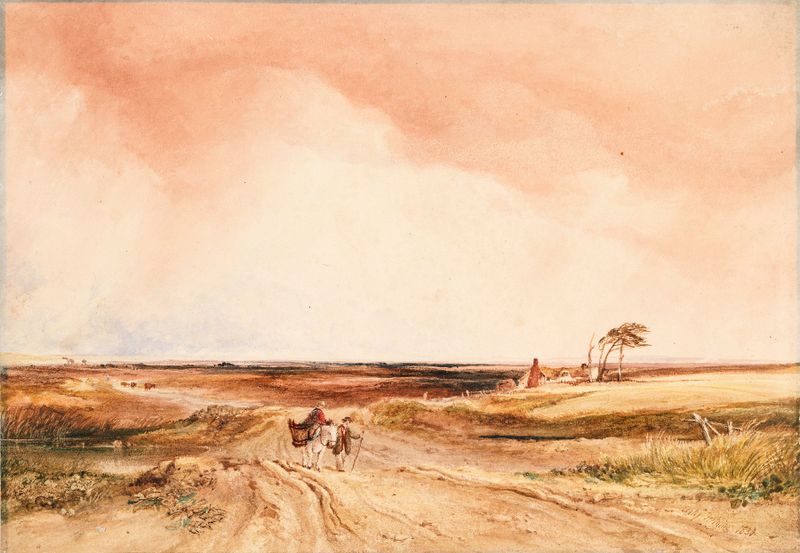
The Wash of Cumberland (Cumbria)
Copley Fielding
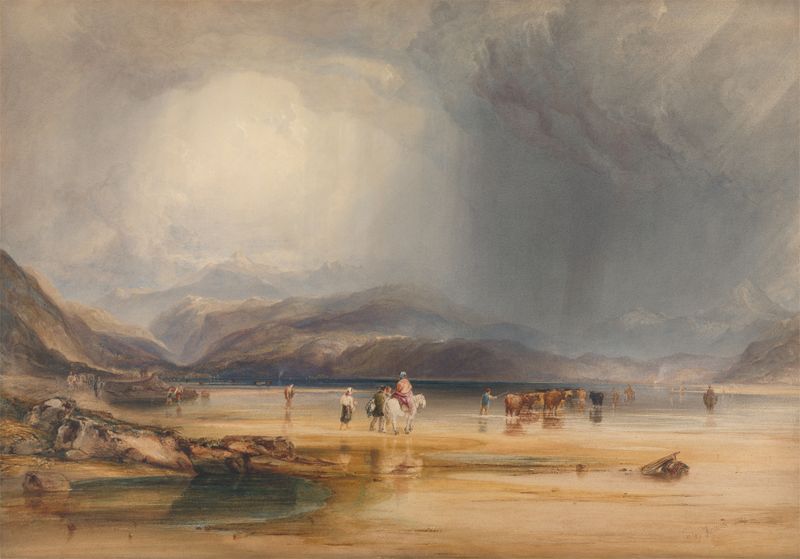
A View of Snowdon from the Sands of Traeth Mawr, taken at the Ford Between Pont Aberglaslyn and Tremadoc
Copley Fielding
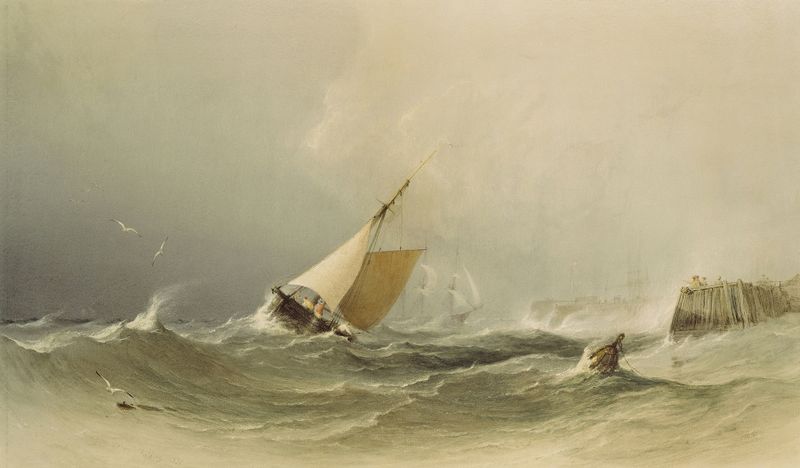
Bridlington Harbour
Copley Fielding
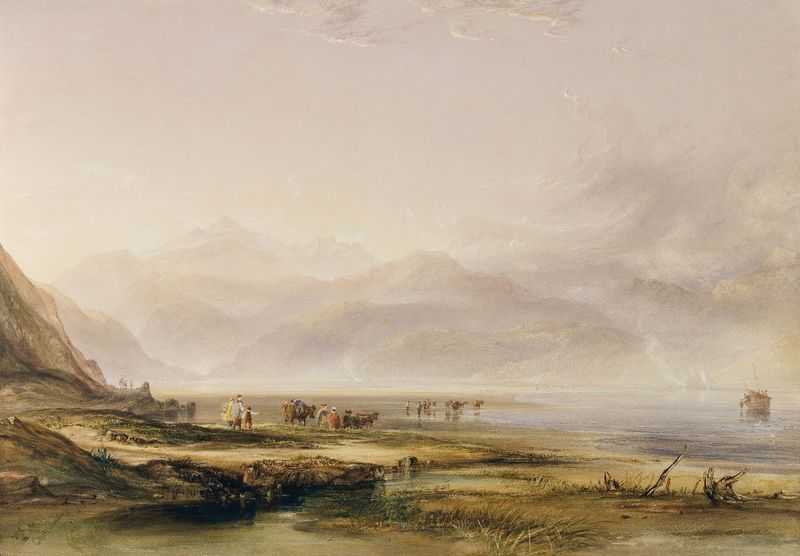
Traeth Mawr
Copley Fielding

The Head of Glencoe, North Argyll, Scotland
Copley Fielding
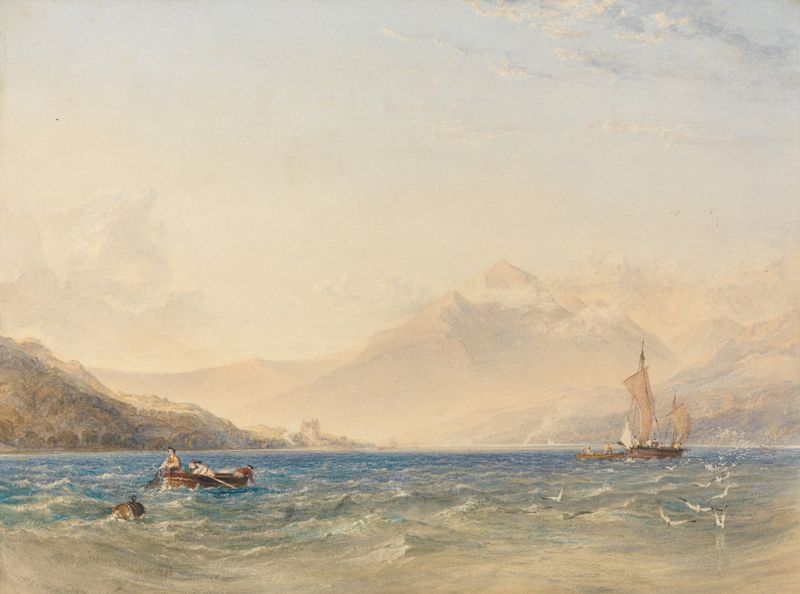
The Head of Loch Fyne, with Dindarra Castle
Copley Fielding
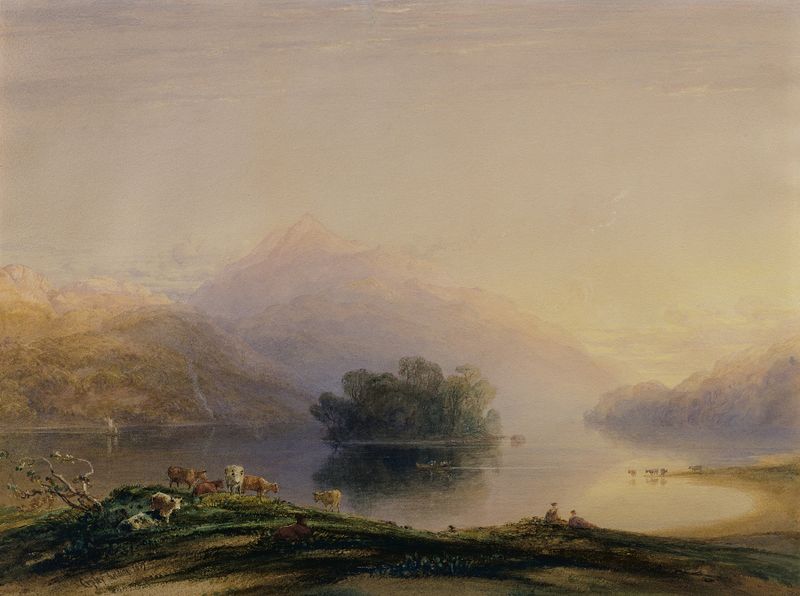
Loch Katrine
Copley Fielding





