
White Flowers in a Bowl — History & Facts
A bowl of white flowers floats in a sea of blue, their petals catching the light like scattered snowflakes. The eye is drawn first to the luminous blooms, loosely gathered in a porcelain dish, then to the soft, almost ghostly outline of a jug behind them. The entire scene is awash with quick, confident brushstrokes that blur the boundaries between object and air, as if the flowers are dissolving into their own reflection.
The palette is cool and restrained, but the energy of the paintwork gives the still life a sense of movement—notice how the shadows and highlights ripple across the tabletop, suggesting a fleeting moment rather than a fixed arrangement. Painted in 1885, this work belongs to the world of late nineteenth-century France, when artists like Berthe Morisot were redefining what painting could capture. Still lifes such as this were often created for private enjoyment, a chance for painters to experiment with color, light, and form without the constraints of grand narrative or public commission. In the Impressionist circle, to which Morisot belonged, the genre became a laboratory for new ways of seeing—here, the brushwork and palette speak the language of that movement, prioritizing sensation over precision.
Now housed in the collection of the Museum of Fine Arts, Boston, White Flowers in a Bowl invites viewers to linger with its fleeting beauty, asking us to look again at the ordinary and find the extraordinary in a handful of petals.
More Artworks by Berthe Morisot

The Harbor at Lorient
Berthe Morisot
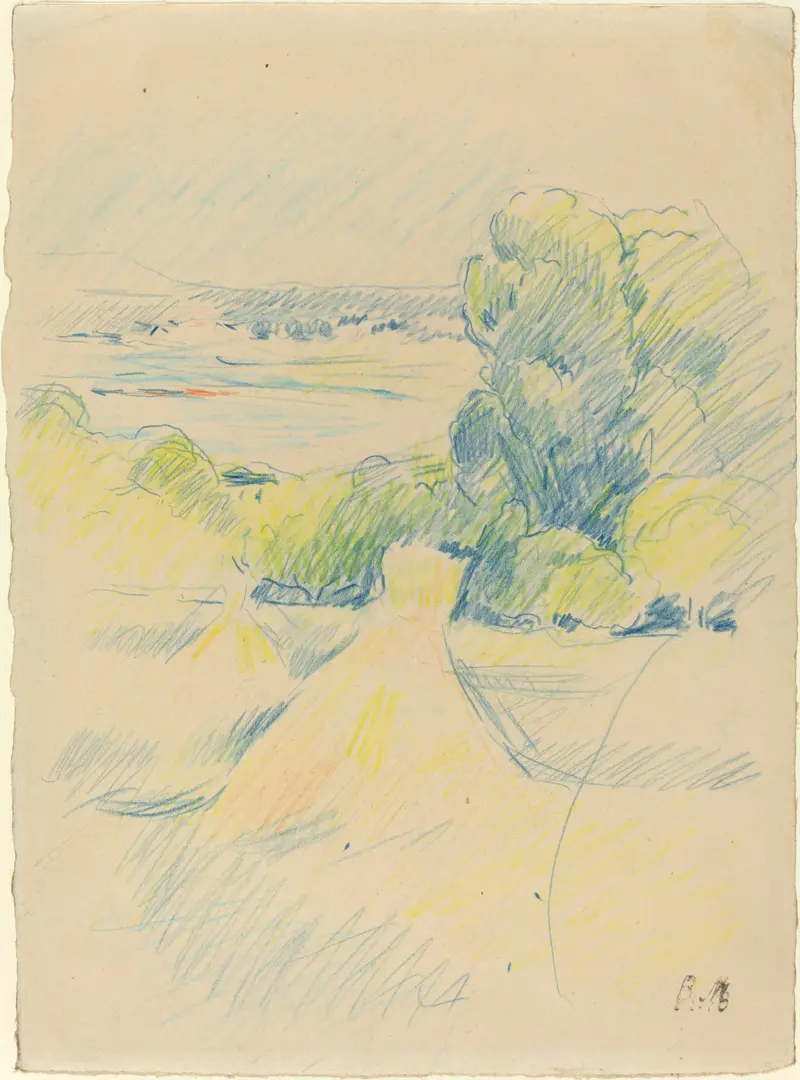
Landscape
Berthe Morisot

Hanging the Laundry out to Dry
Berthe Morisot

Woman in a Garden
Berthe Morisot

Young Girl with Hat
Berthe Morisot
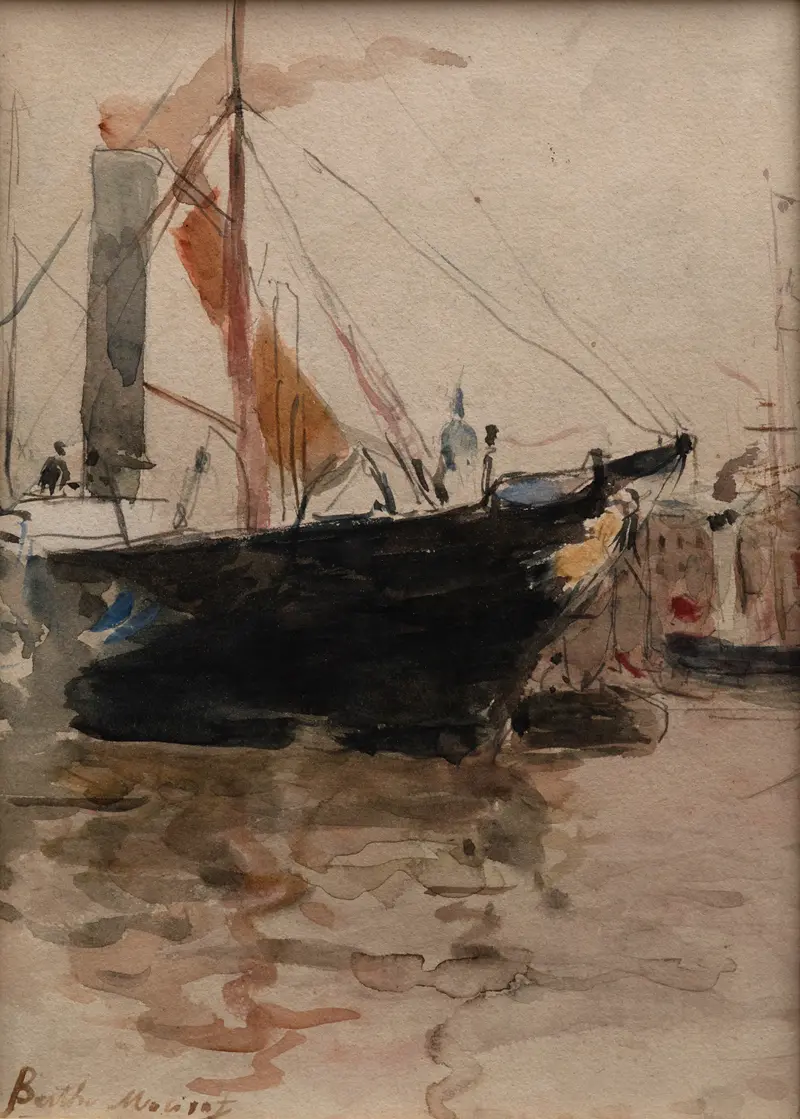
Harbor Scene, Isle of Wight
Berthe Morisot
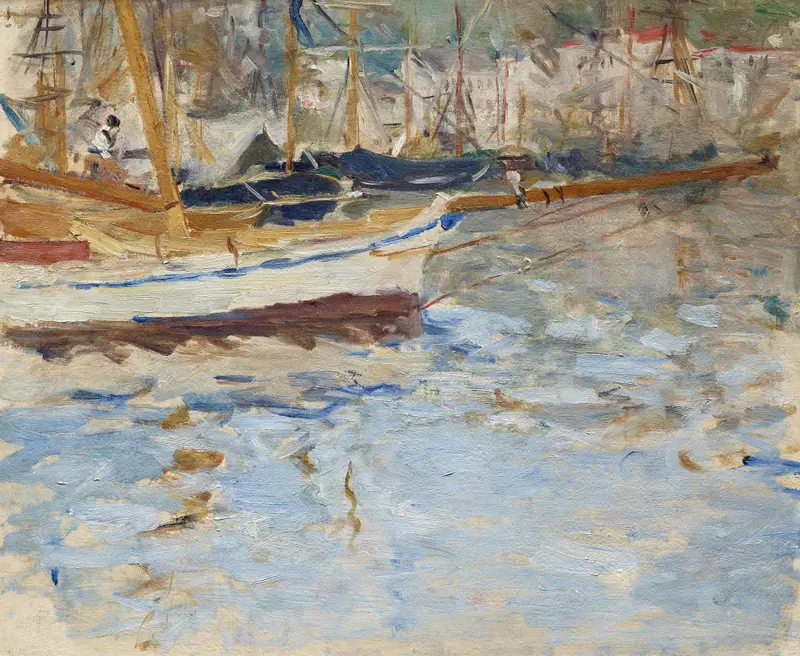
The Port of Nice
Berthe Morisot
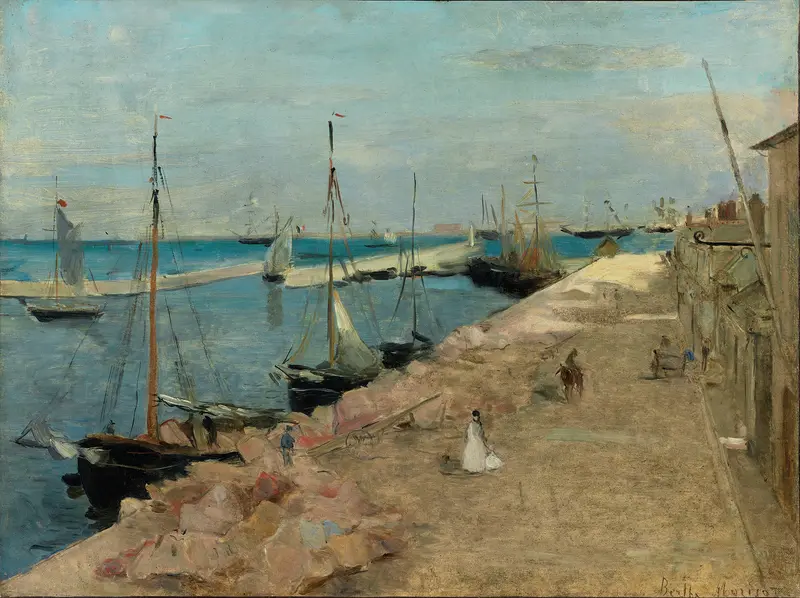
The Harbor at Cherbourg
Berthe Morisot

The Mother and Sister of the Artist
Berthe Morisot
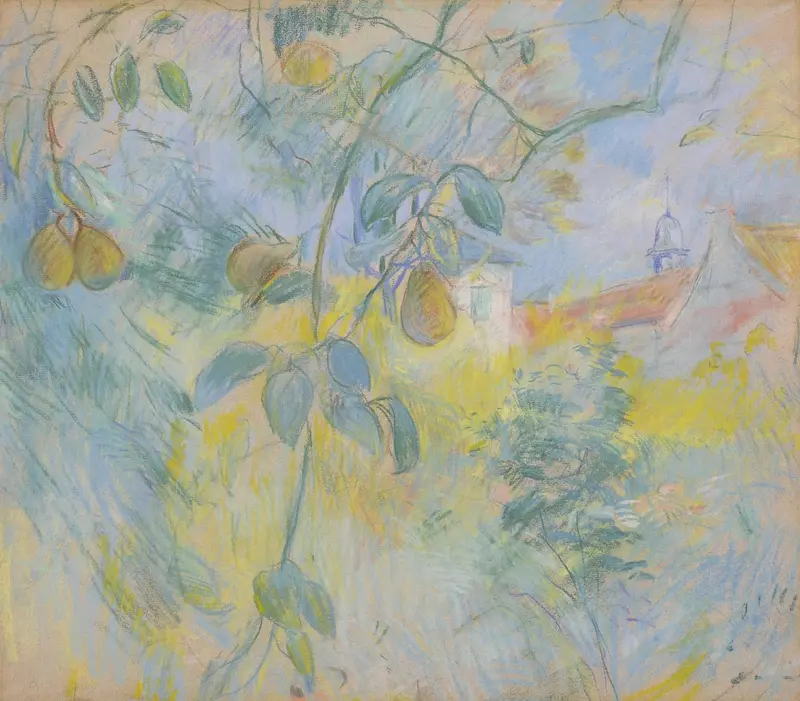
Les Poires
Berthe Morisot





