
Winander Mere — History & Facts
Art reveals the soul when the world turns away. In a moment of pure serenity, one can feel the gentle embrace of nature as it unfolds in a quiet landscape, inviting reflection and calm. Look to the foreground, where the still waters of Winander Mere mirror the soft hues of an early evening sky. The tranquil lake acts as a canvas for the surrounding verdant hills that rise majestically, their lush greens peppered with touches of gold from the fading sun.
Notice how the light dances delicately across the surface, creating ripples of warmth that seem to breathe life into the scene. Each brushstroke captures not just the essence of the landscape but also the profound peace it imparts. An underlying tension lies in the contrast between the serene waters and the towering hills, suggesting a harmony that balances between tranquility and majesty. The subtle play of light and shadow evokes a sense of fleeting time, as if the moment captured is both eternal and ephemeral.
The presence of a solitary figure in the distance serves as a reminder of human vulnerability in the grand scheme of nature's beauty, intertwining solitude with the deep sense of belonging. In 1805, Philip James de Loutherbourg painted Winander Mere during a period of personal exploration and artistic innovation. Living in England, he was influenced by the Romantic movement, which sought to encapsulate emotional depth and the sublime in nature. This painting reflects his ability to blend imaginative landscapes with a profound emotional resonance, capturing the essence of a moment when the heart finds solace in the embrace of the natural world.
More Artworks by Philip James de Loutherbourg
Browse all →
Iron Works, Colebrook Dale
Philip James de Loutherbourg
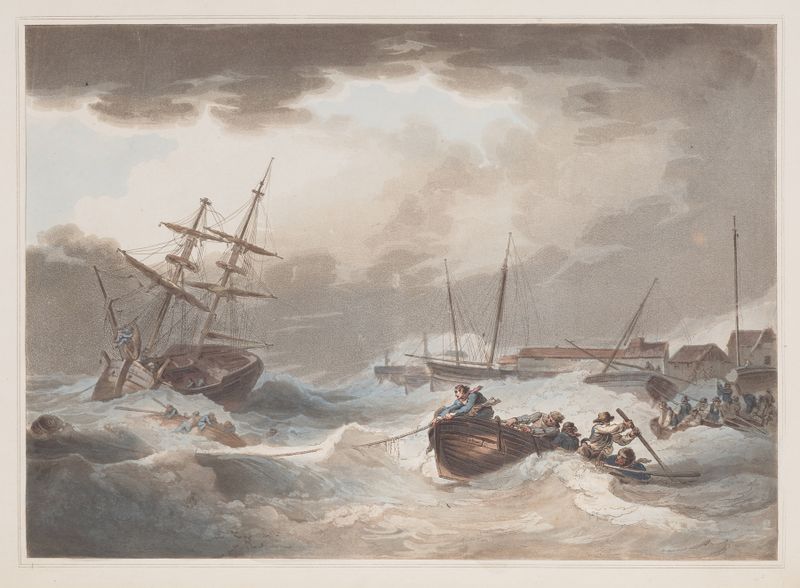
Storm off Margate
Philip James de Loutherbourg
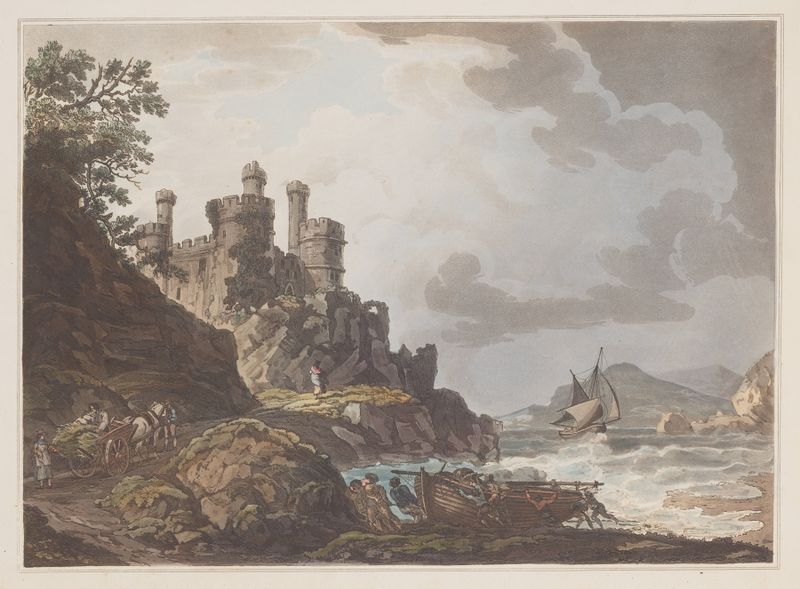
Conway Castle
Philip James de Loutherbourg
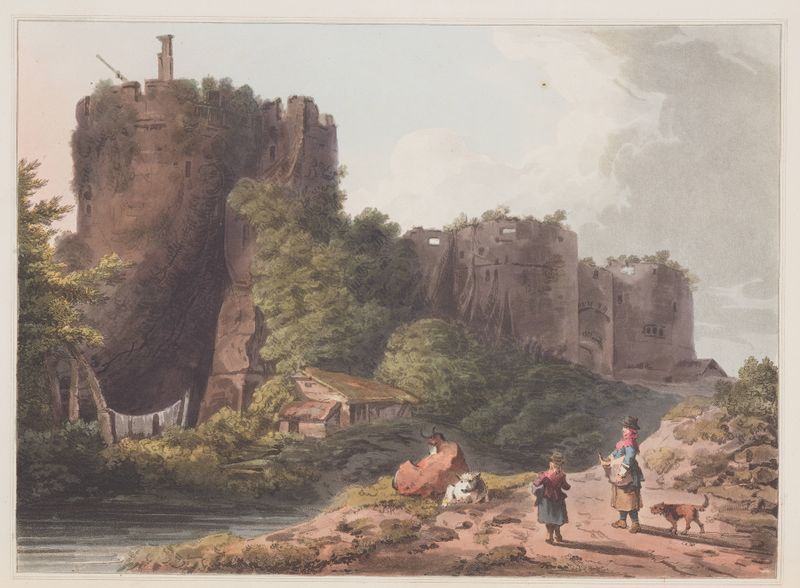
Chepstow Castle in Monmouthshire
Philip James de Loutherbourg
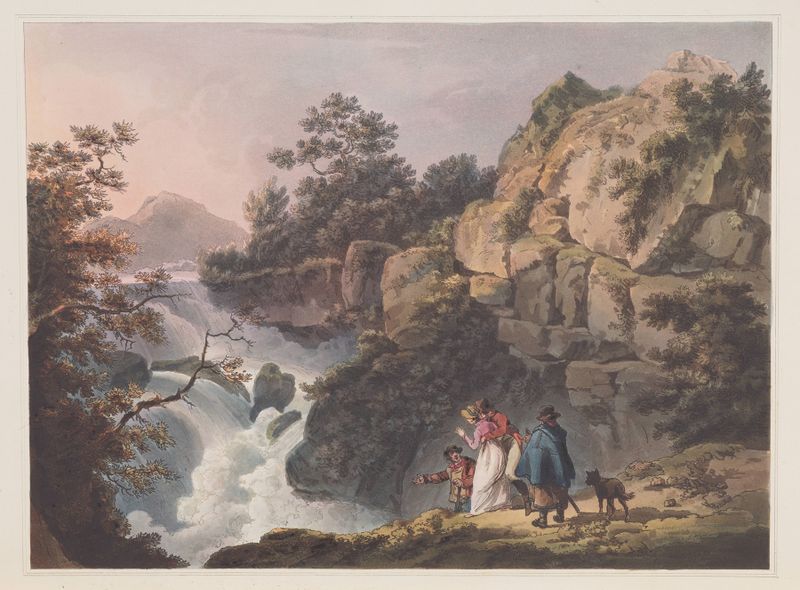
Cataract on the Llugwy
Philip James de Loutherbourg

Tintern Abbey
Philip James de Loutherbourg
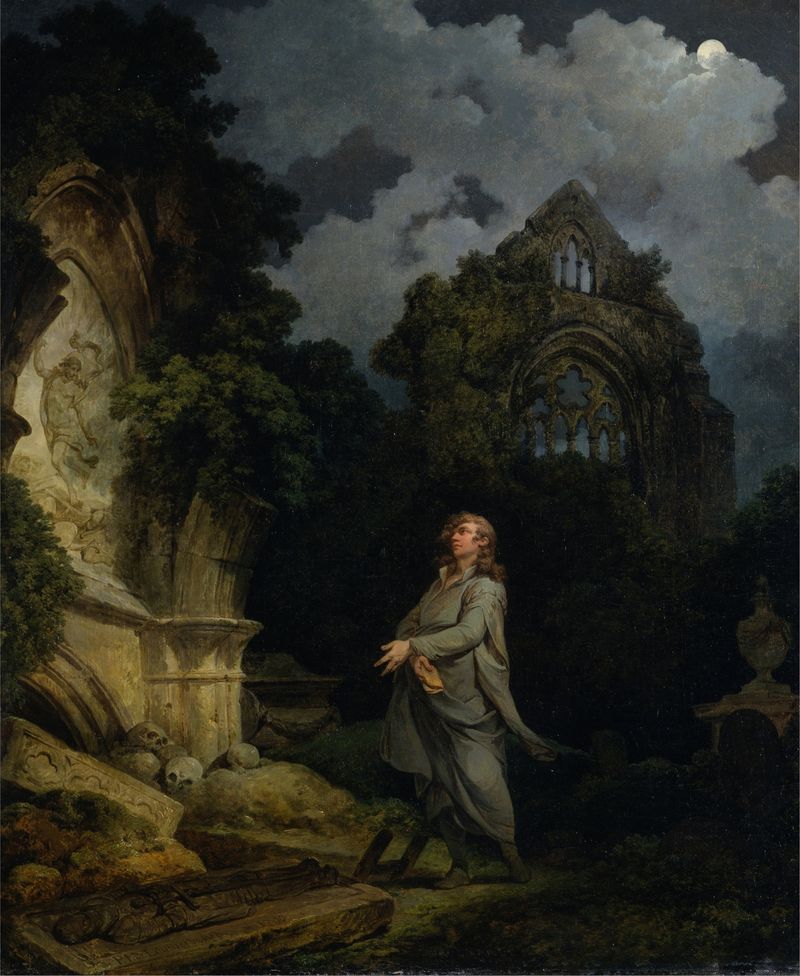
Visitor to a Moonlit Churchyard
Philip James de Loutherbourg

A Storm at the Entrance of a Mediterranean Port
Philip James de Loutherbourg
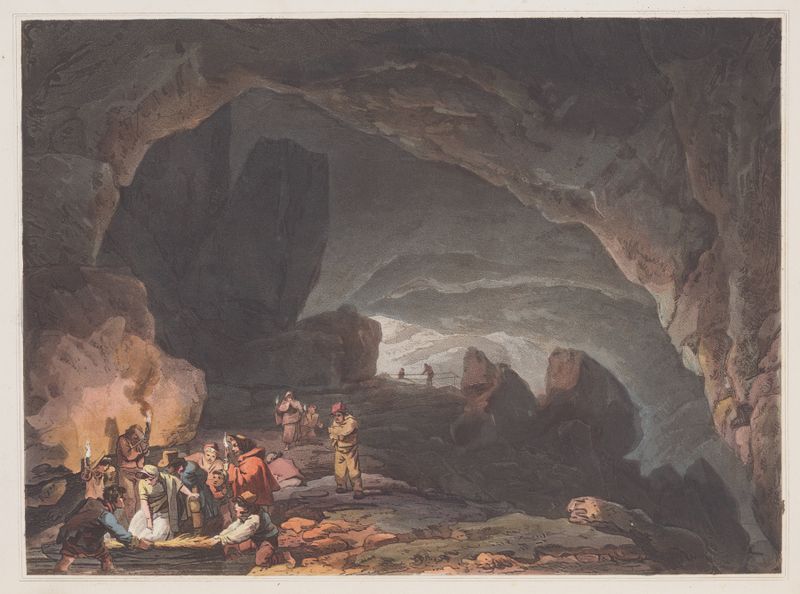
Peak’s Hole, Derbyshire
Philip James de Loutherbourg
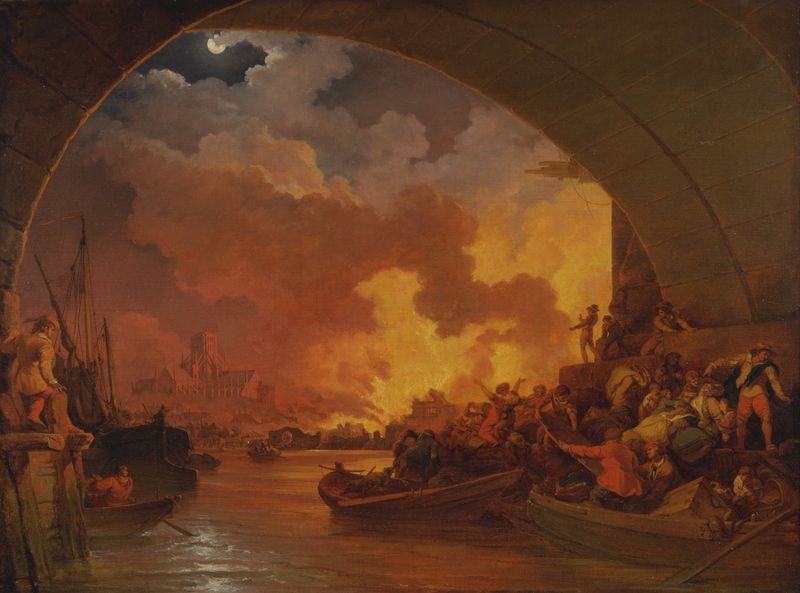
The Great Fire of London
Philip James de Loutherbourg





