
Winter Landscape — History & Facts
In the quietude of a winter landscape, shadows stretch languidly across the snow, urging the viewer to engage with the stillness of nature's cold embrace. Look to the foreground, where the snow glistens under a muted sky. The artist employs a delicate palette of whites, grays, and soft blues, creating a serene yet haunting atmosphere. Notice how the brushstrokes weave together to form a textured blanket, inviting your eyes to wander deeper into the undulating hills that recede into the distance.
The dark, imposing trees stand sentinel, their stark silhouettes contrasting with the purity of the snow, evoking both comfort and a sense of foreboding. Hidden within this serene scene are echoes of solitude and resilience. The shadows lurking beneath the trees suggest the weight of winter’s grasp, symbolizing not just the season, but the emotional burdens carried by humanity. The juxtaposition of light and dark conveys a tension between hope and despair—a reminder that even in the coldest of times, there exists a beauty that resonates deeply within the soul. During the years this landscape was painted, Courbet was immersed in the philosophical currents of realism, striving to depict life as it truly was.
Working in France during the mid-to-late 19th century, he challenged traditional artistic conventions, choosing to focus on the raw and unembellished aspects of existence. This piece was born in a time of great social and political upheaval, reflecting the artist’s commitment to authenticity in an era saturated with romantic idealism.
More Artworks by Gustave Courbet
Browse all →
Marine
Gustave Courbet
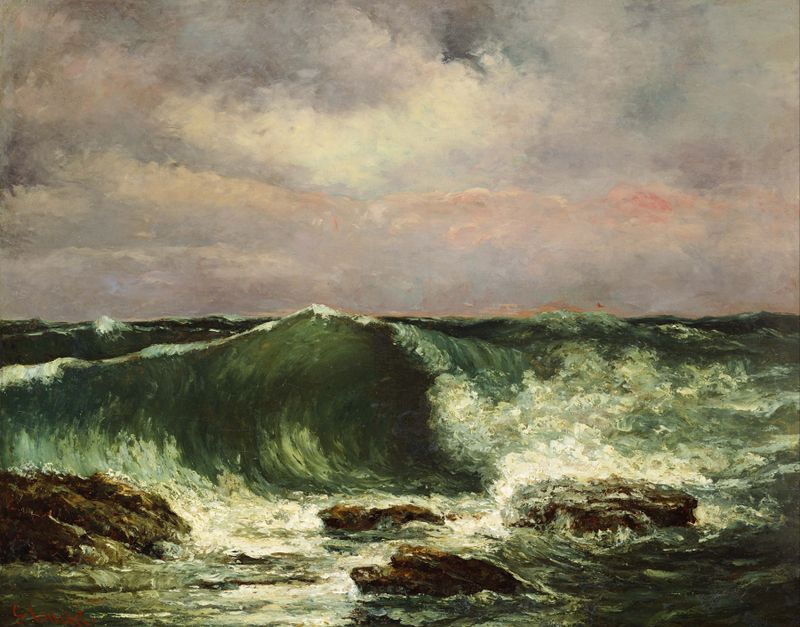
Waves
Gustave Courbet

Étretat; Les Falaises
Gustave Courbet
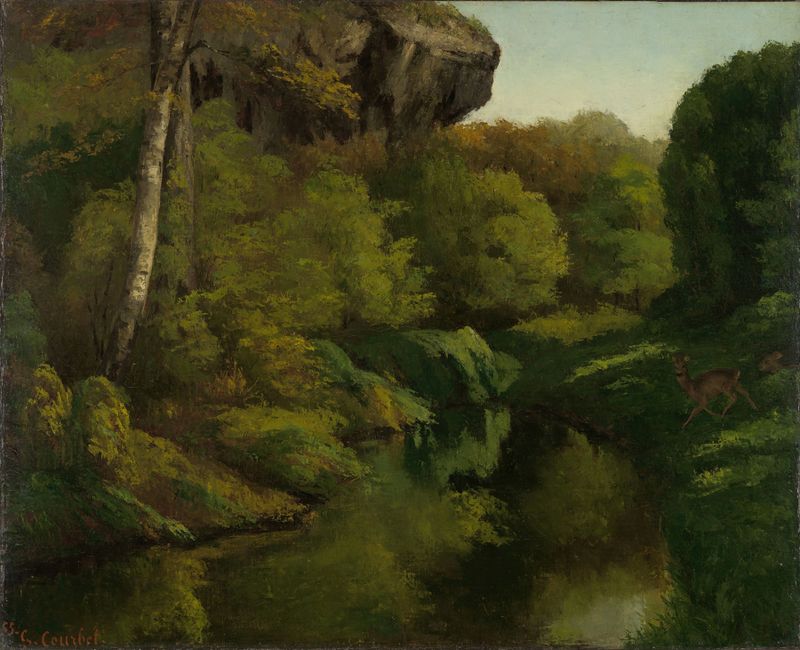
View in the Forest of Fontainebleau
Gustave Courbet
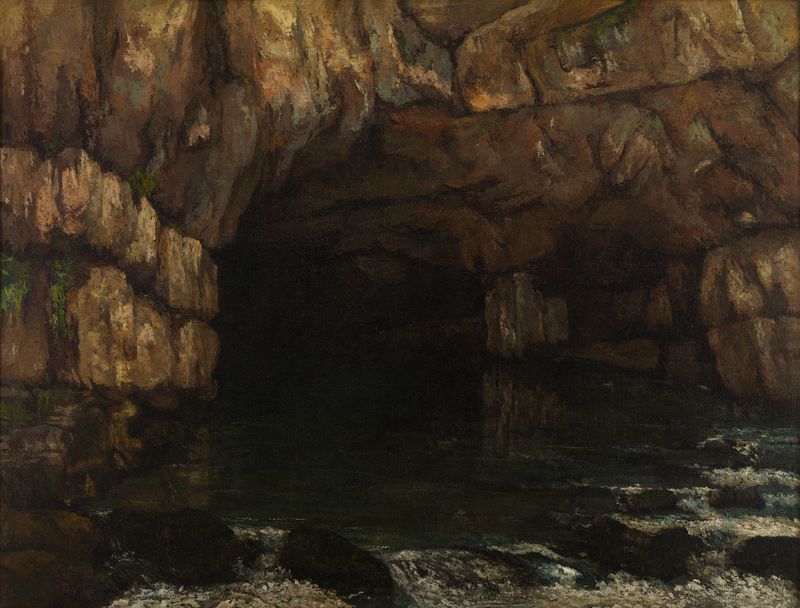
La source de la Loue (The Source of the Loue)
Gustave Courbet

Low Tide at Trouville
Gustave Courbet
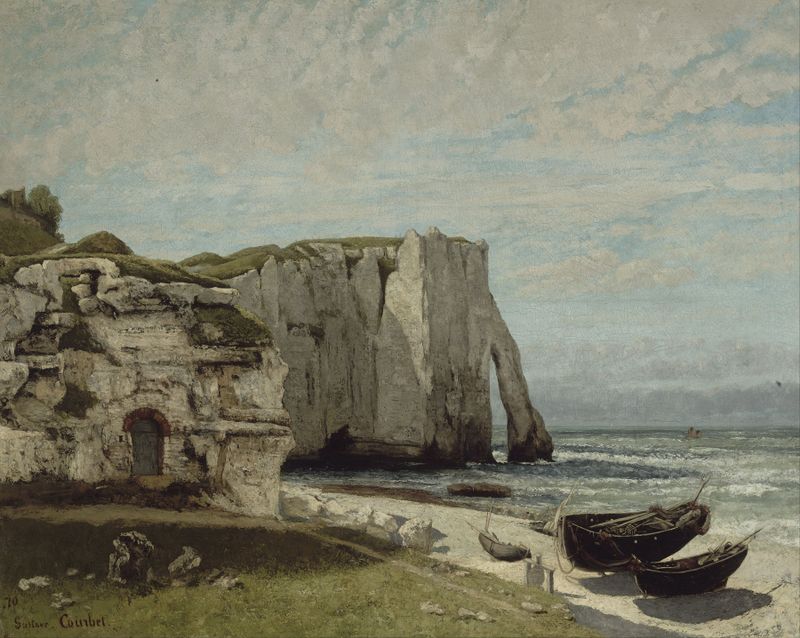
The Etretat Cliffs after the Storm
Gustave Courbet
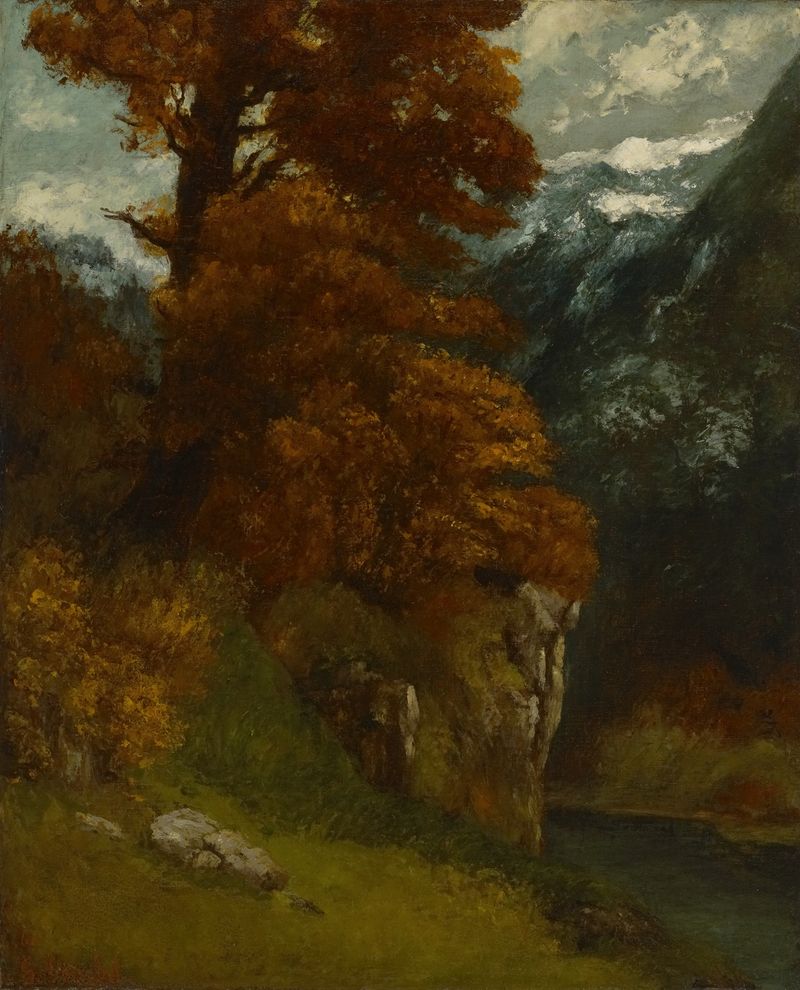
The Glen at Ornans (Bords du Doubs; Effet d’Automne)
Gustave Courbet
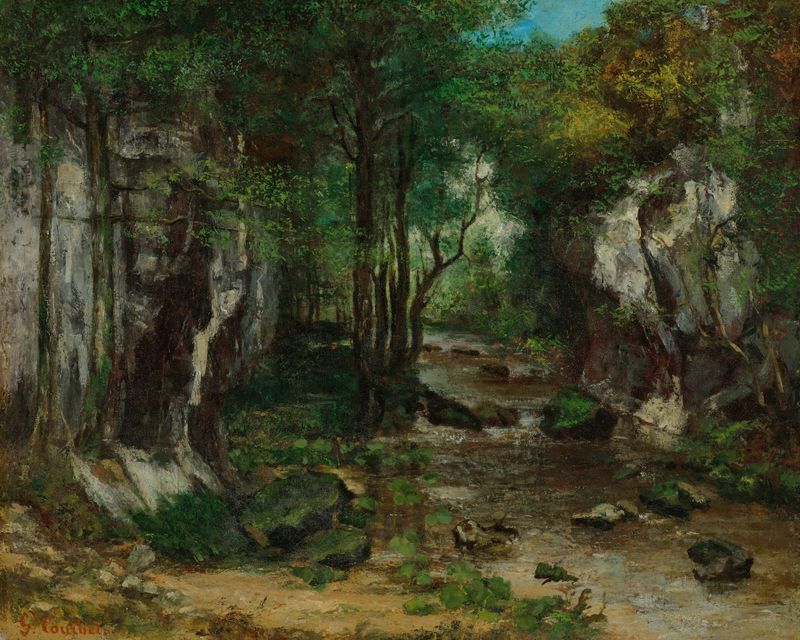
Le Ruisseau de Puits Noir
Gustave Courbet
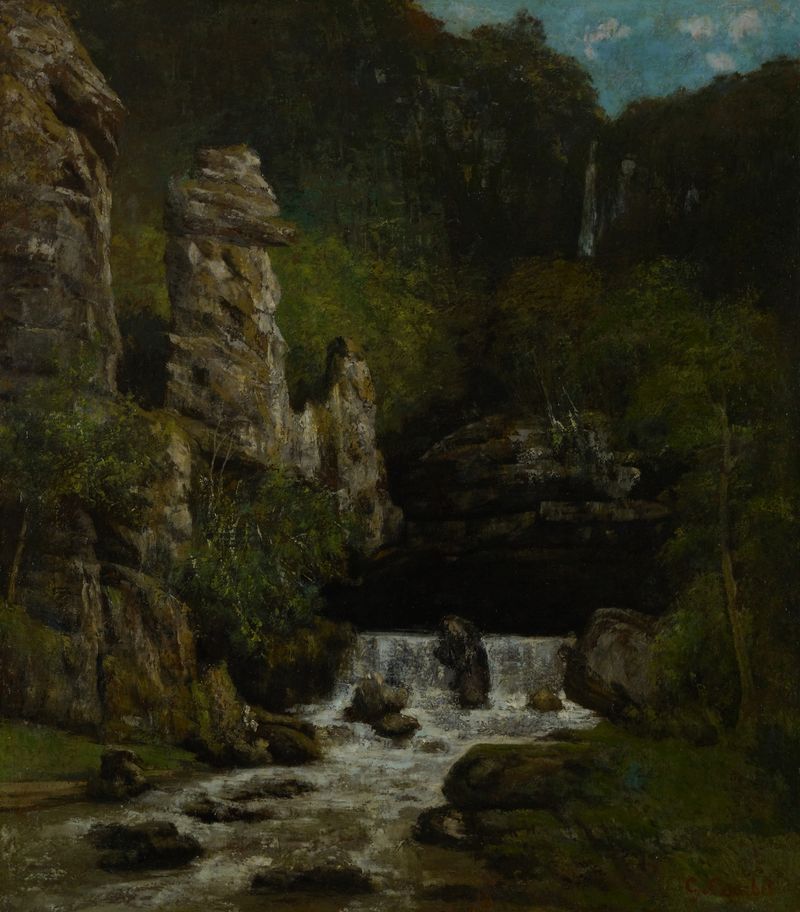
Landscape with a Waterfall
Gustave Courbet





