Winter landscape — History & Analysis
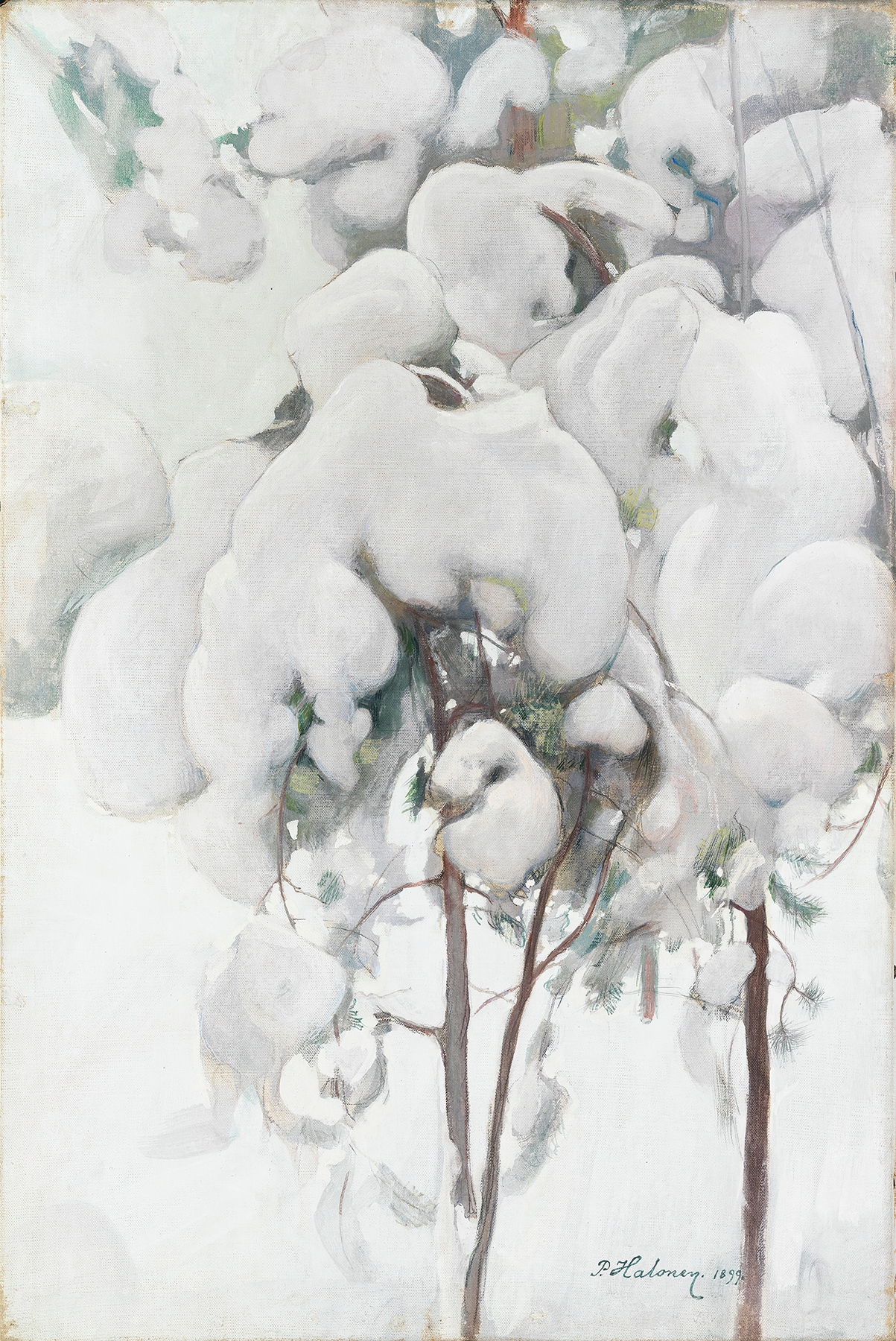
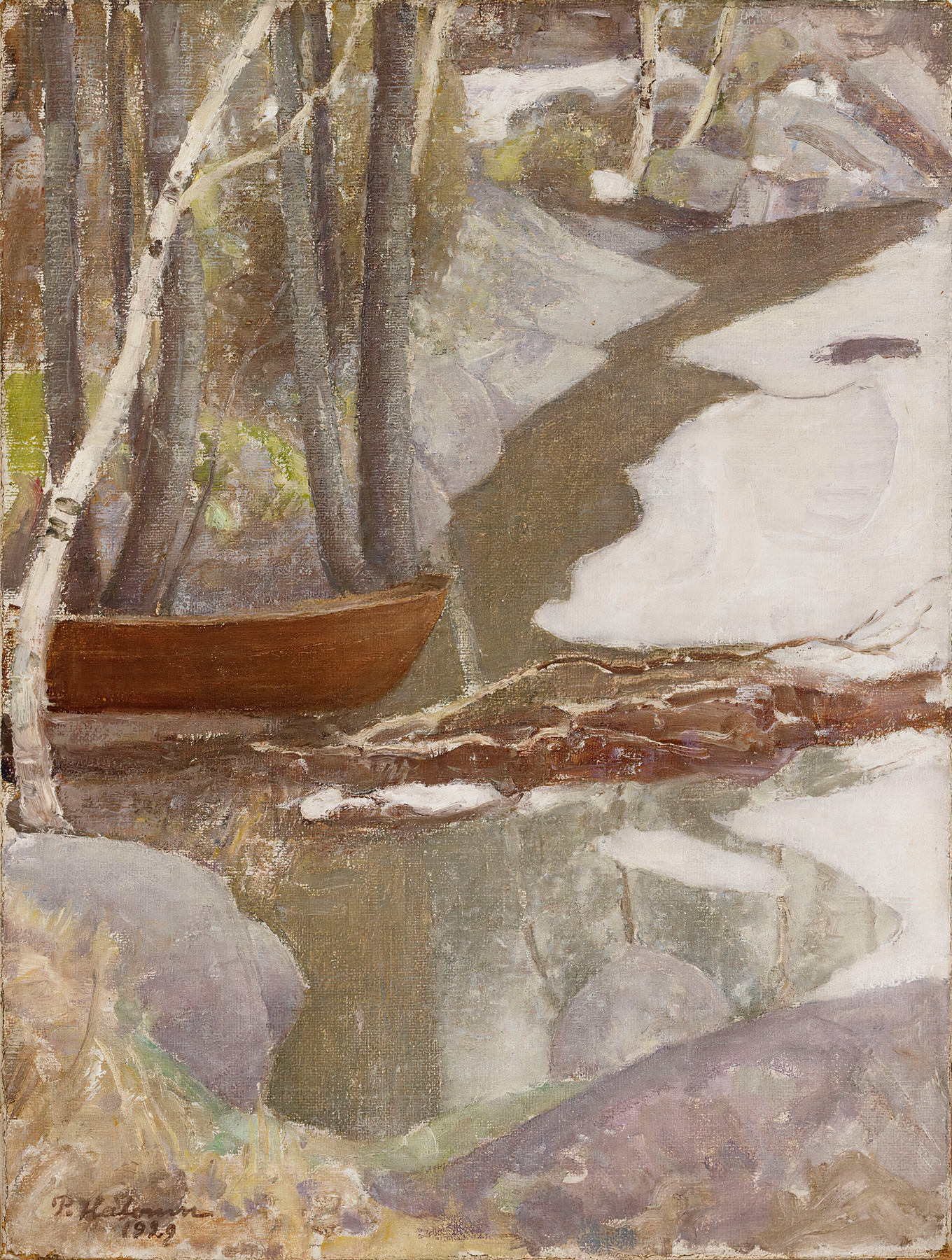
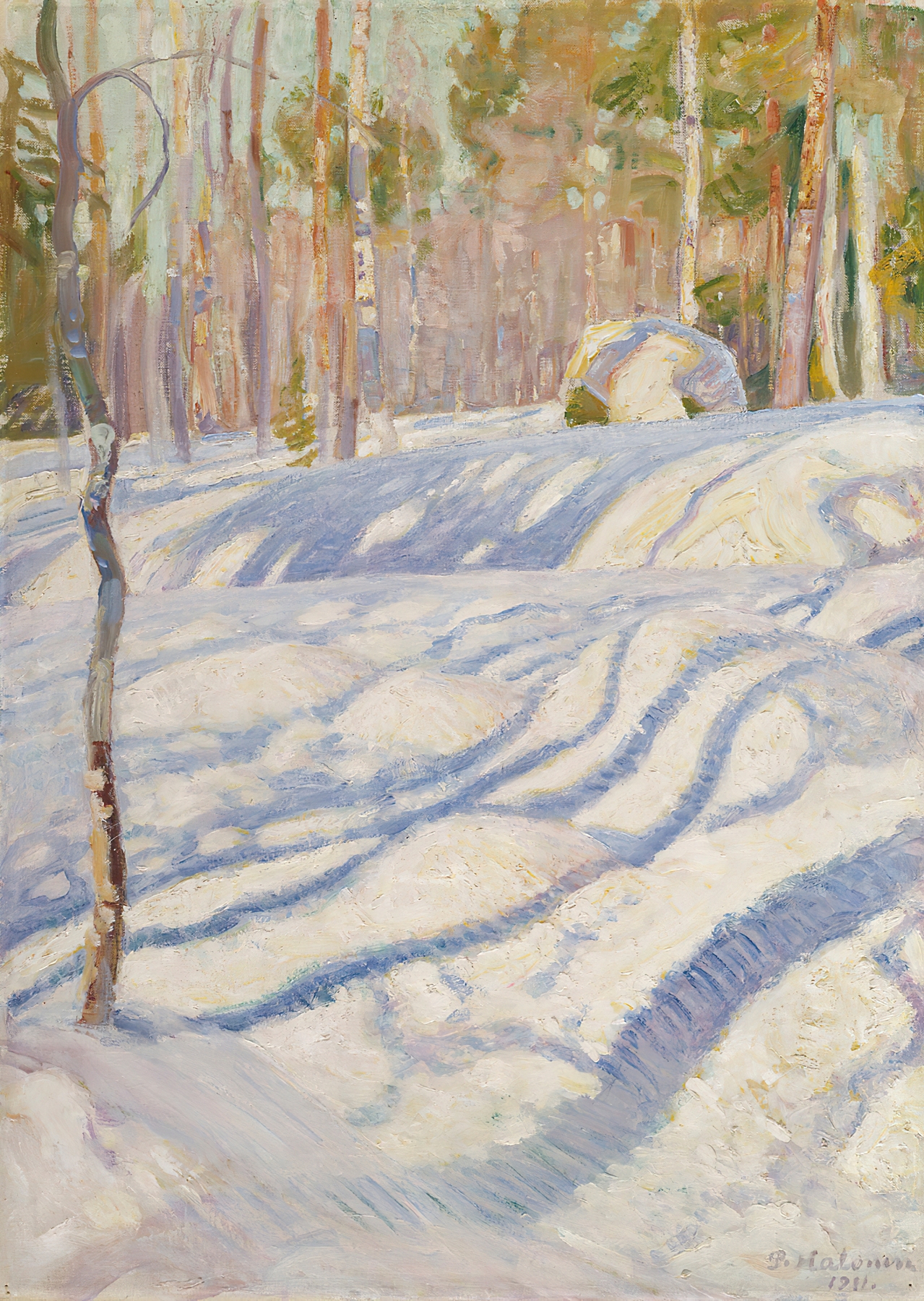
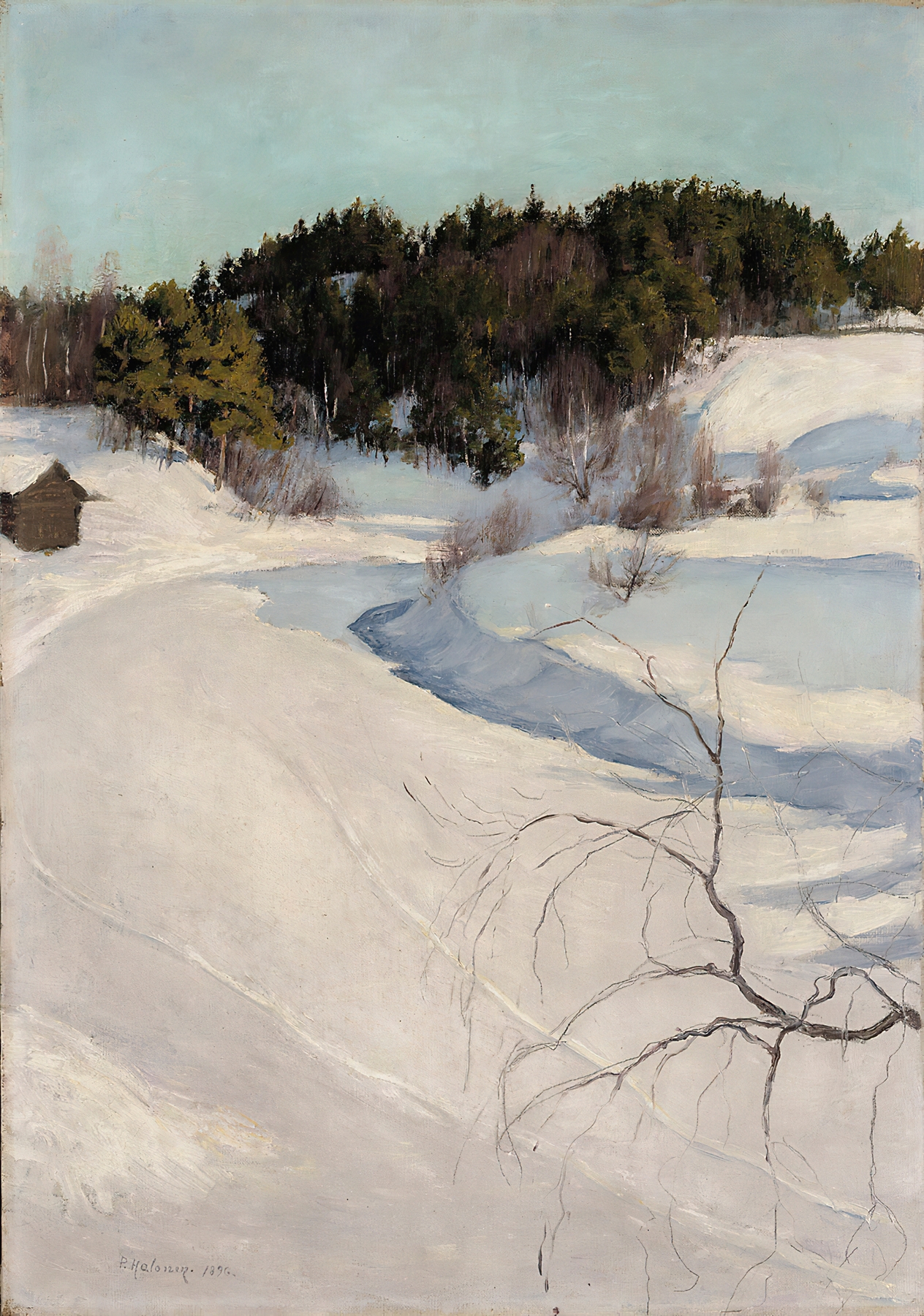
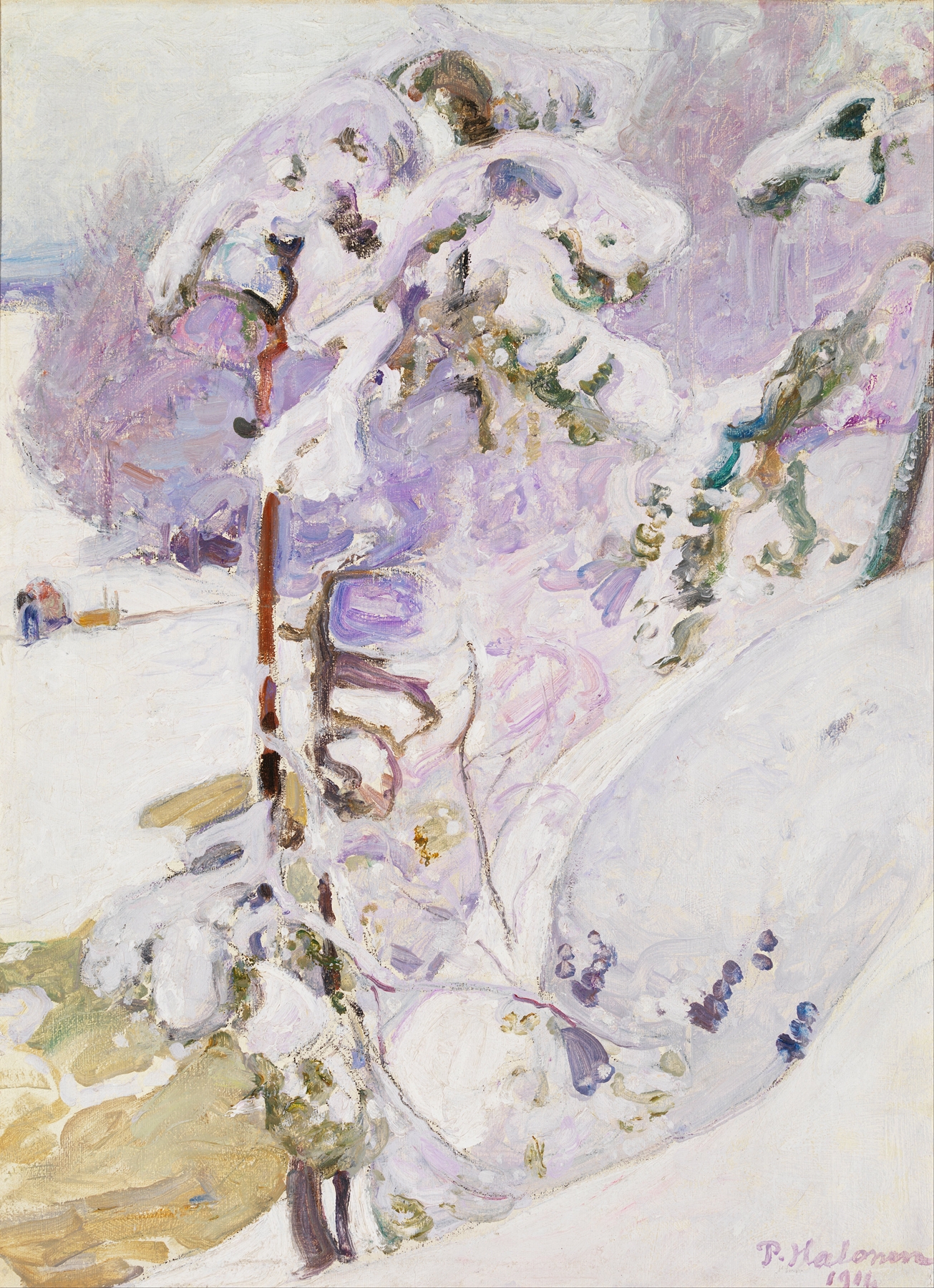
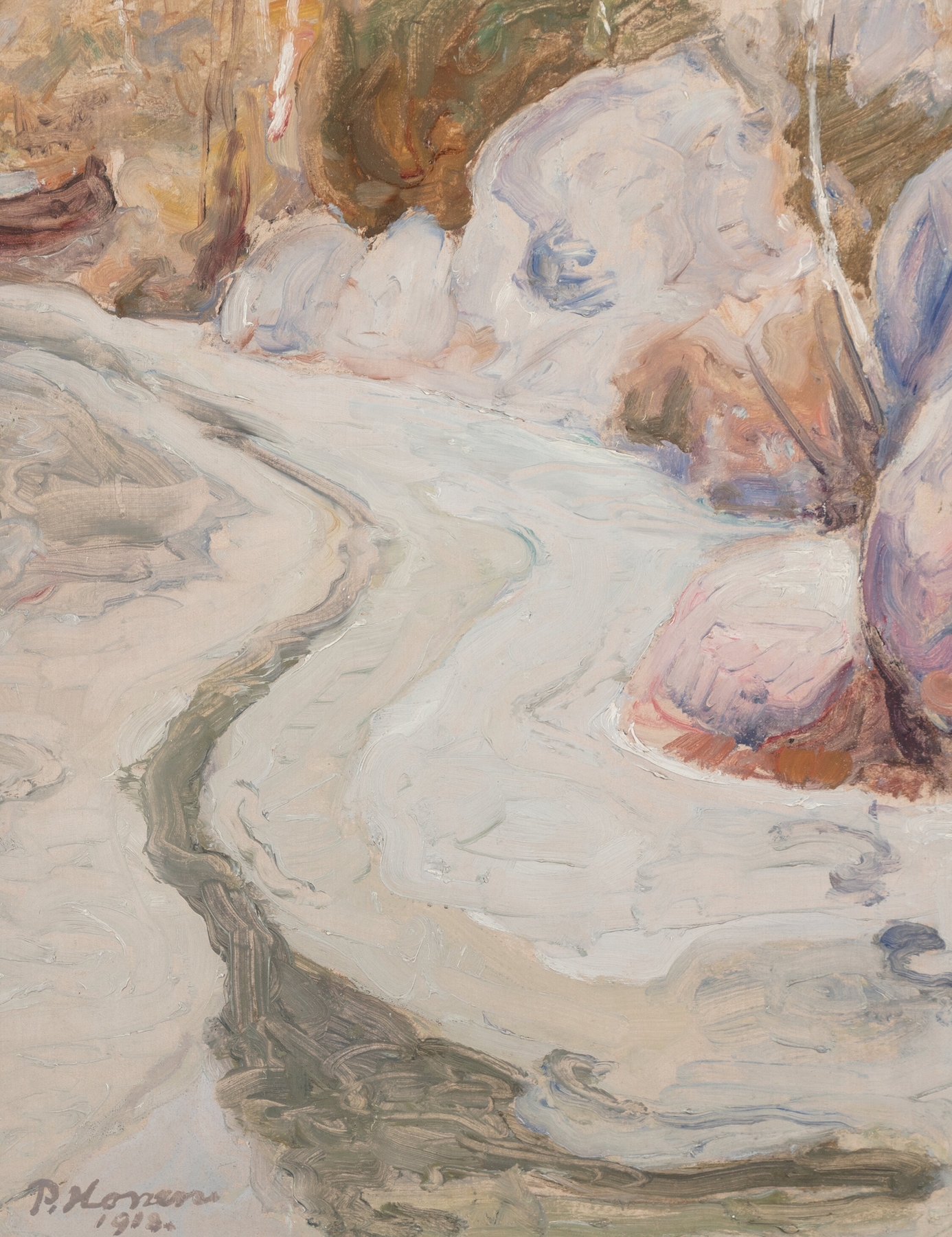
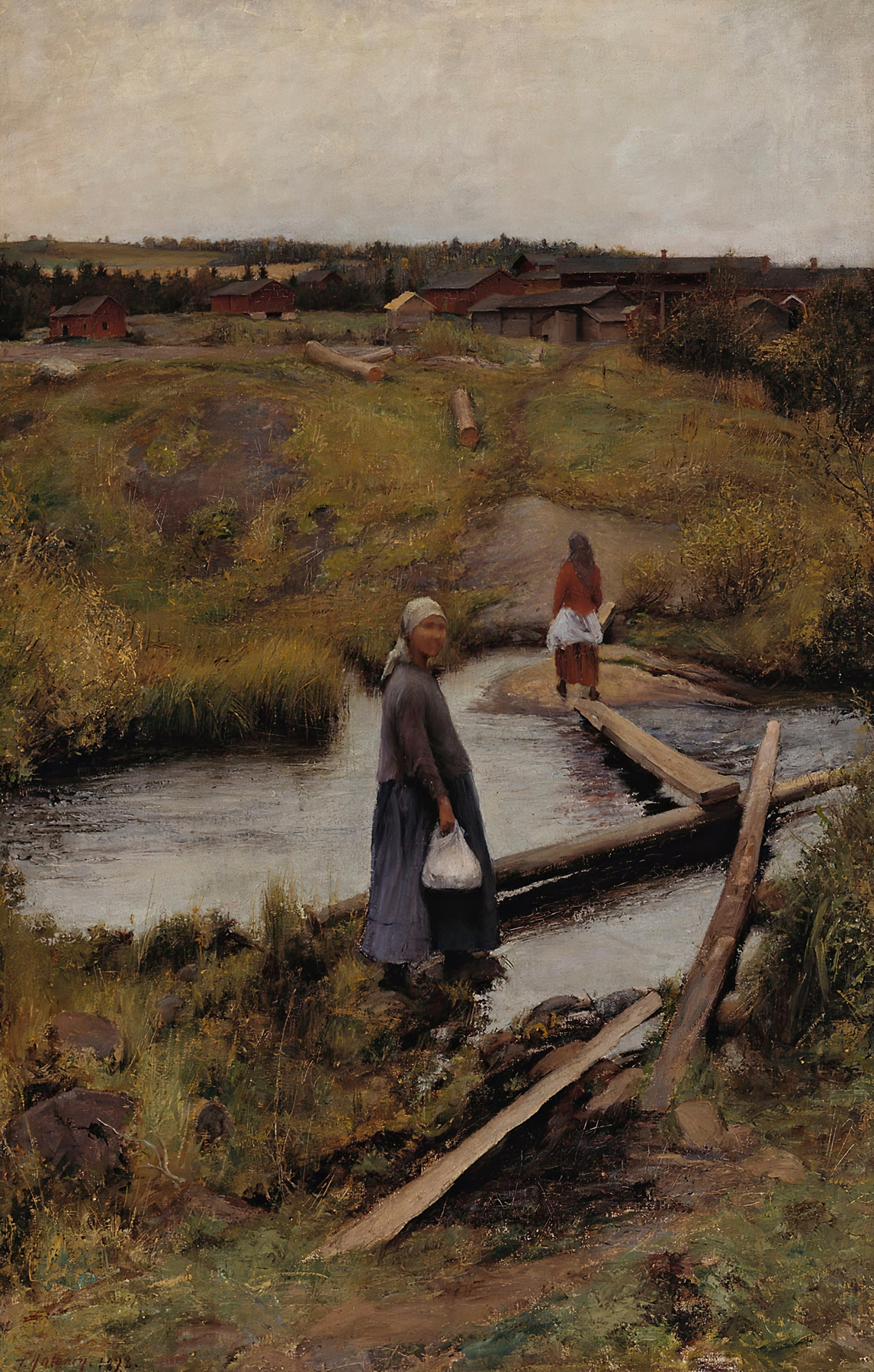
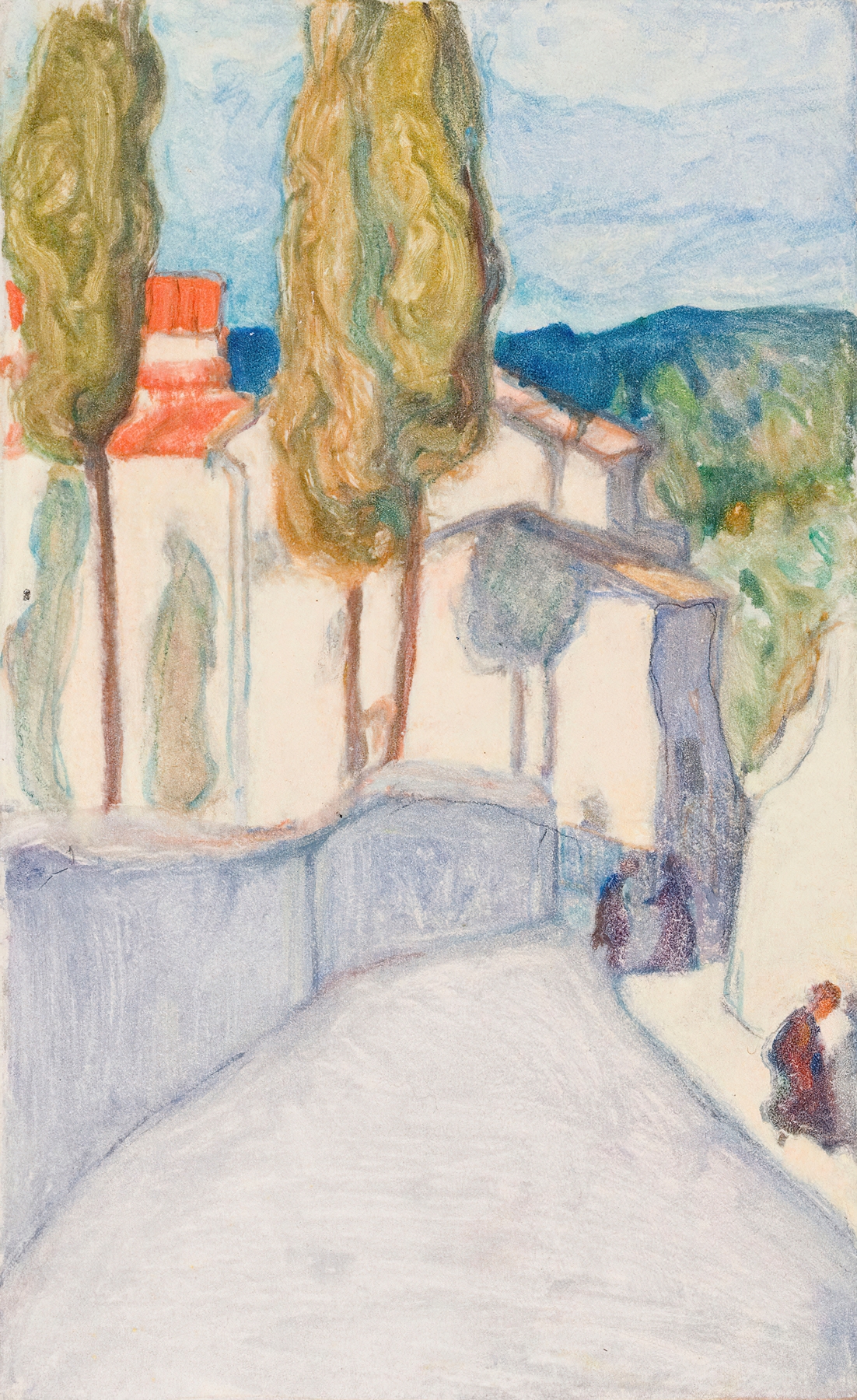
Could a single brushstroke hold eternity? In the silence of a winter landscape, layers of snow whisper untold secrets, and shadows dance in the fading light, hinting at an unseen betrayal of warmth and color. Look to the foreground, where the snow blankets the ground like a soft, white shroud. The delicate strokes depict the way light glistens on the surface, creating a sparkling effect that draws the eye.
Notice how the cool blues and whites blend seamlessly, invoking a sense of calm yet hinting at the chill that grips the air. In the distance, a cluster of trees stands resolute against the horizon, their dark forms contrasting sharply with the ethereal landscape, suggesting isolation amidst the tranquil beauty. Delve deeper into the emotional terrain: the starkness of the trees symbolizes resilience, yet their shadowy presence hints at loneliness and a betrayal of the warmth that once enveloped the earth. The luminous snow could represent innocence lost, while the encroaching darkness evokes the fear of the unknown.
This duality enriches the canvas, inviting a contemplation of the delicate balance between beauty and sorrow. Pekka Halonen painted this piece in 1922, during a time when he was deeply entrenched in exploring Finnish national identity through art. Living in Finland, he embraced the natural landscapes that surrounded him, often reflecting the emotional and cultural zeitgeist of a post-war society. The beauty of nature and the human experience intertwine in his works, offering viewers a glimpse into the complexities of life in a changing world.