
Winter landscape with skaters — History & Facts
A sky swollen with clouds presses low over a frozen river, yet the mood on the ice is anything but heavy. Every patch of the surface is alive with activity: a horse pulls a sled laden with warmly bundled figures, children kneel to fasten their skates, and knots of townsfolk gather in conversation or glide across the glassy expanse. The great brick building on the right anchors the scene, its battered walls and leafless tree hinting at winter’s grip, but the real story is the transformation of daily life—how the freeze turns a thoroughfare into a communal playground.
Storck’s brushwork draws the eye from the dense, earthy reds of the architecture out toward the pale, bustling horizon, where windmills and distant figures dissolve into the cold light. Painted between 1666 and 1708, Winter landscape with skaters belongs to a cherished tradition of Dutch winter scenes, a genre that flourished in the seventeenth century as artists captured the rare spectacle of rivers and canals frozen solid. Such paintings were prized by the prosperous burghers of the Dutch Republic, who saw in them a celebration of both nature’s caprice and the resilience of their communities. Abraham Storck, better known for his marine views, here turns his attention to the frozen world inland, offering a vivid glimpse of how winter reshaped both landscape and society.
The work now resides in the collection of the Kunsthalle Karlsruhe, a testament to the enduring fascination these scenes hold—inviting us, centuries later, to step onto the ice and join the crowd.
More Artworks by Abraham Storck

The Muscovite legation visiting Amsterdam, 29 August 1697
Abraham Storck
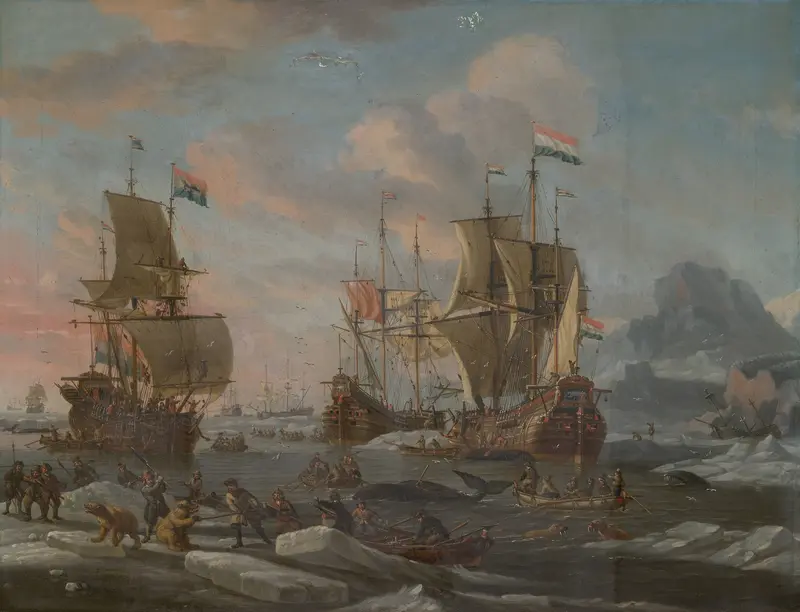
The Dutch Whaling Fleet
Abraham Storck
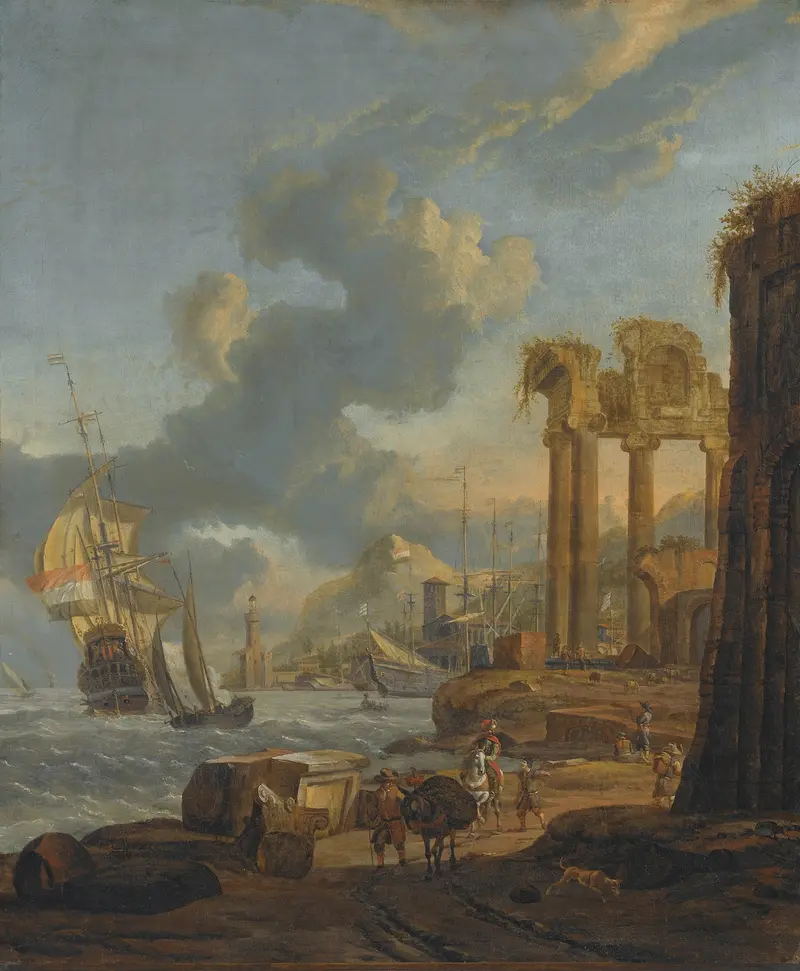
A Mediterranean Harbour Scene With Travellers On The Shore, A Dutch Man-Of-War On The Left
Abraham Storck
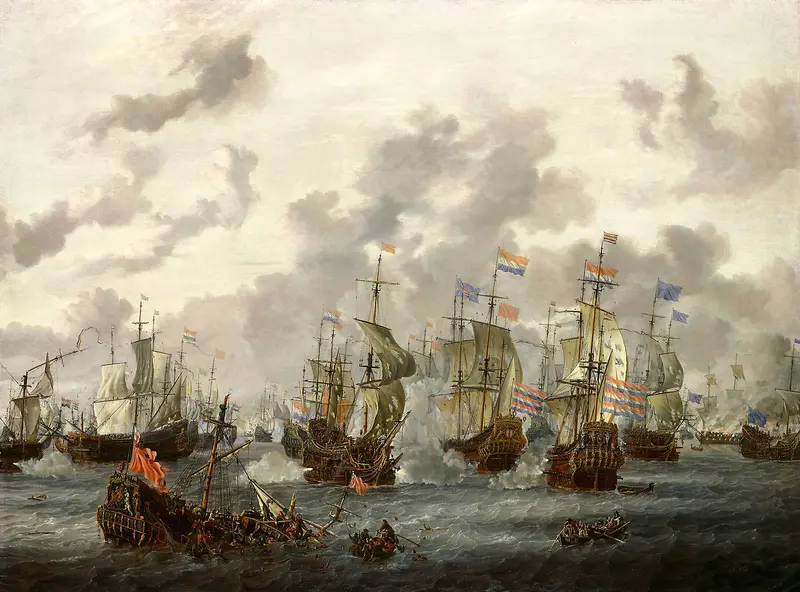
The Four Days’ Battle
Abraham Storck
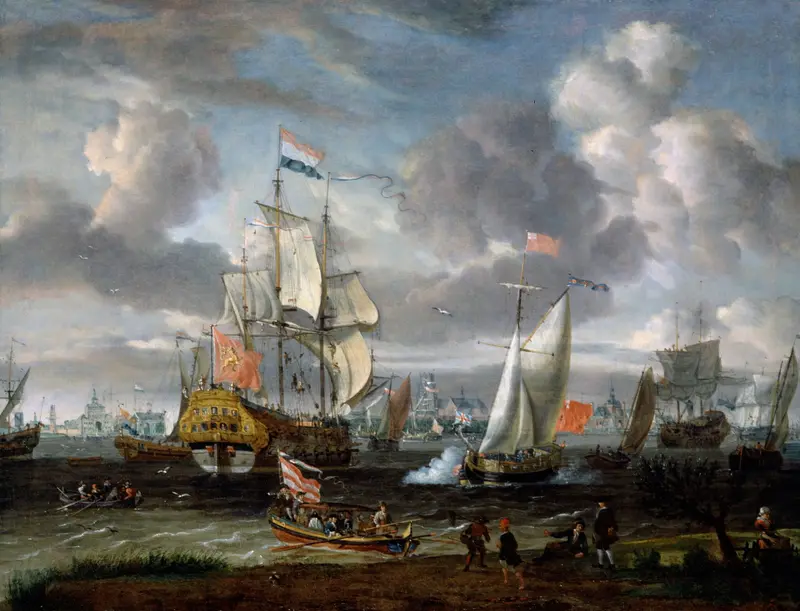
An English Yacht saluting a Dutch Man-of-War in the port of Rotterdam
Abraham Storck
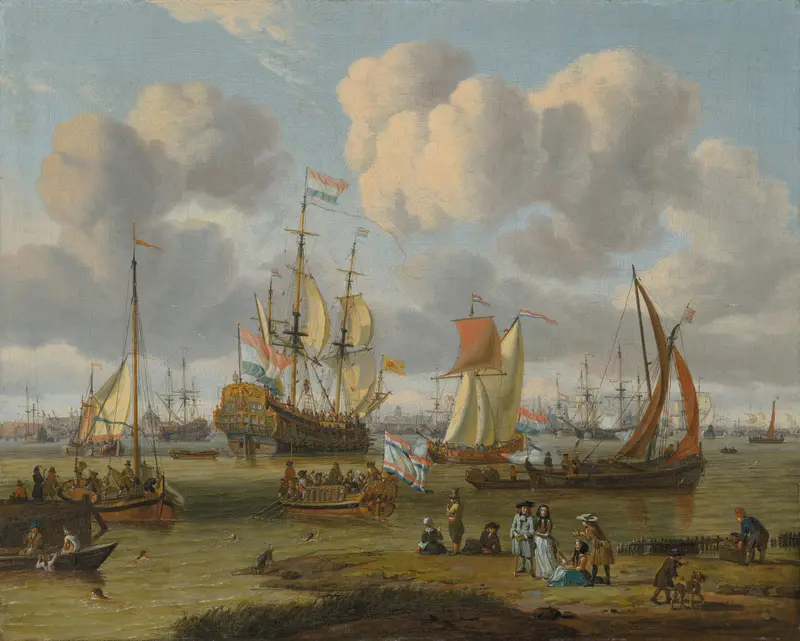
Shipping off Amsterdam with figures on a quay
Abraham Storck
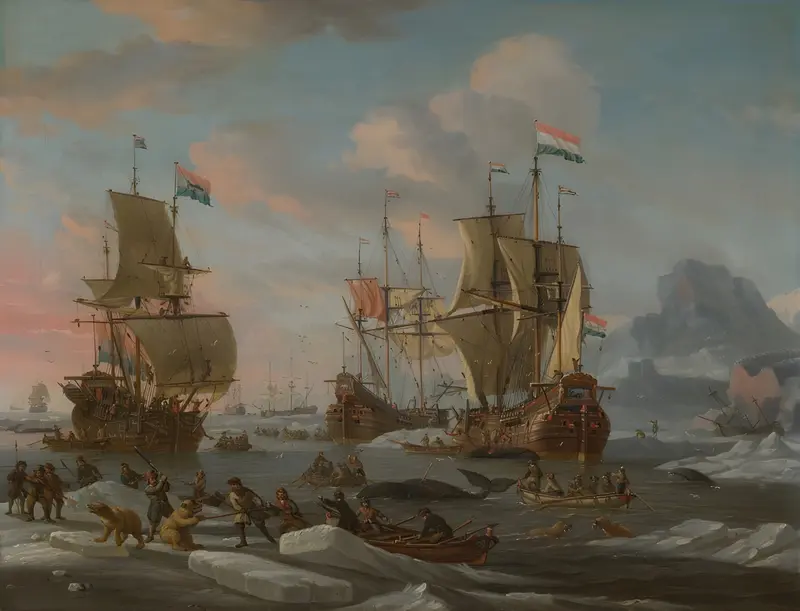
The Dutch Whaling Fleet
Abraham Storck
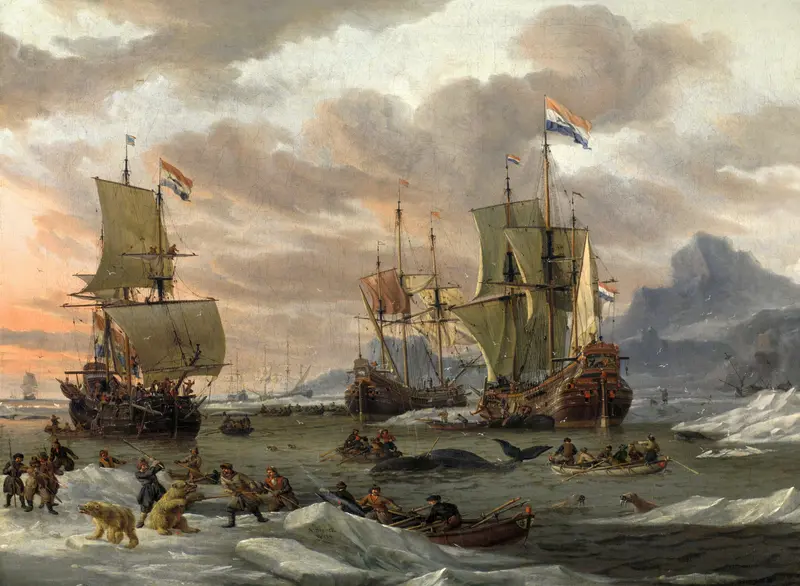
Whaling Grounds in the Arctic Ocean
Abraham Storck
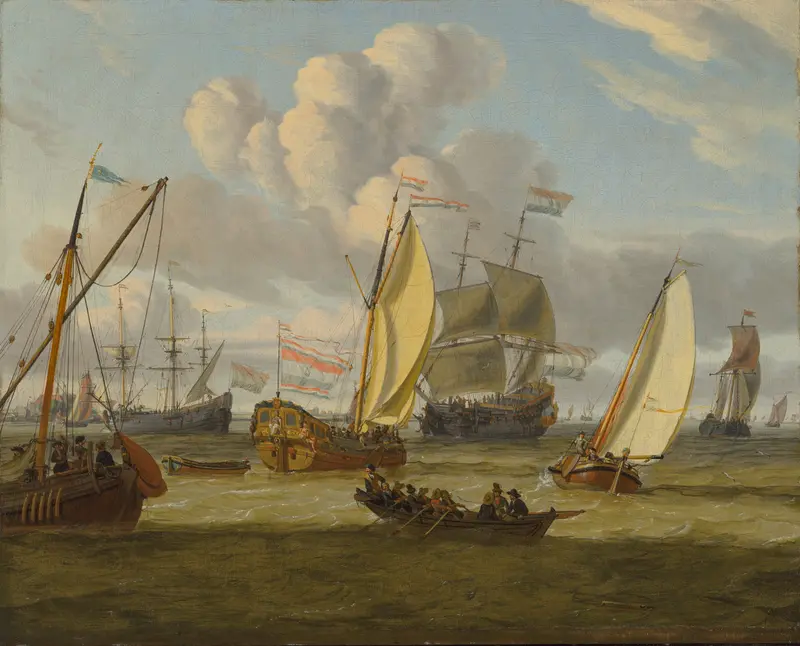
Shipping in an estuary
Abraham Storck
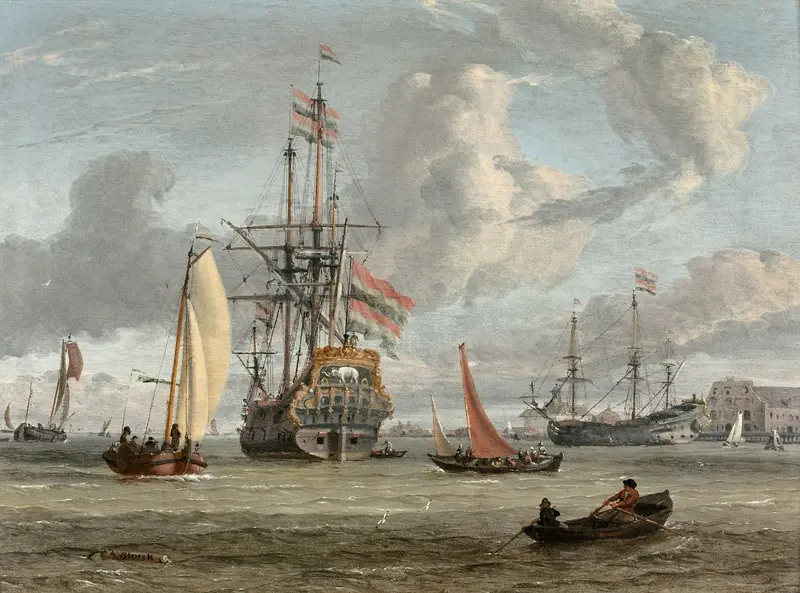
Grand navire de la couronne du Danemark près d’un littoral
Abraham Storck
More Landscape Art

The Starry Night
Vincent van Gogh

View of Delft
Johannes Vermeer

Water Lilies
Claude Monet

The Grand Canal, Venice, looking north-west from the Ca' Corner to the Ca' Contarini degli Scrigni, with the campanile of Santa Maria della Carità
Canaletto

Windsor Castle
Canaletto

The Grand Canal looking North-East from the Palazzo Dolfin-Manin to the Rialto Bridge
Canaletto