
Winter Night on the Quay — History & Facts
What if silence could speak through light? In Winter Night on the Quay, the hushed beauty of a snowy night reveals not only the charm of a tranquil scene but also the profound revelations that can emerge from stillness. Focus on the serene glow that emanates from the street lamps, their warm yellow light contrasting sharply against the cool blues and grays of the snow-covered quay. Notice how the shadows stretch and dance across the icy surface, guiding your gaze towards the quiet figures silhouetted in the background. Jansson’s masterful brushwork captures the texture of the snow, while the soft blending of colors evokes a palpable chill that lingers in the air, inviting contemplation. Beneath the calm exterior lies a poignant juxtaposition of solitude and serenity.
The figures, mere whispers in the landscape, seem lost in their own thoughts, suggesting a depth of experience often overlooked in the hustle of daily life. The starkness of winter amplifies these emotions, reminding us that moments of introspection can be as revealing as the brightest days. Here, light becomes a defiant symbol of warmth amidst the cold, revealing truths that are often hidden in the depths of silence. Jansson painted this scene in 1901, a time when he was deeply engaged with the emerging Symbolist movement in Sweden.
The city of Stockholm, blanketed in snow, served as both muse and canvas, reflecting his personal struggles and the broader shifts in the art world. This period marked a transition where artists began to explore the emotional resonance of color and light, paving the way for modern interpretations of reality.
More Artworks by Eugène Jansson
Browse all →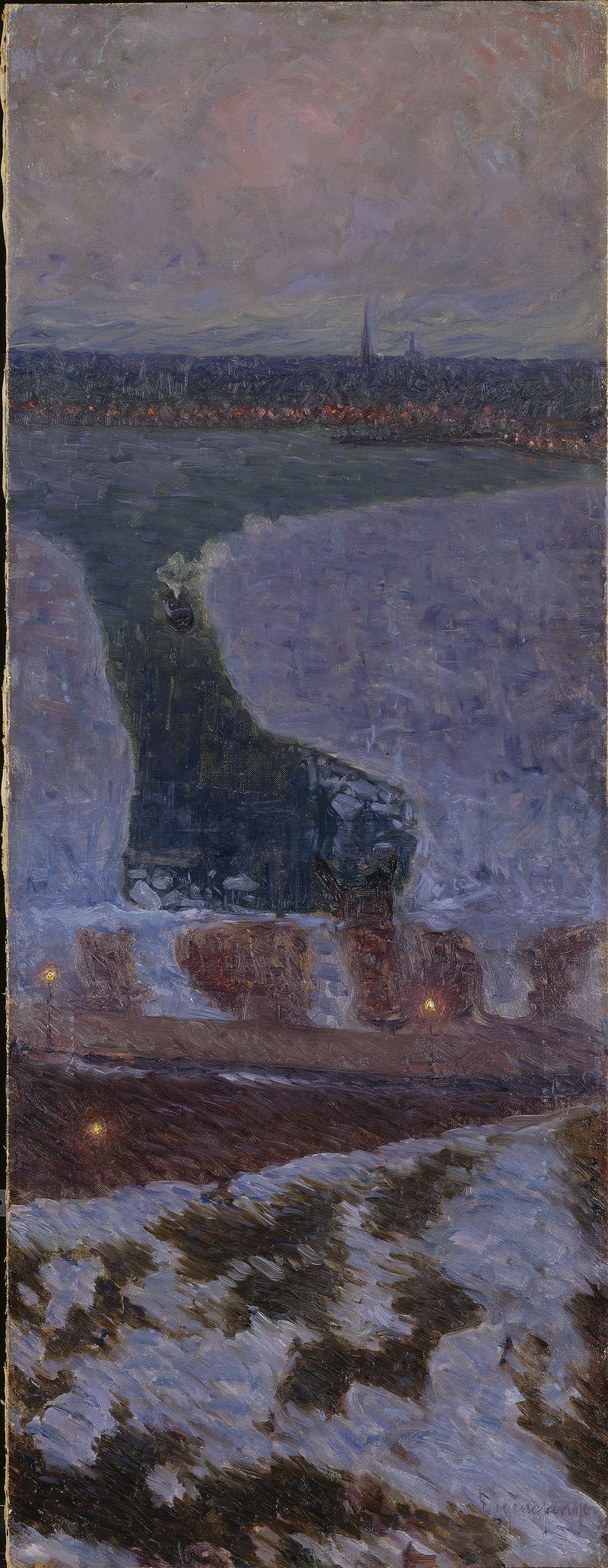
Riddarfjärden. A Stockholm
Eugène Jansson
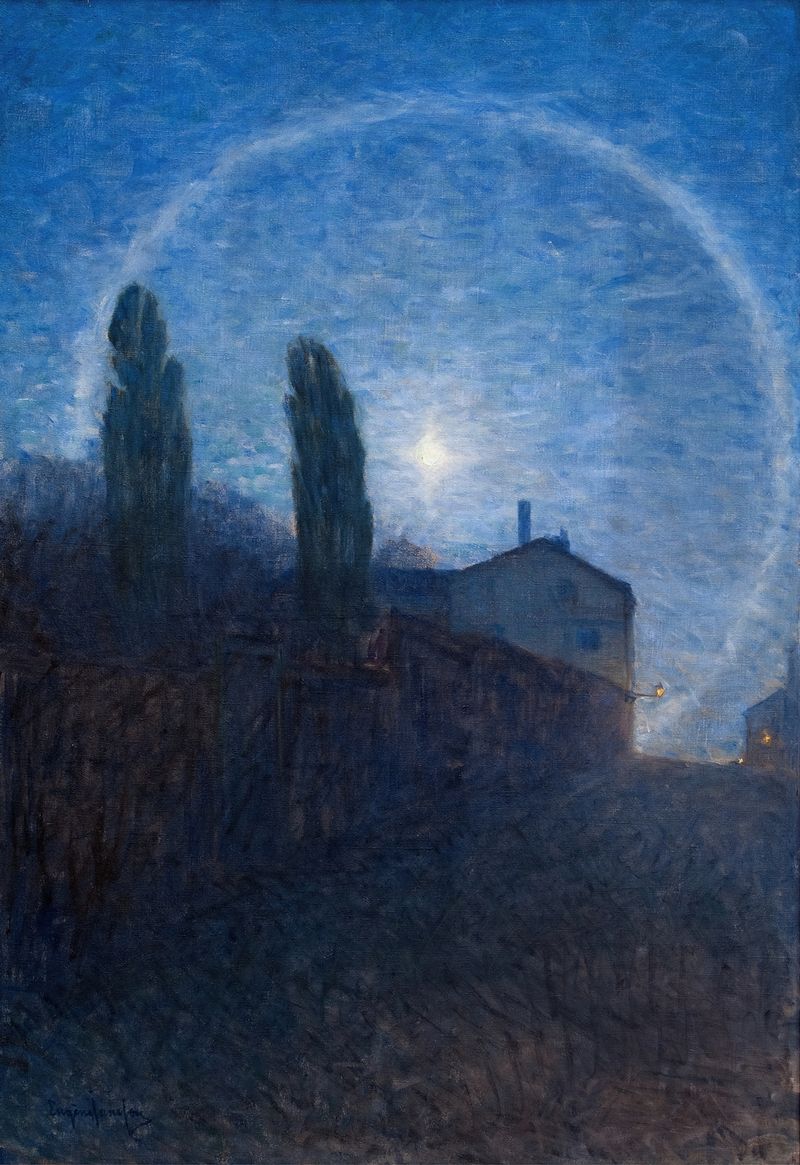
Lunar Halo
Eugène Jansson
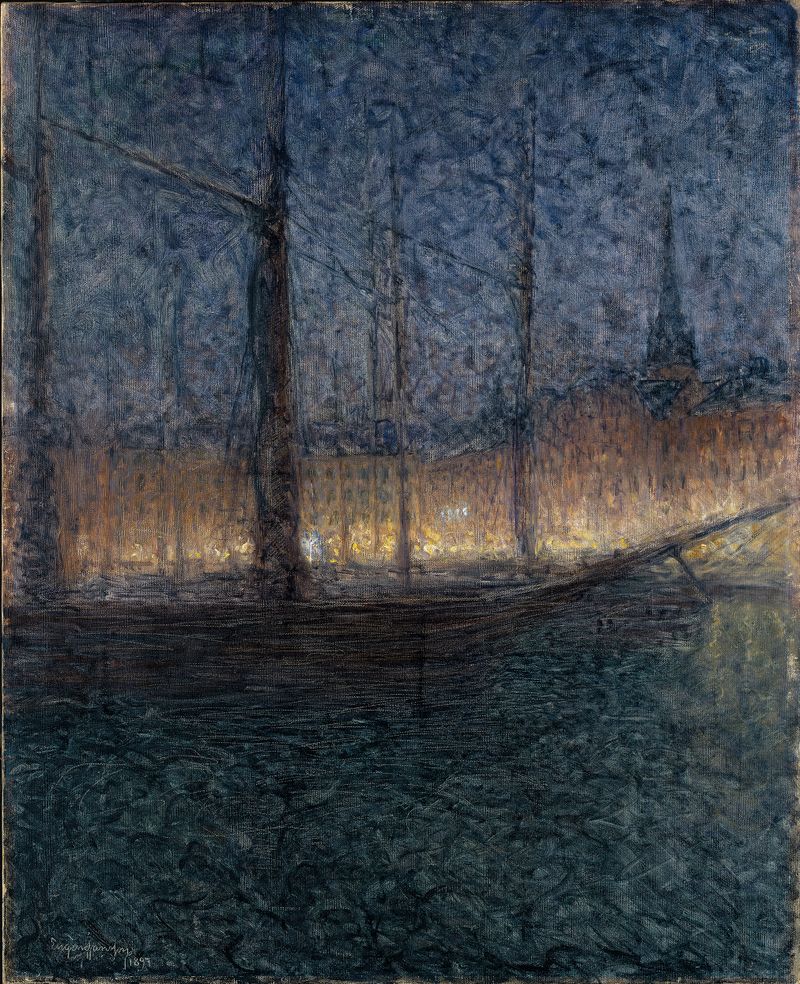
Evening in Kornhamnstorg, Stockholm
Eugène Jansson
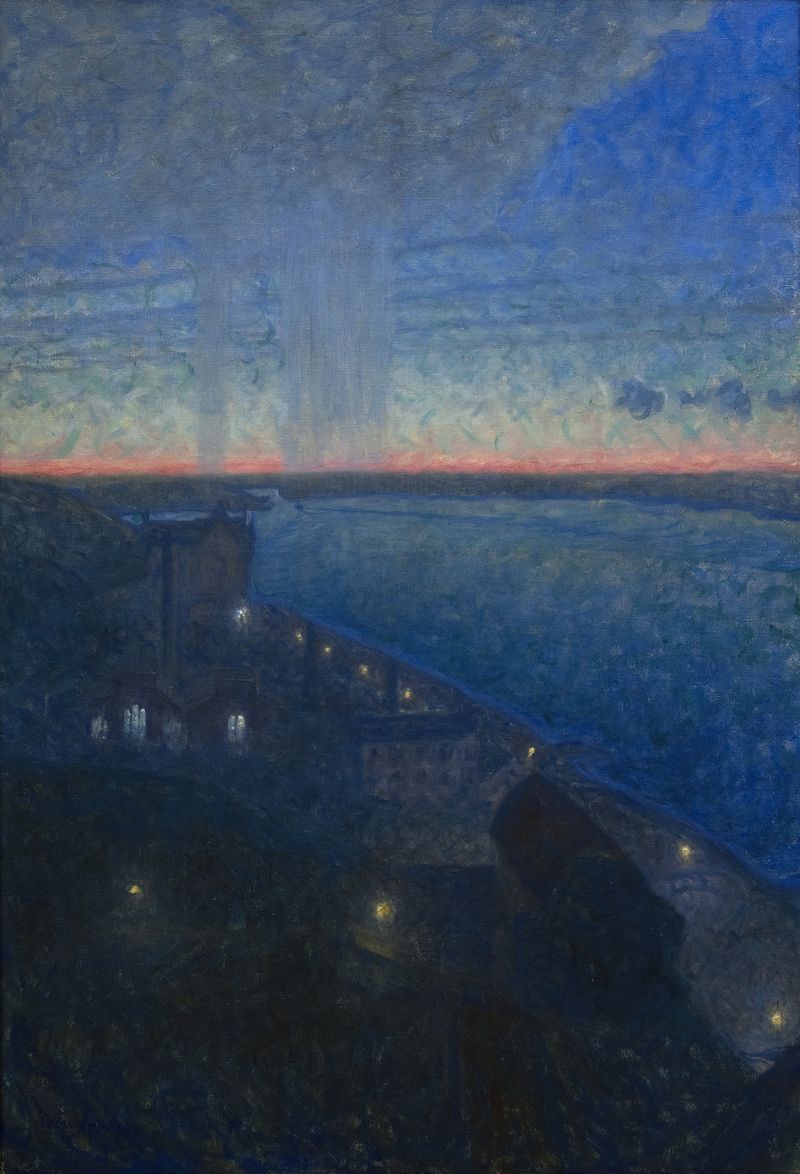
Söder Mälarstrand
Eugène Jansson
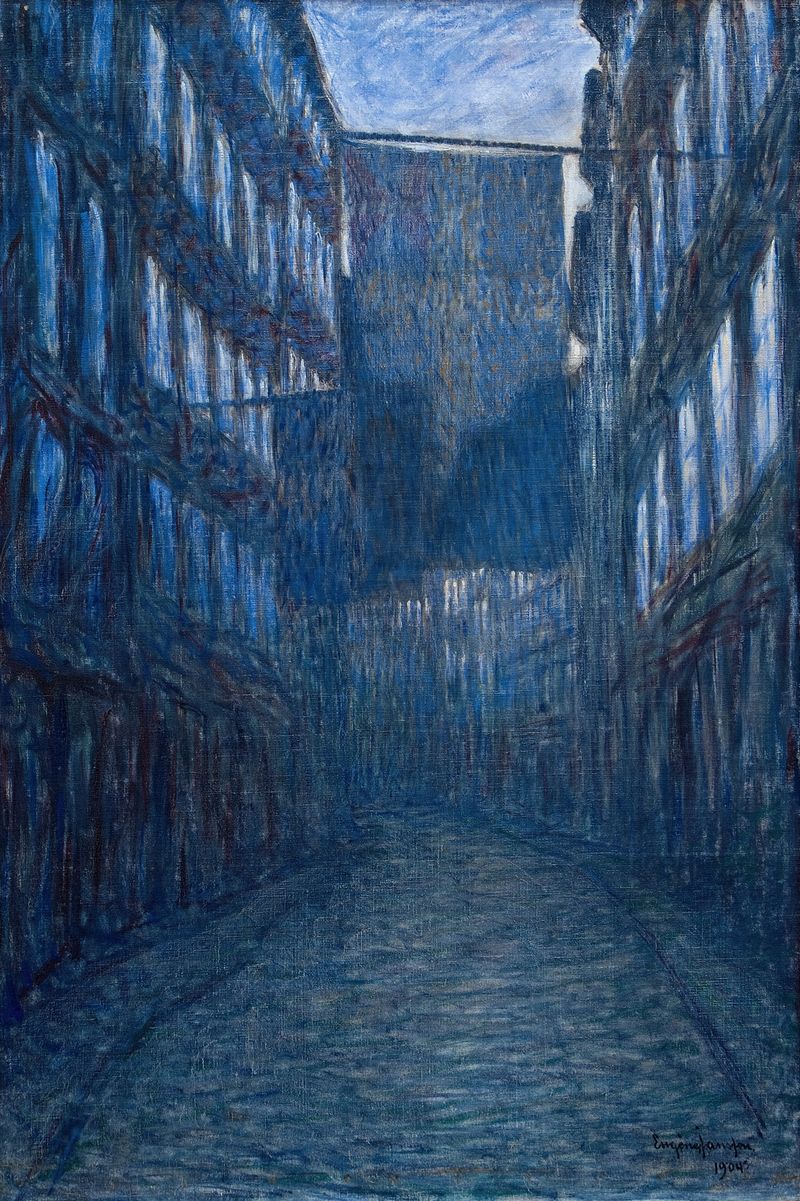
Österlånggatan
Eugène Jansson
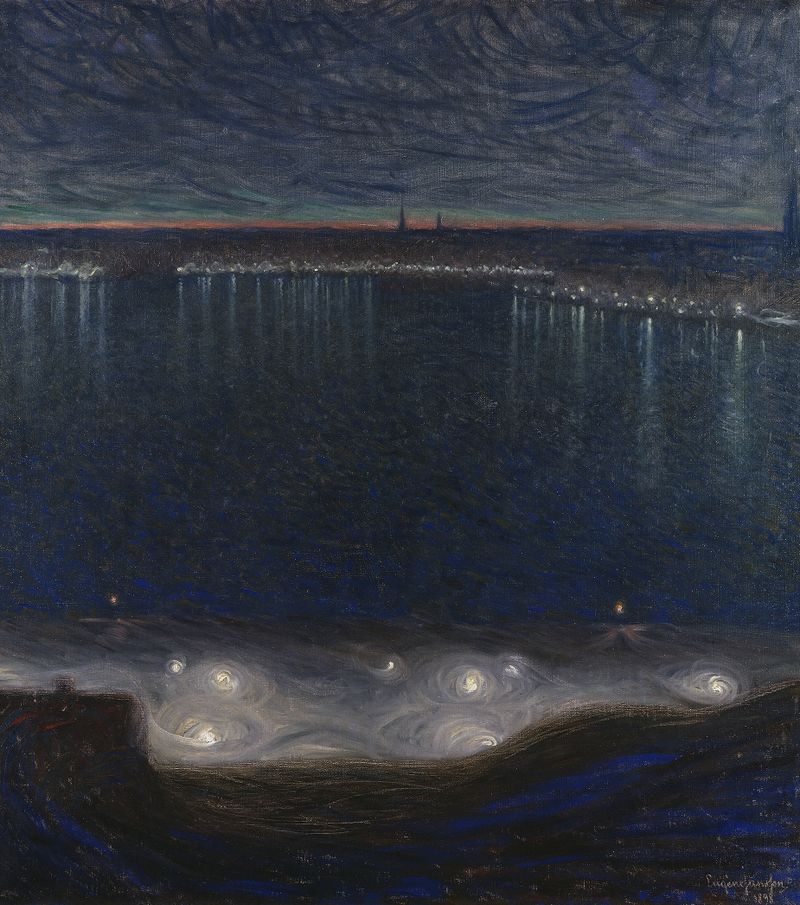
Riddarfjärden, Stockholm
Eugène Jansson
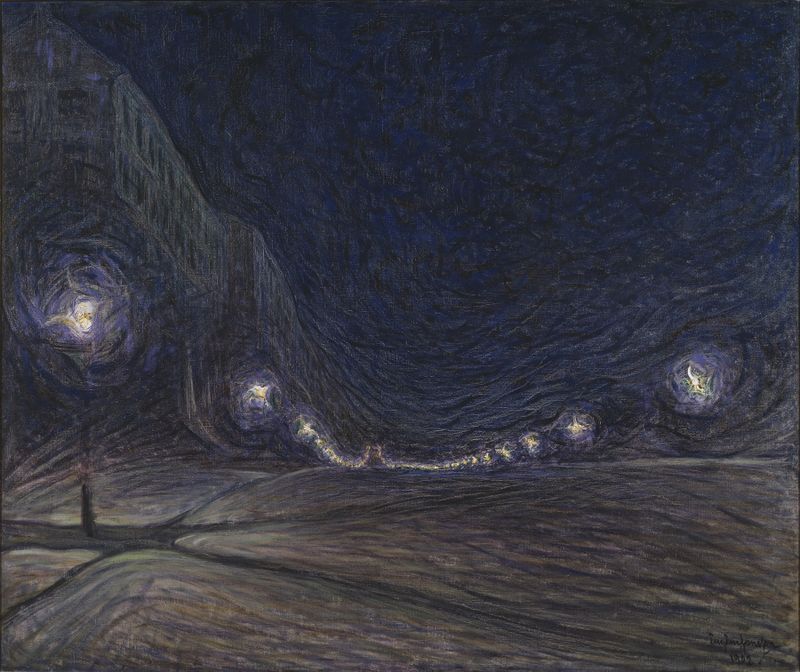
Hornsgatan by Night
Eugène Jansson
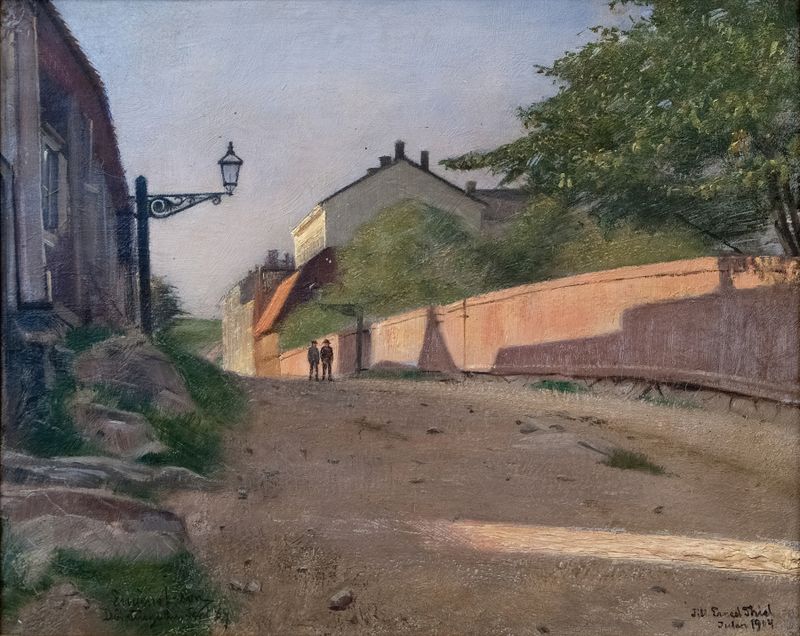
Döbelnsgatan
Eugène Jansson
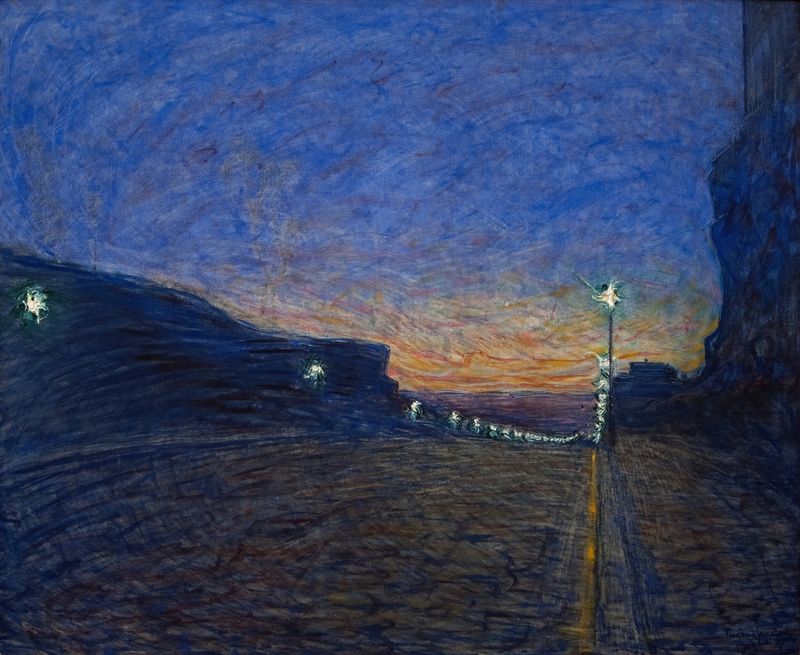
Hornsgatan
Eugène Jansson
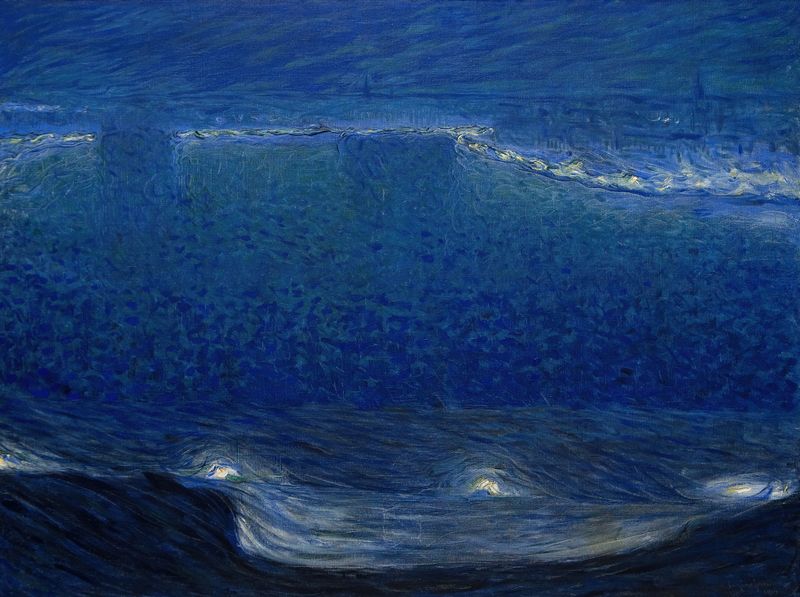
Nocturne
Eugène Jansson





