
Winter Scene — History & Facts
Each stroke captures the fleeting moments of nature’s quiet transformation, evoking the fragility of existence through a symphony of light and shadow. Look to the left, where the icy landscape unfolds beneath a pale sky. The subtle blend of whites and blues creates a serene yet stark atmosphere, while the dark silhouettes of trees frame the scene, drawing your eye inward. Notice how the soft brushwork contrasts with the sharper edges of the figures clad in heavy coats, their postures hinting at both weariness and resilience against the frigid air. In this work, the juxtaposition of the cold environment and the warm glow of human presence speaks to the struggle between man and nature.
The figures, though isolated in their winter garb, seem connected, sharing an unspoken bond as they navigate the harsh landscape. Each element, from the swirling snowflakes to the textured ground, whispers of a deeper narrative: the endurance of life amidst the bleakness of winter. In the mid-1780s, Goya was living in Spain, facing both personal and political turmoil. Winter Scene emerged during a time of artistic transition, as the Romantic movement began to influence the traditional styles of the past.
The artist, known for his innovative approach, was slowly distancing himself from the Rococo influence, seeking to express the emotional nuances of the human experience amidst the changing world around him.
More Artworks by Francisco de Goya
Browse all →
The Third of May 1808
Francisco de Goya

De slaap van de rede brengt monsters voort
Francisco de Goya

The Charge of the Mamelukes (1814)
Francisco de Goya
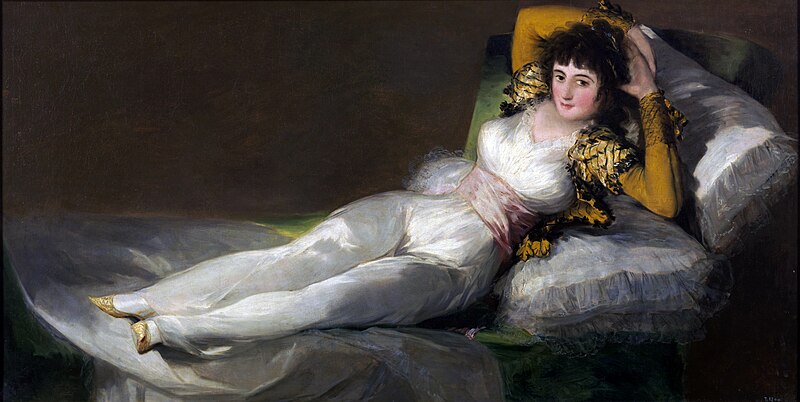
La maja vestida
Francisco de Goya

La maja desnuda
Francisco de Goya
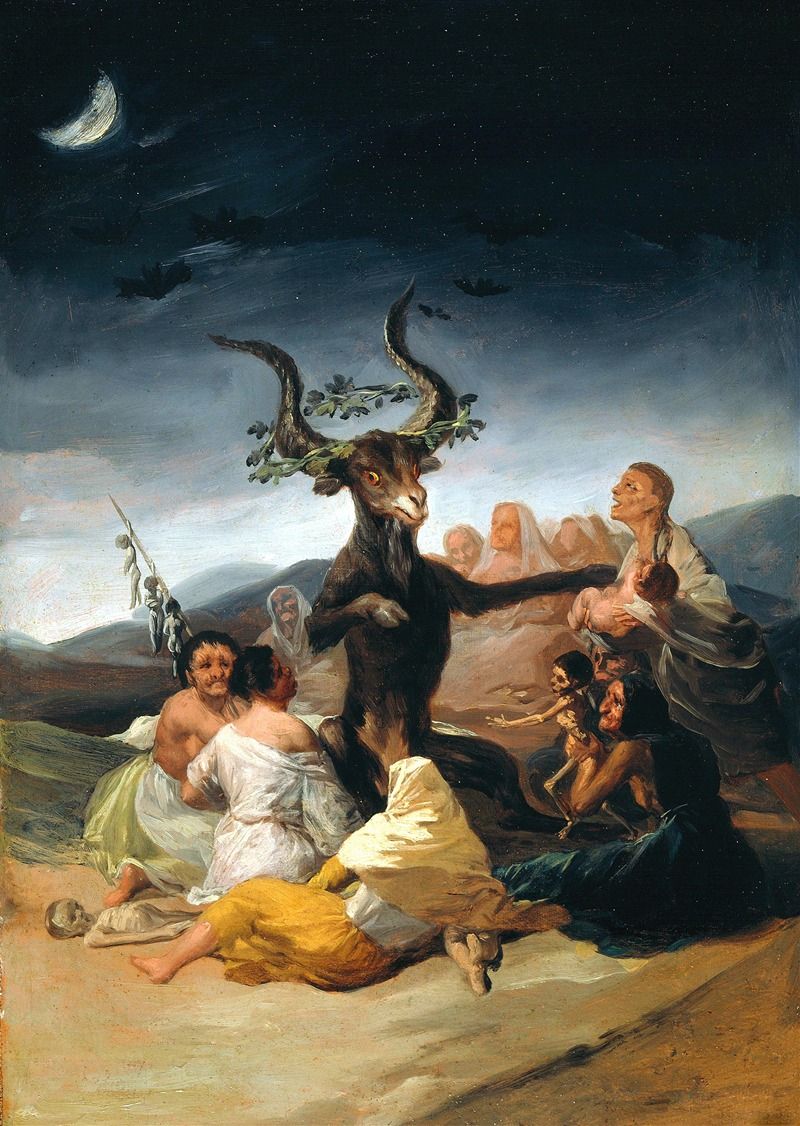
The Sabbath of witches
Francisco de Goya
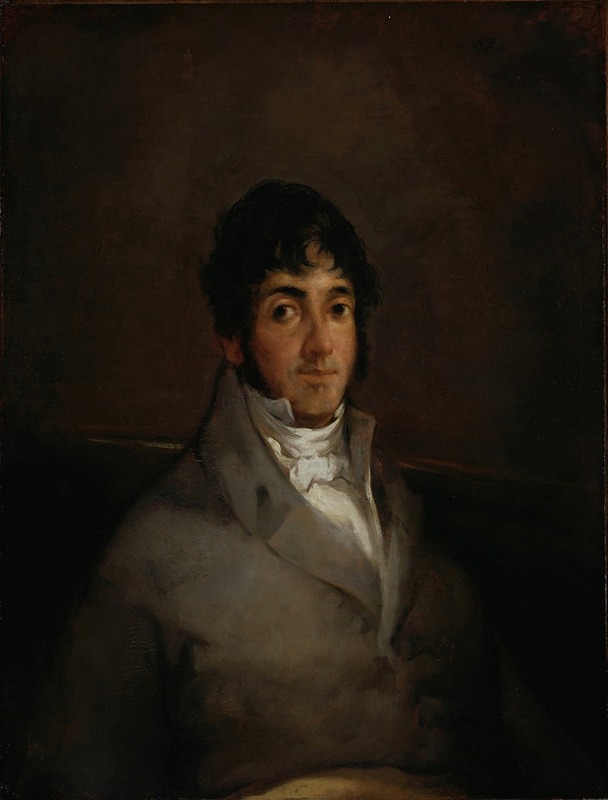
Portrait of Isidoro Maiquez
Francisco de Goya
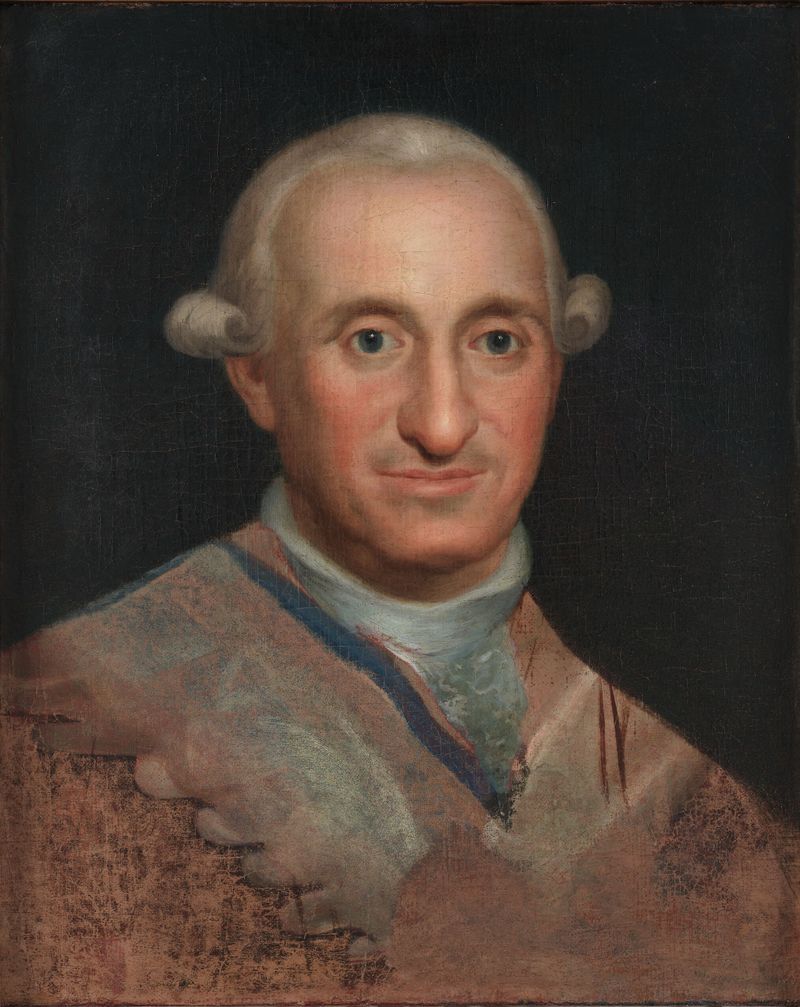
Charles IV, King of Spain
Francisco de Goya
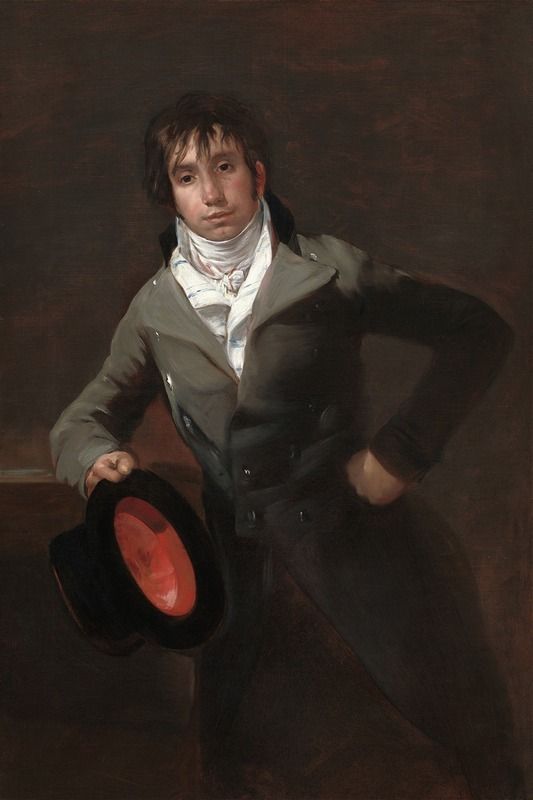
Bartolomé Sureda y Miserol
Francisco de Goya
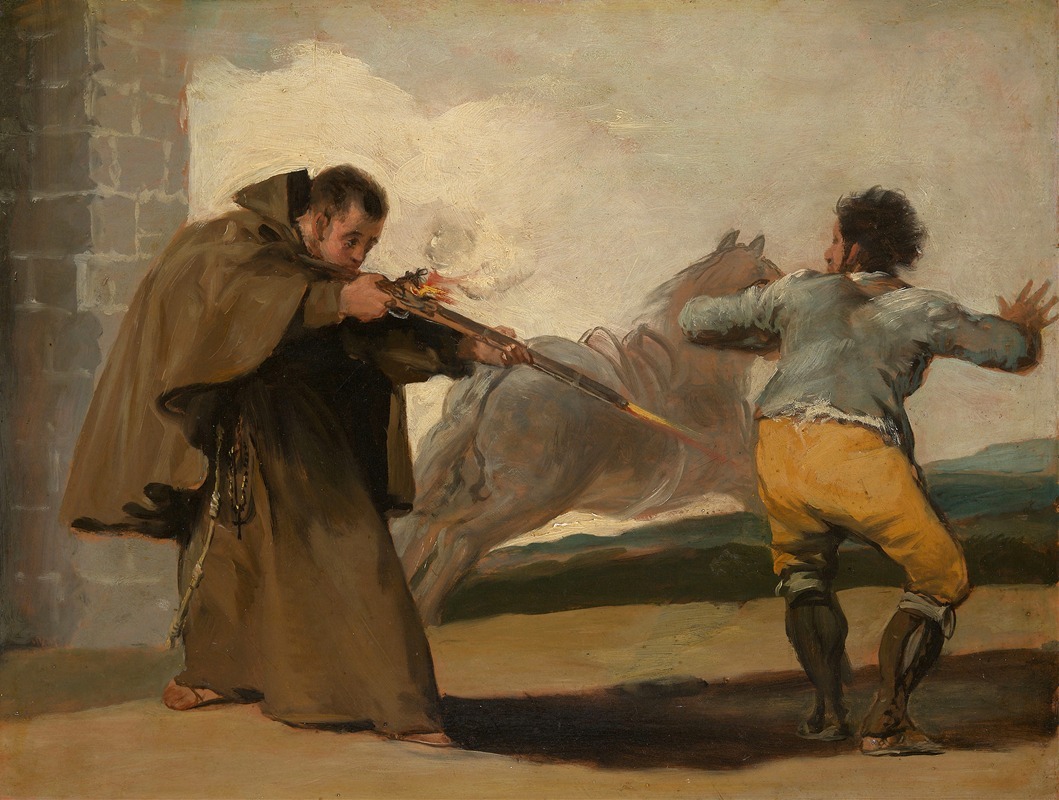
Friar Pedro Shoots El Maragato as His Horse Runs Off
Francisco de Goya





