
Woede — History & Facts
When did color learn to lie? In the intricate world of Woede, illusions dance between the lines of reality and artifice, challenging our perceptions and prompting us to question the truth behind what we see. Focus on the swirling figures that dominate the composition, where distorted forms and exaggerated gestures create a palpable sense of chaos. The bold interplay of light and shadow draws your eye to the central figures, their expressions rife with emotion. Notice how Callot employs a limited palette, using muted earth tones to evoke a haunting atmosphere that heightens the tension and enigma of the scene. Beneath the surface lies a deeper commentary on human emotion and societal conflict.
The contorted bodies suggest rage and turmoil, while the exaggerated features amplify the drama of their plight. Each figure, transcending individual identity, collectively represents the tumultuous nature of humanity itself. This duality of illusion and reality invites viewers to confront their own interpretations and the fragility of perception. Painted between 1618 and 1625, Woede emerged during a period when Jacques Callot was establishing himself in the realm of printmaking and character study.
Living in a time of conflict and upheaval in Europe, Callot’s work often reflected the socio-political tensions around him. This piece stands as a testament to his innovative spirit, merging clear observation with a profound exploration of emotion—a hallmark of his artistic legacy.
More Artworks by Jacques Callot
Browse all →
Titelprent voor de prentreeks 'De kleine apostelen' (Het martelaarschap van de apostelen)
Jacques Callot
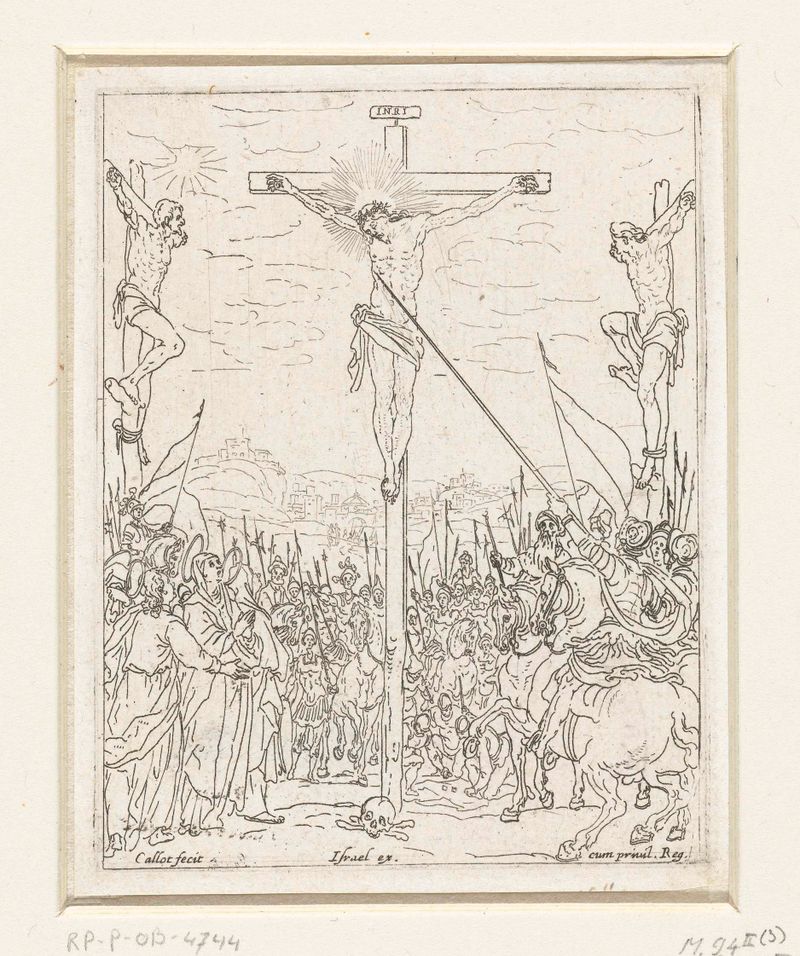
Kruisiging
Jacques Callot

De doortocht door de Rode Zee
Jacques Callot

De verloren zoon als zwijnenhoeder
Jacques Callot

Annunciatie
Jacques Callot
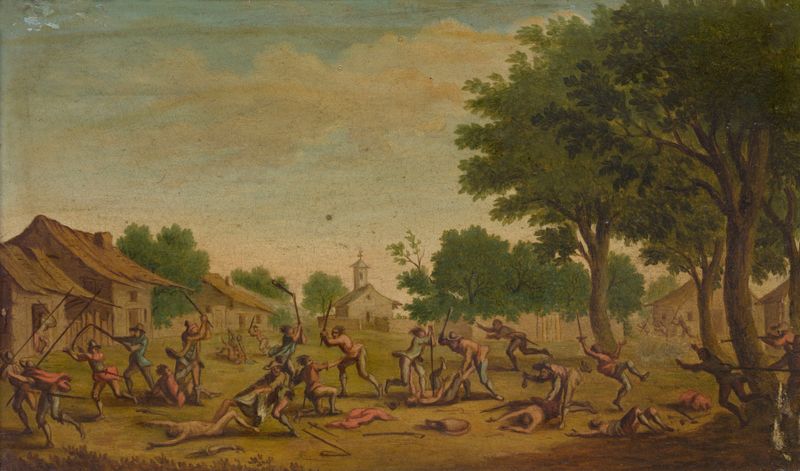
Village Fight
Jacques Callot

Titelprent voor prentreeks 'Het leven van Maria'
Jacques Callot
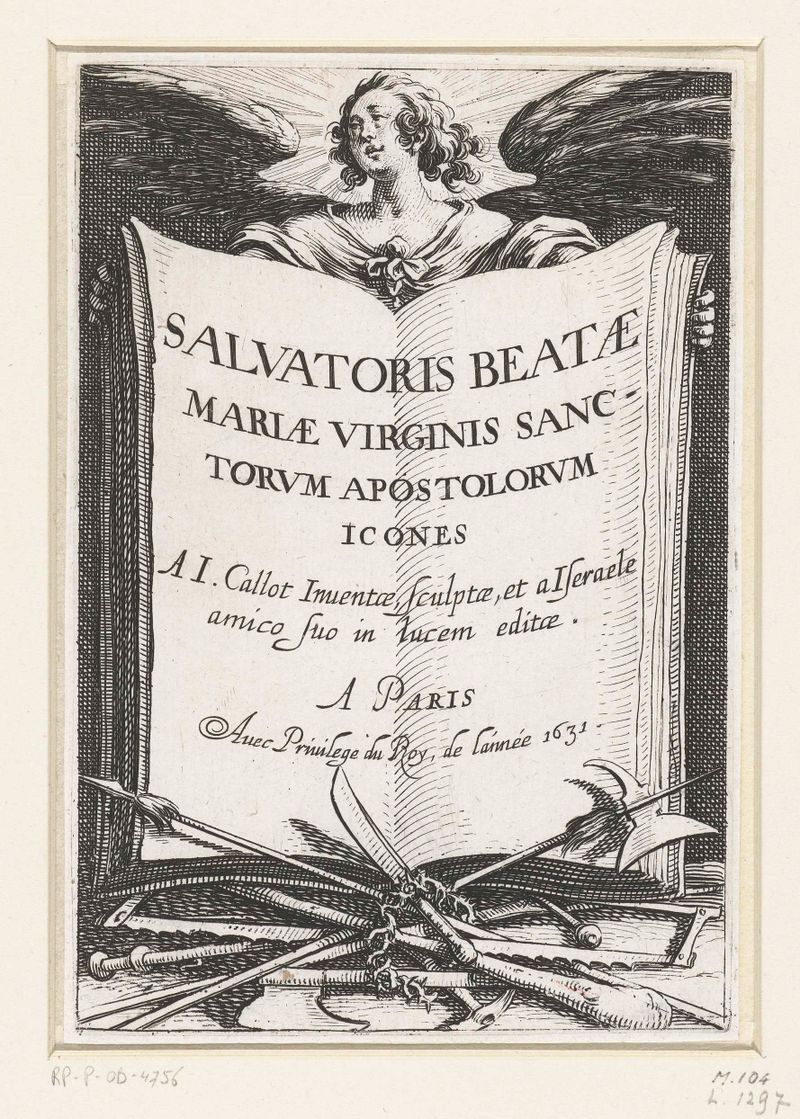
Titelprent voor de prentreeks 'De grote apostelen' (Christus, Maria en de apostelen)
Jacques Callot

Christus aan het volk getoond (Ecce homo)
Jacques Callot
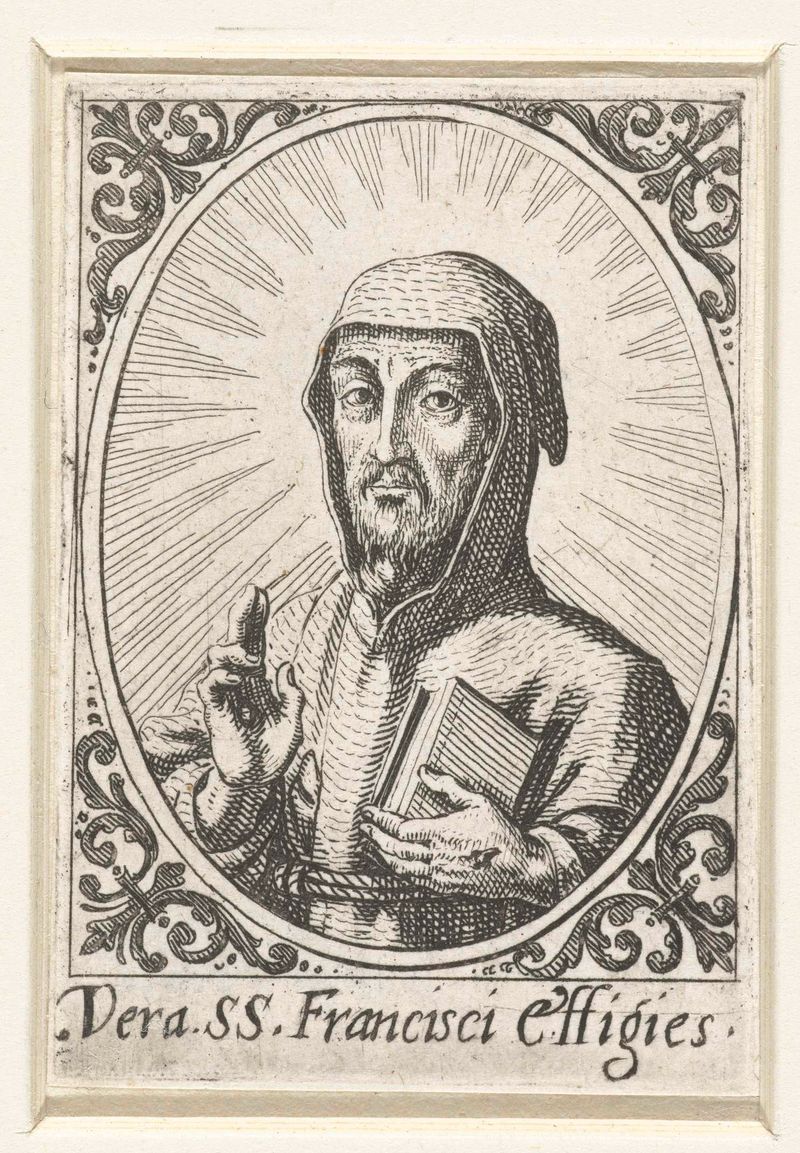
Portret van de Heilige Franciscus
Jacques Callot





