
Woman Nude — History & Facts
What first arrests the eye in Woman Nude is the way the figure emerges, almost sculpted, from a haze of broad, urgent brushstrokes. The woman sits on a simple wooden stool, her body angled inward, head bowed so that her gaze is lost in shadow. The artist’s brush does not linger on detail; instead, it carves the form with confident, blocky planes of flesh and shadow, letting the rawness of the paint echo the vulnerability of the pose.
The palette is restrained—muted earths and grays—yet the contrast between light and dark gives the body a quiet luminosity, drawing us into the hush of the sitter’s private moment. Painted sometime between 1900 and 1945, this work belongs to a period when artists across Europe were reimagining the nude. No longer a symbol of myth or allegory, the body here is presented as itself: unidealized, introspective, and present. Albert Marquet was known for his ties to the Fauves, and though this painting is more subdued than the riot of color often associated with that movement, it shares their commitment to directness and expressive form.
Now held by the National Museum of Art, Architecture and Design, Woman Nude stands as a quiet testament to a time when the nude was being reclaimed—not as a distant ideal, but as a living, breathing presence. The longer you look, the more the brushwork reveals the tension between exposure and retreat, inviting you to linger in the stillness Marquet has conjured.
More Artworks by Albert Marquet
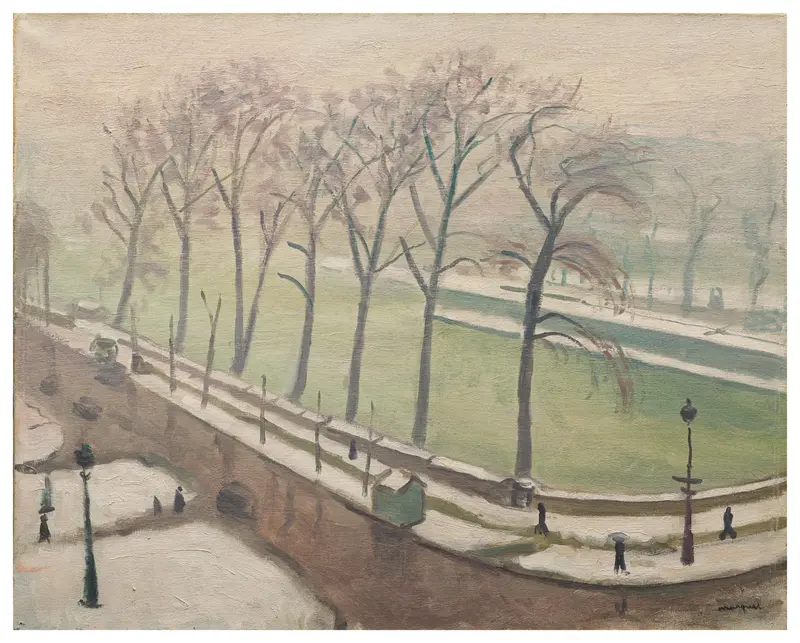
Pont-Neuf sous la neige
Albert Marquet

Le Port d’Alger
Albert Marquet
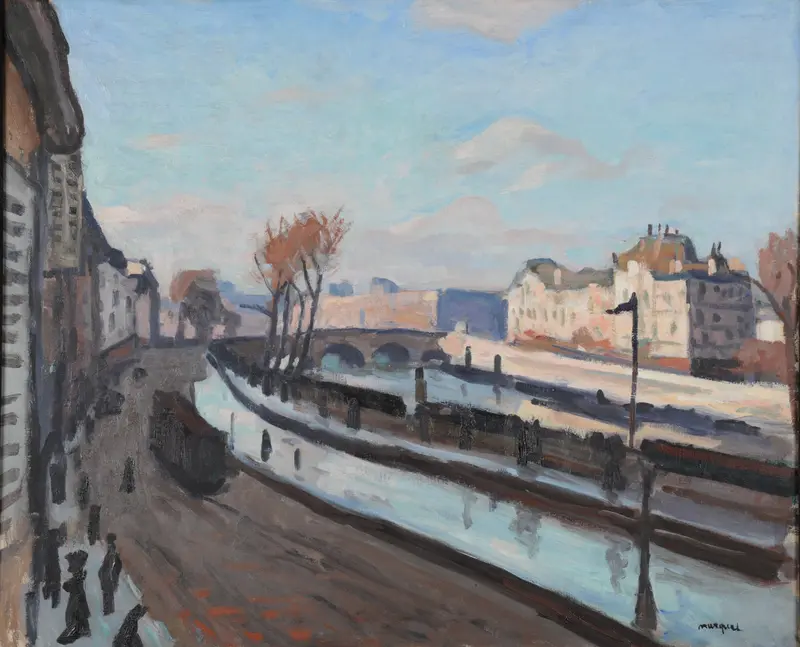
Le quai des Grands Augustins
Albert Marquet

Le jardin à l’Estaque
Albert Marquet
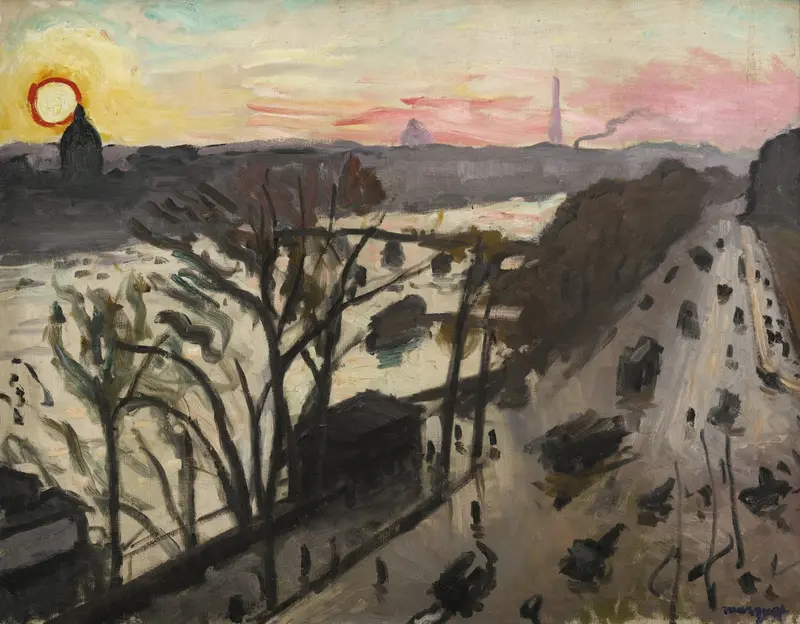
Paris, quai du Louvre, soleil d’hiver
Albert Marquet
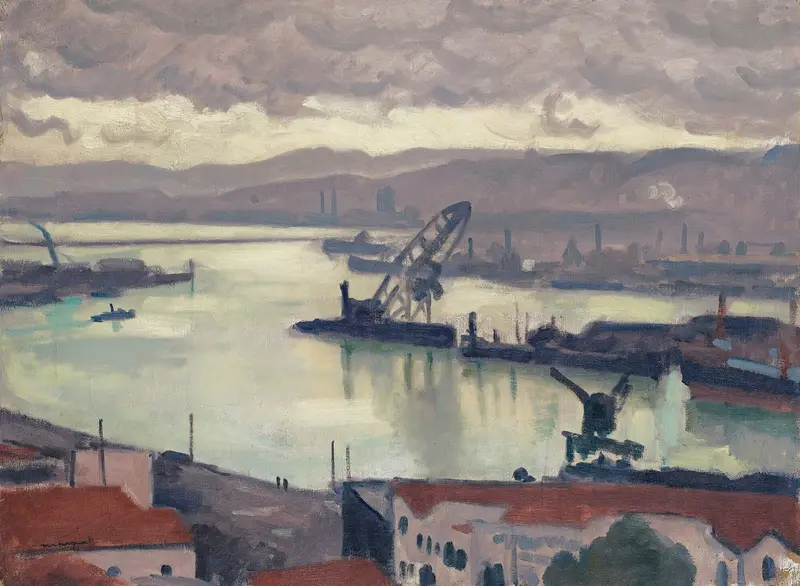
Alger, Temps Gris
Albert Marquet

Berge de la Seine à Méricourt
Albert Marquet
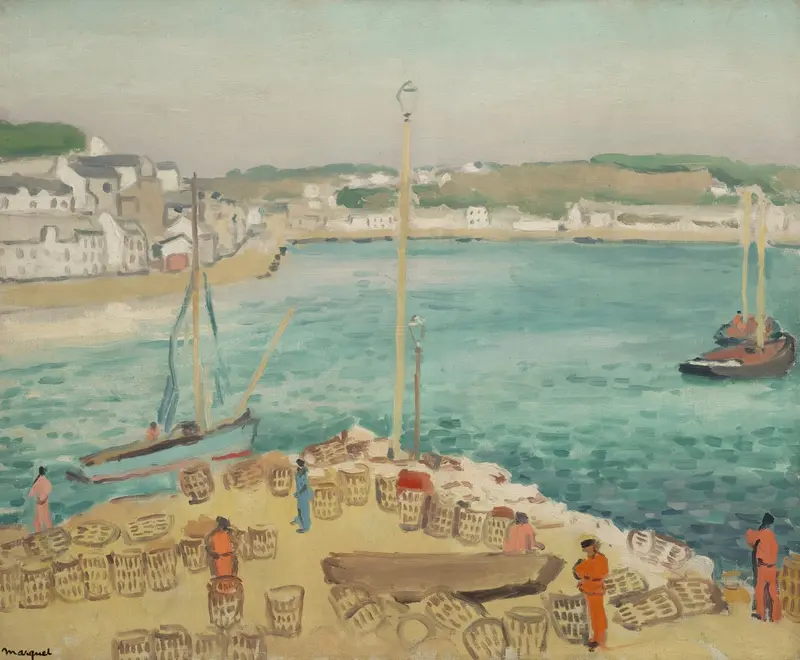
Audierne, les tonneaux
Albert Marquet
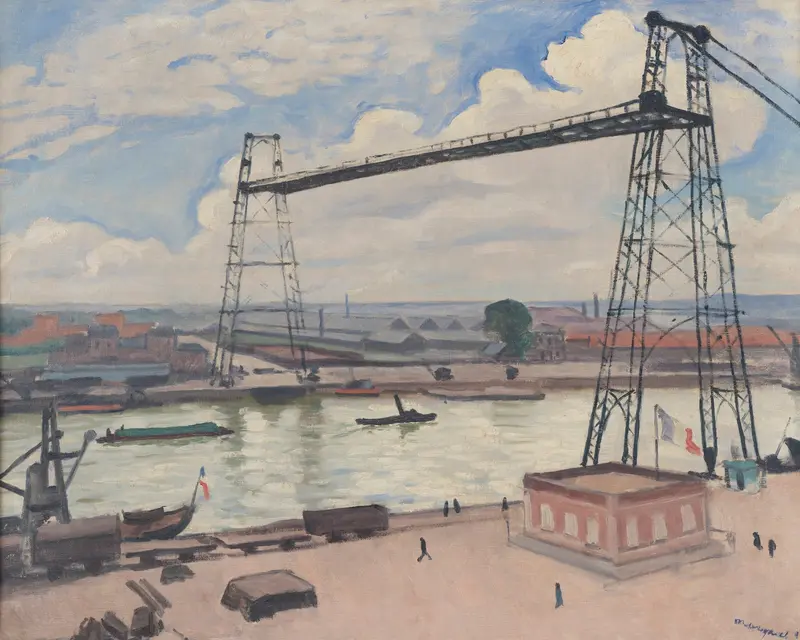
Rouen, le pont transbordeur
Albert Marquet
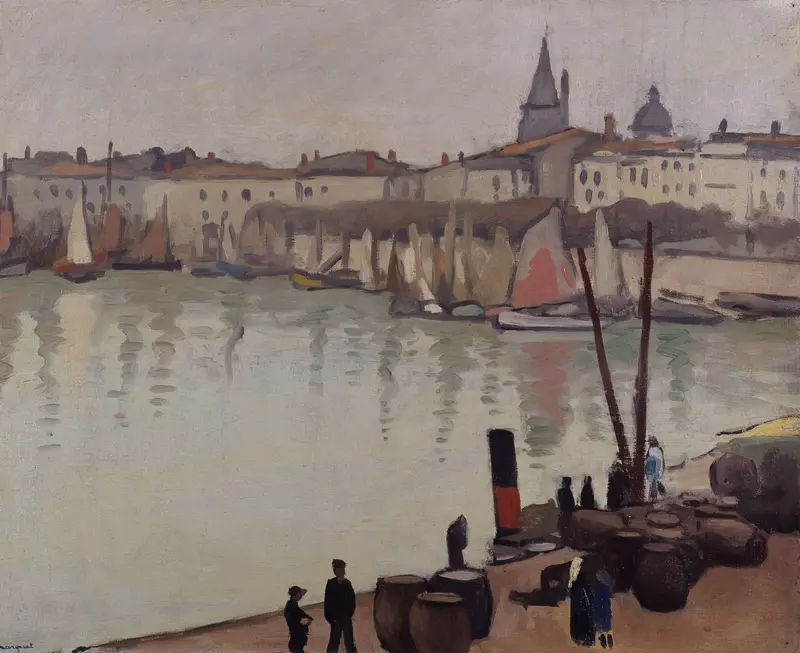
Port of La Rochelle
Albert Marquet



